
Pruning
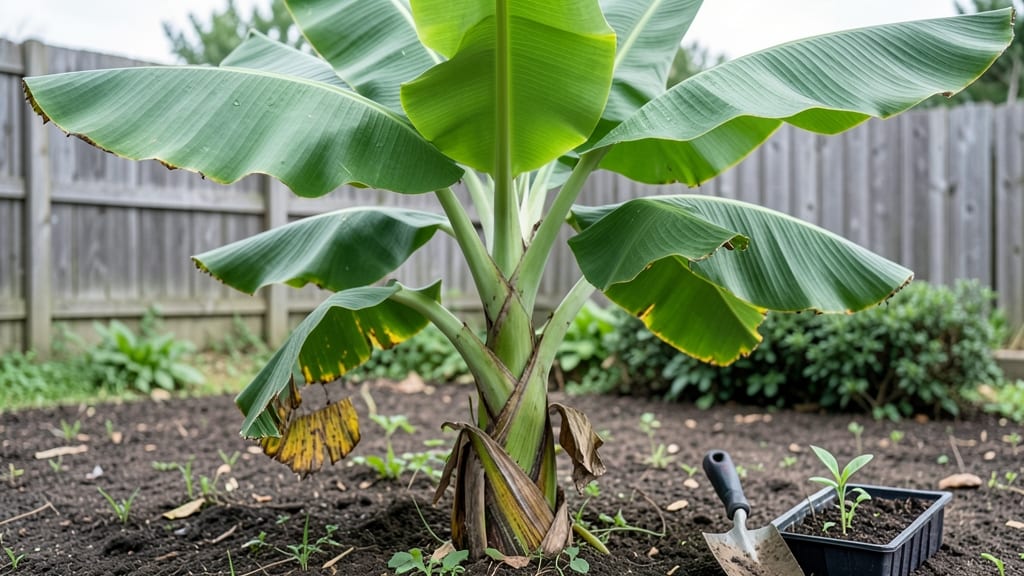
Planting a banana tree in your yard means waking up to towering, tropical foliage and—with patience—harvesting your own fruit. 🌿 I’ve grown mine from a tiny pot to a sun-loving giant, and the key starts with soil that drains fast but holds moisture, plus a spot where it can soak up at least six hours of sunlight daily.
The first year is all about roots and leaves, but by year two, you’ll see that signature banana shape emerge.
You’ll need well-draining soil mixed with compost, a hole twice as wide as the root ball, and a location where temperatures stay above 50°F—bananas are frost-sensitive. If you’re in a cooler zone, start indoors near a sunny window or under grow lights until spring.
The planting itself is simple: loosen the roots if they’re circling, place the tree in the hole, backfill with soil, and water deeply to settle everything in.
Watering is where most beginners stumble—banana trees hate soggy roots but need consistent moisture. Aim for 1-2 inches of water per week, more in heatwaves. Within a few weeks, you’ll notice new leaves unfurling, and by summer, your tree will be reaching for the sky.
The first harvest might take 18-24 months, but the journey is worth it for that first bunch of homegrown bananas.
For indoor growers, a large container with drainage holes and a tropical humidity tray will mimic outdoor conditions. Just avoid drafts, and your banana tree will thrive year-round. Now, let’s get those roots in the ground—or pot!
📚 In This Guide
- What you need
- Instructions
- Tips and common mistakes
- Wrapping up and next steps
What you need
- ● Banana plant (Musa spp.) – Choose a healthy, disease-free pseudostem (the "trunk") or a mature sucker (offset) from a local nursery or trusted supplier.
- ● Shovel or trowel – A garden shovel (for digging) or a hand trowel (for precision planting).
- ● Well-draining soil mix – A blend of: 60% topsoil (rich in organic matter)
- ● 30% compost (for nutrients)
- ● 10% perlite or sand (to prevent waterlogging)
- ● Organic mulch – Straw, wood chips, or pine needles (2–3 inches thick) to retain moisture and regulate temperature.
- ● Watering can or hose – With a gentle spray nozzle to avoid damaging tender roots.
- ● Fertilizer (balanced or banana-specific) – A 10-10-10 NPK ratio or organic fertilizer (e.g., banana fertilizer or compost tea).
- ○ Support stake (optional but helpful) – A 5–6 ft bamboo or wooden stake to stabilize the plant as it grows.
- ● Climate – Banana trees thrive in USDA Zones 10–12 (tropical/subtropical) or can be grown in containers and moved indoors in colder months.
- ● Sunlight – Full sun (6+ hours daily) or partial shade (in hotter climates).
- ● Water access – Consistent moisture (but avoid waterlogged soil). Drip irrigation is ideal for large plantings.
- ● Space – 10–15 ft apart for mature plants (or 3–5 ft in containers).
- ● Soil pH tester – Bananas prefer slightly acidic soil (pH 5.5–7.0).
- ● Pruning shears – For trimming dead leaves or suckers.
- ● Epsom salt (magnesium sulfate) – Boosts fruit quality (1 tbsp per plant monthly).
- ● Pest control (neem oil or copper spray) – Prevents fungal diseases or insect damage.
- ● Container (if not planting in-ground) – A large pot (15+ gallons) with drainage holes.
Step-by-step instructions for planting a banana tree
Here's how I plant banana trees for maximum growth and fruit production—tested in warm climates.
🌱 Step 1: Choose the Right Planting Location
Banana trees thrive in full sun—at least 6-8 hours of direct sunlight daily. I always pick the warmest, most sheltered spot in my yard, protected from strong winds that can damage the large leaves. The soil should drain well but retain moisture, so avoid low-lying areas where water pools after rain.
If you're in a cooler climate, plant near a south-facing wall or fence to capture extra warmth. I've seen banana trees grow surprisingly well in containers placed against brick walls, where the heat radiates back to the roots. Just make sure the container is large enough—at least 18 inches deep for dwarf varieties and 24 inches for standard types.
🪴 Step 2: Prepare the Soil for Optimal Growth
Banana trees love rich, slightly acidic soil with a pH between 5.5 and 7.0. I mix compost into the planting hole to improve drainage and fertility—about 5-10 gallons depending on the size of the root ball. Avoid garden soil that's heavy or clay-like, as it can suffocate the roots.
For container planting, use a blend of potting mix and perlite (about 70% potting mix, 30% perlite) to keep the soil loose and airy. I always add a handful of slow-release fertilizer to the bottom of the hole or container before planting. This gives the tree a nutrient boost right when it needs it most.
☀️ Step 3: Plant the Banana Tree Correctly
Dig a hole twice as wide as the root ball but only as deep as the container it came in. This prevents burying the base of the stem, which can cause rot. Gently remove the tree from its container and loosen any tightly packed roots with your fingers.
Place the tree in the hole so the top of the root ball sits 1-2 inches below soil level. This helps stabilize the plant and encourages strong root growth. Backfill the hole with your prepared soil mix, pressing lightly to remove air pockets but not compacting too firmly. Water deeply right after planting to settle the soil around the roots.
💧 Step 4: Water and Mulch for Healthy Growth
Banana trees need consistent moisture, especially during their first year. Water deeply 2-3 times per week until the soil is 6-8 inches deep and evenly moist. You'll know it's right when water drips out of the drainage holes if you're container-growing. Avoid letting the soil dry out completely, as this causes the leaves to yellow and drop.
Spread 2-3 inches of mulch around the base of the tree, keeping it 6 inches away from the stem to prevent rot. I use straw or wood chips because they break down slowly and improve soil structure over time. Mulch also helps regulate soil temperature and reduces water evaporation, saving me time and effort.
✂️ Step 5: Fertilize and Maintain for Year-Round Harvests
Feed your banana tree every 2 months with a balanced, tropical fertilizer (look for one with equal parts nitrogen, phosphorus, and potassium). I switch to a low-nitrogen, high-potassium fertilizer when flowers appear to encourage fruiting. Always water the tree before applying fertilizer to prevent root burn.
Watch for pests like aphids or banana weevils—they can devastate a young tree. I inspect the undersides of leaves weekly and spray with neem oil at the first sign of trouble. Prune only to remove dead or yellowing leaves, as banana trees rely on their large leaves for energy. With proper care, you'll see flower stalks (called "hands") emerge in 12-18 months, leading to your first harvest!
Tips & tricks for planting a banana tree
A few simple tricks can make all the difference between a struggling banana tree and one that thrives for years to come.
Sunlight Strategy: Those 6-8 hours of daily sunlight are non-negotiable, but here's the thing—banana trees actually prefer the morning sun. Plant them where they get morning sunlight and afternoon shade if your climate gets extremely hot. I've noticed my trees grow more vigorously when they're protected from the intense afternoon rays that can scorch the leaves.
Soil Science: Don't just grab any old soil—banana trees are particular! Test your soil's pH before planting. If it's outside the 5.5-7.0 range, you can adjust it by mixing in sulfur to lower pH or lime to raise it. For containers, that 70% potting mix to 30% perlite ratio is key—it keeps roots happy by preventing both waterlogging and drying out.
Planting Depth Secret: That 1-2 inch depth for the root ball might seem small, but it's crucial. Planting too deep can cause the stem to rot, while planting too shallow makes the tree unstable. I like to use a level to check that the top of the root ball sits just right—this small detail prevents so many common problems down the road.
Watering Wisdom: When you're watering deeply 2-3 times per week, think about the soil's moisture level at 6-8 inches deep. Use a moisture meter or stick your finger in—if it feels dry, water again. The goal is consistently moist, not soggy. I've seen many banana trees fail because people either drowned them or let them dry out completely.
Pro Tips for Planting Banana Tree
- A few simple tricks can make all the difference between a struggling banana tree and one that thrives for years to come.
- Sunlight Strategy: Those 6-8 hours of daily sunlight are non-negotiable, but here's the thing—banana trees actually prefer the morning sun.
- Soil Science: Don't just grab any old soil—banana trees are particular!
Frequently asked questions
Got questions about planting banana trees? You’re not alone! Here are answers to the most common queries to help you grow like a pro.
How long does it take for a banana tree to bear fruit after planting?
A banana tree typically takes 9–18 months to produce fruit after planting, depending on the variety and growing conditions. Dwarf varieties may fruit sooner (as little as 9 months), while larger types can take up to 2 years. Patience is key—focus on healthy growth first!
What’s the best climate for planting banana trees?
Banana trees thrive in tropical or subtropical climates with warm temperatures (70–85°F), high humidity, and 12+ hours of sunlight daily. They’re sensitive to frost—if you live in a cooler zone, grow them in containers and move them indoors or to a greenhouse during winter. Coastal or rainforest-like conditions are ideal!
Can I plant banana trees from grocery store bunches?
The stump (the base of the bunch) can regrow into a new plant. Soak the stump in water for 2–3 days, let it dry slightly, then plant it in well-draining soil. Keep it moist but not soggy. It’s a fun, free way to start—but expect slower growth than nursery plants.
What pests or diseases should I watch for when planting banana trees?
Common issues include:
- Banana weevils: Bore into the pseudostem—trap them with beer-soaked sacks.
- Sigatoka leaf spot: Fungal disease causing brown spots—prune infected leaves and use copper fungicide.
- Root rot: Overwatering or poor drainage—ensure well-draining soil and avoid soggy conditions.
How do I protect banana trees from cold weather?
Banana trees cannot tolerate frost, but you can extend their lifespan in cooler climates with these tricks:
- Plant in containers for easy relocation indoors or to a garage.
- Use mulch (straw or leaves) to insulate roots.
- Cover the tree with burlap or frost cloth if temps dip below 50°F.
- Choose cold-hardy varieties like ‘Red Dacca’ or ‘Bluggoe’ if you’re pushing limits.
Wrapping up and next steps
Planting a banana tree is a rewarding journey that brings tropical beauty and delicious fruit to your doorstep! 🌱 By choosing the right variety, preparing the soil, and providing consistent care, you’ll enjoy year-round harvests and a thriving garden.
Whether you’re a beginner or a seasoned gardener, every step—from selecting healthy plants to pruning for growth—sets you up for success.
Now that you’re armed with the knowledge, take the first step and pick a sunny spot in your yard. Grab your tools, dig in, and watch your banana tree flourish. Happy planting—your future harvest is waiting! 🍌✨