
Trees
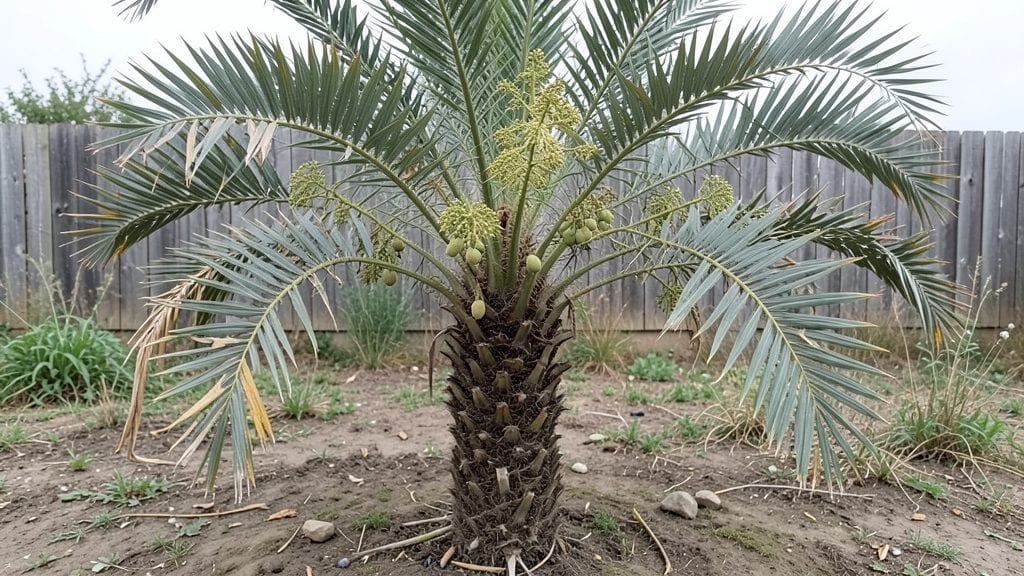
Growing Phoenix dactylifera palm trees brings a taste of the desert to your landscape—towering, graceful, and packed with potential. 🌵 These iconic date palms thrive where summers scorch and winters stay mild, but with the right care, they can even adapt to containers or indoor spaces.
The key lies in mimicking their natural habitat: well-draining soil, plenty of sunlight, and patience for that first fruiting season.
Start with a young palm (3-5 feet tall) and plant it in well-draining sandy loam—never compacted clay. Phoenix dactylifera palms need full sun (6+ hours daily) and consistent moisture during their first year, then taper off to drought tolerance once established.
In containers, use a mix of cactus soil and perlite to prevent root rot, and choose pots at least 12 inches wide for every foot of height.
Pruning is minimal—just remove dead fronds or seed pods if you want to focus on ornamental growth. For fruit production, leave the female flowers (small, creamy blooms) to pollinate naturally, though hand-pollination helps in dry climates.
With time, you’ll see arching fronds, rugged trunks, and—if conditions are just right—sweet, golden dates hanging like nature’s chandeliers.
Even in cooler zones, growers keep these palms alive in large containers moved indoors during frost. The secret? Mimic their desert roots: bright light, infrequent watering, and a winter rest period.
Whether you’re aiming for fruit or just that exotic silhouette, this palm delivers drama with minimal fuss once it’s settled in.
📚 In This Guide
- What you need
- Instructions
- Tips and common mistakes
- Wrapping up and next steps
What you need
- ● Phoenix dactylifera palm: 1 sapling (3–5 ft tall, or 1–2 mature trees for established landscapes)
- ○ Optional: Seeds (if germinating from scratch—requires patience and a greenhouse setup!)
- ● Soil: 5–10 cubic yards of well-draining, sandy loam (mix in perlite or pumice for aeration). Avoid clay-heavy soils!
- ● Fertilizer: 1 bag of balanced palm fertilizer (e.g., 8-2-12 or 6-6-6 with micronutrients like magnesium and iron)
- ○ Optional: Slow-release granules for long-term nourishment
- ● Mulch: 2–3 cubic yards of organic mulch (wood chips or bark) to retain moisture and regulate temperature.
- ● Shovel & spade (for digging holes 2–3x wider than the root ball)
- ● Wheelbarrow (for transporting soil and mulch)
- ● Garden hose or watering can (with a drip irrigation system for long-term care)
- ● Pruning shears (sterilized, for trimming dead fronds or suckers)
- ● Gloves & knee pads (because desert gardening is no joke!)
- ○ Optional: Soil pH tester (ideal range: 6.0–7.5)
- ● Epsom salt (for magnesium deficiency fixes)
- ● Tree support stake (only if planting in windy areas)
- ● Climate: Full sun exposure (6+ hours daily) and USDA Hardiness Zones 9–11. Cold-hardy varieties (like ‘Medjool’) tolerate brief dips to 20°F.
- ● Water access: Drought-tolerant once established, but young palms need deep watering 2–3x/week.
- ● Space: Mature trees reach 60–100 ft tall with a 15–25 ft spread—plan accordingly!
- ● Local regulations: Check if your area requires permits for large trees or palm species.
Step-by-Step guide to planting and caring for Phoenix dactylifera palm trees
Transform your landscape with these majestic palms that thrive in arid climates and bring Mediterranean charm to any yard.
🪴 Step 1: Select the Right Planting Site and Prepare the Soil
Phoenix dactylifera palms demand full sun exposure—choose a location receiving at least 6-8 hours of direct sunlight daily. These palms tolerate poor, rocky soil but grow best in well-draining, slightly alkaline soil with a pH between 7.5 and 8.5. If your soil is heavy clay, amend it with 3-4 inches of coarse sand or gravel to improve drainage.
Dig a hole twice as wide as the root ball but only as deep as the container it came in. Loosen the sides of the hole with a shovel to encourage root penetration. Here's the thing—these palms hate soggy roots, so if your area has heavy rainfall, consider planting on a slight mound to prevent water pooling.
🌱 Step 2: Plant with Proper Spacing and Support
Space your palms 15-20 feet apart—they grow 30-50 feet tall and need room to develop their impressive canopies. Remove the palm from its container and gently tease the roots apart if they're circling. Place the root ball in the hole, ensuring the top of the root ball sits 1-2 inches above ground level—this prevents water from pooling at the base.
Backfill the hole with native soil, firming it gently around the roots to eliminate air pockets. Water deeply right after planting to settle the soil. Install a stake or support system immediately if your palm is taller than 6 feet—these palms can be top-heavy, and a strong wind will topple them without support. I always use 3-4 stakes positioned 12-18 inches from the trunk and secure them with soft tree ties to avoid trunk damage.
☀️ Step 3: Establish a Watering and Fertilizing Routine
Water newly planted palms deeply 2-3 times per week for the first 3 months, ensuring the soil is moist 12 inches deep. After establishment, reduce watering to once every 2-3 weeks unless your area experiences extreme heat or drought. Overwatering is the fastest way to kill these desert natives—yellowing fronds signal root rot, and once it starts, it's often irreversible.
Fertilize in early spring with a slow-release palm fertilizer (look for one with a high potassium and magnesium content). Apply ½ pound per year of the palm’s age (e.g., a 5-year-old palm gets 2.5 pounds). Spread the fertilizer 6-12 inches away from the trunk and water it in thoroughly. Avoid high-nitrogen fertilizers—they promote lush foliage but weaken the palm’s natural drought resistance.
✂️ Step 4: Prune and Protect for Long-Term Health
Remove dead or yellow fronds as they appear by cutting them off at the base with clean, sharp pruners. Never leave stubs—this invites disease. I also prune old, dry fronds that hang below the crown to maintain an elegant appearance. The key is to never remove more than 1/3 of the fronds at once—this stresses the palm and can lead to decline.
Young palms benefit from winter protection in colder climates. Wrap the trunks with burlap or frost cloth if temperatures drop below 25°F. Mature palms are more cold-hardy but may still suffer damage if exposed to prolonged freezing. Mulch around the base with 2-3 inches of gravel to insulate roots and retain moisture during dry spells.
🌿 Step 5: Monitor for Pests and Diseases
Watch for palm weevil larvae, which bore into the trunk and can kill a palm in weeks. Signs include oozing sap, wilting fronds, or sawdust-like frass near the base. If you spot these, treat immediately with a systemic insecticide applied directly to the trunk. I’ve found that preventative applications in early spring save palms from infestations before they start.
Fungal diseases like bud rot thrive in humid conditions. Improve air circulation by pruning dense fronds and avoid overhead watering. If you notice black, mushy fronds or a foul odor at the base, remove infected material immediately and treat with a copper-based fungicide. These palms are tough, but prevention is easier than cure—inspect them monthly during growing season.
Tips & tricks for perfect Phoenix dactylifera palm trees
Here's what nobody tells you about growing these desert beauties—tricks that'll save you from costly mistakes and ensure your palms thrive for decades.
The Sunlight Secret: Those 6-8 hours of daily sun are non-negotiable. I've seen palms struggle in partial shade—even if your yard gets some afternoon sun, make sure it's the bright, direct kind. South-facing locations work best in the Northern Hemisphere. For containers, place them where they'll get morning sun and afternoon shade in extreme heat to prevent leaf scorch.
Root Ball Placement Matters: That 1-2 inch elevation above ground level in Step 2 isn't just about drainage—it creates a natural air pocket that prevents water from sitting against the trunk. I've noticed palms planted too deep develop fungal issues at the base. Use a level to ensure proper positioning, especially on slopes where water might pool.
Fertilizer Precision: The ½ pound per year of age rule is brilliant but only works with the right fertilizer. I recommend a blend with 8-2-12 NPK ratio specifically formulated for palms. Apply it in early spring when new fronds emerge—this timing syncs with the palm's natural growth cycle. Too much nitrogen later in the year can actually weaken the plant's drought tolerance.
Staking Strategy: Don't wait until your palm is leaning before staking—install that 3-4 stake support system immediately for palms over 6 feet tall. I use flexible tree ties that won't cut into the trunk as the palm grows. The key is positioning: place stakes 12-18 inches from the trunk at a 45-degree angle for maximum stability without restricting growth.
Pro Tips for Phoenix Dactylifera Palm Trees
- Here's what nobody tells you about growing these desert beauties—tricks that'll save you from costly mistakes and ensure your palms thrive for decades.
- The Sunlight Secret: Those 6-8 hours of daily sun are non-negotiable.
- Root Ball Placement Matters: That 1-2 inch elevation above ground level in Step 2 isn't just about drainage—it creates a natural air pocket that prevents water from sitting against the trunk.
Frequently asked questions
Got questions about growing or caring for Phoenix dactylifera (date palm trees)? You’re not alone! Here are answers to the most common queries—whether you’re a first-time grower or a seasoned enthusiast looking to troubleshoot.
Can date palms survive in cold climates?
Phoenix dactylifera thrives in USDA Zones 8–11 but can tolerate brief dips to 20°F with protection. In colder zones, grow them in containers and move indoors during winter. Young palms are more vulnerable—wrap trunks in burlap or use frost cloth for extra defense. Pro tip: Mulch the root zone in fall for added insulation!
How often should I water a date palm?
Water deeply once a week during the first year, then taper to every 2–3 weeks once established (unless in extreme heat). Overwatering is the #1 killer—check soil moisture 3 inches down before watering. Phoenix dactylifera stores water in its trunk, so drought tolerance kicks in after roots spread. Warning: Yellowing fronds often signal overwatering, not thirst!
Do date palms produce edible fruit in home gardens?
Yes! With patience—it takes 3–5 years for a palm to bear fruit, and full maturity (10+ years) yields the sweetest dates. Male and female flowers must pollinate (or hand-pollinate) for fruit. Start with ‘Medjool’ or ‘Deglet Noor’ varieties for home gardens. Fun fact: Dates are nature’s energy bar—packed with fiber, potassium, and antioxidants!
What pests should I watch for on date palms?
Keep an eye out for palm weevils (larvae bore into trunks—irreversible damage), spider mites (tiny webs on fronds), and scale insects (sticky residue). Preventative care: Inspect fronds monthly, prune dead leaves, and apply neem oil or insecticidal soap at first signs. Emergency tip: If you spot weevil holes, remove the palm immediately to stop spread.
Are there dwarf varieties for small yards?
‘Little Piccolo’
and ‘Tiny Tim’ stay under 10–15 feet tall, making them perfect for patios or urban gardens. They produce mini dates (edible but smaller) and require the same care as full-sized palms. Just ensure they get 6+ hours of sun daily—they won’t tolerate shade like some other palms. Bonus: Their slow growth means less pruning!
Wrapping up and next steps
The Phoenix dactylifera, or date palm, isn’t just a stunning desert beauty—it’s a symbol of resilience and year-round elegance. Whether you’re drawn to its lush fronds, sweet fruit, or drought-tolerant charm, this palm offers endless rewards for gardeners and nature lovers alike.
Ready to bring a touch of the oasis to your space? Start by researching local climate suitability, gathering the right tools, and—most importantly—embrace the joy of nurturing a tree that thrives under the sun! 🌵✨
Your Next Step:
- 🌱 Plant your palm—whether in a pot or the ground—and watch it grow into a breathtaking centerpiece.
- 📅 Plan ahead for seasonal care, like pruning or harvesting dates (if applicable).
- 💬 Share your progress! Tag us in your garden updates—we’d love to see your Phoenix dactylifera in action.