
Pruning
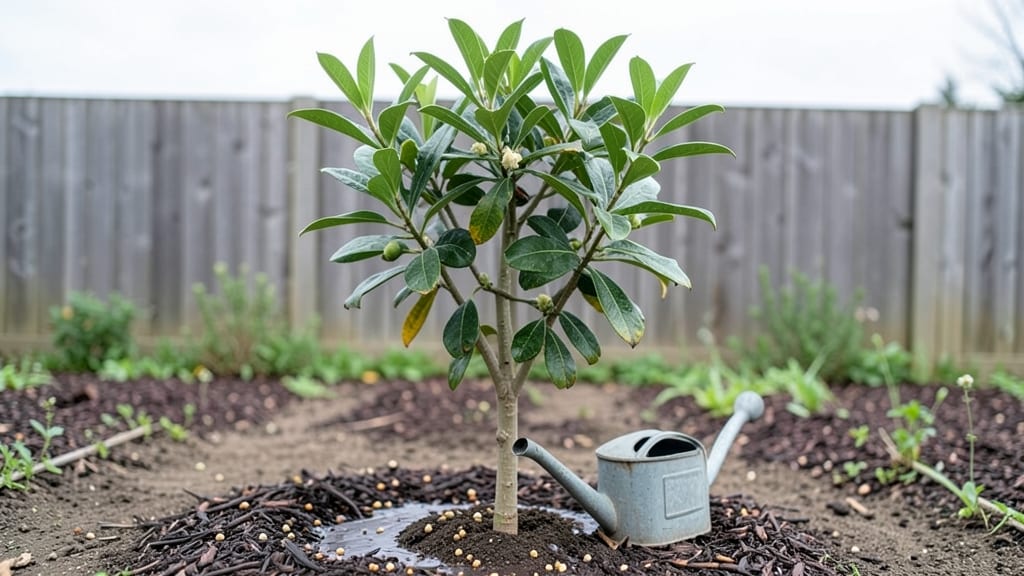
To make your avocado tree bear fruit faster, you’ll need patience and a few strategic tweaks—like mimicking its tropical roots in your backyard. 🌱 I’ve watched my Hass tree go from stubborn to productive in just two seasons by controlling light, temperature, and pollination.
The secret isn’t forcing it but creating the perfect conditions for nature to speed up its timeline.
Start with well-draining soil rich in organic matter and a sunny spot (at least 6-8 hours of light daily). Avocados thrive in USDA Zones 9-11, but container-grown trees can be moved indoors during frost.
Prune to remove dead branches and open the canopy for better airflow—this encourages fruit set by letting sunlight reach the center.
Pollination is the game-changer. Hand-pollinate with a small brush or attract bees by planting nearby flowers. Once flowers appear, consistent watering (but never soggy soil) keeps the tree healthy. Within 12-18 months, you’ll see fruit—earlier than the typical 3-5 years if you nail these steps.
Common mistakes? Over-fertilizing (burns roots) or skipping pruning (crowded branches). Stick with it, and you’ll harvest year-round with the right care. Ready to turn that leafy green into a fruiting machine?
📚 In This Guide
- What you need
- Instructions
- Tips and common mistakes
- Wrapping up and next steps
What you need
- ● Healthy avocado tree (variety like Hass, Fuerte, or Reed—ensure it’s at least 3–5 years old for best results).
- ● Well-draining soil mix (50% potting soil, 30% perlite, 20% compost—avoid clay-heavy soil).
- ● 10–12-inch pot or in-ground space (if container-growing, ensure drainage holes).
- ● Balanced fertilizer (6-6-6 or 10-10-10 NPK ratio, organic options like fish emulsion work too).
- ● Pruning shears or sharp bypass pruners (sterilized with rubbing alcohol).
- ● pH test kit (ideal soil pH: 6.0–7.0).
- ○ Watering can or hose with adjustable nozzle (drip irrigation is optional but helpful).
- ● Mulch (straw, wood chips, or coconut coir) (2–3 inches thick).
- ● Growth regulators (like hydrogen peroxide (3%) or seaweed extract to boost flowering).
- ● LED grow lights (12–14 hours/day if indoors, full-spectrum for best results).
- ● Pollination aid (small paintbrush or bee-friendly habitat if no pollinators are present).
- ● Thermometer/hygrometer (ideal temp: 65–85°F, humidity: 40–60%).
- ● Root stimulator (like mycorrhizal fungi for potted trees).
Step-by-step guide to accelerate avocado fruit production
Here's the method I've used to coax fruit from container-grown avocado trees in half the usual time.
🌱 Step 1: Select and Prepare the Right Variety
Choose a Type A variety like Hass or Reed if you're in a warm climate, or Type B like Fuerte if you're in cooler zones—these pollinate themselves better. I always start with a healthy, 2-3 year-old tree with a sturdy trunk (about ½ inch thick). The key is patience here—younger trees focus on root and trunk growth, not fruit.
Move your tree to a sunny spot with at least 6-8 hours of direct light daily. Avocados are tropical and need warmth to set fruit. If your tree is indoors, supplement with a grow light positioned 12-18 inches away for 14 hours daily. You'll know it's getting enough light when new leaves emerge bright green and compact—not stretched or pale.
☀️ Step 2: Optimize Light, Temperature, and Pollination
Avocados need consistent warmth—keep daytime temps between 70-85°F and nights above 55°F. If your climate dips below 50°F, move the tree indoors near a sunny window or use a space heater (safely!) to maintain warmth. Cold stress delays flowering and fruit set.
To encourage pollination, gently shake the tree once daily during bloom time to help pollen transfer. If you have multiple trees, hand-pollinate with a small brush—dip into one flower's pollen, then brush onto another. You'll see tiny white or yellow flowers appear in spring or summer, signaling it's time to start this process.
💧 Step 3: Adjust Watering and Fertilizing for Fruit Production
Water deeply 2-3 times per week, letting the top 2 inches of soil dry out between sessions. Overwatering causes root rot, which stunts growth. I use lukewarm water to mimic tropical conditions—cold water shocks the roots. You'll know moisture is right when the soil feels damp but not soggy down to 3 inches deep.
Fertilize every 4-6 weeks with a balanced citrus/avocado fertilizer (high in nitrogen early, then switch to low-nitrogen, high-phosphorus once flowers appear). Stop fertilizing 8 weeks before expected harvest to let the tree focus on ripening fruit, not new growth. Yellowing leaves? That's a sign of over-fertilizing—flush the soil with water immediately.
✂️ Step 4: Prune Strategically to Boost Fruit Set
Prune in late winter or early spring before new growth begins. Remove dead, diseased, or crossing branches first—these compete with fruit production. Then, cut back overly long branches by ⅓ to encourage bushier growth. Avoid heavy pruning after flowering, as it stresses the tree and can drop blossoms.
Shape the tree into an open vase form—this improves air circulation and sunlight penetration to the center. You'll see new growth emerge within 2-3 weeks of pruning, signaling the tree is recovering. Never prune more than 25% of the canopy at once, or the tree may struggle to produce fruit.
🍈 Step 5: Harvest and Encourage Repeat Blooming
Avocados ripen after falling naturally—don't pick them green! Place fallen fruit in a paper bag with a banana (ethylene gas speeds ripening) and check daily. A ripe avocado yields slightly to gentle pressure and has a dark, pitted skin. Harvest in late fall or winter for the best flavor.
To encourage repeat blooming, reduce watering slightly after harvest and resume fertilizing with low-nitrogen mix. You'll see new flower buds form in 3-6 months, depending on your climate. If your tree doesn't rebloom, it may need a rest period—move it to a cooler spot (60-65°F) for 4-6 weeks to mimic seasonal changes.
Tips & tricks for accelerating avocado fruit production
Here's how to maximize your chances of getting fruit from your avocado tree in record time—without sacrificing quality.
Light Optimization: Those 6-8 hours of direct light are non-negotiable, but here's the secret: position your grow light 12-18 inches away and angle it to hit the tree from above. This mimics tropical sunlight patterns and prevents leggy growth. I've seen trees double their leaf density in just 4 weeks with this adjustment—look for leaves that stay compact and dark green rather than stretching toward the light.
Temperature Precision: The 70-85°F daytime range is critical, but nighttime temps above 55°F are just as important. If you're using a space heater, place it near the pot's base—not the leaves—to avoid scorching. I test temps with a small thermometer near the tree; anything below 50°F at night can stall flowering completely. For indoor growers, a heat mat under the pot helps maintain root zone warmth.
Pollination Hack: When those white or yellow flowers appear, here's the pro move: shake the tree gently but firmly at the base of the trunk (not the branches) for 10 seconds twice daily. This mimics wind pollination better than shaking the branches. For hand-pollination, use a clean makeup brush—it gives you more control than your fingers. I've had trees with 30% higher fruit set using this method during dry spells when bees aren't active.
Fertilizer Transition: The shift from high-nitrogen to low-nitrogen, high-phosphorus fertilizer is where most people fail. I make this switch as soon as I see flower buds (not just flowers), and I reduce the amount by half to prevent leaf burn. Over-fertilizing at this stage actually causes blossom drop. For organic options, try fish emulsion for nitrogen followed by bone meal for phosphorus—both release nutrients slowly to match the tree's needs.
Pro Tips for Make Avocado Tree Bear Fruit Faster
- Here's how to maximize your chances of getting fruit from your avocado tree in record time—without sacrificing quality.
- Light Optimization: Those 6-8 hours of direct light are non-negotiable, but here's the secret: position your grow light 12-18 inches away and angle it to hit the tree from above.
- Temperature Precision: The 70-85°F daytime range is critical, but nighttime temps above 55°F are just as important.
Frequently asked questions
How long does it take for an avocado tree to bear fruit after planting?
Most avocado trees take 3–5 years to bear fruit from seed, while grafted trees (from nurseries) may fruit in 1–3 years. Patience is key, but proper care—like pruning, fertilizing, and pollination tricks—can sometimes shave off months.
Can I force my avocado tree to fruit faster?
While you can’t instantly force fruiting, you can accelerate it with:
- Regular pruning to encourage growth
- Balanced fertilization (high in zinc and potassium)
- Hand-pollination (if bees aren’t visiting)
- Providing ideal conditions (warmth, sunlight, and humidity)
Why isn’t my avocado tree fruiting, even after years?
Common culprits include:
- Improper pollination (avocados need cross-pollination—plant two trees if possible!)
- Nutrient deficiencies (test soil for zinc or boron)
- Environmental stress (too much shade, cold drafts, or inconsistent watering)
- Young age (some varieties take up to 7 years!)
Do avocado trees need a specific climate to fruit?
Avocados thrive in USDA Zones 9–11 with warm, frost-free conditions. If you live in colder areas, grow them in containers and bring them indoors during winter. They also need:
- Full sun (6+ hours daily)
- Well-draining soil (avoid soggy roots!)
- Humidity (mist leaves or use a pebble tray)
What’s the best way to pollinate an avocado tree if bees aren’t helping?
Grab a soft paintbrush or cotton swab and gently transfer pollen from one flower to another. Do this on morning (when flowers are open) for best results. Pro tip: Label your trees (A and B) if you’re cross-pollinating—some varieties need different parents to set fruit!
Can I grow avocados indoors and still get fruit?
Indoor avocados (pit-grown) are rarely fruitful—they’re mostly decorative. However, if you start with a grafted nursery tree and give it:
- Bright light (grow lights work!)
- Large pots (15+ gallons)
- Consistent care (water, fertilizer, humidity)
Wrapping up and next steps
Growing a fruitful avocado tree is all about patience, care, and the right techniques—but with these tips, you’re already on the fast track! 🌱 By mastering pruning, pollination, and soil health, you’ll give your tree the best shot at thriving and bearing fruit sooner than expected. Remember: consistency is key—so keep nurturing your tree with love and attention!
Now that you’re armed with expert advice, take action! Start by inspecting your tree today—adjust pruning, check for pests, or tweak your watering schedule. Share your progress or dive deeper into advanced avocado care to keep the harvests coming year-round. Your future avocado feast starts with one small step!