
Pruning
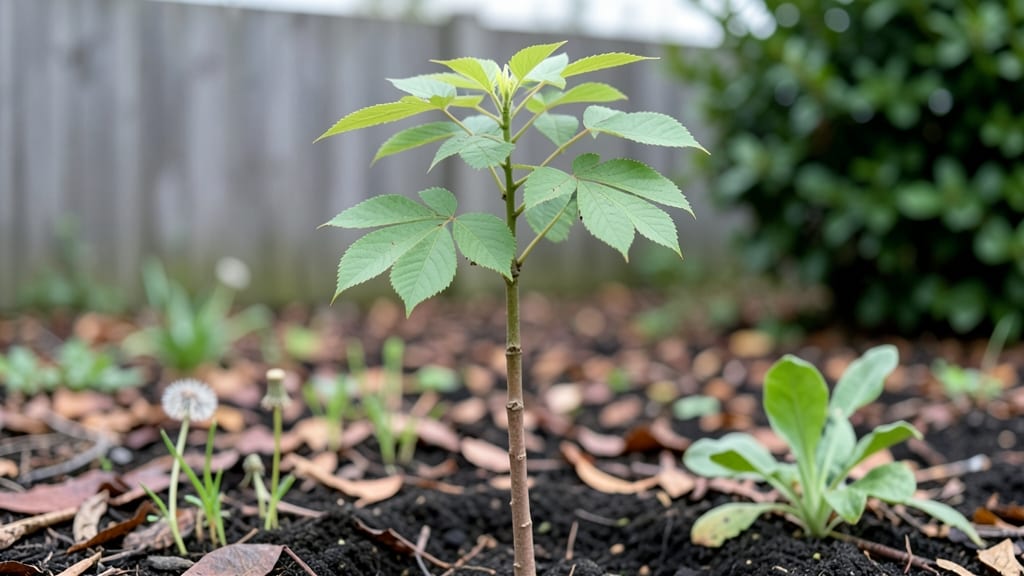
Planting a pecan tree seedling in the Pacific Northwest means choosing a variety that thrives where winters dip below freezing—but the right approach turns those chilly months into an advantage.
I learned this the hard way after my first seedling struggled through a late spring frost; now I use a cold-hardy rootstock combined with proper winter mulching to give young trees a fighting chance.
The secret lies in mimicking nature’s timing: plant bare-root seedlings in late fall or early winter when the ground is cool but not frozen.
Amend your soil with compost to improve drainage (PNW clay can be brutal on tender roots), and choose a spot with full sun and room to grow—these trees won’t be shy about stretching their branches. Water deeply once planted, then let the winter rains do the rest until spring.
By summer’s first flush of growth, you’ll see sturdy new shoots pushing through the soil, their leaves unfurling with a waxy sheen that signals resilience.
With consistent care—mulching in fall, pruning to shape, and watching for pests like aphids—your seedling will mature into a tree capable of producing nut-sized harvests within 5-7 years. The key is patience; the payoff is worth every season of waiting.
This method works for both native PNW varieties and cold-tolerant cultivars, though some hybrids handle our wet winters better than others. For urban gardeners, dwarf varieties fit smaller spaces without sacrificing potential. Let’s get those roots established right from the start.
📚 In This Guide
- What you need
- Instructions
- Tips and common mistakes
- Wrapping up and next steps
What you need
- ● Pecan tree seedling: Choose a Carya illinoinensis variety (e.g., 'Wichita' or 'Desirable')—ensure it’s labeled as frost-hardy (Zones 6-8) and purchased from a reputable nursery.
- ● Garden soil: 50 lbs of well-draining, slightly acidic soil (pH 6.0-7.0)—mix with compost (20%) for nutrients.
- ● Organic mulch: 4-6 cubic feet of pine straw, wood chips, or shredded bark (3-4 inches deep) to insulate roots.
- ● Slow-release fertilizer: 10-10-10 NPK blend (1 lb) or a balanced organic option (e.g., 5-5-5).
- ● Watering can or hose: With a fine-mist nozzle for gentle hydration.
- ● Pruning tools: Bypass pruners (sharp, 7-inch) for clean cuts.
- ● Loppers (for thicker branches, 20-inch) if needed.
- ● Hand saw (for stubborn growth, 8-inch)—sterilize with rubbing alcohol.
- ● Root stimulator: 1 bottle (8 oz) (e.g., Mycorrhizal fungi or seaweed extract).
- ○ Tree guards (optional but recommended): 2-3 spiral wraps or wire cages to protect from deer/voles.
- ● Sunlight: Ensure a full-sun location (6+ hours/day)—PNW’s partial shade can stunt growth.
- ● Drainage test: Dig a 12-inch hole—if water pools after 30 mins, amend soil with sand or gravel.
- ● Frost monitoring: Check local USDA Plant Hardiness Zone and last frost date (plant after May 15 in most of PNW).
- ● Spacious site: Pecan trees need 40+ feet of clearance (they grow 50-75 feet tall!).
- ● Drip irrigation system for consistent moisture.
- ● Soil moisture meter to avoid over/under-watering.
- ● Bird netting if squirrels are a problem (they love pecans!).
- ● Epsom salt (1 tbsp) for magnesium boost (mix into soil at planting).
Step-by-step instructions for growing a frost-resistant pecan tree seedling
Here's how to establish a hardy pecan seedling that thrives in the Pacific Northwest's cooler climate.
Select and Prepare the Right Seedling Variety
Choose a cold-hardy cultivar like 'Wichita' or 'Western Scholar', both rated for USDA Zones 5-8. These varieties tolerate the region's wet winters and cooler summers better than southern pecan types. Purchase a 1-2 year old bare-root seedling from a reputable nursery to ensure disease-free stock and established root systems.
Inspect the roots immediately upon arrival—healthy roots should be white or light tan, not dark or mushy. If the roots have dried out, soak them in lukewarm water for 2-4 hours before planting. This rehydration step is critical, especially if your seedling arrives during hot weather.
Choose the Optimal Planting Location and Soil
Pecan trees need full sun (6-8 hours daily) and well-draining soil with a pH between 6.0-7.5. In the Pacific Northwest, this means selecting a site with southern or western exposure to maximize sunlight during shorter winter days. Avoid low spots where cold air pools, as pecans are sensitive to late spring frosts.
Test your soil's drainage by digging a 12-inch deep hole in the proposed location. If water pools after 24 hours, amend the soil with 2-3 inches of compost and 1-2 inches of coarse sand to improve drainage. Pecans hate soggy roots, which leads to root rot and poor growth.
Plant at the Correct Depth and Stake for Support
Dig a planting hole twice as wide as the root ball but no deeper. Position the seedling so the top of the root ball sits 1-2 inches above ground level—this prevents soil from washing into the graft union during heavy rains. Gently loosen the roots and spread them outward before placing the seedling in the hole.
Fill the hole with native soil, tamping lightly to remove air pockets. Install a 4-5 foot tall stake and secure the seedling with soft tree ties, leaving room for the trunk to thicken. Water deeply to settle the soil, then add a 2-3 inch layer of mulch (wood chips or straw) around the base, keeping it 6 inches away from the trunk to prevent rot.
Establish a Consistent Watering and Fertilizing Routine
Water the seedling deeply once a week during the first growing season, providing 1-2 gallons per week depending on rainfall. Check moisture by pushing a finger 2 inches into the soil—if it feels dry, water again. Overwatering is the biggest mistake with pecans; they prefer slightly dry conditions once established.
Apply a balanced 10-10-10 fertilizer at half-strength in early spring and again in early summer. Avoid high-nitrogen fertilizers, which promote leafy growth at the expense of nut production. In the Pacific Northwest, pecans benefit from an additional application of iron sulfate in late winter to prevent chlorosis caused by the region's alkaline soils.
Protect Against Late Spring Frosts and Winter Chill Requirements
Pecan trees require 300-600 hours of chilling below 45°F to set fruit properly. In the Pacific Northwest, this is typically met, but late spring frosts (below 28°F) can damage flowers. Monitor forecasts and cover young trees with frost cloth if a freeze is predicted after buds swell in spring.
Prune in late winter to remove dead or crossing branches. Avoid heavy pruning—pecans respond poorly to aggressive cuts. Instead, focus on shaping the tree to allow sunlight to reach the lower branches, which is essential for nut production. Mature trees develop a strong root system that helps them withstand the region's wet winters.
Tips & tricks for growing a frost-resistant pecan tree seedling
Establishing a thriving pecan tree in the Pacific Northwest's challenging climate requires attention to detail—here are the key insights that'll help you avoid common pitfalls and set your seedling up for long-term success.
Root Health Inspection: When you receive your seedling, don't just glance at the roots—give them a thorough examination. Healthy roots should be firm and white or light tan, not dark brown or mushy. If you notice any roots that feel soft or have a foul odor, this indicates potential disease. The 2-4 hour lukewarm water soak isn't just about hydration; it's your chance to identify any hidden issues before planting. Trust me on this: addressing root problems early can save your entire investment.
Soil Preparation Strategy: The 24-hour drainage test in Step 2 is where many gardeners go wrong. Instead of just digging a hole and hoping for the best, create a proper test environment by digging a 12-inch deep hole and filling it with water. If it doesn't drain completely within 24 hours, you know you need to amend your soil. I've seen too many pecan trees fail because of poor drainage—don't let this be your story. The 2-3 inches of compost and 1-2 inches of coarse sand aren't just random measurements; they're specifically calculated to create the ideal pore space for root respiration in our region's heavy soils.
Planting Depth Precision: Positioning the root ball with its top 1-2 inches above ground level might seem like a small detail, but this simple adjustment prevents what I call "the Pacific Northwest washing problem." Our region's frequent heavy rains can actually wash soil into the graft union if planted too deeply, which can kill your tree. This 1-2 inch elevation gives you a safety margin while still keeping the roots cool enough to prevent heat stress during our occasional summer heatwaves.
Frost Protection Planning: The 300-600 hours of chilling requirement below 45°F is typically met in the Pacific Northwest, but late spring frosts below 28°F can still damage your tree's flowers. Here's what nobody tells you: keep frost cloth handy year-round. I've had to scramble to find it during unexpected freezes, and it's not always available at local garden centers. Store it in a dry place near your gardening tools so you're ready when those late spring forecasts come in. The difference between a good crop and no crop at all often comes down to having frost protection ready at a moment's notice.
Pro Tips for Pecan Tree Seedling
- Root Health Inspection: When you receive your seedling, don't just glance at the roots—give them a thorough examination.
- Soil Preparation Strategy: The 24-hour drainage test in Step 2 is where many gardeners go wrong.
Frequently asked questions
Got questions about growing pecan tree seedlings in the Pacific Northwest? You’re not alone!
Here are answers to the most common concerns—from frost prep to troubleshooting—so you can grow a thriving orchard with confidence.
How cold can pecan tree seedlings handle in the PNW?
Most pecan seedlings tolerate brief dips to 10°F (-12°C), but young trees (under 3 years) need extra protection. Mulch heavily with straw or wood chips and wrap the trunk in burlap during hard freezes. Native varieties like ‘Desirable’ or ‘Moore’ are your best bets for resilience!
When is the best time to plant pecan seedlings in the PNW?
Plant in early spring (March–April) or fall (October–November) for optimal root establishment. Avoid late spring—hot, dry summers stress seedlings. If planting in fall, do it at least 6 weeks before the first frost to allow roots to settle.
How often should I water a new pecan seedling?
Water deeply 2–3 times per week for the first year, ensuring the soil stays moist (but not soggy) 6–12 inches down. Drip irrigation is ideal—it reduces fungal risks and delivers water right to the roots. Pro tip: Water in the early morning to prevent evaporation and disease.
Can I grow pecans from store-bought nuts instead of seedlings?
Technically yes, but it’s not recommended for reliable trees. Store-bought pecans are often hybridized for taste, not cold hardiness. Seedlings from nurseries are grafted for disease resistance and consistent nut production. If you’re set on nuts, source them from a local PNW grower and be patient—germination can take 6–12 months!
What pests should I watch for with pecan seedlings?
Keep an eye out for aphids, pecan weevils, and borers—common PNW troublemakers. Use neem oil for aphids or introduce ladybugs for natural control. For weevils, wrap the trunk with tree collars in late summer to block adult entry. Pro tip: Inspect leaves weekly during growing season for early signs.
How do I protect my seedling from late frosts in spring?
Use frost cloths or row covers on nights when temps dip below 32°F (0°C). Avoid overhead sprinklers (they can crack branches). For extra warmth, plant near a south-facing wall or group seedlings together to share heat. Monitor forecasts via NOAA’s PNW alerts!
Wrapping up and next steps
Growing a frost-resistant pecan tree seedling in the Pacific Northwest is absolutely achievable—with the right prep, patience, and care! 🌱 From selecting the perfect variety to mastering pruning techniques and protecting young trees from winter’s chill, you’ve got all the tools to nurture a thriving orchard.
Remember, consistency is key: monitor moisture, prune strategically, and stay vigilant against pests.
Now that you’re armed with knowledge, take the next step! Start with a single seedling, experiment with microclimates in your garden, and document your progress. Who knows? You might just cultivate the next Pacific Northwest pecan sensation. Happy planting! 🌟