
Pruning
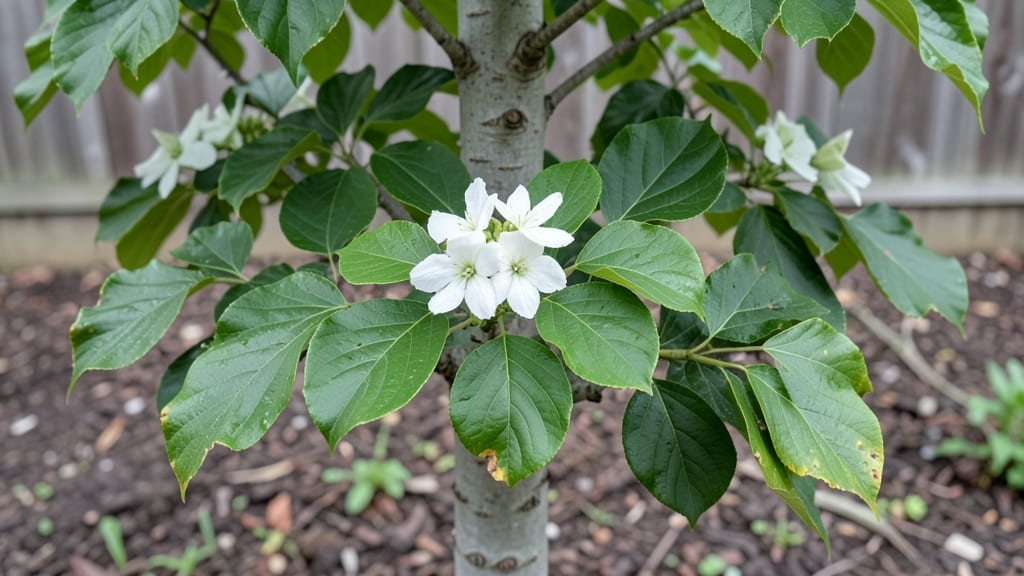
The Kousa dogwood tree thrives in the Pacific Northwest's cool, damp climate with its glossy leaves and fragrant blooms that turn into edible berries.
I planted mine last spring after years of admiring its resilience—it handles frost like a champ while still putting on a show with white flowers that smell like honeysuckle. The secret isn't just its hardiness; it's how it transforms a garden corner into a seasonal highlight from spring to fall.
This tree loves well-draining soil and partial shade, making it perfect for understory planting or as a focal point near patios. My 6-foot specimen now gets 1-2 inches of water weekly during dry spells, and I top-dress with compost in early spring to keep it thriving.
The key? Don't overwater—Kousa dogwoods hate soggy roots. Pruning is minimal, but removing dead branches in late winter keeps it looking sharp and encourages those signature blooms.
What makes this tree special is its layered beauty: fragrant flowers in May, glossy green foliage all summer, and clusters of red berries that persist into winter. My neighbors keep asking how I keep my yard looking so lush—now I can tell them it's all about this low-maintenance star.
The berries even attract birds, turning your tree into a wildlife magnet. Ready to add one to your landscape?
Best of all, Kousa dogwoods adapt to urban settings, making them ideal for city gardens where space is limited. They grow 15-25 feet tall at maturity, so plan accordingly for their eventual size.
Whether you're a beginner or a seasoned gardener, this tree delivers year-round interest with minimal fuss. Let's get yours planted!
📚 In This Guide
- What you need
- Instructions
- Tips and common mistakes
- Wrapping up and next steps
What you need
- ● Pruning shears: Sharp, bypass type (for clean cuts on small branches). Quantity: 1 pair.
- ● Loppers: For medium branches (1.5–2 inches thick). Quantity: 1 pair.
- ● Pruning saw: For thick branches (2+ inches). Quantity: 1 (hand saw or folding pruning saw).
- ● Gloves: Heavy-duty, cut-resistant (to protect hands from thorns and rough bark). Quantity: 1 pair.
- ● Disinfectant: 70% isopropyl alcohol or pruning sealant (to prevent disease spread). Quantity: Small bottle.
- ● Ladder: Sturdy, extendable (if tree exceeds 6 feet). Quantity: 1 (or sturdy stool for shorter trees).
- ● Trash bags: Heavy-duty (for debris disposal). Quantity: 2–3.
- ○ Marking twine or tape: (Optional but helpful for identifying branches to remove).
- ● Hand pruners with ratcheting handles: For extra leverage on stubborn branches.
- ● Safety glasses: To shield eyes from debris.
- ● Tree wound dressing: (Controversial but useful for large cuts—skip if using modern pruning techniques.)
- ● Camera or phone: To document the tree’s structure before/after pruning.
- ● Pruning guidebook or app: For reference (e.g., “The Pruning Book” by Lee Reich).
Step-by-step instructions for planting and pruning Kousa dogwood trees
Here's how to establish your Kousa dogwood in the Pacific Northwest's climate while keeping it healthy and beautiful through proper pruning.
Select and Prepare the Planting Site
Choose a location with partial shade to full sun—Kousa dogwoods thrive in dappled sunlight, especially in hotter inland areas. The Pacific Northwest's mild winters mean you can plant anytime, but early spring or fall gives roots time to establish before summer heat or winter frost. Dig a hole twice as wide as the root ball but no deeper, breaking up any compacted soil at the bottom.
Amend the native soil with 2-3 inches of compost worked into the bottom and sides of the hole. Kousa dogwoods prefer well-draining, slightly acidic soil. If your soil is heavy clay, mix in 10% sand or perlite to improve drainage. Place the tree so the top of the root ball sits 1-2 inches above ground level—this prevents waterlogging during heavy winter rains.
Plant and Water for Initial Establishment
Gently remove the tree from its container and loosen any circling roots with your fingers. Position it in the hole, ensuring the trunk remains straight. Backfill with native soil mixed with compost, tamping lightly every 4-6 inches to remove air pockets. Water deeply as you fill, creating a 2-inch deep basin around the base to direct future watering.
After planting, water thoroughly until moisture reaches 12 inches deep. The soil should feel damp but not soggy. Mulch with 2-3 inches of wood chips or shredded bark, keeping mulch 6 inches away from the trunk to prevent rot. This mulch layer helps retain moisture and regulates soil temperature, which is especially helpful during the Pacific Northwest's cooler, wetter springs.
Prune for Structure and Frost Resistance
Prune your Kousa dogwood in late winter or early spring, just before new growth begins. Remove any dead, diseased, or crossing branches first—cut back to the branch collar to prevent stubs. Thin out crowded branches to improve airflow, which reduces the risk of fungal diseases common in the Pacific Northwest's damp climate. Aim to maintain an open, vase-like shape, as this allows sunlight to reach the inner canopy.
For frost resistance, avoid heavy pruning that exposes large branch wounds to winter cold. Instead, focus on shaping and removing only 10-20% of the canopy per year. If you notice any winter damage—such as brown, brittle branches—prune those out in early spring before new growth starts. The Kousa dogwood's natural resilience means it often recovers quickly, but prompt removal of damaged wood prevents further spread of disease.
Maintain Through the Growing Season
Water newly planted trees once a week during the first growing season, providing 1-2 gallons per week depending on rainfall. Mature trees are drought-tolerant once established, but the Pacific Northwest's irregular rainfall means supplemental watering during dry spells keeps the tree thriving. Focus watering at the base, avoiding wetting the foliage to prevent fungal issues.
Fertilize in early spring with a balanced, slow-release fertilizer (10-10-10 ratio) applied around the drip line. Avoid heavy fertilization, as Kousa dogwoods prefer leaner soil. Monitor for pests like scale or borers—common in stressed trees—and treat with horticultural oil if needed. The tree's glossy leaves and sturdy branches make it less prone to pests than other dogwood varieties, but vigilance ensures long-term health.
Tips & tricks for perfect Kousa dogwood care in the Pacific Northwest
These practical tips will help you navigate the unique challenges of growing Kousa dogwoods in our region's climate, ensuring your tree thrives for years to come.
Soil Preparation Secret: When amending your planting hole with 2-3 inches of compost, mix in a handful of sulfur if your soil tests neutral or alkaline. Kousa dogwoods prefer slightly acidic soil (pH 5.0-6.5), and this small addition can make a big difference in the Pacific Northwest's often alkaline native soils. Test your soil first—many local nurseries offer affordable testing kits.
Root Ball Placement: The instructions mention placing the root ball 1-2 inches above ground level, but here's why this matters: This elevation prevents water from pooling around the trunk during our frequent winter rains, which can cause rot. If you're planting in a particularly wet area, consider creating a slight mound of soil around the base to further improve drainage.
Mulching Strategy: That 2-3 inch layer of wood chips isn't just for looks—it's your tree's winter blanket. In our region's cooler springs, this mulch helps regulate soil temperature and retain moisture. For extra protection, add a 4-inch layer of straw over the wood chips in the first winter after planting. Just remember to pull it back 6 inches from the trunk to prevent rot.
Pruning Timing Tip: For late winter/early spring pruning, aim to finish by the time you see the first buds swelling on your tree. This timing gives new growth time to harden off before our occasional late frosts. If you're unsure about branch health, make a small cut into the branch—healthy wood should be green inside, while diseased wood will be brown or hollow.
Pro Tips for Dogwood Kousa Tree
- These practical tips will help you navigate the unique challenges of growing Kousa dogwoods in our region's climate, ensuring your tree thrives for years to come.
- Soil Preparation Secret: When amending your planting hole with 2-3 inches of compost, mix in a handful of sulfur if your soil tests neutral or alkaline.
- If you're planting in a particularly wet area, consider creating a slight mound of soil around the base to further improve drainage.
Frequently asked questions
Got questions about your Dogwood Kousa Tree? Here are answers to the most common ones—from pruning puzzles to care concerns—so you can keep your tree thriving in the Pacific Northwest’s climate.
When is the best time to prune a Dogwood Kousa Tree?
The ideal time to prune is late winter to early spring (before buds break), or right after flowering (late spring). Avoid heavy pruning in fall, as it can stimulate tender new growth vulnerable to frost. Light shaping in summer is fine, but avoid cutting into old wood—it won’t regrow!
How cold-hardy is the Dogwood Kousa Tree, and does it need winter protection?
This tree is frost-resistant (USDA Zones 5–9) and handles Pacific Northwest winters well! Young trees may benefit from a thick mulch layer (3–4 inches) around the base to insulate roots. Avoid wrapping the trunk—it can trap moisture and cause rot. Pro tip: Prune in late winter after cold snaps to avoid stressing the tree.
Can I shape my Dogwood Kousa Tree like a topiary, or should I keep it natural?
While it’s possible to shape it lightly (e.g., removing crossing branches), Dogwood Kousas thrive with a natural, airy form. Heavy topiary pruning can stress the tree and reduce flowering. For a balanced look, focus on thinning dense growth and opening the canopy to improve airflow and sunlight penetration.
Why aren’t my Dogwood Kousa Tree’s flowers as vibrant as last year?
Faded or sparse blooms often signal over-pruning, nutrient deficiencies (especially phosphorus/potassium), or stress from drought/wet roots. Check for yellowing leaves (too much nitrogen) or drooping branches (underwatering). Feed with a balanced 10-10-10 fertilizer in early spring and ensure well-draining soil.
What’s a good alternative if my Dogwood Kousa Tree struggles in my yard?
If your site has poor drainage or heavy shade, consider these PNW-friendly alternatives:
- Serviceberry (Amelanchier) – Similar spring blooms, edible berries, and adaptable soil.
- Oakleaf Hydrangea (Hydrangea quercifolia) – Loves shade, with stunning fall foliage.
- Viburnum (e.g., ‘Crantz’ or ‘Burkwood’) – Low-maintenance, disease-resistant, and fragrant.
Wrapping up and next steps
The Kousa dogwood isn’t just a stunning addition to the Pacific Northwest landscape—it’s a resilient, low-maintenance star that rewards patience with vibrant blooms and lush foliage. 🌸 Whether you’re trimming for shape, health, or seasonal renewal, mastering its pruning needs unlocks years of effortless beauty. Ready to transform your yard?
Your next step? Grab those pruners, mark your calendar for late winter or early spring, and give your Kousa dogwood the care it deserves. Watch it thrive—and enjoy the show!