
Size
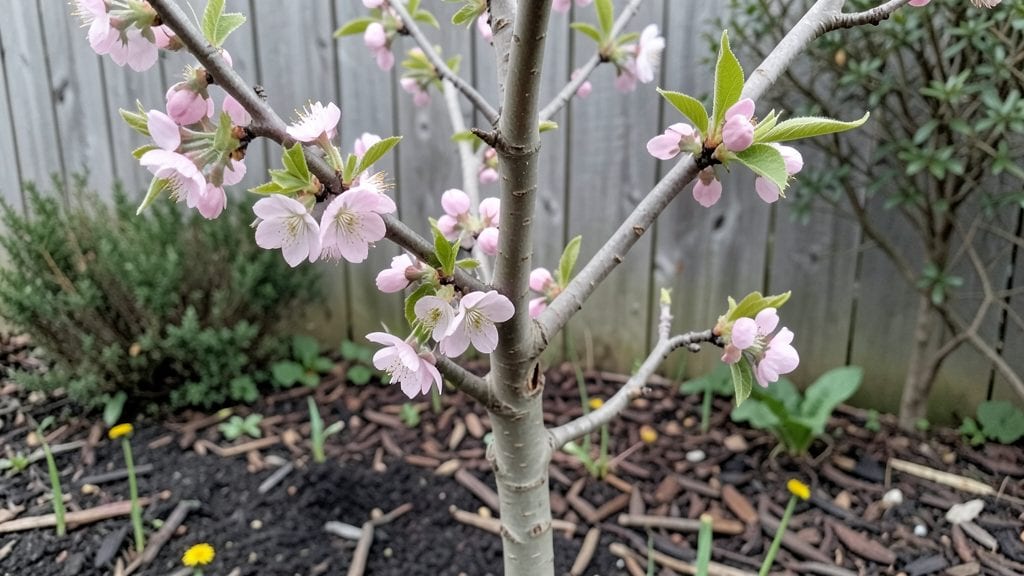
To peach tree grow a garden successfully in the Pacific Northwest, you’ll need frost-resistant varieties—like 'Redhaven' or 'Elberta'—that thrive in cooler climates while delivering sweet, juicy rewards. 🌱 I learned the hard way that standard peach trees wilt under our... late frosts, but these cold-hardy picks thrive even when temperatures dip into the 20s. The secret isn’t just the variety; it’s matching their needs to your garden’s unique conditions.
Start with a sunny spot that gets at least 6-8 hours of sunlight daily, and prepare the soil with a mix of compost and sand to improve drainage—peach trees hate soggy roots.
Plant in early spring after the last frost, spacing saplings 15-20 feet apart to give them room to grow. Water deeply once a week, especially during the first two years, to help roots establish before they start bearing fruit.
Pruning in late winter is your best friend—remove dead branches and thin out crowded growth to keep air circulating. By summer, you’ll see lush green leaves and maybe even a few blossoms, setting the stage for a harvest in 3-5 years.
The payoff? Homegrown peaches so sweet they’ll make your neighbors jealous—and no more store-bought fruit with questionable ripeness.
For long-term success, mulch around the base to retain moisture and protect roots from temperature swings. In the PNW, watch for peach leaf curl, a fungal disease that thrives in wet springs—spraying copper fungicide early prevents it.
With patience and the right care, your tree could fruit for decades, turning your garden into a summer peach paradise.
📚 In This Guide
- What you need
- Instructions
- Tips and common mistakes
- Wrapping up and next steps
What you need
- ● Peach tree sapling: Choose a frost-hardy variety (e.g., 'Redhaven,' 'Elberta,' or 'Contender') from a local nursery. Size: 1- to 3-gallon container or bare-root.
- ● Shovel or trowel: For planting and soil prep.
- ● Garden gloves: To protect your hands while digging.
- ● Well-draining soil: Mix 1 part compost with 2 parts native soil (or use a peach tree-specific potting mix if container-grown).
- ● Organic mulch: 3–4 inches of wood chips or straw to retain moisture and protect roots.
- ● Watering can or hose: With a gentle spray nozzle for post-planting hydration.
- ● Fertilizer: 10-10-10 balanced fertilizer (apply sparingly—½ cup per tree at planting, then again in spring).
- ○ Tree stakes (optional but helpful): 2–3 stakes (4–6 ft tall) + soft tree ties to support young trees.
- ● Frost cloth or row covers: 50–70% shade cloth to shield blossoms during late frosts (spring!).
- ● Windbreak: Temporary burlap or lattice screen if your garden is exposed to harsh winds.
- ○ Drip irrigation kit (optional): Automates watering and reduces frost risk by keeping soil moist.
Step-by-step guide to planting frost-resistant peach trees in the Pacific Northwest
Here's how I've successfully grown hardy peach varieties that thrive despite our region's chilly nights.
🌱 Step 1: Choose the Right Variety for Cold Climates
Look for Pacific Northwest-specific varieties like 'Redhaven', 'Suncrest', or 'Contender'—these handle 20-25°F temperatures better than most. I always check the USDA hardiness zone rating on the tag; Zone 6-7 varieties are your safest bet for western Washington and Oregon. Avoid traditional southern peaches—they simply won't survive our winters.
The key is selecting trees labeled "low-chill" (around 400-600 hours) since our winters are mild but prolonged. You'll see this information on the nursery tag or website description. I've learned the hard way that standard peach trees need 800+ hours—too many for our climate.
🪴 Step 2: Prepare the Planting Site in Early Spring
Choose a location with full sun (at least 6-8 hours daily) and shelter from cold winds—fences or buildings work well. I dig a planting hole twice as wide as the root ball but only as deep as the container. The top of the root ball should sit 1-2 inches above ground level to prevent water pooling around the trunk.
Amend the native soil with 3-4 inches of compost mixed into the bottom of the hole. Our Pacific Northwest soil tends to be acidic and compacted, so this helps establish strong roots. I always water the hole thoroughly 24 hours before planting—this prevents shock when you first put the tree in.
☀️ Step 3: Plant and Protect Against Late Frosts
Remove the tree from its container and loosen any circling roots gently with your fingers. Place it in the hole so the graft union (the bulge near the base) sits 2-3 inches above soil level. This prevents the tree from growing a weak, vulnerable trunk from the rootstock.
Backfill with native soil (no amendments now) and water deeply to settle everything. After planting, I wrap the trunk with tree guard or burlap to protect against late spring frosts. Our Pacific Northwest has notorious April frosts that can kill blossoms—this simple step saves fruit production.
⏰ Step 4: Water and Mulch for Winter Survival
Water deeply once a week for the first two months, then reduce to every 2-3 weeks once established. Peach trees hate soggy roots but need consistent moisture. I check by sticking my finger 2 inches into the soil—if it's dry, it's time to water.
Apply 3-4 inches of wood chips or straw mulch around the base (keep it 6 inches from the trunk). This insulates roots during winter and prevents soil heaving. In late fall, I mound an extra 6 inches of soil around the base—this protects the graft union from freezing temperatures.
✂️ Step 5: Prune for Cold Hardiness and Fruit Production
Prune in late winter (before buds swell) to remove dead wood and shape the tree. I cut back one-third of last year's growth to encourage strong new shoots. Always make cuts at a 45-degree angle just above an outward-facing bud—this prevents water from pooling and causing rot.
Thin fruit in early summer to 6-8 inches apart—this ensures larger, sweeter peaches and prevents branches from breaking under the weight. Our Pacific Northwest summers are cool enough that peaches won't ripen fully if overloaded. I harvest when they're firm but slightly soft to touch and still green—waiting for full color often means they won't ripen at all.
Tips & tricks for perfectly frost-resistant peach trees in the Pacific Northwest
A few simple secrets that'll help your peach trees thrive in our chilly climate and give you bountiful harvests for years.
Variety Verification: When you bring your tree home, double-check those chill hours—some nurseries round numbers. For example, a tree labeled "500 hours" might actually need 550 in our region. I always call the nursery if the number is close to the 800-hour threshold, because those standard varieties just won't make it through our winters.
Root Ball Preparation: Before planting, soak the root ball in water for 15-20 minutes while you're finishing your hole. This prevents transplant shock and helps roots establish faster. I do this right after digging the hole and while I'm amending the soil with compost—multitasking saves time and keeps everything fresh.
Frost Protection Layering: For that extra 6 inches of soil mound in late fall, use a mix of your native soil and compost (about 50/50). This gives you better insulation than plain soil alone. I also add a thick layer of straw mulch on top—this creates an air pocket that traps heat and protects against sudden temperature drops.
Pruning Timing: If you miss the late winter window for pruning, don't wait until spring—peach trees are particularly vulnerable to silver leaf disease when pruned too late. Instead, do a light shaping in early spring (just remove any dead wood) and plan your full pruning for next winter. The one-third reduction of last year's growth is crucial for maintaining that strong structure we need for cold resistance.
Pro Tips for Peach Tree Grow A Garden
- A few simple secrets that'll help your peach trees thrive in our chilly climate and give you bountiful harvests for years.
- Variety Verification: When you bring your tree home, double-check those chill hours—some nurseries round numbers.
- Root Ball Preparation: Before planting, soak the root ball in water for 15-20 minutes while you're finishing your hole.
Frequently asked questions
Got questions about growing peach trees in your Pacific Northwest garden?
You’re not alone! Here are answers to the most common concerns—from frost worries to harvest tips—so you can grow peaches like a pro.
Which peach tree varieties are best for the Pacific Northwest’s cold winters?
Opt for frost-resistant varieties like ‘Reliance,’ ‘Contender,’ or ‘Redhaven.’ These can handle temps down to 0°F (-18°C) and thrive in PNW’s wetter climates. Dwarf varieties (e.g., ‘Bonanza’) are also great for small gardens—just ensure they’re grafted for cold hardiness.
How do I protect my peach tree from late frosts?
Late frosts (common in PNW spring) can damage blossoms. Use frost cloth or row covers during critical bloom times (check your local frost dates!). Avoid overhead watering before frost—wet blossoms freeze faster. Pro tip: Plant trees in sheltered microclimates (e.g., near south-facing walls).
When should I prune my peach tree in the Pacific Northwest?
Prune late winter or early spring (before buds swell) to shape the tree and remove dead wood. Never prune in fall—it invites fungal diseases in PNW’s damp conditions. Focus on open-center growth to improve airflow and fruit access.
Why aren’t my peach tree fruits ripening evenly?
Uneven ripening often stems from poor pollination (common in wet PNW springs) or inconsistent sunlight. Plant a second variety nearby for cross-pollination, and ensure your tree gets 6+ hours of sun daily. Thin fruits early to reduce competition for nutrients.
Can I grow peaches in containers in the PNW?
Yes! Dwarf varieties (like ‘Bonanza’) thrive in 20+ gallon containers with well-draining soil. Use a fast-draining mix (e.g., 60% soil, 30% compost, 10% perlite) and move pots to a sunny, sheltered spot in winter. Containers dry out faster—water deeply 2–3 times weekly in summer.
What should I do if my peach tree leaves turn yellow?
Yellow leaves usually signal nutrient deficiency (often iron or nitrogen) or overwatering. Test your soil—PNW’s acidic soils may need lime. Adjust watering (peaches hate soggy roots) and fertilize with a balanced 10-10-10 or citrus-specific blend in early spring. Fungal issues? Prune affected areas and avoid wetting foliage.
Wrapping up and next steps
Growing a peach tree in your Pacific Northwest garden is totally doable—especially with frost-resistant varieties like Redhaven or Suncrest! With the right soil prep, pruning know-how, and a little patience, you’ll soon be harvesting juicy, homegrown peaches. 🌱
Ready to take the next step? Start by selecting your tree and marking your planting spot—then dig in! Whether you’re a first-time gardener or a seasoned pro, every peach tree begins with a single seed (or sapling). What are you waiting for? Your orchard adventure starts now!