
Propagation
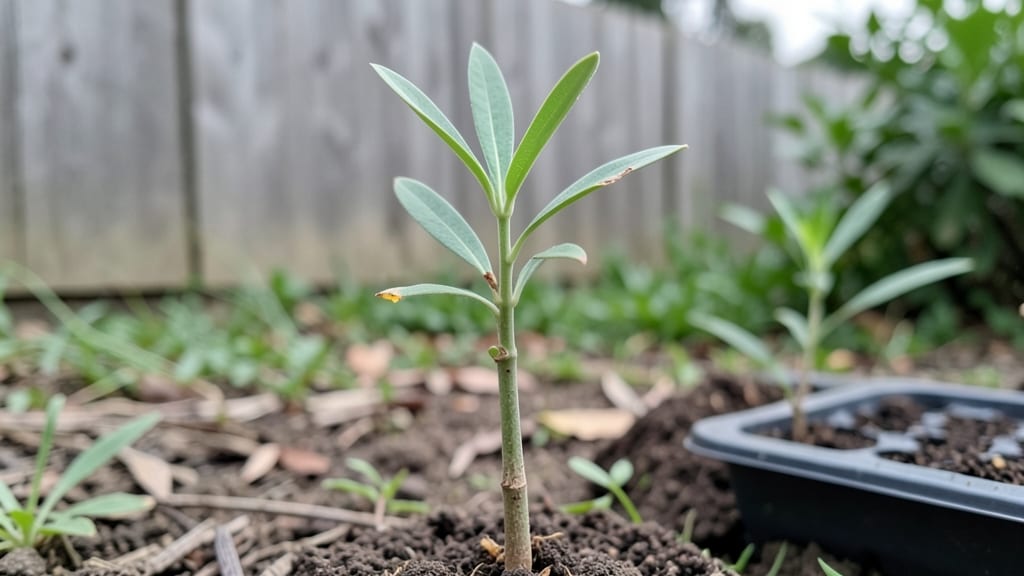
Growing gum trees from seed unlocks the secret to fast, reliable starts that outpace nursery saplings. 🌱 The key lies in breaking dormancy—whether through scarification or a warm-water soak—before the seeds even touch soil.
My first batch took three weeks to crack the shell, but once they did, the seedlings shot up faster than anything I’d ever grown.
You’ll need just a few supplies: fresh eucalyptus seeds (harvested when capsules turn brown), a shallow tray, damp paper towels, and a sunny windowsill or grow light. The process feels delicate, but gum tree seeds are tougher than they look—once you mimic their native climate triggers, germination becomes predictable.
Even in cooler zones, these tricks work with a little patience.
What you end up with are sturdy, dark-green seedlings that outgrow common problems like damping-off or slow starts. By month three, you’ll have 12-inch trees ready for transplanting, their glossy leaves already smelling like a summer forest.
The best part? These aren’t just fast—they’re resilient, handling drought and poor soil better than many nursery plants.
Whether you’re in Zone 7 or 10, the same principles apply: start indoors in early spring, harden off before summer, and watch them thrive. Here’s how to make it happen without the guesswork.
📚 In This Guide
- What you need
- Instructions
- Tips and common mistakes
- Wrapping up and next steps
What you need
- ● Gum tree seeds: Fresh, viable seeds (collect from mature trees or purchase from a reputable supplier). Aim for at least 10-20 seeds to increase germination success.
- ● Seed-raising mix: A lightweight, sterile mix (e.g., 50% coconut coir + 50% perlite or vermiculite). Avoid garden soil—it’s too dense!
- ● Seed trays or small pots: Shallow containers (3-4 inches deep) with drainage holes. 1-2 trays should suffice for 20 seeds.
- ● Plastic wrap or humidity dome: To retain moisture during germination (a clear plastic bag or a DIY cover works too!).
- ● Spray bottle: For gentle watering—no forceful streams! A 16-oz bottle is perfect.
- ○ Heat mat (optional but helpful): A seedling heat mat (70-85°F) speeds up germination, especially for slower starters.
- ● Grow lights or sunny windowsill: A full-spectrum LED grow light (or a south-facing window) ensures strong, healthy seedlings.
- ● Tweezers or toothpick: For carefully placing tiny seeds into the mix.
- ● Fertilizer (low-dose): A balanced liquid fertilizer (5-5-5 or 10-10-10) once seedlings sprout (dilute to half-strength!).
- ● Pruning shears: For trimming leggy seedlings later (sterilize with rubbing alcohol).
- ○ pH meter (optional): To check soil acidity—gum trees prefer slightly acidic to neutral (6.0-7.0 pH).
Step-by-step instructions for germinating gum tree seeds
Here’s how I’ve cracked the code on fast, reliable gum tree starts—no more waiting months for stubborn seeds.
🌱 Step 1: Harvest and Prepare the Seeds Properly
Gum tree seeds need a fresh start. Collect them straight from mature capsules—never use dried or stored seeds, as they lose viability quickly. Once you have them, soak the seeds in lukewarm water for 24 hours to soften the hard outer shell. This mimics natural rainfall and speeds up germination by breaking dormancy.
After soaking, place the seeds between damp paper towels or a clean cloth. Fold them so the seeds are snug but not crushed, then seal the bundle in a plastic bag. Store this setup in a warm, dark place (around 70-75°F) for 3-5 days. Check daily—when the seeds begin to split slightly, they’re ready for planting. This step is critical: skipping it means waiting weeks longer for germination.
💧 Step 2: Plant in a Light, Well-Draining Mix
Fill small pots (about 3-4 inches deep) with a light, fast-draining mix—I blend 50% peat moss and 50% perlite for gum trees. This prevents root rot, which is their biggest enemy. Press the mix down gently but don’t compact it; gum tree roots need air to breathe. Plant the pre-soaked seeds ½ inch deep, spacing them 1 inch apart in the pot.
Water lightly with a spray bottle until the soil feels evenly moist but not soggy. Gum tree seeds hate sitting in waterlogged soil. Place the pots in a warm, shaded spot (like under a grow light or in a bright bathroom) where the temperature stays consistent at 70-75°F. Avoid cold drafts or sudden temperature swings—they’ll stall germination completely.
☀️ Step 3: Provide Humidity and Monitor for Sprouts
Cover the pots with clear plastic wrap or a humidity dome to trap moisture. Gum tree seeds thrive in high humidity (80% or higher), which mimics their native tropical environment. Check the soil daily—mist lightly if the surface feels dry to the touch. Condensation on the plastic is a good sign; if it disappears, re-mist immediately.
Germination can take 2-4 weeks, but don’t be surprised if the first sprouts appear in just 10 days if conditions are perfect. You’ll know it’s happening when tiny green shoots push through the soil. Once you see 50% of seeds sprouted, remove the plastic wrap immediately to prevent fungal growth. At this stage, seedlings are fragile—avoid moving them until they have 2-3 true leaves (not just the first seed leaves).
✂️ Step 4: Transplant and Harden Off for Outdoor Success
When seedlings reach 3-4 inches tall and have 4-5 true leaves, it’s time to transplant them into individual 6-inch pots filled with a well-draining potting mix. Handle them gently—gum tree roots are delicate and can break easily. Water thoroughly after transplanting to settle the soil around the roots, but avoid drowning them.
Start hardening off the seedlings by placing them outside in partial shade for 1-2 hours the first day. Gradually increase their outdoor time over 10-14 days, moving them to morning sun before bringing them back inside. This slow acclimation prevents shock. Once they tolerate full sun for a full day without wilting, they’re ready for their permanent outdoor home.
Tips & tricks for fast gum tree germination
These pro tips will help you bypass the months-long wait and get those gum tree seeds sprouting in record time.
Soaking Secret: The 24-hour soak in lukewarm water is your germination game-changer. I've found that using distilled water instead of tap can prevent mineral buildup that might inhibit germination. After soaking, give the seeds a quick rinse to remove any residue—this keeps their shells from sticking to the paper towels during the 3-5 day stratification period.
Temperature Precision: Maintaining that 70-75°F range is crucial, but don't just guess—use an indoor thermometer if needed. I've seen germination rates drop by 50% when temps fluctuate below 70°F. For extra reliability, place your seed setup on top of a refrigerator (not inside) where it stays consistently warm without overheating. The dark environment helps too—cover with a box if your space gets too much light.
Humidity Hack: When you cover the pots with plastic wrap in Step 3, create a small air hole in the wrap to prevent condensation from sitting on the seeds. I've learned this the hard way—too much moisture can cause fungal issues before sprouts even appear. Aim for that 80% humidity, but don't let water pool on the soil surface. A spray bottle with a fine mist setting works better than heavy watering for maintaining moisture levels.
Transplant Timing: Wait until you see those 2-3 true leaves before transplanting—this means the seedling has developed a strong root system. I've made the mistake of transplanting too early, which led to shock and stunted growth. When you do transplant into 6-inch pots, water thoroughly but let excess drain completely before placing back in your warm spot. This prevents the delicate roots from sitting in soggy conditions.
Pro Tips for Growing Gum Trees From Seed
- These pro tips will help you bypass the months-long wait and get those gum tree seeds sprouting in record time.
- Soaking Secret: The 24-hour soak in lukewarm water is your germination game-changer.
- Temperature Precision: Maintaining that 70-75°F range is crucial, but don't just guess—use an indoor thermometer if needed.
Frequently asked questions
Got questions about growing gum trees from seed?
You’re not alone—this process can feel tricky at first! Below, we’ve rounded up the most common queries to help you navigate germination, care, and troubleshooting like a pro.
How long does it take for gum tree seeds to germinate?
Gum tree seeds can take anywhere from 2 weeks to 6 months to germinate, depending on the species and conditions. Eucalyptus seeds often need scarification (scratching the seed coat) or stratification (cold treatment) to break dormancy. Patience is key—keep soil moist and warm (70–80°F) to speed things up!
Do I need to cold-stratify gum tree seeds?
Not always! While some species (like Eucalyptus regnans) benefit from 2–3 months of cold stratification (placing seeds in a damp paper towel in the fridge), others germinate faster without it. Test a few seeds with and without stratification to see what works best for your variety. Pro tip: Soak seeds in warm water for 24 hours before planting to soften the shell.
What’s the best soil mix for germinating gum tree seeds?
Use a light, well-draining mix like:
- 50% peat moss or coco coir (for moisture retention)
- 30% perlite or coarse sand (for drainage)
- 20% compost or worm castings (for nutrients)
Avoid heavy clay—gum tree seeds rot quickly in soggy soil. Sterilize your mix to prevent fungal issues. Bonus: Add a thin layer of vermiculite on top to retain humidity without suffocating seeds.
Why aren’t my gum tree seeds sprouting?
Common culprits include:
- Improper scarification: If seeds aren’t scratched or soaked, they may never break dormancy.
- Temperature issues: Too cold (<60°F) or too hot (>90°F) can stall germination.
- Poor moisture: Keep soil consistently damp (not waterlogged).
- Old seeds: Gum tree seeds lose viability over time—use fresh seeds when possible.
Try replanting seeds after scarification or adjusting humidity with a clear plastic dome.
Can I grow gum trees from seed indoors, or do they need outdoor space?
Yes! Start seeds indoors in small pots (2–3 inches deep) under grow lights (12–14 hours/day) to prevent leggy seedlings. Once seedlings have 2–3 true leaves and are 6+ inches tall, transplant them outdoors in spring or fall (avoid frost). Gum trees thrive in full sun, so choose a bright spot with well-draining soil.
Wrapping up and next steps
Growing gum trees from seed is a rewarding journey that blends patience with the thrill of nurturing life from scratch. 🌱 With the right germination tricks, a nurturing environment, and a dash of persistence, you’ll soon be watching those tiny seeds transform into sturdy saplings.
Whether you’re a beginner or a seasoned gardener, every seed you plant is a step toward a greener, healthier landscape.
Ready to take the next step? Start by planting your pre-germinated seeds in well-draining soil and give them the care they need. Before you know it, you’ll be enjoying the shade—and maybe even the iconic eucalyptus scent—of your very own gum trees! 🌳