
Blooming
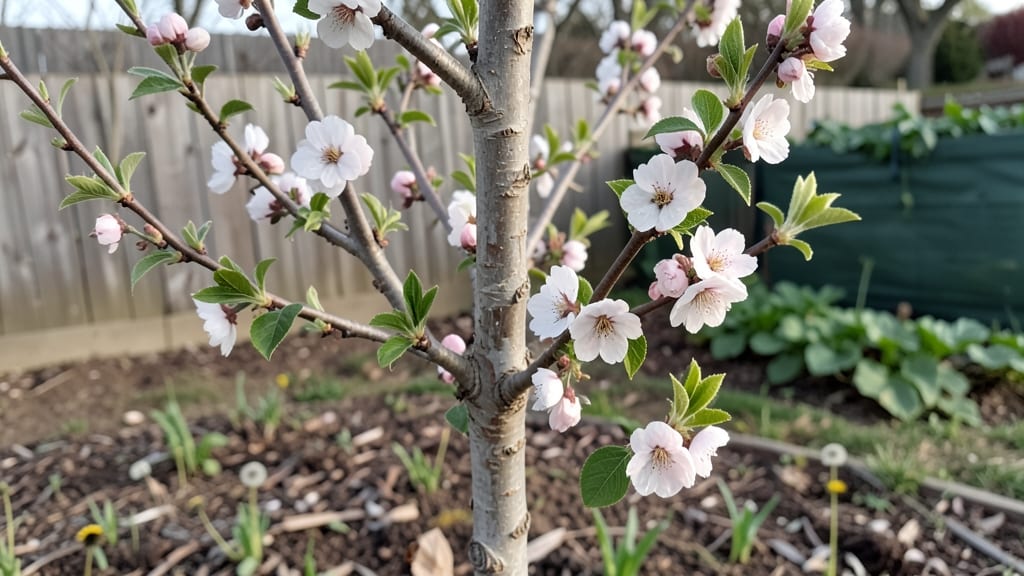
The peach tree blossom time in the Pacific Northwest arrives between late April and mid-May—just when frost still lingers like a stubborn guest. 🌸 I’ve watched my own tree fight off late-season cold snaps for years, and the secret isn’t luck, but timing: choosing the right variety and preparing the tree before buds even swell.
The difference between a frost-wrecked blossom and a fruit-loaded branch comes down to three things: picking early-blooming varieties like ‘Redhaven’ or ‘Elberta,’ pruning in late winter to open airflow, and having frost cloth ready by March.
Most gardeners overlook the soil prep—warm roots bloom earlier, so mulch heavily in fall to give them a head start.
When it works, the payoff is stunning: fragrant blossoms that attract bees for weeks, followed by juicy peaches by summer. The key is watching the forecast and acting fast—if frost warnings pop up, cover trees at dusk and uncover at dawn.
Even a single night below 28°F can turn blossoms to mush, but with these tricks, you’ll maximize your tree’s chances.
This timing also means spring cleaning: remove winter mulch, check for peach tree borers, and thin crowded branches to let sunlight reach the center. The early bloomers reward patience with earlier fruit, while late varieties like ‘June Gold’ play it safer for frost-prone areas.
Either way, your tree’s spring show will be the neighborhood’s envy.
📚 In This Guide
- What you need
- Instructions
- Tips and common mistakes
- Wrapping up and next steps
What you need
- ● Camera or smartphone: A DSLR or mirrorless camera with a wide-angle lens (16-35mm) for sweeping shots, or a high-quality smartphone with a 4K video capability.
- ● Tripod: A lightweight, sturdy tripod (e.g., Manfrotto Pixi or Joby GorillaPod) for steady shots during windy days.
- ● External flash or reflector: A portable flash (e.g., Neewer 660) or a 5-in-1 reflector to brighten blossoms without harsh shadows.
- ● Lens cleaning kit: Microfiber cloths and a blower brush to keep lenses dust-free near blooming trees.
- ● Notebook & pen: For jotting down tree locations, bloom stages, or lighting notes.
- ● Drone (with FAA compliance): A DJI Mini 2 or similar for aerial shots (check local park regulations first!)
- ● Polarizing filter: Reduces glare from reflections on wet blossoms or nearby water.
- ● Portable battery pack: A 20,000mAh power bank for long shoots in remote orchards.
- ● Weatherproof gear: A light rain jacket and waterproof shoe covers—PNW spring is unpredictable!
- ● Local orchard map: Printed or digital (e.g., Washington State Department of Agriculture resources) to track peak bloom dates.
How to extend peach tree blossom time in the Pacific Northwest
Here's how to protect those delicate blooms and maximize your tree's fruit potential.
🌱 Step 1: Time Your Frost Protection Prep
Start watching the forecast 2-3 weeks before your region's average last frost date. In the Pacific Northwest, that typically falls between late April and early May, depending on elevation. I mark my calendar for when nighttime temperatures dip below 32°F—that's when peach blossoms become vulnerable. Gather your frost protection supplies early so you're ready to act fast when cold snaps hit.
Peach trees bloom early in spring, often before the danger of frost has passed. The key is being proactive: if you wait until the night before a freeze, you'll be scrambling. I like to set up my frost protection system the moment temperatures are forecasted to drop below 38°F—this gives the tree a head start on stress reduction.
☀️ Step 2: Apply Strategic Frost Protection
For light freezes (28-32°F), use row covers or frost cloths draped over the tree. Secure them loosely at the base with bricks or stakes so they don't touch the branches. You'll want 3-4 feet of coverage above the tree to trap enough heat. I've found that covering just the blossoms isn't enough—the entire canopy needs protection to maintain warmth.
For harder freezes (below 28°F), switch to smudge pots or tree wraps. Place smudge pots near the tree's base and light them with cotton wicks soaked in diesel fuel. The smoke creates a protective layer that raises temperatures slightly. If using tree wraps, apply them 2-3 days before the freeze—this gives the tree time to adjust to the insulation.
💧 Step 3: Water Strategically Before and After Freezes
Water the tree deeply 2-3 days before a freeze is expected. The soil releases moisture slowly, which helps moderate temperature swings. Aim for 1-2 inches of water per application, soaking the root zone to 12 inches deep. Wet soil holds more heat than dry soil, creating a natural insulating layer. I always water in the late afternoon so the ground has time to absorb moisture before evening temperatures drop.
After a freeze, check for water stress. If the tree looks wilted or the bark feels dry, give it another deep watering. Peach trees are particularly sensitive to post-freeze dehydration. You'll know you've watered enough when the soil feels damp 6 inches down—that's the sweet spot for recovery.
✂️ Step 4: Monitor and Adjust Protection Daily
Check your frost protection setup every morning at dawn. If temperatures are rising above 40°F by mid-morning, you can remove covers gradually. Start by uncovering the top half first, then wait 1-2 hours before removing the rest. This sudden shift can shock blossoms that have already warmed up. I've seen trees with half their blooms damaged because I removed covers too quickly.
Watch for signs of frost damage: dark, mushy blossoms or leaves that feel mushy when touched. If you see this, prune affected branches immediately with clean, sharp shears. Don't wait—damaged tissue spreads quickly. You'll also want to monitor the tree for signs of stress like wilting or yellowing leaves, which may indicate deeper damage.
🌿 Step 5: Support Post-Blossom Recovery
Once the frost danger has passed, focus on recovery. Apply a balanced fertilizer (10-10-10) around the tree's dripline to support new growth. Peach trees need extra nutrients after stress, especially if many blossoms were lost. Water deeply again to help the tree establish new roots and leaves. You'll see new growth within 2-3 weeks if the tree is healthy.
Thin any remaining fruit to 6-8 inches apart once they're the size of a marble. This ensures the tree can support the remaining fruit without overburdening itself. You'll know you've thinned properly when you can see sunlight reaching the center of the canopy—this prevents disease and encourages larger, sweeter fruit.
Tips & tricks for perfect peach tree blossom protection
These practical strategies will help you safeguard your peach tree's delicate blossoms and set the stage for a bountiful harvest.
Forecast Timing: I can't stress enough how important those 2-3 weeks before the forecasted last frost date are. Set up calendar reminders for when temperatures drop below 38°F—this gives you that crucial head start. I've seen neighbors scramble on the night before a freeze, only to have their blossoms damaged because they weren't ready. The secret is being proactive, not reactive.
Layered Protection Strategy: For light freezes (28-32°F), I always use row covers with 3-4 feet of coverage—that's the magic number for trapping enough heat. The key is securing them loosely so they don't touch the branches, which can cause physical damage. For harder freezes, combine smudge pots with tree wraps for maximum protection. I've found that smudge pots work best when placed near the tree's base, creating that protective smoke layer that can raise temperatures just enough to make the difference.
Watering Wisdom: When you water 2-3 days before a freeze, aim for that 1-2 inches of water and soak the soil to 12 inches deep. The late afternoon timing is crucial—this gives the ground time to absorb moisture before evening temperatures drop. After a freeze, check for water stress by feeling the bark. If it feels dry, give it another deep watering until the soil is damp 6 inches down. This simple check can save your tree from post-freeze dehydration.
Recovery Boost: Once frost danger has passed, don't skip the 10-10-10 balanced fertilizer application around the dripline. I've seen trees that lost many blossoms bounce back beautifully with this extra nutrient support. And remember that 2-3 weeks for new growth—patience is key during this recovery period. The fruit thinning step is often overlooked, but spacing remaining fruit 6-8 inches apart ensures each peach gets the sunlight and nutrients it needs to grow sweet and large.
Pro Tips for Peach Tree Blossom Time
- These practical strategies will help you safeguard your peach tree's delicate blossoms and set the stage for a bountiful harvest.
- Forecast Timing: I can't stress enough how important those 2-3 weeks before the forecasted last frost date are.
- Layered Protection Strategy: For light freezes (28-32°F), I always use row covers with 3-4 feet of coverage—that's the magic number for trapping enough heat.
Frequently asked questions
Got questions about peach tree blossoms in the Pacific Northwest? You’re not alone! Here are some of the most common queries—plus quick answers to help you make the most of this stunning spring display.
When is peach tree blossom time in the PNW?
The Pacific Northwest’s peach tree blossoms typically peak in late April to early May, but timing varies by region. Warmer microclimates (like the Willamette Valley) may bloom a week earlier, while cooler areas (like the Cascades foothills) could see delays. Check local frost dates—late frosts can damage blooms, so keep an eye on forecasts!
How do I attract more bees and pollinators to my peach tree?
Peach trees rely on bees for pollination! Plant native pollinator-friendly flowers nearby (like lavender or clover) and avoid pesticides during bloom. Leave some “wild” areas in your yard—bees love untamed patches of flowers and weeds. A shallow water source (like a birdbath with pebbles) also helps!
Are peach trees frost-resistant? How can I protect them?
While some PNW peach varieties (like ‘Redhaven’ or ‘Elberta’) tolerate light frosts, late spring frosts (below 28°F) can ruin blossoms. Use frost cloth or row covers on chilly nights, or set up smoke pots to create a warming layer. Avoid overhead watering before frost—wet blossoms freeze faster!
Can I eat peaches from trees with frost-damaged blossoms?
Frost-damaged blossoms may still produce small, misshapen fruit, but yields will be lower. If you’re lucky, the tree might rebloom later in summer (though quality varies). Focus on fruit set—if >50% of blossoms survive, you’ll likely get a decent harvest. Patience pays off!
What if my peach tree isn’t blooming? Is it dying?
Not necessarily! Young trees (under 3 years) may take time to bloom. Check for nutrient deficiencies (yellow leaves = nitrogen; purple stems = phosphorus). Prune in late winter to improve airflow, and ensure it gets 6+ hours of sun. If no blooms after 5 years, consult a local nursery—it might need rejuvenation pruning.
Still curious? Drop your peach tree blossom questions in the comments—we’re happy to help!
Wrapping up and next steps
Peach tree blossom time in the Pacific Northwest is a fleeting yet magical moment—one that rewards patience, preparation, and a love for nature’s beauty. 🌸 Whether you’re a seasoned gardener or a curious beginner, embracing frost-resistant varieties and timing your care right can turn your spring into a burst of color and sweet promise.
Now’s the perfect time to plant, prune, or simply admire the blossoms while they last.
Ready to make the most of this season? Start by marking your calendar for next year’s blooms—or better yet, visit a local nursery to pick out your own frost-resistant peach tree today! 🌱