
Light Requirements
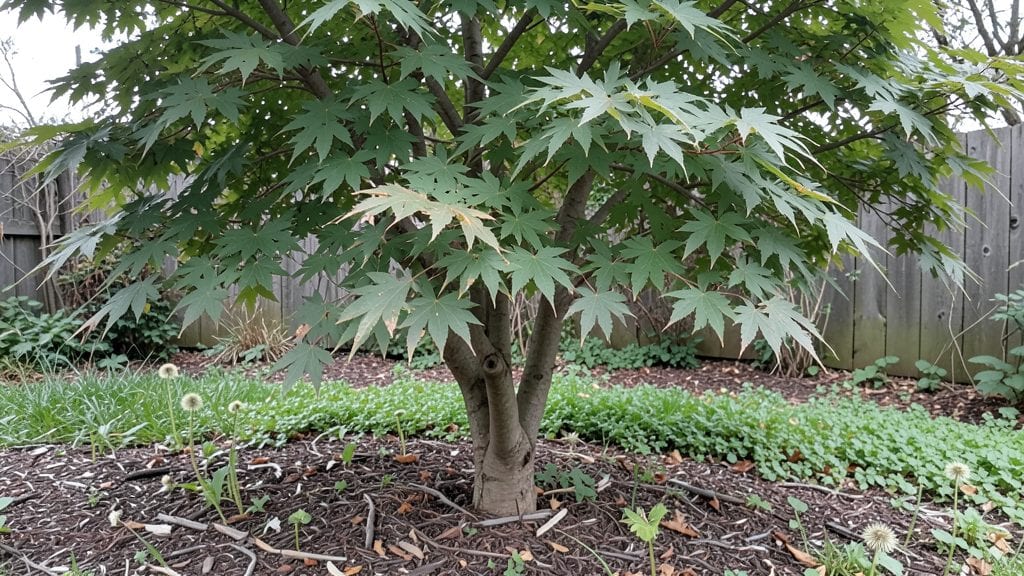
Part shade trees in the Pacific Northwest don’t just survive—they thrive while turning your garden into a buzzing pollinator paradise. 🌿 I’ve planted enough of these shade-loving giants to know which ones bring year-round beauty with almost no fuss, from the delicate blooms of dogwoods in spring to the fiery fall colors of serviceberry.
These trees handle the region’s damp, mild summers and cool, wet winters like pros, giving you shade without the high-maintenance drama of sun-loving species.
The best part? They’re the ultimate multitaskers. A well-placed dogwood or azalea provides dappled shade for perennials below while feeding bees, butterflies, and birds throughout the seasons.
I’ve seen hummingbirds hovering over azaleas in May and robins feasting on serviceberry berries in September—all while my garden stays cooler and more comfortable. These trees also play nicely with other plants, so you can layer them with ferns, hostas, and shade-tolerant perennials for a lush, layered look.
You’ll end up with a garden that feels alive all year—spring blooms, summer shade, autumn color, and winter structure. The key is choosing the right species for your specific light conditions (think 3–6 hours of direct sun) and giving them space to grow without competing with nearby plants.
With minimal pruning and no special soil prep, these trees reward you with decades of beauty and ecosystem support. Let’s pick the perfect ones for your space.
Whether you’re filling a backyard corner, softening a fence line, or creating a pollinator-friendly buffer, these trees deliver big impact with minimal effort. I’ll share my top picks and how to pair them with companion plants for a cohesive, low-stress landscape that works as hard as it looks.
📚 In This Guide
- What you need
- Instructions
- Tips and common mistakes
- Wrapping up and next steps
What you need
- ● Part shade trees: Choose from native or adapted species like Amelanchier alnifolia (Saskatoon berry), Cornus nuttallii (Pacific dogwood), or Magnolia macrophylla. Quantity: 1–3 trees, depending on spacing (15–25 ft apart).
- ● High-quality soil: Native topsoil or a mix of 50% topsoil, 30% compost, and 20% perlite (1–2 cubic yards per tree).
- ● Mulch: 3–4 inches of organic mulch (wood chips or bark) to retain moisture and suppress weeds.
- ● Shovel & spade: For digging planting holes (12–18 inches wide and deep).
- ● Garden hose or watering can: With a gentle spray nozzle for post-planting hydration.
- ○ Tree stakes & ties (optional but helpful): For young trees in windy areas.
- ● Soil test kit: To check pH and nutrient levels (PNW soil is often acidic; aim for 5.0–7.0).
- ● Slow-release fertilizer: Balanced 10-10-10 or organic options like fish emulsion.
- ● Drip irrigation system: For consistent moisture in dry spells.
- ● Pruning shears: For shaping or removing dead branches post-planting.
- ● Wildlife-friendly additions: Native ground cover (e.g., Symphyotrichum) or a small water feature to attract pollinators.
Step-by-Step guide to planting Pacific Northwest part shade trees
Here's how to establish four thriving part shade trees that support pollinators while thriving in your PNW garden.
🪴 Step 1: Choose the Right Trees for Your Site
Select four trees that thrive in part shade (3-6 hours of sunlight daily) and suit your PNW climate. My top picks are Pacific Dogwood (Cornus nuttallii), Oregon Grape (Mahonia aquifolium), Vine Maple (Acer circinatum), and Red Elderberry (Sambucus racemosa)—all pollinator magnets. Check each tree's mature size to ensure they won't overcrowd as they grow.
Dig a hole for each tree that's twice as wide as the root ball but no deeper. Loosen the sides of the hole with a shovel to create a natural transition zone between native soil and planting mix. The goal is to encourage roots to spread outward rather than settle in a tight pocket. I like to work in late fall or early spring when the ground is workable but not frozen.
🌱 Step 2: Prepare the Planting Hole and Amend Soil
Fill the bottom of each hole with 2-3 inches of compost mixed with native soil to improve drainage and fertility. This layer helps roots establish without sitting in compacted earth. For clay-heavy PNW soils, I add a handful of perlite to each hole to prevent waterlogging—critical for young roots.
Gently remove each tree from its container and loosen any circling roots with your fingers. Place the tree in the hole so the top of the root ball sits level with the surrounding soil. Don't bury the trunk too deeply, or you'll suffocate the base. Use a level to check alignment—crooked trees grow unevenly and may lean.
💧 Step 3: Plant and Water Deeply
Backfill the hole with the native soil and compost mix, tamping down lightly every 2 inches to eliminate air pockets. Water each tree deeply until the soil settles and moisture reaches 6 inches down. You'll see the soil surface darken slightly—this confirms proper saturation without runoff.
Create a 2-inch-high berm of soil around each tree's base to direct water toward the roots during rain. Mulch with 3-4 inches of wood chips, keeping the mulch 6 inches away from the trunk to prevent rot. Water again after mulching to settle everything in place. This setup mimics the natural forest floor and reduces maintenance.
☀️ Step 4: Provide Care During Establishment
Water each tree once a week for the first two months, then taper to every 2-3 weeks once leaves appear. PNW's mild winters mean trees can stay in the ground year-round, but young plants need consistent moisture. You'll know you're watering correctly when the soil feels damp 2 inches down but not soggy.
Fertilize lightly in early spring with a balanced organic fertilizer (10-10-10 ratio). Too much nitrogen early on encourages leafy growth at the expense of root development. Prune only to remove dead or crossing branches—never shape young trees. Let them grow naturally for the first 3-5 years to build strong structure.
⏰ Step 5: Monitor for Pollinator Activity
Watch for bees, butterflies, and hummingbirds within 2-3 weeks of planting. Pacific Dogwood's spring blooms and Elderberry's summer flowers are irresistible to pollinators. If you notice fewer visitors, add a small water source (like a shallow dish with rocks) nearby—hydration attracts more wildlife.
After the first year, your trees will need minimal care. Just mulch annually and water during droughts. These trees reward patience with decades of low-maintenance beauty and biodiversity. Real talk: The first few years are the hardest, but once established, they'll thrive with almost no effort.
Tips & tricks for perfect part shade trees planting
Planting the right trees in your Pacific Northwest garden can transform your space into a thriving pollinator haven—here's how to set yourself up for success from the start.
Site Selection Secret: When choosing your planting spots, pay attention to how sunlight shifts throughout the day. The 3-6 hours of sunlight requirement means morning sun with afternoon shade works perfectly for these trees. I always scout locations in late afternoon when shadows are longest—this helps me visualize how light will change over time. Also, avoid low spots where cold air settles in winter, as these trees prefer consistent moisture without waterlogging.
Root Ball Technique: Before planting, soak the root ball of each tree for 10-15 minutes to hydrate the roots thoroughly. This pre-watering gives you a better chance to settle the tree properly without worrying about immediate water needs. When loosening circling roots in Step 2, be gentle—you're not trying to remove all roots, just the most compacted ones. Think of it like untangling headphones: just enough to create space for new growth.
Soil Mix Hack: For the 2-3 inches of compost at the bottom of each hole, I like to mix in a handful of worm castings if available. They add beneficial microbes that help young roots establish faster. If you're working with heavy clay soil, consider adding 1 part perlite to 3 parts compost mix—this improves drainage while still providing nutrients. The key is creating a loose, airy environment that encourages roots to spread outward rather than stay compacted.
Watering Wisdom: That 6 inches down moisture check in Step 3 is crucial—it ensures water reaches the root zone where new growth will happen. I use a long screwdriver to check moisture levels after watering. If it comes out dry, water again until it feels damp but not soggy. The 2-inch berm you create around each tree's base is a game-changer—it naturally directs rainwater toward the roots during those first critical months.
Pro Tips for Part Shade Trees
- Planting the right trees in your Pacific Northwest garden can transform your space into a thriving pollinator haven—here's how to set yourself up for success from the start.
- Site Selection Secret: When choosing your planting spots, pay attention to how sunlight shifts throughout the day.
- Root Ball Technique: Before planting, soak the root ball of each tree for 10-15 minutes to hydrate the roots thoroughly.
Frequently asked questions
Got questions about part shade trees in the Pacific Northwest? You’re not alone! Here are answers to the most common queries to help you choose and care for these pollinator-friendly beauties.
What’s the difference between part shade and full shade trees?
Part shade means 3–6 hours of sunlight daily (often dappled light), while full shade gets little to no direct sun. Part shade trees thrive in spots like under overhangs or near taller trees, where full shade trees might struggle. For PNW gardens, part shade trees balance growth and resilience without competing for light.
Which part shade trees are best for attracting pollinators?
Top picks for the PNW include Oregon grape (Mahonia aquifolium), Pacific dogwood (Cornus nuttallii), and salal (Gaultheria shallon). These native trees offer nectar, pollen, and berries year-round, supporting bees, butterflies, and birds—with minimal fuss!
How long does it take for part shade trees to mature?
Most part shade trees grow at a moderate pace. Smaller shrubs (like salal) may mature in 3–5 years, while larger trees (like dogwood) take 10–15 years. Patience pays off—once established, they’re drought-tolerant and low-maintenance.
Do part shade trees need extra care during PNW winters?
Generally, no! Native part shade trees are hardy and adapted to the PNW’s mild, wet winters. However, young trees benefit from mulch (2–3 inches) to protect roots. Avoid heavy pruning in winter—wait until early spring for best results.
What if my part shade tree isn’t thriving?
Check for overwatering (PNW’s rainy climate can drown roots), compacted soil (amend with compost), or pests (like aphids). If leaves yellow, it may need more light—gradually move it to a sunnier spot over time.
Wrapping up and next steps
Part shade trees in the Pacific Northwest aren’t just low-maintenance superstars—they’re pollinator powerhouses that bring beauty, biodiversity, and ease to your garden. 🌿 From the hardy Oregon grape to the elegant Pacific dogwood, these trees thrive with minimal fuss while supporting bees, butterflies, and birds.
Whether you’re a busy homeowner or a nature enthusiast, they’re the perfect way to green your space without the guilt.
Ready to plant the future? Start small—research one of these resilient species, check local nurseries, and take the first step this season. Your yard (and the pollinators!) will thank you. 🌱