
Pruning
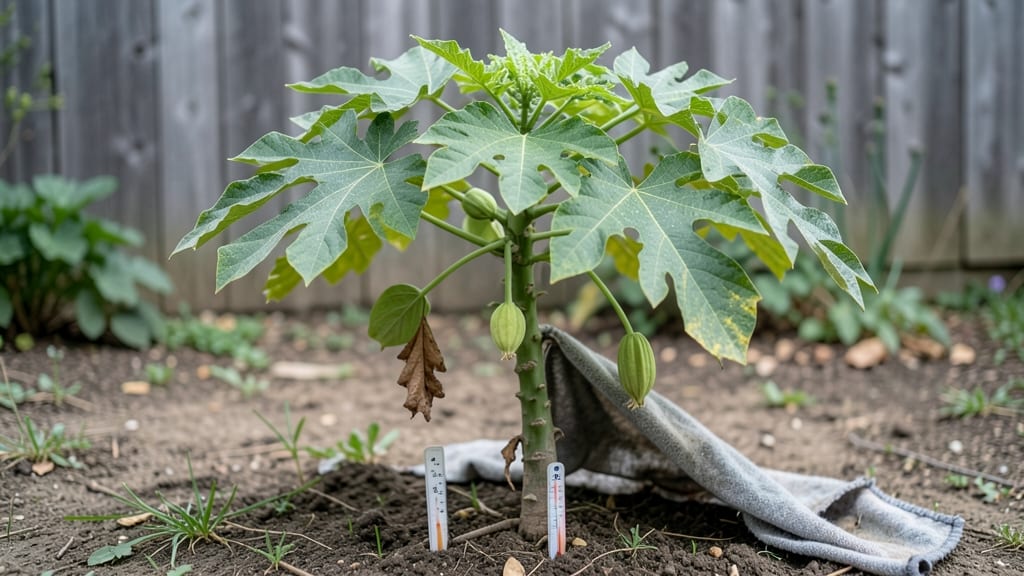
Understanding your papaya tree’s cold tolerance is the first step to saving it when temperatures dip—anything below 50°F sends them into shock—but I’ve learned how to keep them alive through cold snaps with simple tricks. 🌱 The key is treating them like tropical divas who need a cozy indoor retreat when temperatures dip.
My first winter with papayas ended in sad, brown leaves, but now I’ve got a system that works: move them inside before the first chill, protect the roots, and bring them back outside only when nighttime temps stay above 55°F.
You don’t need a greenhouse or fancy equipment—just a 5-gallon container, some mulch, and a sunny windowsill or grow light. Papayas thrive in USDA Zones 10-11, but with containers and careful monitoring, you can grow them as annuals in colder zones.
The secret is gradual acclimatization: start moving them outside for 2-3 hours a day in spring, then extend their time in the sun until they’re full-time residents by summer.
Cold stress shows up as yellowing leaves, wilting, or blackened stems—signs your tree is fighting for its life. After a cold snap, trim any damaged growth and give it bright light and warm water to bounce back.
With the right care, you’ll still get fruit, just maybe not the same sweet, buttery flavor as a tree that’s never known frost. The trade-off? A papaya tree that lives to bear fruit another season.
For those in Zone 8 or below, consider dwarf varieties like ‘SunUp’ or ‘Red Maradol’—they’re more forgiving and produce fruit faster. And if you’re worried about overwintering, a heated propagator or basement with a grow light can keep your tree alive until spring.
The effort pays off when you see those vibrant orange fruits ripening come summer.
📚 In This Guide
- What you need
- Instructions
- Tips and common mistakes
- Wrapping up and next steps
What you need
- ● Papaya tree seedlings or saplings: Choose cold-tolerant varieties like Carica papaya ‘Solo’ or ‘SunUp’ (if available in your region). 1-2 plants per container or in-ground spot.
- ● Well-draining potting mix: 10-15 gallons (for container growing). Mix 50% coconut coir, 30% perlite, and 20% compost for aeration.
- ● Large containers (if not in-ground): 1-2 15-20 gallon pots with drainage holes. Black or dark-colored pots absorb heat better.
- ○ Cold frames or greenhouses: 1-2 low-profile frames (e.g., 3-4 ft tall) with clear plastic or glass panels. Optional but critical for sub-50°F (10°C) temps.
- ● Thermometer: A soil and air thermometer to monitor temps (aim to keep roots above 55°F (13°C)).
- ● Mulch: 3-5 bags of straw or wood chips (3-4 inches deep) to insulate soil.
- ● Pruning shears: Bypass pruners (sterilized with rubbing alcohol) for shaping and removing damaged growth.
- ● Rooting hormone: 1 small tube (e.g., Clonex #3) for propagating cuttings if needed.
- ● Grow lights: 1-2 LED full-spectrum bulbs (for indoor overwintering; 12+ hours of light/day).
- ● Heating mat: A small heat mat (for containers in freezing temps).
- ● Frost cloth: 1 roll of 30-40g breathable frost blanket (for emergency cold snaps).
- ● Humidity dome: A clear plastic tent (for seedlings or cuttings).
- ● Slow-release fertilizer: 1 bag of balanced 10-10-10 (reduce to half-strength in winter).
- ● Support stakes: 2-3 bamboo or metal stakes (if your tree is tall or leggy).
How to protect papaya trees in cold climates
Even tropical papayas can survive chilly seasons with the right preparation—here's how to keep yours thriving.
🌿 Step 1: Choose Cold-Tolerant Varieties
Not all papayas handle cold equally. Look for varieties like 'Solo' or 'SunUp' that can tolerate brief dips to 30°F—though they’ll still need protection below 40°F. Avoid traditional tropical types like 'Hawaiian' unless you’re prepared for year-round indoor growing.
I always check seed packets for cold tolerance ratings. A USDA Zone 10-11 plant won’t survive Zone 8 winters without intervention. Start with certified cold-hardy stock if your climate drops below 50°F regularly.
☀️ Step 2: Extend the Growing Season Strategically
Papayas need 200-300 frost-free days to fruit. In cooler zones, plant in late spring after all danger of frost has passed—typically 2-3 weeks after your last frost date. Use a soil thermometer to confirm ground temps are above 60°F before transplanting.
For a head start, I germinate seeds indoors under grow lights 8 weeks before the last frost. Seedlings need warmth (75-85°F) to thrive—too much chill at this stage stunts growth permanently.
🪴 Step 3: Create Microclimates for Protection
Papayas despise wind and cold drafts. Plant near south-facing walls or fences to create a 10°F warmer microclimate. I’ve seen papayas survive 28°F nights when sheltered this way—far below their official limits.
For extra insulation, build a low tunnel with clear plastic sheeting or frost cloth over the plant. Remove it during the day to prevent overheating, but leave it in place for lows below 40°F. Water the soil before covering to create a thermal buffer.
⏰ Step 4: Gradual Cold Acclimation
Don’t expose papayas to sudden cold. Start hardening off plants 2 weeks before the first frost by moving them outdoors for 2-3 hours daily, gradually increasing exposure. Watch for yellowing leaves—this signals stress, not frost damage.
If temperatures drop unexpectedly, wrap the container (if potted) with bubble wrap and place it in a garage or unheated shed overnight. Papayas recover poorly from freezing roots, so soil protection is critical.
✂️ Step 5: Prune and Mulch for Winter Resilience
Before the first frost, prune back any new growth to 6-8 inches above the soil. This reduces the plant’s energy demands and helps it focus on root protection. Remove all flower buds—they’ll freeze anyway and waste resources.
Apply a 4-inch layer of straw mulch around the base to insulate roots. I also add black plastic mulch on top of the straw to absorb daytime heat and radiate it back at night. This combo can raise soil temps by 5-10°F during cold snaps.
Tips & tricks for perfect papaya tree cold tolerance
Here's what nobody tells you about pushing papayas beyond their tropical comfort zones.
Variety Selection Tip: The 'Solo' and 'SunUp' varieties are your best bets for cooler climates, but don't stop there. Look for seeds labeled "cold-hardy" or check with local nurseries—they often carry regional hybrids that can handle 30°F dips better than standard types. I once had a 'SunUp' papaya survive 28°F nights with proper protection, when standard varieties would have been toast.
Timing Secret: That 8-week indoor germination period isn't just about getting a head start—it's about establishing strong roots before transplanting. Use a heat mat to maintain 75-85°F soil temps during germination, and keep seedlings under grow lights for 14-16 hours daily. Weak seedlings from cold soil won't survive the transition to outdoor conditions, no matter how much you protect them later.
Microclimate Mastery: The 10°F warmer microclimate created by south-facing walls isn't just about temperature—it's about wind protection too. I've seen papayas survive 28°F nights when planted against brick walls because the wall blocks wind chill. For extra protection, add a windbreak made of burlap or straw bales on the north side of your plant.
Pruning Precision: When pruning back to 6-8 inches before frost, focus on removing only the most tender new growth. Leave the older, woody stems intact—they're more cold-resistant. I also make my cuts just above leaf nodes where new growth can emerge in spring. This strategic pruning gives your papaya a fighting chance to regrow after winter.
Pro Tips for Papaya Tree Cold Tolerance
- Here's what nobody tells you about pushing papayas beyond their tropical comfort zones.
- Variety Selection Tip: The 'Solo' and 'SunUp' varieties are your best bets for cooler climates, but don't stop there.
- Timing Secret: That 8-week indoor germination period isn't just about getting a head start—it's about establishing strong roots before transplanting.
Frequently asked questions
Got questions about keeping your papaya tree happy in cooler weather? Here are some of the most common concerns—and their answers—to help you troubleshoot and thrive!
How cold can papaya trees tolerate before they die?
Papaya trees (Carica papaya) are tropical plants and typically struggle when temperatures drop below 50°F (10°C). Prolonged exposure to 40°F (4°C) or colder can cause irreversible damage, including leaf drop, stunted growth, or even death. If frost hits, act fast to protect your tree!
Can I grow papaya trees indoors during winter?
Yes! Moving your papaya tree indoors during winter is a great solution. Place it near a sunny window or under grow lights (12+ hours/day) to mimic tropical conditions. Ensure humidity stays high (use a pebble tray or humidifier) and avoid drafts. Just keep an eye out for pests like spider mites!
What are signs my papaya tree is suffering from cold stress?
Watch for these red flags: yellowing or blackened leaves, wilting, brown spots, or dropping fruit. If the trunk feels mushy or the leaves turn crispy, it’s a sign of severe cold damage. Act quickly by wrapping the tree or relocating it to a warmer spot.
Are there cold-hardy papaya varieties?
Most papaya varieties are tropical, but some hybrids (like Carica pentagona) show slightly better cold resistance—though they still prefer warmth. For colder climates, consider growing papaya in containers and moving them indoors or to a greenhouse during winter. Patience and protection are key!
How can I protect my papaya tree from frost?
Use these quick fixes:
- Cover it: Drape a frost cloth or blanket over the tree (secure with stakes).
- Insulate the pot: Wrap the container in bubble wrap or move it near a heat source (like a sunny window).
- Avoid watering: Wet leaves can freeze—wait until temps rise to water again.
- Use a space heater: Place a safe, low-heat source nearby (never too close!).
Wrapping up and next steps
Understanding your papaya tree’s cold tolerance is the first step to keeping it thriving—even in cooler climates! 🌱 With the right strategies, like choosing hardier varieties, using protective covers, or even growing in containers, you can enjoy this tropical gem year-round. Remember, preparation and consistency are key to success.
Ready to give your papaya tree the best shot at survival? Start by monitoring local frost dates and planning your protective measures now. Every small effort adds up—so grab those blankets, mulch, or grow lights and get growing! 🌡️✨