
Pruning
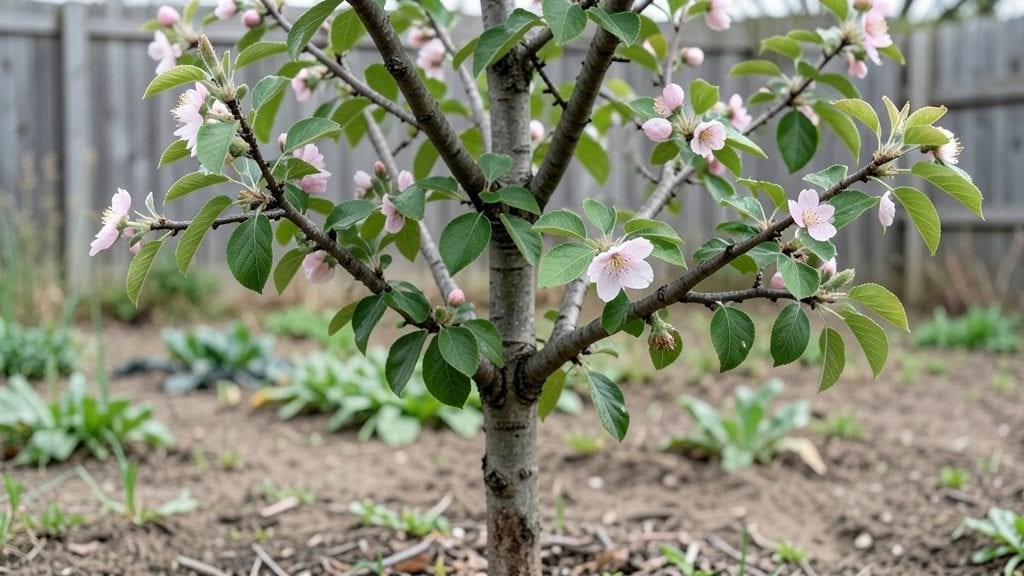
My Oregon curl-free peach tree starts with one brutal truth: that puckered, brown mess on your branches isn’t just bad luck—it’s a fungal party you weren’t invited to. 🌱 The moment I saw those curled leaves last spring, I knew my tree needed a complete reset, not just a quick spray.
The key? Pruning before the spores wake up in wet Oregon springs, then following a copper schedule that actually works.
Here’s what separates the thriving trees from the sad ones: timing, sanitation, and stubbornness. You’ll need sharp pruners, a copper fungicide (organic or not), and a calendar marked for dormant season sprays—because prevention beats cleanup every time.
My tree now blooms reliably, even after our damp winters, because I treat peach leaf curl like the relentless enemy it is.
What you’ll end up with is a tree that looks like it belongs in a postcard: glossy green leaves, frost-resistant buds, and fruit that doesn’t fight you.
The secret’s in the cuts—removing infected wood before it spreads, then giving the tree room to breathe. No more guessing games. Just peaches.
Works for any Pacific Northwest climate, whether you’re in Portland’s rain shadow or the Willamette Valley’s fog. The blueprint’s the same—adjust the timing for your microclimate. Let’s get those branches in shape before next season’s spores arrive.
📚 In This Guide
- What you need
- Instructions
- Tips and common mistakes
- Wrapping up and next steps
What you need
- ● Pruning shears: Bypass pruners (sharp, 6-8" blade) for clean cuts on small branches.
- ● Loppers: Bypass or anvil type (18-24" handle) for thicker branches (½"–1.5" diameter).
- ● Pruning saw: Curved-tooth saw for branches >1.5" in diameter (avoid jagged cuts!).
- ● Disinfectant: 70% isopropyl alcohol or bleach solution (1 part bleach to 9 parts water) to sterilize tools between cuts.
- ● Gloves: Heavy-duty gardening gloves (cut-resistant for safety).
- ○ Twine or zip ties: For securing branches during pruning (optional but helpful for support).
- ● Rake or broom: To clear debris after pruning.
- ○ Tree wound sealant: (Optional but recommended) Pruning paint or beeswax for large cuts (>½" diameter) to prevent disease.
- ● Weather: Prune on a dry, cloudy day (avoid frost or extreme heat). Ideal temps: 50–70°F.
- ● Timing: Best for late winter/early spring (before buds swell) or summer (after harvest).
- ● Safety gear: Safety glasses (in case of saw kickback).
- ● Tree knowledge: Familiarize yourself with the Oregon Curl Free variety’s growth habits (e.g., open-center vs. vase-shaped).
- ● Ladder: Sturdy, extendable ladder (if tree exceeds 6' tall).
- ● Pruning guide: Measuring tape or pruning gauge for precise cuts.
- ● Compost bin: To recycle pruned branches into mulch.
- ● Camera: Snap photos before/after for reference!
Step-by-Step pruning blueprint for your Oregon Curl-Free peach tree
Here’s the method I’ve used to keep my peach tree thriving through Oregon’s frosty winters and still packed with blooms.
✂️ Step 1: Time Your First Cut for Late Winter Dormancy
Prune your peach tree in late winter—specifically, 4-6 weeks before your last frost date. This timing ensures the tree isn’t stressed by new growth when cold snaps hit. I wait until buds begin to swell but haven’t yet broken open, signaling the tree’s readiness to heal quickly.
Grab your sharp pruning shears—dull blades tear bark, inviting disease. Start by removing dead, diseased, or crossing branches first. These are easy to spot: dead wood is brittle and snaps when bent, while crossing branches rub against each other, creating wounds. Cut back to a healthy outward-facing bud or branch collar to encourage proper regrowth.
☀️ Step 2: Open the Canopy for Sun and Airflow
Peach trees need full sun to ripen fruit, so thin the canopy to let light penetrate. Focus on the center of the tree, where branches often grow too densely. Remove up to 25% of the total branches—this might sound aggressive, but it’s key for frost resistance and fruit quality.
Look for water sprouts (fast-growing, vertical shoots) and suckers (shoots growing from the base or roots). These steal energy from fruit production. Cut them back to the main branch or trunk, making sure your cut is just outside the branch collar. This ensures the tree seals the wound properly and doesn’t invite pests.
🌱 Step 3: Shape for Frost Resistance and Fruit Production
Peach trees benefit from an open-center shape, which allows cold air to drain away from the tree during winter. Start by selecting 3-5 main scaffold branches—these should be evenly spaced around the trunk and angled outward. Remove any branches growing inward or rubbing against others.
For each remaining branch, cut back last year’s growth by about one-third. This encourages new, vigorous growth in spring and helps the tree develop a sturdy structure. If you see fruit spurs (small, stubby branches where fruit forms), avoid pruning them too aggressively—leave them intact to maximize next year’s harvest.
⏰ Step 4: Summer Pruning to Control Growth and Fruit Load
After the initial winter prune, light summer pruning keeps your tree manageable and improves fruit quality. Wait until after flowering (around June) to avoid removing potential fruit. During this time, remove any shoots growing from the trunk or main branches—these are often weak and won’t contribute to fruit production.
Thin out excessive fruit clusters to 6-8 inches apart on the branch. This might seem counterintuitive, but fewer, larger peaches ripen fully and taste sweeter. Use your fingers to gently twist off smaller or deformed fruit—never cut, as this can damage the branch. Watch for suckers or water sprouts that pop up in summer and prune them immediately to redirect the tree’s energy.
✂️ Step 5: Clean Up and Prep for Winter
After your final prune of the season (late fall), sterilize your tools with rubbing alcohol to prevent disease spread. Rake up and remove all fallen leaves and debris from under the tree—this reduces overwintering pests and fungal spores. If your tree is young or in a windy area, consider wrapping the trunk with tree wrap to protect it from sunscald in winter.
Apply a 2-3 inch layer of mulch around the base (but not touching the trunk) to insulate roots. I use wood chips or straw—they break down slowly and improve soil structure over time. This step is especially critical in Oregon’s cool, wet winters, as mulch helps regulate soil temperature and retain moisture for early spring growth.
Tips & tricks for perfectly pruning your Oregon Curl-Free peach tree
These simple yet game-changing tips will help you prune like a pro—even if you're new to tree care.
Tool Prep is Everything: Before you start in Step 1, sharpen your pruning shears with a file or sharpening stone—dull blades crush bark instead of making clean cuts. I also like to wipe them down with rubbing alcohol right before pruning to prevent spreading diseases between cuts. Trust me, this small step makes a huge difference in how well your tree heals.
Bud Identification Made Easy: When cutting back branches in Step 1 or Step 3, look for those little "eyes" on the branches—the buds. Aim to cut just above a healthy, outward-facing bud (about 1/4 inch above it). These buds will become next year's growth, so positioning them outward creates that perfect open canopy we want for airflow and sunlight.
The 25% Rule for Canopy Thinning: In Step 2, removing up to 25% of branches might feel drastic, but it's actually what your tree needs. I recommend working in sections—start with the center of the tree where branches are most dense. This gradual approach helps you visualize the open shape you're creating while preventing shock to the tree.
Summer Pruning Timing: The June timing in Step 4 is crucial—waiting until after flowering ensures you're not accidentally removing potential fruit. I also recommend doing this pruning on a dry day when the tree isn't stressed by heat or drought. This gives any new cuts time to heal before summer's end.
Pro Tips for Oregon Curl Free Peach Tree
- These simple yet game-changing tips will help you prune like a pro—even if you're new to tree care.
- Tool Prep is Everything: Before you start in Step 1, sharpen your pruning shears with a file or sharpening stone—dull blades crush bark instead of making clean cuts.
- Bud Identification Made Easy: When cutting back branches in Step 1 or Step 3, look for those little "eyes" on the branches—the buds.
Frequently asked questions
How cold can an Oregon Curl Free Peach Tree handle?
The Oregon Curl Free variety is one of the most frost-resistant peach trees, tolerating temperatures as low as 10°F (-12°C) without major damage. However, young trees or newly planted saplings may need winter protection (like mulch or burlap wraps) during their first few years. Pro tip: Prune lightly in late winter to remove frost-damaged branches before new growth starts!
When is the best time to prune for maximum frost resistance?
Prune your Oregon Curl Free tree in late winter or early spring (before buds swell) to boost frost hardiness. Avoid heavy pruning in fall—it stimulates new growth that’s vulnerable to cold snaps. Focus on open-center shaping to improve airflow and reduce ice buildup. Bonus: Prune after a hard frost to remove dead wood and encourage sturdy regrowth!
What if my tree’s leaves curl despite being “curl-free”?
Even Oregon Curl Free trees can develop leaf curl due to fungal infections (like peach leaf curl) or environmental stress (e.g., drought or poor drainage). Treat with a copper fungicide spray in late fall or early spring. Improve soil health with compost and ensure 6+ hours of sunlight daily. If curls persist, test for pests like aphids or mites.
Can I grow this tree in containers? What’s the catch?
Yes! The Oregon Curl Free thrives in large containers (15+ gallons) with well-draining soil. Catch: Container-grown trees need winterization (move to a garage or insulate the pot) and frequent watering (containers dry out faster). Use a dwarf rootstock if space is limited. Pro move: Elevate pots to prevent root rot and improve drainage!
Why aren’t my peaches ripening evenly? Troubleshooting tips?
Uneven ripening often stems from inconsistent sunlight, overcrowded branches, or nutrient imbalances. Thin fruit to 6–8 inches apart early in the season to reduce competition. Ensure balanced fertilizer (10-10-10) and prune to improve airflow. Quick fix: Hand-pollinate flowers on cool mornings with a small brush if bees are scarce!
What’s a good alternative if I want a low-maintenance peach tree?
If the Oregon Curl Free seems high-maintenance, consider these frost-tolerant, low-fuss alternatives:
- Redhaven Peach: Classic flavor, tolerates 5°F (-15°C) with proper care.
- Contender Peach: Dwarf variety, great for containers, 15°F (-9°C) tolerance.
- Elberta Peach: Reliable producer, handles 10°F (-12°C) well.
Wrapping up and next steps
Growing an Oregon Curl Free Peach Tree is a rewarding journey that blends resilience with beauty—especially when you master frost-resistant pruning. With the right tools, timing, and techniques, you’ll unlock year-round blooms and bountiful harvests while keeping your tree healthy and thriving. 🌸✨
Now that you’re armed with the knowledge, roll up your sleeves and get pruning! Start by assessing your tree’s needs this season, then follow the blueprint you’ve learned.
Before you know it, your Oregon Curl Free Peach Tree will be the star of your garden—frost-proof, flourishing, and full of life. Happy gardening! 🌱💪