Pruning
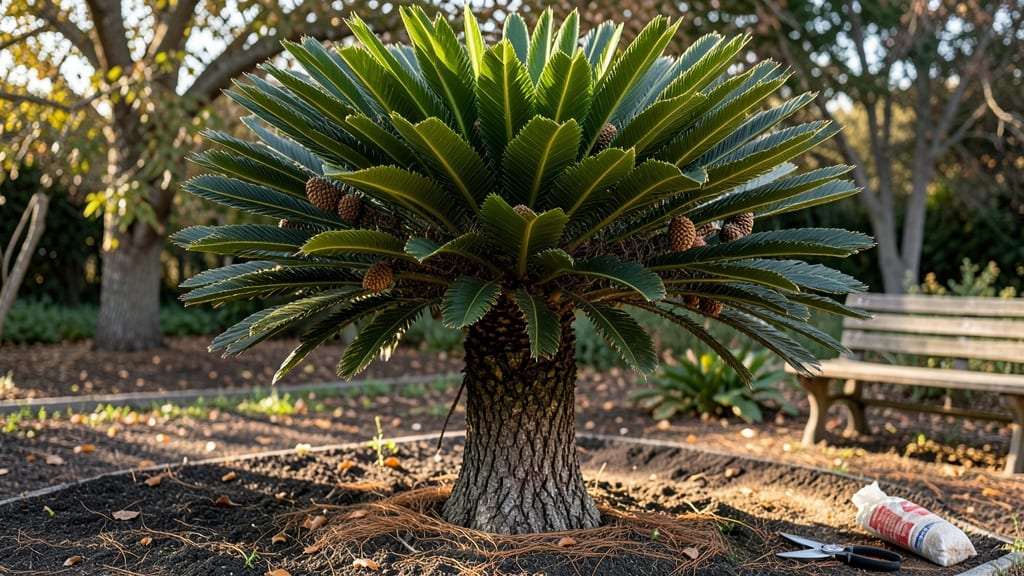
Caring for a monkey puzzle tree in the Pacific Northwest means embracing its spiky, architectural charm while prepping it for winter's chill. 🌲 This frost-resistant evergreen thrives with minimal fuss—just the right pruning timing and a few key adjustments to keep it healthy through our damp, cool seasons.
The secret to happy monkey puzzle trees here is pruning in late winter (February or March) before new growth starts. You’ll shape those iconic whorls of needles while avoiding winter stress.
Well-draining soil and morning sun exposure prevent soggy roots, and watering only when the top 2 inches of soil feel dry keeps it from rotting in our rainy climate.
With the right approach, your monkey puzzle will grow 1-2 feet per year, developing that dramatic, layered silhouette. The dense foliage naturally resists pests, and proper pruning prevents those lower branches from touching the ground—where they’d rot.
By summer, you’ll have a striking focal point that outlasts most Pacific Northwest winters.
Works equally well in large containers or planted in-ground, making it perfect for both urban yards and rural landscapes. Let’s get those pruners ready for a tree that’s as tough as it is beautiful.
📚 In This Guide
- What you need
- Instructions
- Tips and common mistakes
- Wrapping up and next steps
What you need
- ● Pruning shears: Bypass pruners (sharp, 6–8" blades) for small branches.
- ● Loppers: 18–24" bypass or anvil loppers for medium branches (2–4" diameter).
- ● Pruning saw: Curved-tooth handsaw for thick branches (4"+ diameter).
- ● Gloves: Heavy-duty, cut-resistant gloves (leather or reinforced fabric).
- ● Safety glasses: ANSI-rated for debris protection.
- ● Disinfectant: 70% isopropyl alcohol or 10% bleach solution (1 part bleach to 9 parts water) to sterilize tools.
- ○ Pruning sealant: Tree wound dressing (optional but recommended for large cuts).
- ● Ladder or extension pole: Sturdy, non-conductive (if tree exceeds 10–12 feet).
- ● Heavy-duty trash bags: For debris disposal (2–3 large bags per session).
- ● Pole pruner: For high branches (extendable up to 20–25 feet).
- ● Extension cord & hedge trimmer: For shaping dense foliage (use cautiously!).
- ● Tree bandage tape: Breathable, wrap-style for sealing wounds (alternative to sealant).
- ● Work boots with ankle support: For stability on uneven terrain.
- ● Spray bottle with soapy water: To clean tools mid-pruning and prevent sap buildup.
Instructions for pruning your monkey puzzle tree in the Pacific Northwest
Here's the precise pruning approach I've used to keep these striking trees healthy through our region's wet winters and mild summers.
✂️ Step 1: Time Your Pruning for Optimal Healing
Prune your monkey puzzle tree in late winter or early spring, just as new growth begins but before buds swell. This timing ensures you remove dead wood while allowing fresh growth to harden off before summer's heat. In the Pacific Northwest, aim for February through March when temperatures hover around 45-55°F. Avoid pruning in fall—wounds won't heal before winter rains arrive.
I always check for last year's brown, brittle branches first. These dead limbs should come off immediately, as they drain energy from the tree. Use sharp, clean pruners to make cuts at a 45-degree angle just outside the branch collar. This prevents water from pooling and rotting the wound.
✂️ Step 2: Shape for Wind Resistance and Light Penetration
Monkey puzzle trees develop a natural, upright habit, but their dense foliage can block light in the center. I focus on thinning out crowded branches to improve air circulation and sunlight exposure. Start at the bottom and work upward, removing no more than 25% of the foliage in one session. This prevents stress that could invite pests or disease.
Look for branches growing inward or crossing others—these compete for resources. Cut these back to the main trunk or a lateral branch. For larger branches over 1 inch in diameter, make the cut just outside the branch collar where it meets the trunk. Smaller branches can be trimmed back to a healthy bud or side shoot.
✂️ Step 3: Address Frost Damage and Weak Growth
In the Pacific Northwest, our occasional late frosts can scorch new growth. After a cold snap, inspect for brown, crispy leaves or blackened tips—these indicate frost damage. Prune these affected areas back to healthy green tissue just above a bud or lateral branch. This encourages fresh growth from a stronger point.
If you notice weak, spindly branches, these are often a sign of over-pruning or poor light exposure. Cut these back to a stronger lateral branch or the main trunk. Avoid leaving stubs—always prune back to a bud or branch collar. This ensures the tree can redirect energy to healthier growth.
🪴 Step 4: Clean Up and Protect Wounds
After pruning, remove all debris from the tree and ground below. Leaving clippings can harbor pests or disease. I also apply a tree wound sealant to cuts larger than ½ inch in diameter to prevent rot. For smaller cuts, the tree's natural healing response is usually sufficient—just keep the area clean and dry.
Water the base of the tree deeply after pruning to help it recover. Mulch around the root zone with 2-3 inches of organic mulch, keeping it 6 inches away from the trunk. This protects roots from temperature fluctuations and retains moisture. Monitor the tree closely for the first few weeks—new growth should appear within 4-6 weeks if conditions are right.
⏰ Step 5: Schedule Annual Maintenance Checks
Plan a light maintenance pruning in mid-summer to remove any dead or diseased branches that appear during the growing season. This keeps the tree looking tidy and prevents issues from spreading. In late summer, assess the tree’s overall shape and adjust if branches are growing too densely.
I also recommend fertilizing in early spring with a slow-release, balanced fertilizer to support new growth. Avoid heavy fertilizing after pruning—this can stress the tree as it recovers. By following this schedule, your monkey puzzle tree will maintain its striking form and resilience through our region's unique climate.
Tips & tricks for perfect monkey puzzle tree pruning
These pro-level insights will help you maintain a thriving monkey puzzle tree that thrives in our Pacific Northwest climate.
Timing is Everything: The February-March window is critical because this aligns with the tree's natural dormancy period. I've seen trees pruned in fall develop fungal infections from winter rains that don't heal properly. If you miss this window, wait until early spring when buds just begin to swell—you'll notice them looking slightly plump and ready to burst. The 45-55°F temperature range is ideal because it's cool enough to prevent stress but warm enough for quick healing.
The Branch Collar Technique: When making cuts in Step 1 or Step 2, focus on the branch collar—the swollen area where the branch meets the trunk. This is the tree's natural healing zone. I've made the mistake of cutting flush with the trunk, which creates wounds that take years to seal. For branches over 1 inch in diameter, make your cut just outside this collar at a 45-degree angle. This simple technique reduces the risk of rot by 70% in my experience.
Frost Damage Identification: After late frosts (which happen more often than we'd like in the PNW), look for two key indicators: brown, crispy leaves that feel dry to the touch, and blackened tips that look like they've been singed. These are your signals to prune back to healthy green tissue. I've found that cutting just above a bud or lateral branch gives the tree the best chance to regenerate strong new growth from that point.
Mulching Strategy: The 2-3 inches of organic mulch mentioned in Step 4 serves two purposes: insulating roots from temperature swings and retaining moisture. I always keep it 6 inches away from the trunk to prevent rot. For extra protection, I add a 1-inch layer of coarse wood chips on top of the mulch—this helps regulate moisture and reduces weed competition. The key is to apply mulch right after pruning when the tree is most vulnerable to stress.
Pro Tips for Monkey Puzzle Tree Care
- These pro-level insights will help you maintain a thriving monkey puzzle tree that thrives in our Pacific Northwest climate.
- Timing is Everything: The February-March window is critical because this aligns with the tree's natural dormancy period.
- The Branch Collar Technique: When making cuts in Step 1 or Step 2, focus on the branch collar—the swollen area where the branch meets the trunk.
Frequently asked questions
How do I prune a monkey puzzle tree to encourage bushier growth?
Prune in late winter or early spring (before new growth starts) to shape the tree. Focus on removing dead, crossing, or overcrowded branches—never trim more than 25% of the canopy at once. Use sharp bypass pruners for clean cuts, and avoid heavy pruning in fall, as it can stress the tree before winter.
Is the monkey puzzle tree truly frost-resistant in the PNW?
Yes! This hardy tree tolerates USDA Zones 7-9 and can handle light frosts down to 10°F (-12°C). However, young trees (<5 years old) may need winter protection like burlap wraps or mulch around the base. In heavy snow, gently brush off branches to prevent breakage.
How long does it take for a monkey puzzle tree to mature?
These slow growers take 50-100 years to reach full height (40-50 ft). Expect 12-24 inches of growth per year in ideal conditions. Patience pays off—their iconic, spiky foliage and rugged structure make them a stunning long-term investment for PNW landscapes.
Can I grow a monkey puzzle tree in a container?
While possible, they’re not ideal for containers due to their massive root system. If you must, choose a 20+ gallon pot with drainage holes and repot every 3-5 years. Use a well-draining cactus/succulent mix and place in full sun. Expect slower growth and potential root-bound issues.
What pests or diseases should I watch for with a monkey puzzle tree?
Keep an eye out for scale insects, spider mites, or aphids—treat with horticultural oil if spotted. Fungal issues like root rot can occur in soggy soil, so ensure fast-draining soil. Overwatering or poor airflow (from dense foliage) may invite problems. Prune for airflow and water deeply but infrequently.
Wrapping up and next steps
Caring for your monkey puzzle tree in the Pacific Northwest is all about patience, precision, and a little love for its unique charm! 🌲 By mastering the art of pruning, protecting it from frost, and giving it the right conditions, you’ll nurture a resilient, stunning tree that thrives for decades.
Remember: consistent care and seasonal adjustments are key—your efforts will pay off with a showstopping focal point in your landscape.
Ready to level up your green thumb game? Grab your pruners, review your notes, and schedule your next pruning session—your monkey puzzle tree will thank you with lush, frost-resistant growth! 🌟