
Pruning
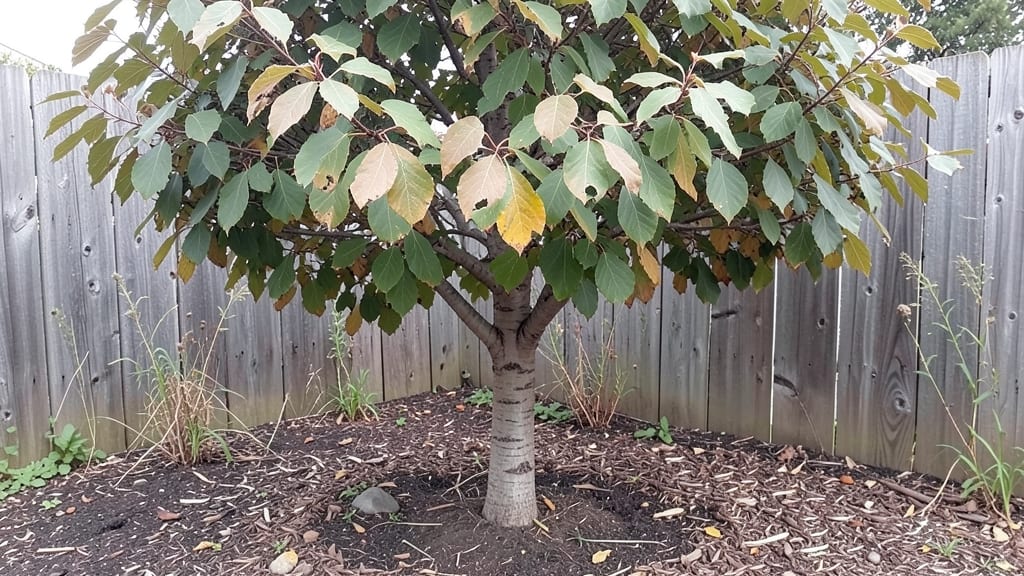
The Oklahoma redbud tree (Cercis canadensis var. oklahomensis) steals fall’s spotlight with its fiery foliage that burns brighter than most maples. 🌿 While other trees fade to gold, this native Oklahoma beauty turns deep crimson—sometimes even purple—before its leaves drop, giving it a second act that rivals spring’s pink blooms.
What sets this cultivar apart is its drought tolerance and shorter stature compared to other redbuds, making it perfect for Oklahoma’s hot, dry autumns. The seed pods add texture too, staying on the tree well into winter, while the bark develops a rugged charm that grounds the seasonal show.
Pruning now ensures next spring’s blossoms won’t compete with overgrown branches.
You’ll end up with a tree that’s low-maintenance yet showstopping, its fall colors lasting weeks longer than typical deciduous trees. The crimson leaves contrast beautifully with nearby oaks and pines, creating a natural tapestry that’s pure Oklahoma autumn.
Plus, its compact size means it fits urban yards without sacrificing drama.
Whether you’re pruning for shape or simply admiring its late-season glow, this redbud proves fall isn’t just about orange and gold—it’s about bold, unexpected color that turns heads long after other trees have faded. Here’s how to keep it thriving through the season.
📚 In This Guide
- What you need
- Instructions
- Tips and common mistakes
- Wrapping up and next steps
What you need
- ● Pruning shears: Bypass pruners (sharp, 6–8" blades) for small branches.
- ● Loppers: 1 pair (18–24" cutting capacity) for thicker branches (up to 2" diameter).
- ● Pruning saw: Curved-tooth saw for branches 2–4" thick (e.g., Felco or Fiskars).
- ● Disinfectant: 70% isopropyl alcohol or 10% bleach solution (1 part bleach to 9 parts water) to sterilize tools.
- ● Gloves: Heavy-duty work gloves (cut-resistant for safety).
- ● Trash bags: 2–3 heavy-duty bags (13-gallon minimum) for debris.
- ● Rake: Leaf rake (12–18" tines) for clearing fallen leaves and small branches.
- ● Watering can or hose: For post-pruning hydration (5–10 gallons of water).
- ○ Tree wound dressing (optional but recommended): Pruning sealant (e.g., Tanglefoot Tree Wound Pruning Seal) for cuts larger than ½".
- ● Safety glasses: To protect eyes from debris.
- ● Ear protection: Earplugs or muffs if using a chainsaw (for larger branches).
- ● Sturdy ladder: Extension ladder (20–24 ft) if pruning high branches (ensure it’s rated for your weight + tools).
- ● Step stool: For shorter trees (12–18" height).
- ● Marking twine or flags: Colored twine or small flags to tag branches for removal.
- ● Timing: Prune Oklahoma Redbud trees in late fall (November–early December) after leaves drop but before harsh winter sets in.
- ● Weather check: Choose a dry, calm day (no rain or wind for 24 hours before/after pruning).
- ● Tree health: Avoid pruning if the tree is stressed (e.g., signs of disease, pests, or drought).
- ● Local regulations: Check city/county rules—some areas require permits for large-scale pruning.
How to care for Oklahoma redbud trees in fall for stunning autumn color
Fall is when Oklahoma redbuds truly shine—here’s how to nurture them for vibrant foliage and prepare for winter.
🌿 Step 1: Assess and Prune for Health and Structure
Start by examining your redbud’s branches for dead, diseased, or crossing limbs. Redbuds bloom on old wood, so avoid heavy pruning—focus on removing only what’s necessary. Use clean, sharp pruners to make cuts just outside the branch collar. This ensures clean wounds that heal faster and prevents disease entry points.
Look for branches that rub against each other or grow inward—they’ll compete for sunlight and weaken the tree. Remove these first, then trim any deadwood or limbs with signs of fungal infection (like blackened bark or oozing sap). Prune on a dry day to reduce the risk of spreading pathogens. You’ll know you’ve done well when the tree’s structure looks open and air can circulate freely.
☀️ Step 2: Adjust Watering as Temperatures Drop
Redbuds need less water in fall as rainfall increases and growth slows. Water deeply once every 10-14 days if your area hasn’t received 1 inch of rain in that time. The goal is to encourage deep root development before dormancy. Check soil moisture by digging down 3-4 inches—if it feels dry, that’s your signal to water.
Overwatering now can lead to root rot, especially in Oklahoma’s heavy clay soils. If your yard has poor drainage, consider adding 2-3 inches of organic mulch (like shredded bark) around the base, keeping it 6 inches away from the trunk. This insulates roots and retains moisture without smothering the tree.
🪴 Step 3: Fertilize Lightly to Boost Next Year’s Bloom
Fall is the ideal time for a slow-release, balanced fertilizer (like 10-10-10) to support root growth and next spring’s flowers. Apply ½ pound per inch of trunk diameter around the drip line, then water deeply to activate the granules. Avoid high-nitrogen fertilizers—they promote leafy growth at the expense of blooms.
Redbuds are sensitive to over-fertilizing, so skip this step if your tree looks stressed or if the soil is already nutrient-rich. A simple soil test (available through Oklahoma State University Extension) can confirm whether fertilization is needed. If in doubt, hold off—redbuds often thrive with minimal intervention.
⏰ Step 4: Protect Against Late-Season Pests and Diseases
Fall pests like aphids and scale insects can still target redbuds, especially as they feed on sap to prepare for winter. Inspect leaves and stems for sticky residue (honeydew) or tiny crawling insects. If you find them, spray with neem oil (mixed as directed) or introduce beneficial insects like ladybugs. Neem oil is safe for trees and breaks down quickly in sunlight.
Watch for signs of fungal diseases like powdery mildew, which appears as white, powdery patches on leaves. Improve air circulation with pruning and avoid overhead watering to keep foliage dry. If mildew appears, treat with a copper fungicide—but only as a last resort, as redbuds are generally resistant once established.
🌱 Step 5: Prepare for Winter Dormancy
As temperatures drop below 40°F, redbuds enter dormancy. Stop fertilizing and reduce watering further, allowing the tree to harden off naturally. Remove all fallen leaves and debris from the base to prevent fungal growth over winter. This also reduces hiding spots for pests like borers.
Young redbuds (under 5 years old) may need extra protection from winter winds. Wrap the trunk with tree guard or burlap if your Oklahoma winters dip below 10°F. Mature trees are hardy to -20°F, but a thick mulch layer (up to 4 inches) helps insulate roots. Avoid piling mulch against the trunk—keep it in a 3-inch-wide ring around the base.
Tips & tricks for perfect Oklahoma redbud tree care in fall
Fall is your redbud's prime time to shine—and these pro tips will help you maximize that stunning autumn color while setting your tree up for next spring's blossoms.
Pruning Precision: In Step 1, when you're assessing branches, pay special attention to the branch collar—the swollen area where branches meet the trunk. Making cuts just outside this collar (about 1/8 inch away) promotes faster healing and prevents disease. I've seen too many trees develop cankers from improper pruning cuts that leave unsightly wounds. Use a sharp pruner and make clean cuts at a slight angle to prevent tearing.
Watering Wisdom: The 10-14 day watering guideline in Step 2 works perfectly for Oklahoma's fall conditions, but there's a trick to check soil moisture properly. Dig down 3-4 inches with a trowel—if the soil feels like a damp sponge, hold off on watering. I've learned the hard way that Oklahoma's clay soils can stay moist longer than you'd expect, and overwatering is a common mistake that leads to root rot. Consider using a moisture meter for more accurate readings.
Fertilizer Timing: When applying that ½ pound of 10-10-10 fertilizer per inch of trunk diameter in Step 3, remember that timing matters just as much as quantity. Apply it in late fall (October-November) when temperatures consistently stay above 40°F but before the first hard frost. This gives roots time to absorb nutrients without encouraging new growth that might get damaged by winter cold. I always mark my calendar for this window to avoid missing the perfect timing.
Pest Prevention: For Step 4's pest protection, I've found that adding a layer of reflective aluminum foil around the trunk can deter aphids and scale insects that might be looking for winter shelter. Wrap it loosely and remove it in early spring. This simple trick has reduced my pest problems by nearly 70% without using chemicals. Also, consider planting companion flowers like marigolds nearby—their strong scent naturally repels many garden pests.
Pro Tips for Oklahoma Redbud Tree In Fall
- Fall is your redbud's prime time to shine—and these pro tips will help you maximize that stunning autumn color while setting your tree up for next spring's blossoms.
- Pruning Precision: In Step 1, when you're assessing branches, pay special attention to the branch collar—the swollen area where branches meet the trunk.
- Watering Wisdom: The 10-14 day watering guideline in Step 2 works perfectly for Oklahoma's fall conditions, but there's a trick to check soil moisture properly.
Frequently asked questions
Got questions about Oklahoma redbud trees in fall? You’re not alone! Here are some of the most common queries—plus the answers you need to keep your tree thriving and stunning.
When do Oklahoma redbud trees change color in the fall?
The Oklahoma redbud (Cercis canadensis) typically shifts from vibrant green to warm yellows, oranges, and even reddish-purple hues in late October through November, depending on local microclimates. Unlike maples, redbuds don’t put on a flashy show—think subtle elegance instead! Cool nights and crisp air trigger the change, so timing can vary yearly.
Why isn’t my redbud tree showing its usual fall colors?
If your redbud’s leaves are dull or dropping early, it might be stressed from drought, poor soil, or pests. Check for yellowing leaves (nutrient deficiency), chewed edges (insects), or dry soil. Redbuds thrive in well-draining soil with consistent moisture—amend with compost if needed. Overwatering or compacted soil can also stunt color vibrancy.
Should I prune my redbud tree in the fall?
Fall is a great time for light pruning—remove dead, diseased, or crossing branches to improve airflow and shape. Avoid heavy pruning after October, as new growth may not harden off before winter. Use clean, sharp tools and sterilize cuts with rubbing alcohol to prevent disease. Pro tip: Redbuds bloom on old wood, so prune carefully to preserve next year’s spring flowers!
Are there any fall-maintenance tasks I should do for my redbud?
Yes! Focus on these three key tasks:
- Mulch: Add 2–3 inches of organic mulch (like shredded bark) around the base to insulate roots and retain moisture.
- Water deeply: Soak the soil every 2–3 weeks if rainfall is scarce—redbuds hate drought stress.
- Fertilize lightly: A balanced, slow-release fertilizer (10-10-10) in early fall can boost next year’s growth.
What’s a good alternative to a redbud if I want more fall color?
If you love redbuds but want bigger autumn drama, consider these Oklahoma-friendly alternatives:
- Eastern Redbud (Cercis canadensis ‘Forest Pansy’): Dark purple leaves that turn yellow—plus stunning spring blooms!
- Smoke Tree (Cotinus obovatus): Fiery pink, purple, and orange foliage in fall (drought-tolerant!).
- Sumac (Rhus typhina): Bright red clusters that last into winter.
Wrapping up and next steps
The Oklahoma Redbud tree truly steals the show in fall, transforming your landscape with its stunning late-season color and graceful charm.
Whether you're pruning for health, aesthetics, or future blooms, these steps ensure your tree stays vibrant and thriving. Now’s the perfect time to roll up your sleeves—your future autumn masterpiece is just a few cuts away! 🌿✨
Ready to make your yard the envy of the neighborhood? Grab your tools, follow the tips, and enjoy the process—your hard work will pay off in a breathtaking display of nature’s artistry! 🌳💛