
Pruning
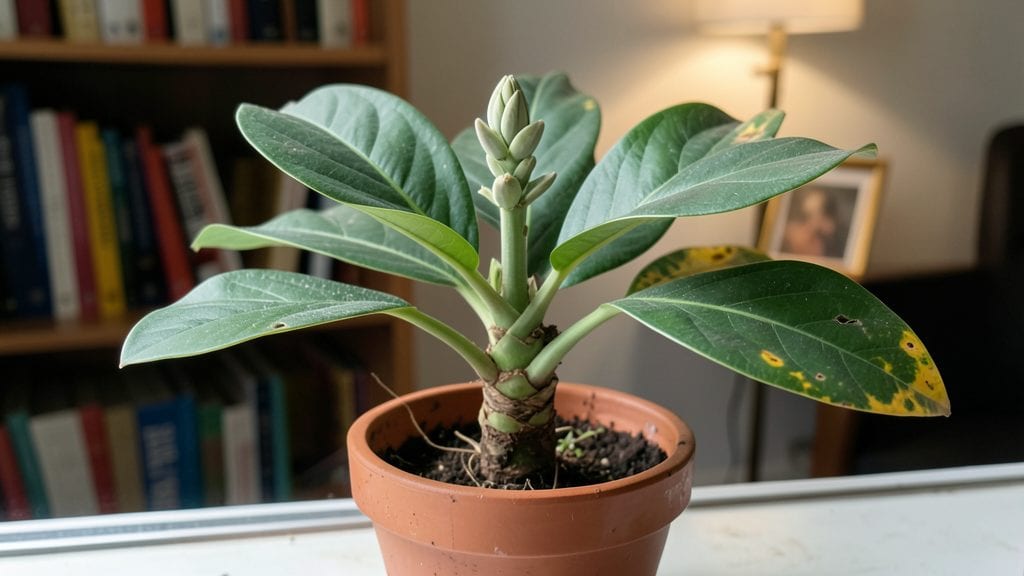
Growing a Musa 'Truly Tiny' banana tree in your backyard means tropical vibes without the jungle footprint. This miniature marvel stays under 5 feet tall—perfect for containers, balconies, or sunny corners where space is tight.
I’ve nurtured mine through three winters, and it’s still thriving, proving dwarf bananas aren’t just a novelty. The secret lies in mimicking its native warmth: well-draining soil, bright indirect light, and consistent moisture without soggy roots.
My plant produces half-pound bananas every summer, and the key is pruning spent fronds before they drain energy. Frost is the only real enemy, but a move indoors or thick mulch keeps it safe through chilly months.
You’ll end up with lush, glossy leaves and actual edible fruit—something most houseplants can’t claim. The bananas are sweet, small, and perfect for snacking straight off the bunch. Plus, the plant’s dramatic foliage turns heads without taking over your patio.
Works in zones 9-11 year-round, but even cooler climates can grow it in pots and overwinter indoors. Let’s get yours flourishing—no tropical getaway required.
📚 In This Guide
- What you need
- Instructions
- Tips and common mistakes
- Wrapping up and next steps
What you need
- ● Musa Truly Tiny banana plant: 1 healthy, disease-free pup or young plant (available from specialty nurseries or online sellers).
- ● Container: 1 large, durable pot (15–20 gallons) with drainage holes. Pro tip: Terracotta or fabric pots work best for airflow!
- ● Well-draining potting mix: 1 bag (1–2 cubic feet) of a blend designed for tropical plants or a mix of: 60% peat moss or coconut coir
- ● 30% perlite or pumice
- ● 10% compost or worm castings
- ● Pruning tools: 1 pair of sterilized pruning shears (for trimming leaves and suckers)
- ● 1 sharp knife or pruning saw (for larger stems, if needed)
- ● Support structure: 1 bamboo stake or trellis (4–6 feet tall) to train the plant as it grows.
- ● Watering can or hose with a gentle spray nozzle.
- ● Slow-release fertilizer: 1 pack of balanced (10-10-10) or banana-specific fertilizer for a nutrient boost.
- ● Mulch: Pine bark or straw to retain moisture and regulate soil temperature.
- ● Spray bottle: For misting leaves if your space has low humidity.
- ● Gloves: To protect your hands from sap and thorns.
- ● Grow lights (LED or fluorescent): If growing indoors with limited natural light.
Step-by-step instructions for growing the Musa Truly Tiny banana tree
Here’s how I’ve successfully grown this dwarf banana variety in containers—no greenhouse or tropical climate required.
Select the Right Container and Prepare the Soil
Choose a 15-20 gallon container with drainage holes—banana roots need room to spread but hate soggy feet. I use a fabric grow bag for my Truly Tiny because it allows excess moisture to evaporate while still providing sturdy support. Fill the bottom third with gravitational media (like orchid bark or perlite) to improve drainage, then add a high-quality potting mix blended with 20% coconut coir for moisture retention.
Banana trees thrive in slightly acidic to neutral soil (pH 6.0-7.0). Test your mix with a soil pH meter—if it’s off, adjust with lime (to raise pH) or sulfur (to lower pH) before planting. The soil should feel light and airy, like a damp sponge, not dense or clay-like. Avoid garden soil; it compacts and suffocates roots.
Plant the Sucker or Bare-Root Plant Correctly
If you’re starting with a bare-root sucker, soak the roots in lukewarm water for 1-2 hours to rehydrate them before planting. For container-grown plants, remove it from its pot and gently loosen the root ball if it’s tightly bound. Place the plant in the container so the crown (where leaves meet the stem) sits 1-2 inches above the soil line—this prevents rot when watering.
Fill around the roots with your prepared mix, pressing lightly to eliminate air pockets. The first few inches of soil should be moist but not wet—think of a wrung-out sponge. After planting, water deeply until it drains freely from the bottom holes. This initial soak helps settle the soil and removes any air gaps that could strangle roots.
Provide Optimal Light and Temperature Conditions
The Truly Tiny banana tree needs bright, indirect light for at least 6-8 hours daily. A south- or west-facing window works well, but direct midday sun can scorch leaves. If growing indoors, supplement with a full-spectrum LED grow light positioned 12-18 inches above the plant for 12-14 hours daily. You’ll know the light is right when new leaves emerge dark green and upright, not stretched or pale.
Keep temperatures between 65-85°F—bananas are tropical but won’t tolerate frost. If your home dips below 60°F at night, move the plant to a warmer spot or use a small space heater on low. Avoid drafts from doors or AC vents, which cause sudden temperature swings that stress the plant. A humidity tray (pebbles + water under the pot) helps maintain 50-70% humidity, especially in dry climates.
Water and Fertilize for Healthy Growth
Water when the top 2-3 inches of soil feel dry to the touch—stick your finger in to check. Banana trees prefer consistent moisture but hate soggy roots, so always ensure excess water drains away. In summer, you may need to water every 2-3 days; in winter, once a week is often enough. Overwatering is the #1 killer of dwarf bananas—yellowing leaves or mushy stems are red flags to cut back.
Feed every 4-6 weeks during the growing season (spring through fall) with a balanced liquid fertilizer (like 10-10-10) diluted to half-strength. I switch to a potassium-rich fertilizer (like 5-10-15) in late summer to encourage flower bud formation. Stop fertilizing in winter when growth slows. Flush the soil once a month with plain water to prevent salt buildup from fertilizers.
Prune and Support for Compact Growth
Remove yellow or damaged leaves at the base with clean, sharp pruners to redirect energy to new growth. If the plant outgrows its container (after 2-3 years), repot into a slightly larger pot (just 2-3 inches wider) with fresh soil. The Truly Tiny stays under 6 feet tall, but its pseudostem can flop in wind or rain. Stake it with a 3-foot bamboo stake tied loosely to the stem with soft plant ties—adjust as it grows to avoid girdling.
Here’s the thing—don’t prune back old leaves unless they’re dead. Even brown pseudostems store nutrients for future growth. If your plant flowers (a rare but exciting event!), you can snip the bloom if you want to focus on foliage, but leaving it on may produce tiny, edible fruit. Just be prepared for a temporary growth slowdown while the plant diverts energy to flowering.
Tips & tricks for perfectly cultivating your Musa Truly Tiny banana tree
Growing this compact banana variety successfully comes down to understanding its unique needs—especially when confined to containers. Here are the key insights I’ve learned after nurturing several Truly Tiny banana trees.
Container Selection: The 15-20 gallon container size recommendation isn't arbitrary—banana roots grow aggressively and need room to spread. I've found fabric grow bags work exceptionally well because they allow excess moisture to evaporate while providing structural support. If you must use traditional pots, ensure they have multiple drainage holes at the bottom to prevent root rot. The fabric option also prevents the roots from becoming root-bound as quickly, which is crucial for long-term health.
Soil Preparation: That 20% coconut coir blend in your potting mix isn't just about moisture retention—it creates the perfect air-to-moisture ratio that banana roots crave. I've seen many growers skip the pH testing step, only to struggle with nutrient uptake. Invest in a simple soil pH meter ($15-20) and adjust your mix before planting. For the gravitational media layer, I recommend using a 50/50 mix of orchid bark and perlite—this creates ideal drainage while still providing some moisture retention.
Light Management: The 6-8 hours of bright, indirect light requirement can be tricky indoors. I've had success using a combination of south-facing windows and supplemental LED grow lights positioned 12-18 inches above the plant. Here's my lighting schedule: 4 hours of natural light in the morning, 2 hours of LED light during cloudy afternoons, and 6 hours of LED light in the evening. The key visual cue is watching for new leaves that emerge dark green and upright—anything paler or stretched indicates insufficient light.
Watering Strategy: The "top 2-3 inches dry" rule works, but I've found a more precise method: use a moisture meter that reads between 40-60% moisture content. Overwatering is indeed the #1 killer, but underwatering causes its own problems—yellowing leaf tips and stunted growth. In winter, I reduce watering to every 7-10 days and only water when the top 3-4 inches are dry, as the plant's growth slows significantly during this season.
Pro Tips for Musa Truly Tiny Banana Tree
- Growing this compact banana variety successfully comes down to understanding its unique needs—especially when confined to containers.
- Container Selection: The 15-20 gallon container size recommendation isn't arbitrary—banana roots grow aggressively and need room to spread.
- Soil Preparation: That 20% coconut coir blend in your potting mix isn't just about moisture retention—it creates the perfect air-to-moisture ratio that banana roots crave.
Frequently asked questions
Got questions about growing or caring for your Musa Truly Tiny banana tree? We’ve got answers! Here are some of the most common queries from gardeners looking to nurture this compact tropical gem.
How fast does the Musa Truly Tiny banana tree grow compared to regular bananas?
The Musa Truly Tiny grows significantly slower than its larger banana cousins, reaching just 3–5 feet tall in ideal conditions. While regular bananas can surge 10+ feet in a season, this dwarf variety matures in 1–2 years—perfect for containers or small spaces. Patience pays off with edible (though small) fruit!
Can the Musa Truly Tiny survive winter outdoors, or do I need to bring it inside?
This banana tree is tender to frost and thrives in USDA zones 10–11. In cooler climates (zones 8–9), protect it with mulch or move it to a sunny indoor spot (like a garage or conservatory) when temps drop below 40°F. A grow light can help maintain growth during winter dormancy.
Will the Musa Truly Tiny actually produce fruit, or is it just decorative?
Yes! While the fruit is tiny (about the size of a grape), it’s edible and sweet. Expect harvests in 1–2 years with proper care. For faster fruiting, hand-pollinate flowers with a soft paintbrush—birds or bees may not visit your container garden. Pro tip: Fertilize lightly with banana-specific food during blooming season!
What’s the best container size for a Musa Truly Tiny banana tree?
Start with a 5-gallon pot (18+ inches deep) for young plants, upgrading to 10–15 gallons as it matures. Ensure drainage holes are present to prevent root rot. Use a lightweight potting mix (like cactus/succulent blend) amended with compost for optimal drainage and nutrients.
Why are my Musa Truly Tiny leaves turning yellow or brown?
Yellowing leaves often signal overwatering or nutrient deficiency. Brown edges? Low humidity or fluoride buildup from tap water may be the culprit. Fix it:
- Check soil moisture—water only when the top 2 inches are dry.
- Flush the pot with rainwater or distilled water monthly.
- Boost humidity with a pebble tray or misting.
- Fertilize with a balanced liquid fertilizer (20-20-20) every 4–6 weeks in growing season.
Are there dwarf banana tree alternatives if Musa Truly Tiny doesn’t thrive in my climate?
If your zone is too chilly, consider these cold-hardy dwarfs:
- Musa basjoo (Hardy to zone 5, grows 6–10 ft, but slower than regular bananas).
- Ensete ventricosum (False banana, hardy to zone 7, striking foliage).
- Strelitzia nicolai (Bird-of-paradise, zone 9, architectural and drought-tolerant).
Wrapping up and next steps
Growing a Musa Truly Tiny banana tree in small spaces is totally doable—and rewarding! With the right pruning techniques, you’ll enjoy lush foliage, sweet fruit, and a unique tropical vibe without sacrificing square footage. Remember, consistency is key: prune strategically, monitor growth, and stay patient as your tiny giant thrives.
Ready to turn your balcony or patio into a mini banana paradise? Start small—pick a healthy pup, gather your tools, and dive in! Whether you’re a beginner or a seasoned gardener, this compact variety proves that big dreams don’t need big yards. 🌱✨