
Pruning
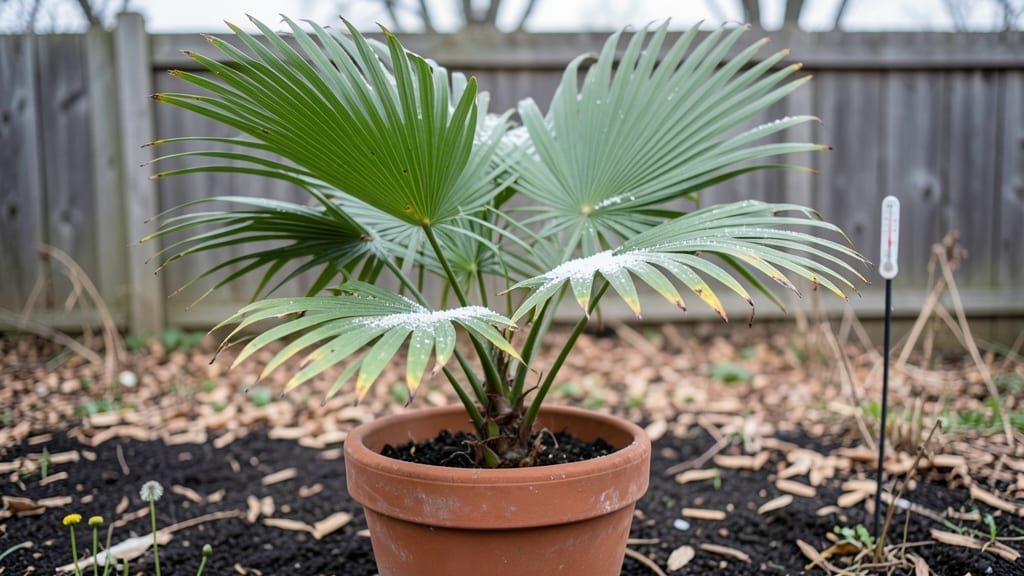
The windmill palm is the most cold-tolerant palm tree I’ve ever grown—it thrives where others wilt, surviving down to 10°F without flinching. 🌿 I’ve watched mine stand tall through Pacific Northwest winters, its fronds unfazed by frost when other palms wilt.
This isn’t just about hardiness; it’s about thriving where others fail.
Most palms need tropical summers and warm winters, but windmill palms (Trachycarpus fortunei) defy that rule. They handle zones 5-9, making them perfect for Seattle, Portland, or even Chicago’s backyards. The secret?
Their thick stems store water and energy, while their fan-shaped leaves shed snow like a roof. Plant them in well-draining soil with morning sun and afternoon shade—just like they’d get under a forest canopy.
You’ll end up with a palm that grows 3-5 feet per year, its glossy fronds adding tropical flair without the fuss. In winter, wrap the base with burlap if temperatures dip below 20°F, and mulch heavily to protect roots.
By spring, it’ll bounce back greener than ever, proving cold tolerance isn’t just survival—it’s a statement.
Works in containers too, so even small spaces can enjoy this hardy stunner. Here’s how to keep yours thriving through every season—no tropical vacation required.
📚 In This Guide
- What you need
- Instructions
- Tips and common mistakes
- Wrapping up and next steps
What you need
- ● Cold-tolerant palm tree sapling: Choose Windmill Palm (Trachycarpus fortunei) or Needle Palm (Rhapidophyllum hystrix)—both handle temps down to 10°F (-12°C).
- ● Well-draining soil mix: 60% native soil + 30% compost + 10% perlite or sand (for aeration). Pro tip: Avoid heavy clay!
- ● Organic mulch: 2–3 inches of pine straw or wood chips to insulate roots.
- ● Slow-release fertilizer: 10-10-10 or palm-specific formula (apply in early spring).
- ● Garden shovel and trowel (for digging).
- ● Wheelbarrow (to mix soil amendments).
- ● Pruners (sterilized!) for trimming dead fronds post-planting.
- ● Hose with nozzle (for gentle watering).
- ○ Optional: Burlap wrap or frost cloth (for young palms in harsh winters).
- ● Sunlight: Full sun (6+ hours/day)—choose a south-facing spot.
- ● Hardiness zone: Plant in USDA Zones 6–10 (PNW zones 7–9 ideal).
- ● Water access: Drip irrigation or a soaker hose for consistent moisture.
- ● Patience: Cold-tolerant palms grow slowly—give them 3+ years to establish.
Step-by-step guide for planting cold-hardy palms in the Pacific Northwest
Here's how to give your palm the best shot at surviving PNW winters.
🌱 Step 1: Select the Right Palm Species for Your Zone
For the Pacific Northwest's USDA Zones 7-9, stick to these proven survivors: Windmill palm (Trachycarpus fortunei), Dwarf Palmetto (Sabal minor), or Needle palm (Rhapidophyllum hystrix). These handle 10-15°F dips better than most palms. I always check the microclimate—sheltered spots near buildings or south-facing slopes add crucial warmth.
Young palms under 3 feet tall are most vulnerable. If you're planting mature specimens, they've already built up cold resistance through years of gradual exposure. Avoid tropical palms like Date or Coconut—they'll crisp in single-digit temps. Local nurseries often carry cold-hardy varieties already acclimated to PNW conditions.
☀️ Step 2: Choose the Perfect Planting Location
Palms need full sun (6+ hours daily) but also protection from freezing winds. I plant mine against south or southwest-facing walls where afternoon sun warms the trunk. In exposed areas, use a windbreak fence or evergreen shrubs as a shield. The goal is to trap heat while still allowing light penetration.
Well-drained soil is critical—palms rot in soggy winter conditions. If your yard has heavy clay, amend with 1-2 inches of compost mixed into the top 12 inches of soil. The root zone should feel like a damp sponge, not a mud puddle. Test drainage by digging a 1-foot hole—if water pools after 30 minutes, raise the planting area or add gravel.
🪴 Step 3: Plant at the Right Time and Depth
Plant in late spring or early summer when soil temps are above 55°F. This gives roots 6-8 weeks to establish before winter arrives. Dig a hole twice as wide as the root ball but only as deep—planting too deep suffocates the root crown. The top of the root ball should sit 1 inch above ground level.
Backfill with native soil mixed with organic matter (like compost or peat moss) to improve structure. Water deeply to settle the soil, then create a 2-inch deep basin around the base to capture future irrigation. Mulch with 3-4 inches of wood chips, keeping it 6 inches away from the trunk to prevent rot. This mulch acts like a blanket, protecting roots from freezing and thawing cycles.
✂️ Step 4: Winterize for PNW Freezes
Once temps drop below 30°F, wrap the trunk of young palms with burlap or frost cloth, securing it with twine. For extra protection, I've used insulating foam wrap (the kind for pipes) around the base. Older palms need less help, but their fronds should be removed down to the last healthy leaf to prevent ice buildup.
Water palms deeply but less frequently in winter—once every 3-4 weeks unless we get a dry spell. The goal is to keep roots from drying out but not soggy. In Zone 7, I've seen palms survive -5°F with proper winter care, but they'll always show some leaf damage. Don't prune dead fronds until late spring—new growth is vulnerable to late frosts.
Tips & tricks for planting cold-tolerant palms
These practical tips will help you maximize your palm's chances of thriving through Pacific Northwest winters.
Species Selection Insight: When choosing between Windmill, Dwarf Palmetto, or Needle palms, consider their growth habits. Windmill palms develop thick, fibrous trunks that act like natural insulation against cold, while Dwarf Palmettos grow in dense clumps that protect each other. Needle palms stay low to the ground, which helps them retain heat closer to the soil. I've seen Windmill palms survive down to 5°F with proper care, but they need that extra protection during their first few winters.
Microclimate Mastery: The 6+ hours of daily sun requirement can be tricky in cloudy PNW winters. If your location gets limited sunlight, supplement with reflective surfaces like light-colored walls or mulch that bounce light back to the palm. I've had success planting near south-facing windows that capture extra warmth during the day. For wind protection, evergreen shrubs work better than deciduous ones—they provide year-round shelter, not just seasonal.
Soil Preparation Secret: That 30-minute drainage test is your best friend for avoiding root rot. If your soil fails the test, consider creating a raised bed instead of just adding gravel. I've found that a 12-inch deep layer of compost-amended soil in a raised bed improves drainage while still retaining moisture. This creates the perfect "damp sponge" environment palms need without risking waterlogging.
Winter Care Pro Tip: For young palms, I've had the best results using two layers of frost cloth instead of just one when temperatures drop below 30°F. The extra layer creates a microclimate that can raise temperatures by 5-10°F around the trunk. Just remember to secure it tightly with twine—PNW winds can be brutal! And always leave the top open to prevent moisture buildup that could lead to fungal issues.
Pro Tips for Most Cold Tolerant Palm Tree
- These practical tips will help you maximize your palm's chances of thriving through Pacific Northwest winters.
- Species Selection Insight: When choosing between Windmill, Dwarf Palmetto, or Needle palms, consider their growth habits.
- Microclimate Mastery: The 6+ hours of daily sun requirement can be tricky in cloudy PNW winters.
Frequently asked questions
Can cold-tolerant palms survive freezing temperatures?
Yes! Palms like the Windmill Palm (Trachycarpus fortunei) and Needle Palm (Rhapidophyllum hystrix) can handle brief dips to 15°F (-9°C). However, prolonged exposure below 20°F (-7°C) may cause leaf damage. Protect young plants with mulch or frost cloth for extra safety.
When is the best time to plant cold-hardy palms?
Plant in early spring or fall when temperatures are mild but not extreme. Avoid winter planting—frost-sensitive roots need time to establish before cold sets in. In the PNW, aim for April–May or September–October for optimal success.
How do I protect my palm from winter damage?
Use these tricks:
- Mulch: Apply 3–4 inches of organic mulch around the base to insulate roots.
- Wrap trunks: Burlap or frost cloth can shield young palms from windburn.
- Avoid watering: Keep soil slightly dry—wet roots freeze faster.
Are there alternatives if palms won’t grow in my zone?
If your area gets below 10°F (-12°C), consider these cold-resistant plants:
Brown fronds often signal cold stress or windburn. Trim damaged leaves in early spring (never in winter—it stresses the plant). If new growth is healthy, the palm will recover. For severe damage, fertilize lightly in spring to encourage regrowth. Test your soil’s drainage before planting—palms hate soggy roots! Amend heavy clay with compost or sand to prevent winter rot. A well-draining site = happier, hardier palms.
These mimic palm aesthetics without the cold risk.
Why are my palm fronds turning brown after winter?
Pro Tip:
Wrapping up and next steps
Choosing the right palm tree for the Pacific Northwest’s chilly climate doesn’t have to be a gamble—species like the Windmill Palm, Needle Palm, and Chinese Windmill Palm prove that beauty and resilience go hand in hand.
With proper care, these hardy palms can thrive even in temperatures dipping below freezing, adding year-round tropical flair to your landscape. 🌱❄️
Ready to bring a touch of the tropics to your yard? Start by researching the specific needs of your chosen palm, then plant with confidence—your future self (and your neighbors) will thank you!
For extra peace of mind, consider consulting a local nursery or arborist to tailor your approach to your microclimate.