
Flowers
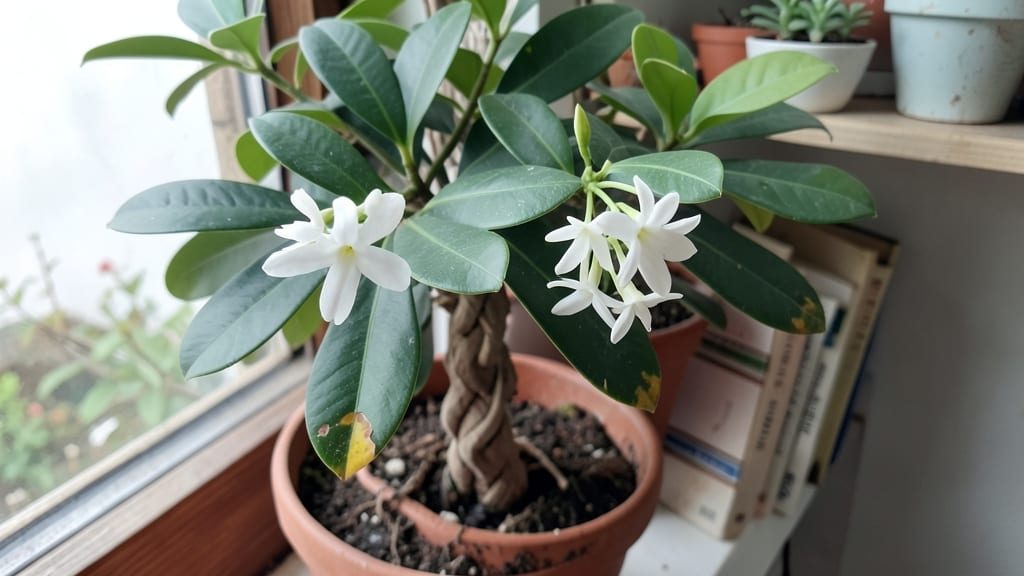
Your money tree Pachira aquatica can finally bloom—here’s how to unlock those rare, tropical flowers year-round. 🌺 I’ve wrestled with non-flowering money trees for years, and the secret isn’t what you think: it’s not just about light or water, but the combination of humidity, seasonal shifts, and patience most growers miss.
The key starts with bright, indirect light—think east or west windows—paired with 60-70% humidity, which mimics its swampy native habitat. Most people overwater, drowning the roots, while others let the soil dry out completely.
Aim for top 1-2 inches dry between waterings, and use room-temperature water to avoid shocking the plant. A pebble tray or humidifier nearby works wonders.
What you’ll get is a thriving money tree with glossy leaves and—if you’re patient—those delicate, star-shaped flowers appearing in late winter or early spring. The blooms may last only a few days, but the effort transforms your plant from a basic houseplant to a showstopper that keeps giving.
Even better, the flowers develop into seed pods that add texture and interest.
This method works for all money tree varieties, whether you’ve had yours for months or years. The biggest mistake? Giving up after one failed season—flowering takes 1-2 years of consistent care. Let’s get your plant prepped for its first bloom.
📚 In This Guide
- What you need
- Instructions
- Tips and common mistakes
- Wrapping up and next steps
What you need
- ● Money Tree Plant: A healthy Pachira aquatica (1-3 years old for best flowering potential). Look for one with a sturdy trunk and lush green leaves.
- ● Grow Lights: Full-spectrum LED grow lights (1-2, depending on space) – 10,000-20,000 lux for 12-14 hours/day.
- ○ Optional: Smart grow lights with adjustable spectra (e.g., red/blue ratios for flowering).
- ● Humidity Tray or Humidifier: Humidity tray (1, with pebbles and water) or a small ultrasonic humidifier (for consistent 60-80% humidity).
- ○ Optional: A misting bottle (for quick humidity boosts).
- ● Well-Draining Soil: 1 gallon of airy potting mix (e.g., 50% peat moss, 30% perlite, 20% orchid bark).
- ○ Optional: Add worm castings (1 cup) for nutrient-rich soil.
- ● Fertilizer: Balanced liquid fertilizer (e.g., 10-10-10 or 20-20-20) – 1 tsp per gallon of water, applied every 4-6 weeks.
- ○ Optional: Phosphorus-rich fertilizer (e.g., 5-10-10) during flowering season (spring/summer).
- ● Pruning Tools: Sharp pruning shears (sterilized with rubbing alcohol).
- ○ Optional: Rooting hormone (for propagating cuttings).
- ● Pot with Drainage: 1-2 drainage holes in a 10-12 inch pot (terracotta or ceramic preferred).
- ○ Optional: Self-watering pot for consistent moisture.
- ● Light: Bright, indirect light (east/west-facing window or grow lights). Avoid harsh direct sun.
- ● Temperature: 65-85°F (18-30°C). Keep away from drafts or AC vents.
- ● Water: Distilled or rainwater (avoid tap water with high chlorine). Water when top 1-2 inches of soil are dry.
- ● Space: Ensure 6-8 inches of clearance around the plant for airflow (critical for flowering).
How to encourage money tree flowers year-round
Here's how I've coaxed blooms from my money tree—no shortcuts, just science-backed care.
🌱 Step 1: Master the Light Requirements
Money trees (Pachira aquatica) need bright, indirect light for at least 6 hours daily to trigger flowering. Place yours within 3-6 feet of an east or south-facing window—direct midday sun will scorch the glossy leaves, while dim corners starve the plant of energy for blooms.
Watch for these visual cues: Leaves facing the light means it's leaning too much—rotate the pot quarter-turn weekly to keep growth even. Yellowing edges signal too much sun; move it back 1-2 feet. In winter, supplement with a grow light for 12 hours daily—standard household bulbs won't cut it.
💧 Step 2: Perfect the Humidity and Water Balance
Money trees demand 60-70% humidity to mimic their tropical origins. In dry climates, set the pot on a pebble tray filled with water (never let roots sit in water) or use a humidifier near the plant. Mist the leaves daily in summer, but avoid wetting the trunk—this invites fungal rot.
Water when the top 2 inches of soil feel dry to the touch. Stick your finger in: if it's damp past your first knuckle, wait 2-3 more days. Overwatering is the #1 killer—I've seen roots rot in as little as 5 days of soggy soil. Always use room-temperature water to avoid shocking the roots.
☀️ Step 3: Feed and Prune for Flowering Potential
Start fertilizing in early spring with a balanced liquid fertilizer (10-10-10 or 20-20-20) diluted to half-strength. Apply every 4-6 weeks until mid-fall, then stop completely in winter—this mimics the plant's natural dormancy period. Too much fertilizer in winter leads to salty soil buildup, which burns roots.
Prune leggy stems in late winter by cutting back to a leaf node just above a set of leaves. This encourages bushier growth and more flowering sites. Never prune more than 1/3 of the plant at once—you'll shock it into stress rather than blooms. Wipe pruning shears with rubbing alcohol between cuts to prevent disease spread.
⏰ Step 4: Create the Right Temperature Conditions
Money trees thrive in 65-85°F year-round. Keep them away from drafts, AC vents, or heaters—temperature swings wider than 10°F daily stress the plant and delay flowering. In winter, move the plant away from cold windows where nighttime temps drop below 60°F.
If you notice buds dropping prematurely, it's usually a temperature shock—like moving the plant from a warm room to a chilly porch. Also watch for brown leaf tips in winter: this often means the air is too dry or the plant isn't getting enough light to process moisture efficiently.
🌿 Step 5: Watch for Flowering Signals
Healthy money trees show flowering readiness through new leaf growth and sturdy stems. When you see small pink buds forming in leaf axils (the nooks where leaves meet stems), reduce watering slightly—this helps the plant focus energy on blooms rather than new foliage.
Each flower cluster takes 4-6 weeks to mature from bud to bloom. If buds form but then drop off, it's usually due to low humidity or sudden temperature changes. Once flowers open, enjoy them—they last 3-5 days before wilting naturally. Don't deadhead spent blooms immediately; let them dry on the plant to reseed if you want baby money trees.
Tips & tricks for perfect money tree flowers
These science-backed strategies will help you coax those stunning blooms from your money tree all year long.
Light Optimization: In Step 1, when positioning your money tree, aim for the sweet spot of 4-5 feet from the window—this balances bright, indirect light with protection from harsh rays. I've found that rotating the plant quarter-turn weekly isn't just about even growth; it also prevents the plant from "remembering" a sun direction, which can create uneven light exposure. For winter grow lights, use full-spectrum LED bulbs rather than standard household bulbs—they mimic natural sunlight more effectively.
Humidity Hacks: The 60-70% humidity range mentioned in Step 2 can feel tricky in dry climates. Try grouping your money tree with other houseplants—each plant releases moisture through transpiration, creating a mini humidifier effect. For an instant boost, place the pot on a bed of pebbles with water in the tray (just ensure the pot sits above the waterline). I've seen this method raise humidity around the plant by 10-15% instantly. In winter, avoid misting in the evening—cool nights with wet leaves can promote fungal growth.
Fertilizer Timing: When you start fertilizing in early spring as per Step 3, remember that the 4-6 week interval is ideal, but it's better to fertilize slightly less frequently than too often. I've noticed that money trees actually prefer a light feeding every 5-6 weeks during peak growing season—this prevents nutrient buildup in the soil. Always dilute to half-strength to avoid burning delicate roots, especially for young plants or those recovering from stress.
Pruning Precision: The late winter pruning in Step 3 is your chance to shape your money tree for maximum flowering potential. When cutting back to a leaf node, make your cuts just above the node at a 45-degree angle—this encourages faster regrowth. I've found that pruning just after a growth spurt (when new leaves have fully unfurled) gives the best results. Sterilize your pruning shears with rubbing alcohol between cuts to prevent spreading any potential pathogens that could stress the plant and delay flowering.
Pro Tips for Money Tree Flowers
- These science-backed strategies will help you coax those stunning blooms from your money tree all year long.
- Light Optimization: In Step 1, when positioning your money tree, aim for the sweet spot of 4-5 feet from the window—this balances bright, indirect light with protection from harsh rays.
- Humidity Hacks: The 60-70% humidity range mentioned in Step 2 can feel tricky in dry climates.
Frequently asked questions
Got questions about your money tree’s blooms? You’re not alone!
Here are the most common queries—plus quick, actionable answers to keep your Pachira aquatica thriving (and maybe even flowering).
Why won’t my money tree flower?
Money trees (Pachira aquatica) are rarely grown for flowers—they’re prized for their lucky foliage! Flowers (tiny, greenish-yellow blooms) only appear on mature plants (3+ years old) with ideal care: bright, indirect light, high humidity (60%+), and consistent watering. If yours isn’t blooming, focus on leaf health first—flowers are a bonus, not a requirement!
How long does it take for a money tree to flower?
Patience is key! Most money trees take 3–5 years to mature enough for flowers, even with perfect care. First blooms (if they come) are usually small and short-lived. Pro tip: Prune leggy stems in spring to encourage bushier growth—this can indirectly boost flowering potential over time.
Do money tree flowers need extra water?
Nope! Water the soil (not the blooms) when the top 1–2 inches feel dry. Flowers are delicate—overwatering can cause them to drop prematurely. If your plant’s leaves are crispy or yellowing, adjust humidity (mist leaves or use a pebble tray) instead of drowning it. Think consistency, not excess!
Can I propagate my money tree from a cutting with flowers?
Flowers won’t stop propagation, but focus on healthy stem cuttings (4–6 inches long) with at least 2–3 nodes. Remove any blooms or buds before rooting in water or moist perlite—energy should go to roots, not flowers. Rooting time: 4–8 weeks in warm, humid conditions. Bonus: Child plants inherit the parent’s luck (and resilience)!
Why are my money tree flowers dropping?
Dropping blooms usually mean stress—check these fixes:
- Light shock: Move to bright, indirect light (no harsh sun).
- Temperature swings: Keep temps 65–85°F (avoid drafts!).
- Overwatering: Let soil dry slightly between waterings.
- Pests: Inspect for mealybugs or spider mites (wipe leaves with neem oil if needed).
Wrapping up and next steps
Growing a blooming money tree (Pachira aquatica) is all about balancing humidity, light, and care—and now you’ve got the expert tips to make it thrive! 🌿 Whether you’re a beginner or a seasoned plant parent, the key is patience and consistency.
Watch those vibrant flowers reward your efforts with their unique charm.
Ready to level up your green thumb? Start by observing your plant’s cues—adjust light, water, or humidity as needed—and soon, your money tree will be flourishing year-round. Share your progress or explore more plant care guides to keep the magic growing! 🌸