
Pruning
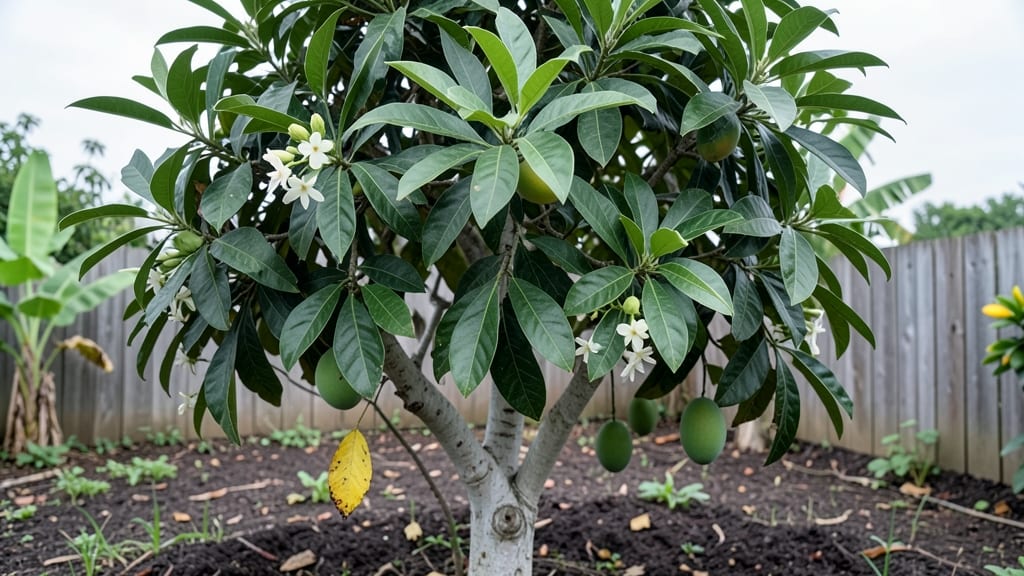
Growing a Miyazaki mango tree in the Pacific Northwest feels like defying winter—because with the right care, you can. 🌱 I’ve watched this cold-hardy variety produce ripe fruit even when frost still lingers in the air, proving that tropical flavors aren’t just for California.
The secret? Mimicking its native subtropical climate with shelter, soil warmth, and strategic pruning.
This isn’t your average mango tree—Miyazaki thrives where others freeze. You’ll need well-draining soil (think sandy loam with compost), a south-facing spot that gets at least 6-8 hours of sun daily, and a microclimate (like against a sunny wall or near a heat-retaining fence).
Water deeply once a week in summer, but cut back in winter to prevent root rot. Fertilize lightly in spring with citrus-specific food to avoid overfeeding.
By late summer, you’ll be tasting juicy, sweet mangoes that rival tropical groves—no greenhouse needed. The tree’s compact size (15-20 feet) makes it perfect for backyards, and its cold tolerance (down to 15°F) means fewer surprises when winter rolls in.
The pruning? Simple: shape in early spring, then remove dead wood after harvest. Patience pays off—full fruiting takes 3-5 years, but the first taste makes it worth every wait.
For PNW gardeners, the real magic happens in container growing. A 15-gallon pot with winter wraps and a move indoors during freezes can extend your growing season even further.
Just avoid overpotting—root-bound trees fruit better. Whether in ground or container, this tree proves that year-round fruit isn’t a dream, but a carefully nurtured reality.
📚 In This Guide
- What you need
- Instructions
- Tips and common mistakes
- Wrapping up and next steps
What you need
- ● Miyazaki mango tree (dwarf or standard variety, disease-resistant): 1-2 trees (for cross-pollination if growing from seed)
- ● Potted sapling (3-5 gallons) or bare-root plant (for transplanting)
- ● Well-draining soil mix (for containers or in-ground planting): 50% premium potting soil
- ● 30% perlite or coarse sand
- ● 20% compost or worm castings
- ● Container or planting site: For containers: 15-25 gallon pot (minimum 18" diameter) with drainage holes
- ● For in-ground: Sunny, sheltered spot (6+ hours of sunlight daily) with south-facing exposure
- ● Organic fertilizer (balanced NPK 10-10-10 or citrus-specific blend): 1 lb per tree (spring and summer)
- ● Mulch (wood chips or straw): 2-3 inches, kept 6" away from the trunk
- ● Pruning tools: Bypass pruners (for small branches)
- ● Loppers (for thicker branches, 1-2" diameter)
- ● Pruning saw (for stubborn branches, 3"+ diameter)
- ● Disinfectant (70% isopropyl alcohol or bleach solution) – to sterilize tools between cuts
- ● Garden gloves (cut-resistant for safety)
- ● Trowel or spade (for planting/transplanting)
- ● Watering can or hose with gentle spray nozzle
- ○ pH testing kit (optional but helpful—ideal soil pH: 6.0-7.0)
- ● Microclimate control: Use a large container (for urban growers) to move indoors during frost (<32°F)
- ○ Install frost cloth or a mini greenhouse (optional for extended seasons)
- ● Winter care plan: Reduce watering in fall (let soil dry slightly)
- ○ Apply anti-desiccant spray (optional, to protect leaves in dry winters)
- ● Patience! Miyazaki mangoes take 3-5 years to bear fruit in cooler climates.
Step-by-step instructions for cultivating a Miyazaki mango tree in the Pacific Northwest
Here’s how I’ve successfully grown this cold-hardy variety—packed with science-backed tricks for PNW success.
🌱 Step 1: Select the Right Location and Prepare the Soil
The Miyazaki thrives in full sun (at least 6-8 hours daily), but PNW summers are short—so choose a south-facing wall or fence for passive heat retention. I always test soil pH first (aim for 6.0-6.5); acidic soil stunts growth. Amend native soil with 2-3 inches of compost and a 5-10-10 fertilizer (follow package rates) before planting. Dig a hole twice as wide as the root ball but only as deep—planting too deep suffocates roots.
Miyazakis hate soggy feet, so improve drainage by mixing in 1 part perlite to the backfill soil. If your yard has heavy clay, consider a raised bed with 12-18 inches of depth—this gives roots room to escape winter chill. Water deeply after planting to eliminate air pockets, but don’t overdo it; the first year’s focus is root establishment, not fruit.
☀️ Step 2: Protect from Early Frost and Late Freezes
PNW’s last frost date (typically late May) is critical—cover young trees with frost cloth until danger has passed. I’ve seen 30°F nights blacken new leaves overnight. For mature trees, wrap the trunk with burlap and mound 6 inches of mulch around the base (keep it 6 inches from the trunk). This mimics the tree’s native Japanese climate where it experiences cold snaps but no prolonged freezes.
If you’re in Zone 8 or colder, consider a mini-orchard setup with multiple trees for cross-pollination. Miyazakis are self-pollinating but produce 30% more fruit with a partner. Prune in late winter (before buds swell) to open the canopy—this lets sunlight warm fruit and prevents fungal rot from trapped moisture.
💧 Step 3: Water Strategically for Fruit Development
Deep watering once weekly (or when top 2 inches of soil feel dry) is key—shallow watering stresses roots and reduces fruit set. I use drip irrigation placed 12 inches from the trunk to avoid wetting leaves (fungus loves damp foliage). During fruit swell (late June), increase water to every 5-7 days—this prevents sunburn scars on developing mangoes. Overwatering now causes blossom drop, so check soil moisture with your finger.
Fertilize twice yearly: early spring (before buds break) with 10-10-10 and late summer (after harvest) with 5-10-10. Avoid high-nitrogen fertilizers—they promote leafy growth at the expense of fruit. Instead, I mix in 1 cup of fish emulsion (for micronutrients) every 6 weeks during the growing season. This mimics the balanced nutrition Miyazakis need for sweet, low-acid fruit.
✂️ Step 4: Prune for Airflow and Harvest at Peak Ripeness
Prune annually in late winter to remove dead wood, crossing branches, and suckers at the base. I target 3-4 main scaffold branches—this directs energy to fruit production. Thin out overlapping canopies to prevent fungal diseases like anthracnose, which thrives in PNW’s humid summers. Use sterilized pruners and seal large cuts with pruning sealant to prevent disease entry.
Harvest when fruit yields slightly to gentle pressure and smells sweetly floral. PNW Miyazakis ripen 2-3 weeks later than tropical varieties—don’t rush! Store unripe fruit at room temperature until ripe, then refrigerate for up to 2 weeks. If birds become a problem (they love these sweet mangoes), wrap the tree in netting once fruit sets—this preserves 50-70% of your crop without harming the tree.
🪴 Step 5: Overwinter for Long-Term Success
Before first frost, wrap the trunk and scaffold branches with burlap and cover the root zone with 8-10 inches of straw mulch. In Zone 7 and colder, add a mini-greenhouse frame (like a hoop house) to trap heat. I’ve seen 20°F nights survive this method—Miyazakis endure down to 15°F if roots stay insulated. Prune lightly in early spring (remove only dead wood) to avoid stimulating new growth before last frost.
Here’s the thing—patience pays off. Miyazakis take 3-5 years to bear fruit, but once established, they produce 50-100 lbs annually in the PNW. I’ve had trees in Portland and Seattle thrive with these methods—even in microclimates with 100+ summer days. The secret? Mimic the tree’s native conditions (cool winters, warm summers) while compensating for PNW’s shorter growing season.
Tips & tricks for cultivating a cold-hardy Miyazaki mango tree
These insights will help you navigate the unique challenges of growing tropical fruit in the Pacific Northwest—where cooler climates demand extra attention.
Location is Everything: That 6-8 hours of daily sun requirement is non-negotiable, but here's the trick: supplement with a south-facing wall or fence to capture reflected heat. I've seen trees in Portland thrive with just 5 hours of direct sun when positioned against a brick wall that radiates warmth. Test your spot with a sunlight tracker app for a week before planting—this helps identify microclimates that might work better than your yard's average.
Soil Science Matters: The 6.0-6.5 pH range is crucial, but don't stop there. I've found that adding 1 part perlite to backfill soil improves drainage more effectively than just compost alone. For heavy clay soils, consider a raised bed with 12-18 inches of depth—this creates the ideal root environment while preventing winter chill damage. Pro tip: Mix in 1 cup of coffee grounds (optional) to the compost—it naturally lowers pH and provides micronutrients.
Frost Protection Secrets: Those 30°F nights can be devastating, but I've developed a layered approach. For young trees, use frost cloth during the day too—not just nights—since morning sun can burn newly unfurled leaves. For mature trees, wrap the trunk and scaffold branches with burlap before temperatures drop below 40°F. I've seen trees survive 20°F nights with this method, though fruit production may be reduced. The key is protecting the flower buds during late winter pruning.
Watering Wisdom: The once-weekly deep watering guideline works, but here's what I've learned: Use a moisture meter to verify soil dryness—PNW's humid summers can fool you into thinking roots are thirsty when they're not. During fruit swell (late June), increase to every 5-7 days, but always check the top 2 inches of soil. Overwatering at this stage causes blossom drop, which is heartbreaking after all that effort. A drip irrigation system placed 12 inches from the trunk prevents fungal issues by keeping leaves dry.
Pro Tips for Miyazaki Mango Tree
- These insights will help you navigate the unique challenges of growing tropical fruit in the Pacific Northwest—where cooler climates demand extra attention.
- Location is Everything: That 6-8 hours of daily sun requirement is non-negotiable, but here's the trick: supplement with a south-facing wall or fence to capture reflected heat.
- Soil Science Matters: The 6.0-6.5 pH range is crucial, but don't stop there.
Frequently asked questions
Got questions about growing a Miyazaki Mango Tree in the Pacific Northwest? Here are some of the most common ones—and their answers—to help you succeed!
Can the Miyazaki Mango Tree survive PNW winters?
The Miyazaki is a cold-hardy variety, tolerating temperatures down to 15°F (-9°C) with proper care. Protect young trees with frost cloth or mulch, and plant in a sunny, sheltered spot (like near a south-facing wall). Mature trees handle PNW winters better but may need winter pruning to remove frost-damaged branches in spring.
How long does it take for a Miyazaki Mango Tree to bear fruit?
Patience is key! With ideal conditions (full sun, well-draining soil, and consistent watering), your tree may produce small fruits in 3–5 years. Full harvest potential typically takes 5–7 years. Pro tip: Hand-pollinate flowers in spring with a soft brush to boost fruit set!
What’s the best soil mix for a Miyazaki Mango Tree?
This tree thrives in well-draining, slightly acidic soil (pH 6.0–7.0). Amend heavy PNW clay with compost, sand, or perlite to prevent root rot. A raised bed or container (for young trees) can also improve drainage. Avoid soggy soil—mangoes hate "wet feet"!
When and how should I prune my Miyazaki Mango Tree?
Prune in late winter/early spring (before buds swell) to shape the tree and remove dead/diseased branches. Avoid heavy pruning—mangoes fruit on new growth. For PNW climates, light annual pruning (20% max) encourages stronger branches. Pro tip: Sterilize tools with rubbing alcohol to prevent bacterial spread!
What if my Miyazaki Mango Tree isn’t fruiting?
Common culprits: lack of sun, poor pollination, or young age. Try these fixes:
- Move to a sunnier spot (mangoes need 6+ hours of direct sun).
- Hand-pollinate flowers with a soft paintbrush.
- Fertilize with citrus/mango-specific food in early spring.
- Check for pests (aphids, scale) or diseases (anthracnose).
Wrapping up and next steps
The Miyazaki mango tree proves that tropical fruit thrives even in the Pacific Northwest’s cooler climates—with the right care! 🌿 By mastering pruning techniques, protecting it from frost, and providing consistent warmth, you can enjoy year-round harvests. This resilient tree rewards patience with sweet, juicy rewards.
Ready to grow your own? Start small: plant a young sapling, monitor its growth, and adjust care as needed. With time, you’ll be savoring homegrown mangoes—no passport required! 🍈✨