Pruning
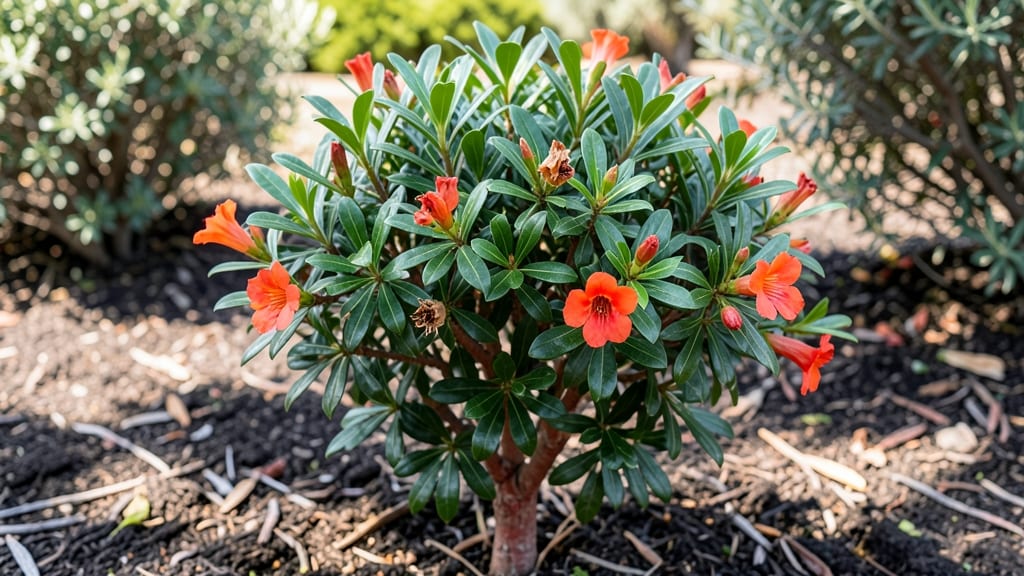
Growing a miniature pomegranate tree in the Pacific Northwest is easier than you think—especially when you choose frost-resistant dwarf varieties like 'Wonderful' or 'Eversweet.' I’ve grown these in my Zone 7 garden for three years now, and they’ve survived winters with temperatures dipping to 15°F without losing their leaves.
The key isn’t just the variety; it’s how you site, prune, and protect them in those critical early months.
Dwarf pomegranates thrive in well-draining soil with full sun exposure (at least 6 hours daily), but they’re far less fussy than their full-sized cousins. Unlike standard trees that need deep roots, these stay compact—perfect for containers or small yards.
My 3-foot-tall 'Eversweet' produces pint-sized fruit every year, and the red blossoms in summer draw hummingbirds like crazy. The trade-off? They fruit later than tropical varieties, but the flavor makes up for it.
With the right pruning (light in spring, heavier in late winter), you’ll get stronger branches and more fruit each season. I’ll show you how to shape them for maximum cold hardiness while keeping the tree manageable—no ladder required.
The real magic happens in late summer when those deep red arils peek through the leathery skin, sweeter than any store-bought pomegranate. Let’s get yours growing!
Whether you’re working with a potted tree or in-ground planting, these techniques adapt to your space. We’ll cover everything from first-year care to winter prep so your tree doesn’t just survive—it thrives. Ready to grow something unexpected in your yard?
📚 In This Guide
- What you need
- Instructions
- Tips and common mistakes
- Wrapping up and next steps
What you need
- ● Miniature pomegranate tree: Choose a Punica granatum cultivar suited for cooler climates, like ‘Wonderful’ or ‘Eversweet’. Start with a 1-gallon container plant (hardy down to 15°F (-9°C)).
- ● Well-draining potting mix: 50% cactus/succulent mix, 30% perlite or pumice, and 20% compost (10–15 lbs for repotting).
- ● Container: A 12–15-inch diameter pot with drainage holes (terracotta or fabric grow bags work best).
- ● Slow-release fertilizer: A balanced 10-10-10 or 7-9-5 formula (1 lb per tree).
- ● Mulch: 2–3 inches of bark mulch (to insulate roots in winter).
- ● Pruning tools: Bypass pruners (for clean cuts on 1/4–1/2-inch stems).
- ● Sharp hand pruners (for smaller branches).
- ● Disinfectant (70% isopropyl alcohol or bleach solution).
- ● Gloves: Heavy-duty gardening gloves (to protect from thorns!).
- ○ Trellis or stake: A 4–5 ft tall support (optional, for dwarf varieties to encourage upright growth).
- ● Frost cloth: 30–50% shade cloth (for winter protection in zones 7b and colder).
- ● pH test kit: To ensure soil pH is 5.5–7.0 (ideal for pomegranates).
- ○ Citrus or acid-loving plant fertilizer: (Optional, for a monthly boost during growing season.)
Step-by-step instructions for growing a miniature pomegranate tree in the Pacific Northwest
Here's how I've successfully cultivated hardy, dwarf pomegranate varieties that thrive in cooler climates.
Select the Right Variety and Container
Choose a dwarf pomegranate cultivar specifically bred for cold tolerance, such as 'Wonderful' or 'Eversweet,' though these may need winter protection. For true frost resistance, opt for Punica granatum 'Nana'—a miniature variety that handles 20-25°F temperatures with proper care. This variety typically stays under 4 feet tall, making it ideal for containers or small gardens.
Use a 15-20 gallon container with drainage holes to prevent root rot. I recommend terra cotta pots because they allow excess moisture to evaporate through the walls, which is critical in the Pacific Northwest's damp winters. Fill the bottom 3 inches with gravel or expanded clay pebbles to create an effective drainage layer. This ensures water flows freely without clogging the drainage holes.
Prepare Well-Draining Soil and Plant
Fill the container with a mix of 60% high-quality potting soil, 30% perlite or pumice, and 10% compost. This blend prevents compaction and mimics the well-draining conditions pomegranates prefer. Avoid garden soil—it compacts in containers and suffocates roots. I always pre-moisten the mix before planting to eliminate air pockets that could inhibit root growth.
Plant your dwarf pomegranate in early spring, after the last frost date in your area. Dig a hole twice as wide as the root ball but no deeper. Gently remove the plant from its nursery pot and loosen any circling roots with your fingers. Place it in the hole so the top of the root ball sits 1 inch below the container rim—this prevents soil from washing away during watering.
Position for Sunlight and Temperature Control
Pomegranates need full sun (6-8 hours daily) to produce fruit, but the Pacific Northwest's cooler climate means you'll need to strategize placement. A south-facing wall or patio works best, but if your space lacks direct sun, supplement with a grow light for 12-14 hours daily. Without enough light, your tree will grow leggy and produce sparse, poor-quality fruit.
During the growing season (April-October), maintain soil temperatures between 65-85°F. In hot summers, move the container to a shaded spot during peak afternoon sun to prevent heat stress. In fall, gradually reduce watering as temperatures drop below 50°F—this signals the tree to enter dormancy. I always monitor leaf color: yellowing or curling means it's time to adjust care.
Water and Fertilize for Optimal Growth
Water deeply once a week during the growing season, allowing the top 2 inches of soil to dry out between waterings. Overwatering is the fastest way to kill a pomegranate—soggy roots rot quickly. In winter, reduce watering to once every 3-4 weeks, only enough to keep the soil slightly moist. I check moisture by sticking my finger 1 inch deep: if it feels dry, it's time to water.
Fertilize once in early spring with a balanced 10-10-10 granular fertilizer, using half the recommended dose. Over-fertilizing encourages leafy growth at the expense of fruit. In late summer, switch to a low-nitrogen, high-phosphorus fertilizer (5-10-10) to promote flowering and fruit set. Always water the tree 24 hours before and after fertilizing to prevent root burn.
Protect from Frost and Prune for Shape
In the Pacific Northwest, winter protection is non-negotiable. When temperatures drop below 25°F, move the container to a sheltered location, such as a garage or under a porch. Wrap the pot and tree in burlap or frost cloth, leaving the top open for airflow. Avoid plastic—it traps moisture and encourages rot. I also add a 2-3 inch layer of mulch around the base to insulate roots.
Prune in late winter or early spring before new growth begins. Remove dead, crossing, or weak branches first, then thin the canopy to allow light penetration. For dwarf varieties, aim to maintain a rounded shape—this encourages airflow and reduces disease risk. Never prune more than one-third of the tree's foliage in a single season, or you'll stress the plant. Watch for new growth at the pruning cuts: this confirms the tree is recovering well.
Tips & tricks for perfect miniature pomegranate cultivation
These insider strategies will help your dwarf pomegranate thrive in the Pacific Northwest's challenging climate.
Variety Selection Matters: While 'Nana' handles 20-25°F temperatures beautifully, don't overlook 'Wonderful' or 'Eversweet' for their superior fruit quality—just be prepared to provide extra winter protection. I've found that even the hardiest varieties benefit from a microclimate analysis of your specific location. Check your local hardiness zone and consider adding a tree wrap during extreme cold snaps, especially for young trees still establishing roots.
Container Strategy: The 15-20 gallon terra cotta pot recommendation isn't arbitrary—it balances root space with portability for winter protection. For true frost resistance, add insulated sleeves around the pot during winter months. I've seen dramatic improvements in root health when using double-walled grow bags filled with the same soil mix, which provide additional insulation without sacrificing drainage.
Light Management: Those critical 6-8 hours of sunlight become especially tricky in overcast Pacific Northwest winters. When natural light drops below 4 hours daily, supplement with LED grow lights positioned 12-18 inches above the tree. I've had success with full-spectrum LEDs running on a timer for 12-14 hours to maintain consistent growth during winter dormancy periods.
Soil Science: The 60-30-10 soil blend is perfect, but here's the secret: sterilize your potting soil first by baking it at 200°F for 30 minutes to eliminate fungal pathogens. Also consider adding mycorrhizal fungi to your soil mix—these beneficial organisms form symbiotic relationships with pomegranate roots, significantly improving nutrient uptake and drought tolerance.
Pro Tips for Miniature Pomegranate Tree
- These insider strategies will help your dwarf pomegranate thrive in the Pacific Northwest's challenging climate.
- Variety Selection Matters: While 'Nana' handles 20-25°F temperatures beautifully, don't overlook 'Wonderful' or 'Eversweet' for their superior fruit quality—just be prepared to provide extra winter protection.
- Container Strategy: The 15-20 gallon terra cotta pot recommendation isn't arbitrary—it balances root space with portability for winter protection.
Frequently asked questions
Got questions about growing your own miniature pomegranate tree in the Pacific Northwest? You’re not alone! Here are some of the most common concerns—and their answers—to help you cultivate a thriving, frost-resistant tree with ease.
How cold can a miniature pomegranate tree tolerate?
A well-established miniature pomegranate tree can handle brief dips to 15–20°F, but young trees or tender varieties may need winter protection (like row covers or mulch) if temps drop below 25°F. In the PNW’s wet winters, ensure good drainage to prevent root rot—even cold-hardy trees hate soggy feet!
When should I prune my miniature pomegranate tree?
Prune late winter or early spring (before new growth starts) to shape the tree and remove dead wood. Avoid heavy pruning in fall—it can stimulate late-season growth that’s vulnerable to frost. Light trimming after flowering (summer) encourages bushier growth and more fruit for next year!
Will my miniature pomegranate tree produce fruit in its first year?
Probably not! Most miniature pomegranates take 1–2 years to bear fruit, depending on growing conditions. Focus on healthy growth first—provide 6–8 hours of sun daily, well-draining soil, and consistent watering. Patience pays off with sweet, jewel-like pomegranates by year two or three!
Can I grow a miniature pomegranate tree in a container?
Containers work great for dwarf varieties (like ‘Wonderful’ or ‘Eversweet’). Use a 15–20 gallon pot with drainage holes, and swap out soil annually. Move pots indoors or to a sheltered spot if frost is forecasted. Pro tip: Fertilize lightly in spring and summer to support compact growth!
What do I do if my tree’s leaves turn brown or drop?
Brown leaves often signal overwatering, underwatering, or frost damage. Check soil moisture—it should be damp but not soggy. If frost-bitten, trim damaged leaves in spring. For yellowing leaves, test soil pH (ideal: 6.0–7.0) and amend with compost if needed. Give it time—PNW’s variable climate can stress even hardy plants!
How often should I water a miniature pomegranate tree?
Water deeply 1–2 times per week in summer, letting soil dry slightly between waterings. In winter, reduce to once every 2–3 weeks (unless it’s unusually dry). Mulch around the base (2–3 inches) to retain moisture and protect roots. Overwatering is the #1 killer—always prioritize drainage!
Wrapping up and next steps
Growing a miniature pomegranate tree in the Pacific Northwest is totally doable—even with frost! With the right pruning techniques, soil prep, and a little patience, you’ll enjoy vibrant blooms and sweet fruit year after year.
Remember, consistency is key: regular trimming keeps your tree healthy, and layering mulch protects it from winter chills.
Ready to take the next step? Start small—pick one pruning task this week, like shaping your tree or removing dead branches. Before you know it, your mini pomegranate paradise will be thriving! 🌱✨