
Pruning
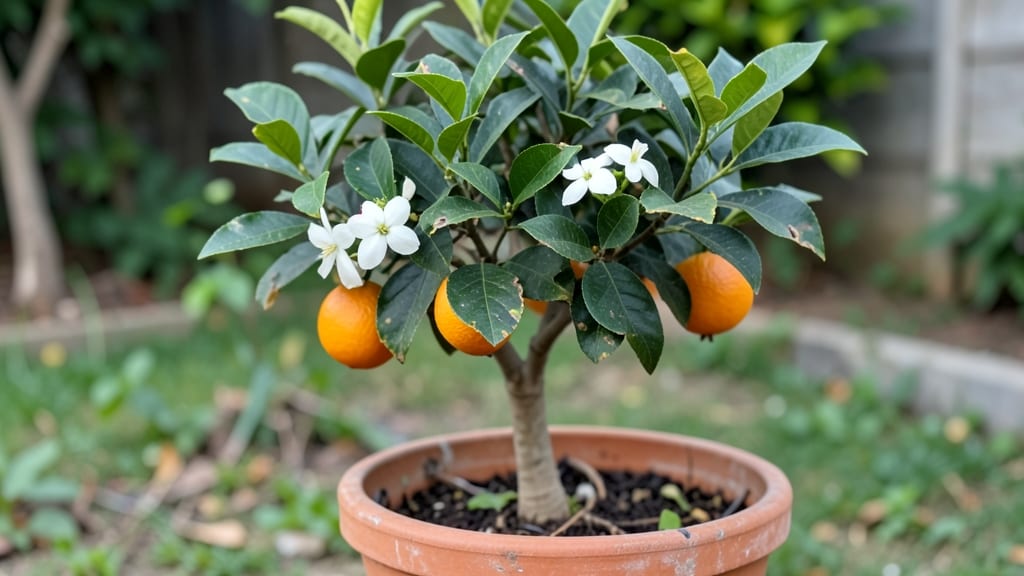
Growing a miniature orange tree in containers means fresh citrus fruit on your patio—or even your kitchen counter—no matter where you live. 🌱 The secret lies in mimicking its Mediterranean roots: bright light, warm temperatures, and well-draining soil.
I’ve watched my own Calamondin tree produce tiny, tart oranges indoors, and it’s changed how I think about growing citrus year-round.
You’ll need a 5-15 gallon container (depending on variety), fast-draining potting mix, and a sunny spot—indoors near a south-facing window or outdoors in partial shade during summer. Dwarf varieties like the Improved Meyer lemon or Citrus × microcarpa stay compact but still reward you with fruit.
The key is consistency: water when the top inch of soil dries, and fertilize lightly every 4-6 weeks during growing season. Overwatering is the fastest way to kill these finicky little trees.
By winter, you’ll be harvesting tiny, intensely sweet oranges (or lemons, depending on your variety) that taste like nothing store-bought. The fragrance alone—bright and zesty—will make your kitchen smell like a Tuscan market.
Prune lightly after harvest to encourage bushier growth, and watch as your tree becomes the centerpiece of your space. It’s not just a plant; it’s a living decoration that pays you back in fruit.
Whether you’re growing on a balcony in Florida or a windowsill in New York, the same rules apply: light, warmth, and patience. My first tree took two years to fruit, but now it’s a reliable producer.
The best part? You’ll never need to buy citrus again—or deal with the bitter aftertaste of grocery store oranges. Ready to start your own citrus adventure?
📚 In This Guide
- What you need
- Instructions
- Tips and common mistakes
- Wrapping up and next steps
What you need
- ● Miniature orange tree (Citrus × aurantium or Citrus sinensis 'Calamondin'): 1 dwarf variety (3–5 ft mature height) from a reputable nursery.
- ● Ensure it’s potted and healthy, with no signs of pests or disease.
- ● Container: 1 pot (12–18 inches in diameter) with drainage holes.
- ● Material: Terracotta (breathable) or plastic (retains moisture).
- ● Well-draining potting mix: 50% cactus/succulent mix + 50% perlite or pumice (improves aeration).
- ○ Optional: Add 1 tbsp slow-release citrus fertilizer per gallon of mix.
- ● Pruning tools: 1 pair of sterilized bypass pruners (sharp and clean).
- ● 1 small hand saw (for thicker branches, if needed).
- ○ Pruning sealant (optional but recommended): 1 bottle tree wound pruning paste (to prevent disease entry).
- ● Gloves: 1 pair nitrile or leather gloves (protects from thorns and sap).
- ● Spray bottle: For misting leaves (especially in dry climates).
- ● pH testing kit: To monitor soil acidity (ideal range: 6.0–7.0).
- ● Support stake: 1 lightweight stake (for young trees to prevent toppling).
- ○ Grow lights (optional): LED full-spectrum bulb for indoor setups (12–14 hrs/day).
- ● Citrus food: Liquid fertilizer (balanced NPK 6-6-6 or citrus-specific).
- ● Access to bright, indirect light (6+ hours daily; south-facing window or grow light).
- ● Consistent temperature control (ideal: 65–80°F; avoid drafts).
- ● Patience! Miniature orange trees may take 3–5 years to bear fruit.
Step-by-Step instructions for growing a thriving miniature orange tree
Here’s how to cultivate a dwarf citrus tree that blooms, fruits, and thrives year-round on your patio.
🌱 Step 1: Select the Right Variety and Container
Choose a dwarf citrus variety like ‘Calamondin,’ ‘Improved Meyer Lemon,’ or ‘Satsuma’—these stay under 6 feet tall and produce fruit in containers. The 15-gallon pot you’ve picked is perfect: large enough for roots to spread but manageable for balcony spaces. Ensure it has drainage holes—citrus hates soggy roots, and without them, root rot will kill your tree within weeks.
Fill the pot with well-draining potting mix (avoid garden soil—it compacts and suffocates roots). I blend cactus/succulent mix with perlite in a 3:1 ratio for optimal aeration. Tap the pot gently to settle the soil, then water until it’s evenly moist but not soggy. The surface should look damp but not glisten.
☀️ Step 2: Position for Maximum Sunlight and Warmth
Miniature citrus trees need full sun (6–8 hours daily) to fruit well. A south-facing window or patio in direct sunlight works, but if you’re indoors, supplement with a grow light placed 12–18 inches above the tree. Without enough light, leaves yellow (a classic sign of chlorosis), and buds fail to set fruit.
Keep temperatures between 65–80°F—citrus is tropical and wilts below 50°F. If your balcony dips into the 40s at night, move the tree indoors temporarily. Watch for new growth—healthy leaves should be deep green and glossy, not dull or curling. Adjust the light source if you notice leggy stems stretching toward windows.
💧 Step 3: Water and Fertilize for Consistent Fruit Production
Water when the top 1–2 inches of soil feel dry—stick your finger in to check. Overwatering is the #1 killer of container citrus. I use a self-watering pot to prevent soggy soil, but if yours lacks one, water deeply until it drains from the bottom. Empty the saucer after 10 minutes to avoid root rot.
Feed every 4–6 weeks with a citrus-specific fertilizer (high in nitrogen early, phosphorus mid-season, potassium late). I switch to half-strength fertilizer in winter when growth slows. You’ll see blooms in spring if the tree is happy—tiny white flowers that eventually turn into fruit. Prune spent blooms to encourage more fruiting.
✂️ Step 4: Prune and Shape for Health and Aesthetics
Prune in late winter or early spring before new growth starts. Remove dead, crossing, or inward-growing branches first—this improves airflow and prevents disease. Use clean, sharp pruners to make cuts just above a leaf node (where new growth emerges). Avoid cutting into old wood; citrus doesn’t regrow well from severe pruning.
Shape the tree by trimming overly long branches to maintain its dwarf form. Aim for an open center so sunlight reaches all leaves. After pruning, spray the cuts with diluted hydrogen peroxide (3%) to prevent fungal infections. You’ll notice new shoots within weeks—this is your tree’s way of rewarding careful pruning.
⏰ Step 5: Overwinter for Long-Term Success
When temperatures drop below 50°F, move your tree indoors near a sunny window or under grow lights. Reduce watering to every 2–3 weeks—citrus goes dormant in winter, and overwatering stresses it. Check for pests like spider mites (common indoors) and treat with neem oil if you spot webbing or tiny dots on leaves.
Resume normal care in early spring when buds begin to swell. You’ll see new leaves unfurling and flowers forming—this is the payoff for winter care. If your tree drops leaves, it’s likely shock from temperature changes or low humidity. A humidifier nearby or pebble tray with water helps mimic tropical conditions.
Tips & tricks for perfect miniature orange trees
Growing a thriving miniature orange tree takes patience and attention to detail—but these pro tips will help you avoid common pitfalls and maximize your tree's potential.
Soil Science: The 3:1 ratio of cactus/succulent mix to perlite in Step 1 is non-negotiable for proper drainage. I've seen too many container citrus trees fail because people use regular potting soil—it compacts and suffocates roots. For even better aeration, add a handful of coarse sand or pumice to the mix. This creates the perfect balance of moisture retention and oxygen flow that citrus roots crave, especially in those 6-8 hours of daily sun.
Lighting Strategy: That 12-18 inch distance for grow lights in Step 2 isn't arbitrary—it's the sweet spot for preventing leggy growth while avoiding leaf burn. I recommend using LED grow lights with a full spectrum (especially red and blue wavelengths) for optimal photosynthesis. If you notice your tree stretching toward the light, gradually lower the light source by 1-2 inches every few days until you reach the ideal distance.
Fertilizer Timing: The 4-6 week feeding schedule in Step 3 works wonders, but here's the secret: always fertilize in the morning. This gives the tree time to absorb nutrients before the heat of the day. I also recommend flushing the soil with plain water every 3 months to prevent salt buildup from fertilizers—just water until it drains completely from the bottom.
Pruning Precision: When you're shaping your tree in Step 4, focus on creating that open center by removing branches that grow inward. This isn't just about aesthetics—it's crucial for airflow that prevents fungal diseases. I always make my cuts at a 45-degree angle just above a leaf node, then immediately seal the wound with diluted hydrogen peroxide. This technique dramatically reduces the risk of infection and promotes faster healing.
Pro Tips for Miniature Orange Tree
- Growing a thriving miniature orange tree takes patience and attention to detail—but these pro tips will help you avoid common pitfalls and maximize your tree's potential.
- Soil Science: The 3:1 ratio of cactus/succulent mix to perlite in Step 1 is non-negotiable for proper drainage.
- Lighting Strategy: That 12-18 inch distance for grow lights in Step 2 isn't arbitrary—it's the sweet spot for preventing leggy growth while avoiding leaf burn.
Frequently asked questions
Got questions about growing your own miniature orange tree? You’re not alone! Here are answers to the most common queries to help you nurture your tiny citrus companion with confidence.
How often should I prune my miniature orange tree?
Prune your miniature orange tree lightly every 3–4 months to maintain shape and encourage fruiting. Focus on removing dead or crossing branches in late winter or early spring (just before new growth starts). Avoid heavy pruning—these trees thrive with minimal trimming!
Can a miniature orange tree survive winter indoors?
Yes! Most dwarf varieties (like Calamondin or Meyer lemon-orange hybrids) tolerate indoor winters if placed near a sunny window (6+ hours of light daily). Keep humidity up with a pebble tray or humidifier—dry air can stress the tree. Watch for leaf drop if temps dip below 50°F (10°C).
Why isn’t my miniature orange tree bearing fruit?
Patience is key—dwarf trees may take 2–5 years to fruit! Ensure it gets full sun (6+ hours/day), well-draining soil, and regular feeding with a citrus-specific fertilizer (every 2–3 months in growing season). Cross-pollination isn’t needed for self-fruiting varieties like Meyer oranges.
What’s the best container size for a miniature orange tree?
Start with a 5–7 gallon pot for young trees, upgrading to 10–15 gallons as it matures. Ensure the container has drainage holes—root rot is a common killer! Terracotta pots help regulate moisture, but plastic retains warmth better in cooler climates.
How do I revive a drooping miniature orange tree?
Drooping often signals overwatering or underwatering. Let the top 1–2 inches of soil dry between waterings, and check for root rot (smelly, mushy roots = repot in fresh soil). Boost humidity, move to brighter light, and avoid cold drafts. Most trees bounce back in 1–2 weeks with proper care!
Wrapping up and next steps
Growing a miniature orange tree in containers isn’t just about adding beauty to your space—it’s a rewarding journey of patience and care. With the right pruning techniques, you’ll encourage lush growth, vibrant blooms, and sweet, homegrown fruit year after year.
Whether you’re a seasoned gardener or a beginner, the key is consistency and a little creativity!
Ready to take the next step? Start small—choose a healthy sapling, gather your tools, and begin shaping your tree today. Before you know it, you’ll be savoring fresh oranges straight from your container garden! 🍊✨