Pruning
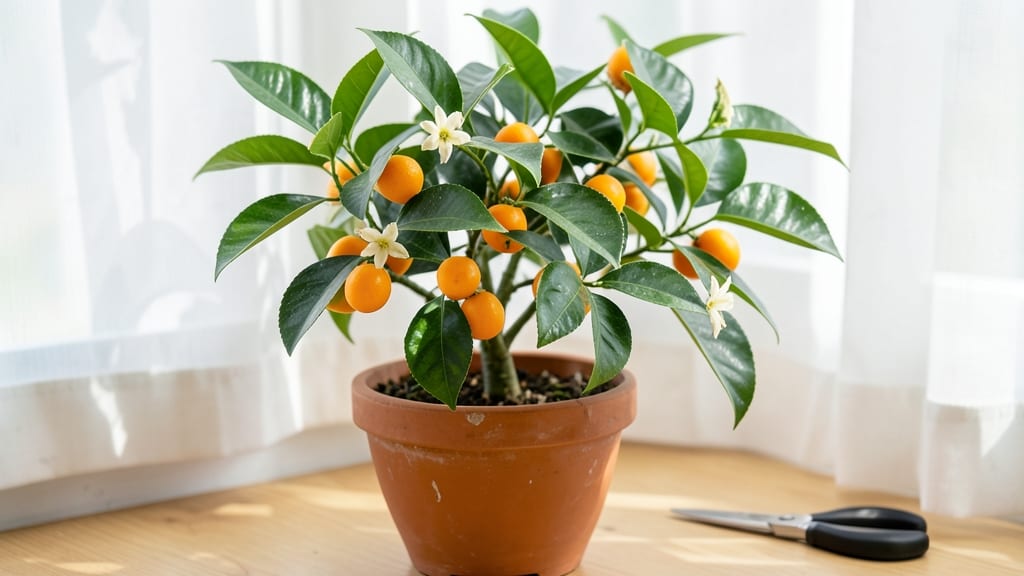
Your calamondin tree care just got easier—especially in the Pacific Northwest’s damp, cool climate. 🌿 These tiny citrus trees thrive indoors or out, but they need the right balance of moisture, light, and pruning to keep blooming all year.
I’ve grown mine through three rainy winters, and here’s what finally worked.
The key is matching their tropical roots to your conditions: well-draining soil, bright indirect light, and occasional deep watering. Overwatering is the #1 killer, so let the top inch dry between drinks. Prune in late winter to shape and encourage new growth—just snip back to outward-facing buds for bushier branches.
By summer, you’ll see glossy leaves and clusters of fragrant white flowers that turn into bright orange fruit. The scent alone makes it worth the effort, and the tree stays compact enough for patios or sunny windowsills. Even in our cloudy summers, mine produces blooms nonstop with minimal fuss.
Outdoor growers in zones 9-11 can plant them in containers and bring them inside before frost, while indoor gardeners just need a sunny spot and occasional misting. The secret? Consistency—calamondins hate sudden changes, but they reward patience with year-round color and fragrance.
📚 In This Guide
- What you need
- Instructions
- Tips and common mistakes
- Wrapping up and next steps
What you need
- ● Well-draining potting mix: 5–10 gallons (depending on pot size). Use a blend of cactus/succulent mix + perlite/vermiculite (ratio: 60% mix, 40% amendments).
- ● Pot: 1–2 gallons (for young trees) or 5+ gallons (mature trees). Ensure it has drainage holes and is lightweight (plastic or fabric grow bags work well).
- ● Citrus fertilizer: Balanced NPK 6-6-6 or 8-3-9 (organic or synthetic). Start with 1 tbsp per gallon of soil monthly (spring–fall).
- ● Pruning tools: Bypass pruners (for clean cuts on branches ¼" thick).
- ● Sharp bypass loppers (for thicker branches ½"–1.5" thick).
- ● Sterilizing solution (70% isopropyl alcohol or bleach/water mix 1:10).
- ● Mulch: 1–2 inches of orchid bark or pine fines (avoid cedar—it’s toxic!).
- ● Watering can or hose: With a gentle spray nozzle to avoid soil erosion.
- ○ Support stakes (optional but helpful): 2–3 bamboo stakes + soft plant ties if your tree grows tall in pots.
- ● Grow lights: LED full-spectrum bulbs (12–14 hrs/day in winter) if natural light is < 6 hrs/day.
- ● Humidity tray: A shallow tray with pebbles + water to combat PNW’s dry indoor air.
- ● Epsom salt: 1 tsp/month in water (boosts magnesium for vibrant foliage).
- ● Tree collar spray: Copper-based fungicide (prevents sooty mold from aphids).
- ● Thermometer/hygrometer: To monitor ideal temps (60–85°F) and humidity (40–60%).
Step-by-step instructions for calamondin tree care in the Pacific Northwest
Here’s how to keep your calamondin thriving through our rainy winters and mild summers.
🪴 Step 1: Choose the Right Pot and Soil for Year-Round Growth
Use a 12-15 inch diameter pot with drainage holes—calamondins hate soggy roots. I fill mine with a mix of 50% well-draining potting soil, 30% perlite, and 20% compost to mimic their tropical origins while preventing waterlogging. The soil should feel like a damp sponge when squeezed.
If you’re repotting, do it in early spring before new growth starts. Gently loosen the roots if they’re circling the pot—this encourages outward growth. Calamondins are small but need room to breathe, so avoid cramped containers.
☀️ Step 2: Master Light and Temperature for Pacific Northwest Conditions
Place your tree in the brightest spot you have—south or west-facing windows work best. Calamondins need 6-8 hours of direct light daily, but they’ll tolerate partial shade in summer to prevent leaf scorch. If indoors, supplement with a grow light 6-12 inches away for 12 hours a day.
Keep temperatures between 60-75°F—your home’s average should work fine. If nights dip below 50°F, move it indoors or cover it with frost cloth. These trees are tropical at heart but can handle our mild winters if protected.
💧 Step 3: Water Deeply but Strategically to Prevent Root Rot
Water when the top 1-2 inches of soil feel dry—stick your finger in to check. In winter, reduce watering to every 10-14 days unless the pot feels light. Overwatering is the #1 killer, so always empty the saucer after 10 minutes to avoid soggy roots.
Mist the leaves 2-3 times a week in dry indoor air—calamondins love humidity. If you notice crispy leaf edges, that’s your cue to increase humidity with a pebble tray or humidifier.
✂️ Step 4: Prune for Shape and Encourage Blooms Year-Round
Prune right after flowering (late winter/early spring) to shape the tree and remove dead branches. Use clean, sharp pruners to make cuts just above a leaf node. Avoid heavy pruning—calamondins bloom on new growth, so light trimming keeps them flowering.
Pinch back leggy growth in early summer to encourage bushier shape. You’ll see new branches fill in within 4-6 weeks. Fertilize lightly with balanced 10-10-10 every 6-8 weeks in growing season to support blooms.
⏰ Step 5: Protect and Maintain Through Seasonal Shifts
In late fall, reduce watering and move the tree away from drafts. If outdoors, bring it inside before temperatures drop below 40°F. Watch for spider mites—yellowing leaves or webbing means it’s time for a neem oil spray.
Calamondins reward patience. With consistent care, you’ll get year-round blooms and that signature citrusy fragrance. The key is balance—light, water, and a little pruning go a long way in our unpredictable climate.
Tips & tricks for perfect calamondin tree care in the Pacific Northwest
Here's what I've learned after keeping calamondins thrive through our rainy seasons and mild winters.
Soil Mix Matters: When mixing your 50-30-20 soil blend (well-draining potting soil, perlite, compost), add a handful of orchid bark for extra aeration. This helps prevent compaction in our heavy winter rains while maintaining that perfect "damp sponge" texture. I've found that adding a 1-inch layer of gravel at the bottom of the pot also improves drainage without affecting root growth.
Lighting Hack for Cloudy Days: Our Pacific Northwest skies can be overcast for weeks, so supplement with a full-spectrum LED grow light for those 6-8 hours of direct light when natural sunlight is scarce. Position it 12 inches away and set a timer for 12 hours daily—this mimics summer sunlight and prevents leggy growth. I use mine year-round in my basement setup.
Pruning Timing Secret: The key to year-round blooms is that late winter/early spring pruning right after flowering. But here's what nobody tells you—if you notice buds forming on old wood (the previous year's growth), give those branches extra care by pruning just above the lowest bud. This encourages more blooms while maintaining shape.
Winter Survival Strategy: When temperatures dip below 50°F at night, move your calamondin to a sunny indoor spot like a bright kitchen window. If you must keep it outdoors, wrap the pot in bubble wrap (yes, really!) to insulate the roots. I've kept mine thriving through 40°F nights using this method—just avoid drafty areas that cause temperature swings.
Pro Tips for Calamondin Tree Care
- Here's what I've learned after keeping calamondins thrive through our rainy seasons and mild winters.
- Soil Mix Matters: When mixing your 50-30-20 soil blend (well-draining potting soil, perlite, compost), add a handful of orchid bark for extra aeration.
- Lighting Hack for Cloudy Days: Our Pacific Northwest skies can be overcast for weeks, so supplement with a full-spectrum LED grow light for those 6-8 hours of direct light when natural sunlight is scarce.
Frequently asked questions
Can calamondin trees survive PNW winters?
Yes! While they’re tropical, calamondin trees are surprisingly resilient in the PNW’s mild winters (USDA Zones 9-11). Bring potted trees indoors before temps drop below 30°F (-1°C), or protect outdoor plants with frost cloth. If you’re in Zone 8 or colder, grow them in containers for easy winter relocation. Pro tip: Mulch the base in fall to insulate roots!
When’s the best time to prune for blooms?
Prune right after flowering (late winter/early spring) to encourage new growth and next year’s blooms. Avoid heavy pruning in fall—it stresses the tree before winter. For shaping, do light trims in summer to avoid disrupting flower buds. Key: Never prune more than 25% of the tree at once!
Why are my calamondin leaves turning yellow?
Yellow leaves usually signal overwatering or nutrient deficiency. Check soil moisture—calamondins hate soggy roots! If leaves are soft and mushy, reduce watering. For yellowing with brown edges, it’s likely underwatering or low humidity. Feed with citrus fertilizer in spring/summer to boost health. Fix: Mist leaves or use a pebble tray to raise humidity!
Can I grow calamondin from seed?
Yes, but expect slow, unpredictable results—seed-grown trees may take 5+ years to fruit or bloom. For faster, reliable growth, propagate from cuttings (root in water or perlite) or buy a grafted tree. Seedlings also vary in vigor, so start with a healthy parent plant if you’re DIY-ing! Bonus: Seeds are edible—try them in baked goods!
How do I keep calamondin pests away?
PNW’s mild climate can attract aphids, scale, or spider mites. Inspect leaves regularly and wipe them with neem oil or insecticidal soap. Encourage beneficial insects like ladybugs by planting companion flowers (e.g., marigolds). Avoid over-fertilizing, which weakens trees and attracts pests. Prevent: Isolate new plants for 2 weeks to spot hitchhikers early!
Should I keep my calamondin indoors or outdoors?
Outdoor planting works in Zone 9+ with winter protection, but potted trees are more flexible. Indoors, place them near bright, indirect light (e.g., south-facing windows) and rotate weekly for even growth. Outdoor trees need 6+ hours of sunlight daily. Compromise? Grow in a sunroom or greenhouse for year-round enjoyment!
Wrapping up and next steps
Caring for a calamondin tree in the Pacific Northwest is totally doable—even with our cool, wet climate! With the right pruning techniques, well-draining soil, and a touch of winter protection, you’ll enjoy year-round blooms and fragrant citrus fruits.
Remember, patience and consistency are key, and soon your tree will reward you with vibrant color and delicious harvests.
Ready to transform your garden? Start by observing your tree’s growth and adjusting your care routine season by season. Happy gardening! 🌿✨