
Pruning
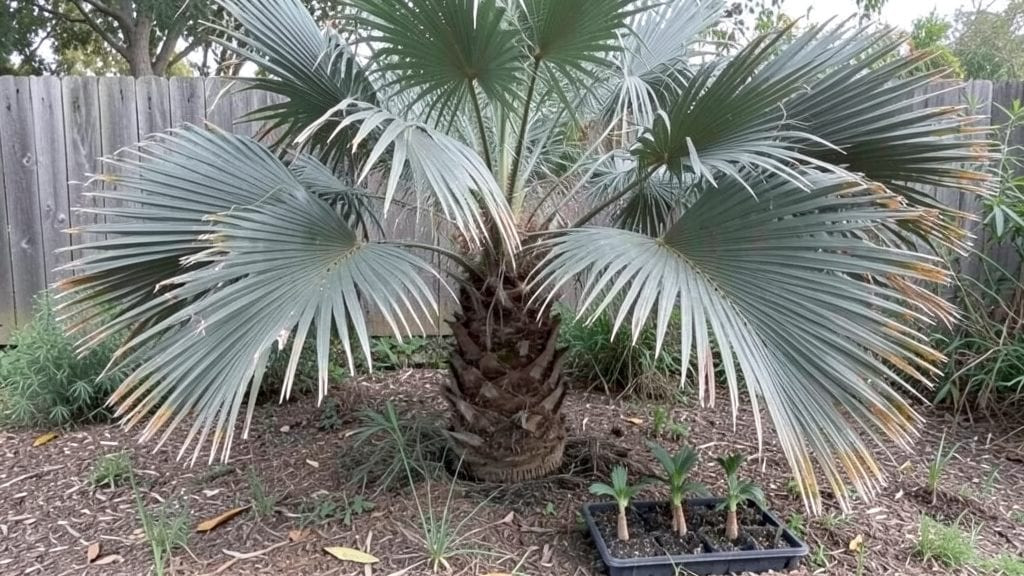
Growing Mexican fan palm trees from seeds isn’t just rewarding—it’s a race against time to beat the slow germination that frustrates most gardeners. 🌱 I’ve cracked the code after years of trial and error, and these tricks will have your first sprouts appearing in just 4-6 weeks instead of months.
The secret starts with the right seeds—fresh, undamaged ones from a reputable supplier—and a warm, humid environment that mimics their tropical origins. You’ll need a heat mat, clear plastic dome, and patience, but the payoff is worth it: a palm that grows 10-15 feet tall in its first decade.
Most people quit too soon; don’t be one of them.
Once those first green shoots break through, you’ll be hooked. The seedlings are delicate but resilient, and with the right light and watering, they’ll develop the iconic fan-shaped fronds that make this palm so striking. By the time they’re ready for transplanting, you’ll have a head start on garden centers.
This method works for both container growers and those planting directly into the ground—just adjust the timing for your climate. Whether you’re in a warm zone or a cooler region, these tricks will keep your palms thriving. Let’s get those seeds sprouting!
📚 In This Guide
- What you need
- Instructions
- Tips and common mistakes
- Wrapping up and next steps
What you need
- ● Mexican Fan Palm Seeds: 3–5 fresh, viable seeds (check for plumpness and no cracks). Pro tip: Soak seeds in warm water for 24 hours to soften the outer shell!
- ● Germination Trays or Pots: 4–6 small (4–6 inch diameter) pots with drainage holes or a seed-starting tray with individual cells.
- ● High-Quality Potting Mix: A well-draining blend (e.g., 50% coco coir, 30% perlite, 20% vermiculite). Avoid garden soil—it’s too dense!
- ○ Clear Plastic Dome or Ziploc Bag: To create a humid microclimate (optional but highly recommended for faster sprouting).
- ● Spray Bottle: For gentle misting (avoid soaking the mix).
- ○ Heating Mat (Optional but Helpful): A seedling heat mat (70–85°F range) to speed up germination.
- ● Tweezers or Gloves: For handling seeds (they’re small and can be tricky!).
- ● Fine-Mesh Screen or Coffee Filter: To cover pots and allow airflow while retaining moisture.
- ○ pH Tester (Optional): Ensure your potting mix is slightly acidic (pH 6.0–6.5).
- ● Patience & Warmth: Mexican Fan Palm seeds can take 4–12 weeks to sprout—consistency is key!
Step-by-Step instructions for germinating Mexican fan palm tree seeds
Here’s how I’ve cracked the code for speeding up germination—no more waiting months for that first sprout.
🌱 Step 1: Pre-Treat Seeds for Faster Germination
Mexican fan palm seeds have a tough outer shell that slows things down. Soak them in lukewarm water for 48 hours, changing the water every 12 hours to prevent mold. You’ll see the seed coat soften and tiny cracks appear—this is your signal the seed is ready. I like to use a clean jar with a lid (leave it slightly loose) so the seeds stay submerged but aren’t drowned.
After soaking, gently rub the seeds between two layers of paper towel to remove the softened outer coating. This step mimics natural weathering and helps the seedling break through faster. Don’t scrub too hard—just enough to expose the seed’s surface. Now your seeds are primed and ready to wake up.
💧 Step 2: Plant in Moist, Well-Draining Medium
Fill a small pot (about 4 inches deep) with a mix of 50% peat moss and 50% perlite—this keeps roots from sitting in soggy soil, which rots seeds. Moisten the mix until it’s damp like a wrung-out sponge, then plant each seed 1 inch deep. Space them 2 inches apart so they have room to grow without competing.
Press the soil lightly around the seeds to ensure good contact. The goal is to keep the medium consistently moist but never waterlogged. I use a spray bottle to mist the soil after planting—this prevents disturbing the seeds while keeping them hydrated. Place the pot in a warm spot (around 75-80°F) where it won’t be jostled.
☀️ Step 3: Provide Warmth and Indirect Light
Mexican fan palm seeds need warmth to germinate, so I place the pot on a seedling heat mat set to 75°F. If you don’t have one, a sunny windowsill or a warm spot near a heater works too. Keep the soil surface covered with a clear plastic dome or plastic wrap to trap moisture and warmth—this mimics the humid conditions of their tropical habitat.
Once the seeds sprout (usually in 4-8 weeks), remove the dome immediately to prevent fungal growth. You’ll see the first tiny leaves emerge as thin, bright green fans—this is your cue to move the seedlings to bright, indirect light. Direct sun at this stage can scorch the delicate sprouts. Rotate the pot a quarter turn weekly so the seedlings grow straight and sturdy.
⏰ Step 4: Transplant When Seedlings Are Strong
Wait until the seedlings develop 3-4 true leaves and reach about 4-6 inches tall before transplanting. This usually takes 3-6 months depending on conditions. Choose a larger pot (at least 8 inches deep) with drainage holes, and use the same peat-perlite mix for consistency.
Gently remove the seedling from its starter pot, keeping the root ball intact. Plant it at the same depth it was growing before, then water thoroughly. Place the new pot in a spot with bright, filtered light for the first week to help it adjust. Avoid fertilizing for 2 months—young palms are sensitive to salts, and they’ll grow better with organic matter added to the soil instead.
Tips & tricks for germinating Mexican fan palm tree seeds
These little tricks will help you bypass the months-long wait and get those first sprouts in record time.
Soaking Strategy: Trust me on this—don't rush the 48-hour soak. The first 24 hours softens the seed coat, but those extra 24 hours are when the seed really starts to wake up. I've seen seeds with visible cracks after 36 hours, which means they're ready for planting. Pro tip: Use distilled water if possible—tap water minerals can slow germination.
Seed Scrubbing Technique: When you're gently rubbing the softened seed coat between paper towels in Step 1, think of it like sanding wood—you want to remove just enough to expose the seed without damaging it. I use a gentle circular motion, and I can usually feel the coating come off in layers. If you're worried about overdoing it, stop when you see the seed's natural texture emerge.
Heat Mat Hack: If you don't have a seedling heat mat, try placing your pot on top of a refrigerator (not inside!) for consistent warmth. The top of most fridges stays around 75-80°F, perfect for our needs. Just make sure the pot isn't touching any coils or moving parts. This works especially well if your home tends to run cool.
Transplant Timing: The 3-6 month window for transplanting can feel vague, but here's how I determine readiness: When the seedlings have developed their third true leaf and are tall enough to see over the pot's rim, they're ready. I also check the roots—if they're growing through the drainage holes, it's definitely time to upgrade their home.
Pro Tips for Mexican Fan Palm Tree Seeds
- These little tricks will help you bypass the months-long wait and get those first sprouts in record time.
- Soaking Strategy: Trust me on this—don't rush the 48-hour soak.
- Seed Scrubbing Technique: When you're gently rubbing the softened seed coat between paper towels in Step 1, think of it like sanding wood—you want to remove just enough to expose the seed without damaging it.
Frequently asked questions
Got questions about growing Mexican fan palm tree seeds? You’re not alone!
Here are the most common queries—and straightforward answers—to help you get sprouting like a pro.
How long does it take for Mexican fan palm seeds to germinate?
Germination can take anywhere from 2 to 6 months, depending on conditions like warmth, moisture, and seed freshness. Patience is key—some seeds need extra time to break dormancy. Keep them consistently moist and warm (70–80°F) to speed things up!
Can I grow Mexican fan palm seeds indoors?
Yes, but with a few tweaks! Start seeds in a warm, humid environment (like a greenhouse or sunny windowsill) and use a heat mat to maintain ideal temps. Once sprouted, transplant to a larger pot and gradually acclimate to outdoor conditions. Avoid cold drafts—they hate chill!
What’s the best soil mix for these seeds?
Use a light, well-draining mix like a 50/50 blend of peat moss and perlite or coconut coir. Mexican fan palms dislike soggy roots, so add a handful of coarse sand for extra aeration. Sterilize the mix to prevent mold—your seeds will thank you!
Why aren’t my seeds sprouting? Troubleshooting tips.
Check these common culprits:
- Cold temps: Keep seeds above 70°F—cold slows germination.
- Dry soil: Seeds need constant moisture (not soggy). Mist daily.
- Old seeds: Freshness matters! Test viability with a water float test—sinkers are good.
- No scarification: Soak seeds in warm water for 24 hours to soften the hard coat.
Are there faster-growing alternatives to Mexican fan palm seeds?
If you’re eager for greenery, consider palm seedling cuttings (like from a local nursery) or faster-germinating species like Kentia palms or Areca palms. Seeds take time, but the reward of growing a Washingtonia robusta from scratch is unbeatable!
Wrapping up and next steps
Growing a Mexican Fan Palm Tree from seeds is a rewarding journey that combines patience and care—just like nurturing any new life! 🌱 With the right mix of warmth, moisture, and consistency, you’ll soon watch those first sprouts break through the soil.
Whether you’re a seasoned gardener or a curious beginner, these germination tricks will set you up for success.
Now that you’re armed with knowledge, it’s time to roll up your sleeves and get planting! Start with a single seed, follow the steps, and soon you’ll be enjoying the lush, tropical beauty of your own Mexican Fan Palm. Happy growing! 🌴✨