
Container Gardens
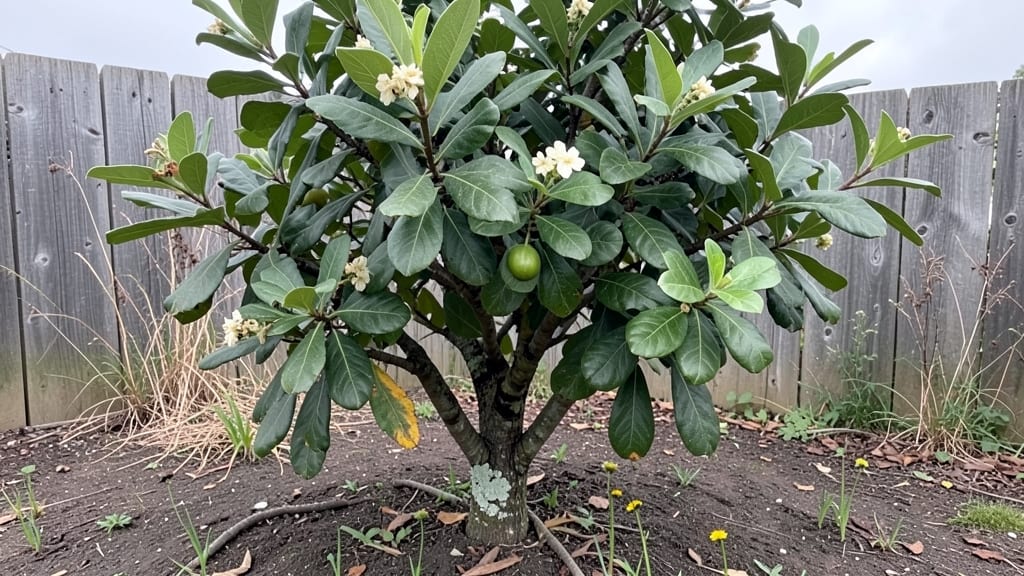
A loquat tree in pot delivers sweet, fragrant fruit even on a tiny balcony. 🌱 I’ve grown mine for five years now, and the key is mimicking its natural tropical habits—just with deeper pots and winter protection.
The first year, I nearly lost mine to overwatering, but once I dialed in the routine, it’s been producing fruit twice a year without fail.
You’ll need a 20-gallon container minimum (bigger is better for fruit), well-draining soil mixed with perlite, and a spot that gets 6+ hours of sun daily. Loquats hate soggy roots, so I use a cache pot with drainage holes and water only when the top inch feels dry.
Pruning in late winter keeps the shape compact and boosts next year’s harvest.
By summer, you’ll see clusters of golden fruit hanging like nature’s candy. The flavor? A mix of peach, apricot, and citrus—so good you’ll want to plant another. Even in winter, with a little extra care, your tree stays productive. Let’s get yours thriving in a pot!
Works for patios, rooftops, or sunny windowsills—just adjust watering for indoor spots. The secret? Treating it like a houseplant in winter and an outdoor tree in summer. Ready to grow your own tropical fruit without the yard?
📚 In This Guide
- What you need
- Instructions
- Tips and common mistakes
- Wrapping up and next steps
What you need
- ● Growing a loquat tree in a pot is a rewarding way to enjoy tropical fruit without needing a sprawling yard! Here’s what you’ll need to get started—whether you’re a beginner or a seasoned gardener.
- ● Pro Tip: 💡 If your loquat tree is young, start with a smaller 5–7 gallon pot and upgrade as it grows!
How to grow a loquat tree in a pot for year-round fruit
Here's how I keep my loquat tree thriving in containers—producing sweet fruit even in small spaces.
🪴 Step 1: Choose the Right Container and Soil Mix
Start with a 5-gallon container with drainage holes—loquats hate soggy roots. I use a mix of 60% well-draining potting soil, 30% perlite, and 10% compost to balance moisture and nutrients. The perlite prevents compaction, which is critical for root health in containers.
Fill the pot halfway with your mix, then place the tree at the same depth it was growing before. Tap the pot gently to settle the soil around the roots without compacting it. Loquats need good airflow at the base, so avoid burying the trunk too deep.
☀️ Step 2: Position for Sunlight and Temperature Balance
Loquats need full sun (6+ hours daily), but they also handle light shade better than many fruit trees. I place mine in a south-facing spot where it gets morning sun and afternoon shade in summer. In winter, move it indoors near a bright window if temperatures drop below 25°F—they’re tender and won’t survive frost.
Watch for leaf scorch in hot climates—if edges turn crispy, provide afternoon shade. The ideal temperature range is 60-85°F, so adjust placement seasonally. You’ll see new growth within weeks if the light is right.
💧 Step 3: Water Deeply but Sparingly
Water when the top 2 inches of soil feel dry—overwatering is the fastest way to kill a potted loquat. I use a watering can with a narrow spout to direct moisture to the roots without wetting the leaves, which can cause fungal issues. Let excess water drain completely before placing the pot back in its saucer.
In summer, you might water every 5-7 days, but reduce to every 10-14 days in winter when growth slows. Yellowing leaves often mean overwatering, while crispy edges signal underwatering. Adjust based on your microclimate—containers dry out faster than ground soil.
✂️ Step 4: Prune for Shape and Fruit Production
Prune in late winter or early spring before new growth starts. Remove any dead, crossing, or inward-growing branches first—this opens the center for airflow and sunlight. Then, cut back overly long branches by 1/3 to encourage bushier growth and more fruit.
Loquats fruit on both old and new wood, so avoid heavy pruning after harvest. Use clean, sharp pruners to make cuts just above a leaf node. You’ll notice more blossoms and fruit within a season if you keep the tree open and well-lit.
🌱 Step 5: Fertilize for Consistent Fruit Bearing
Feed with a balanced citrus/fruit tree fertilizer (10-10-10 or similar) every 6-8 weeks during the growing season (spring through fall). I mix it into the top 2 inches of soil after watering to prevent root burn. In winter, skip fertilizer—let the tree rest.
Watch for new growth and blossoms as signs you’re fertilizing correctly. If leaves turn yellow between veins, it’s often a sign of iron deficiency—switch to a chelated iron supplement for a few weeks. Loquats are heavy feeders, so don’t skimp, but avoid overdoing it either.
Tips & tricks for perfect loquat tree in pot care
A few simple tricks will help your potted loquat thrive and produce fruit year after year.
Container Upgrade: If you notice roots circling the bottom of your 5-gallon pot after 2-3 years, it's time to upgrade. Move to a 7-gallon container in late winter before new growth begins. This gives roots more room to spread while maintaining the compact shape that works for containers. Just be sure to use the same well-draining soil mix—don't switch to garden soil, which compacts easily.
Seasonal Light Strategy: In Step 2, when positioning your tree, consider adding a grow light for 4-6 hours daily during winter months if you can't provide enough natural light. Loquats need consistent light to fruit well, and indoor windows often don't provide enough. Place the light 12-18 inches above the tree and use a timer for consistency.
Pruning Timing Secret: The late winter/early spring pruning in Step 4 is crucial, but here's what nobody tells you—loquats respond best when you prune right after the last frost but before buds swell. This timing ensures you're not cutting back new growth that's just starting. In warmer climates, aim for February pruning to catch that sweet spot between dormancy and spring growth.
Fertilizer Application Hack: When fertilizing every 6-8 weeks in Step 5, try this trick: mix your fertilizer with a little water first to create a slurry, then pour it into the top 2 inches of soil. This prevents direct root contact that can cause burn. Also, alternate between your regular fertilizer and a seaweed-based fertilizer every other feeding—it helps with stress resistance and fruit set.
Pro Tips for Loquat Tree In Pot
- A few simple tricks will help your potted loquat thrive and produce fruit year after year.
- Container Upgrade: If you notice roots circling the bottom of your 5-gallon pot after 2-3 years, it's time to upgrade.
- Seasonal Light Strategy: In Step 2, when positioning your tree, consider adding a grow light for 4-6 hours daily during winter months if you can't provide enough natural light.
Frequently asked questions
Got questions about growing a loquat tree in a pot? You’re not alone! Here are answers to the most common concerns—from pruning to pests and beyond.
Can a loquat tree thrive in a pot long-term?
A loquat tree can live in a pot for years if given proper care! Choose a container at least 18–24 inches wide with drainage holes. Over time, repot every 2–3 years into a slightly larger pot (just 2–4 inches bigger in diameter) to prevent root binding. Use well-draining soil and fertilize regularly to keep it healthy and fruiting.
How fast does a loquat tree grow in a container?
Loquat trees grow moderately fast in pots—expect 1–2 feet per year with ideal conditions. Growth slows in winter but speeds up in spring/summer. Prune annually to control size and encourage bushier growth. Dwarf varieties (like ‘Big Jim’) are perfect for pots and stay compact, while standard types may need more frequent pruning.
When will my potted loquat tree produce fruit?
Patience is key! A loquat tree in a pot typically takes 3–5 years to bear fruit, depending on age, variety, and care. Young trees focus on leaf and root growth first. To speed things up, ensure it gets full sun (6+ hours/day), regular watering, and balanced fertilizer (high in potassium and phosphorus). Pro tip: Hand-pollinate flowers with a small brush if bees are scarce!
What pests should I watch for in a potted loquat?
Common pests include aphids, scale insects, and spider mites. Check leaves regularly for sticky residue (aphids) or white cottony spots (scale). Treat early with neem oil or insecticidal soap. Root rot is another risk—ensure your pot has drainage holes and avoid overwatering. If leaves yellow or wilt, let the soil dry out slightly before watering again.
Can I grow a loquat tree indoors?
Loquat trees need plenty of sunlight—they’re not ideal for full-time indoor life. However, you can keep one indoors during winter or extreme heat near a south-facing window (6+ hours of light). If moving it outside, acclimate it gradually to avoid shock. For year-round indoor growth, consider a grow light (12–14 hours/day) to supplement natural light.
What’s the best alternative if I can’t grow a loquat?
If loquats seem too tricky, try these similar container-friendly fruit trees:
- Dwarf citrus (lemon, lime, orange) – Thrives in pots, loves sun.
- Fig tree – Fast-growing, drought-tolerant, and sweet.
- Dwarf peach or plum – Needs chilling hours but bears fruit.
- Olive tree – Hardy, low-maintenance, and ornamental.
Wrapping up and next steps
Growing a loquat tree in a pot is a rewarding way to enjoy fresh, tropical fruit year-round—even in small spaces! With the right container, sunlight, and care, you’ll harvest sweet, fragrant loquats while keeping your garden compact and stylish.
Whether you’re a beginner or a seasoned gardener, this citrusy delight is well within reach.
Ready to get started? Pick your pot, choose your loquat variety, and plant with confidence! 🌱🍊 Your future harvest is just a few steps—and a little patience—away.