
Propagation
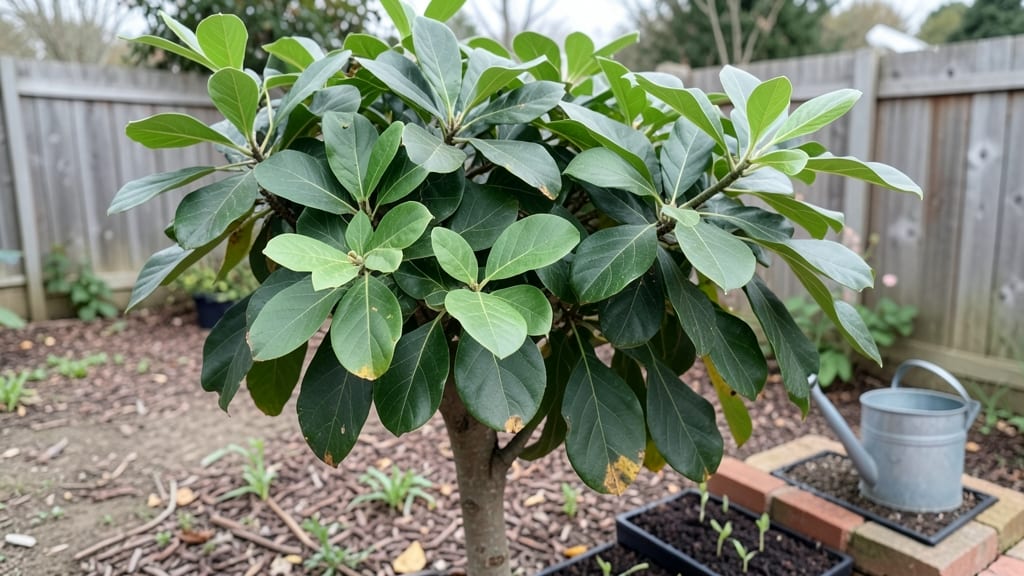
Growing a loquat tree from seed means frost-resistant fruit could be yours in just six months—though the real rewards take years. 🌱 I’ve started loquats from seed three times, and each time, the first true leaves felt like a promise of something special.
The fruit won’t come for 5-7 years, but the journey is where the magic happens.
The key is patience and the right conditions: warm soil, consistent moisture, and a bright spot. Most people quit when germination takes 3-6 weeks, but with a heat mat and clear plastic wrap, you’ll break through that waiting game.
Seedlings grow slowly at first, but once they hit 6 inches, they’ll shoot up like they’re racing the frost.
By year two, you’ll have a sturdy young tree with glossy leaves and a shape that’s all its own. The branches will be strong enough to handle light pruning, and the roots will spread deep—perfect for withstanding cold snaps.
It’s not a fast fruit tree, but the satisfaction of growing something this rewarding from a tiny seed? That’s priceless.
Fair warning: seed-grown loquats won’t fruit like grafted trees for years, but the flavor? That’s a surprise even experienced growers talk about. The first harvest might be small, but the story you’ll tell your neighbors? That’s the real harvest. Let’s get those seeds started.
📚 In This Guide
- What you need
- Instructions
- Tips and common mistakes
- Wrapping up and next steps
What you need
- ● Loquat seeds: 3–5 fresh, plump seeds from a ripe loquat fruit (ensure they’re fully mature for best germination).
- ○ Small pots or seed trays: 2–3 (4–6 inches in diameter) with drainage holes. Optional: Biodegradable peat pots for easy transplanting.
- ● Well-draining potting mix: 1–2 bags of a lightweight blend (e.g., 50% peat moss, 30% perlite, 20% coco coir).
- ● Spray bottle: For gentle watering (avoid over-saturating seeds).
- ● Plastic wrap or humidity dome: To create a mini greenhouse effect.
- ○ Heat mat (optional but helpful): A seedling heat mat (70–80°F range) to speed up germination.
- ● Fertilizer: A balanced, water-soluble fertilizer (e.g., 10-10-10) for seedlings.
- ● Patience: Germination can take 4–8 weeks—loquat seeds are slow starters!
- ● Warmth: Seeds thrive in temperatures between 70–85°F (21–29°C).
- ● Indirect sunlight: Bright, filtered light (e.g., near an east-facing window) until seedlings sprout.
- ● Space: A sunny outdoor spot (Zone 7–10) for transplanting after 6 months, or a large container for indoor growth.
How to grow a loquat tree from seed
Here's the simple method I've used to grow hardy loquat saplings that thrive in cooler climates.
🌱 Step 1: Extract and Prepare the Seeds
Remove the seeds from a ripe loquat fruit by slicing it open and scooping out the large, flat seeds. Rinse them thoroughly under cool water to remove any fruit pulp. I like to soak the seeds in a bowl of water for 12 hours—this softens the outer coating and speeds up germination. After soaking, gently rub the seeds between your fingers to remove any remaining flesh.
Place the cleaned seeds on a paper towel and cover them with another towel. Keep the towels damp but not soaking wet. This setup mimics the moist environment seeds need to sprout. Store the wrapped seeds in a sealed plastic bag and place them in the refrigerator for 4-6 weeks to simulate winter chilling, which breaks seed dormancy. This is crucial for loquats—they won't germinate well without it.
💧 Step 2: Plant the Seeds for Germination
After the cold treatment, fill a small seedling tray or individual pots with sterile seed-starting mix. Moisten the mix until it's damp but not soggy—you should be able to squeeze a handful and have it hold together without dripping. Plant the seeds about ½ inch deep, spacing them 1 inch apart in the tray.
Cover the tray with clear plastic wrap or a humidity dome to retain moisture and warmth. Place the tray in a warm spot, ideally at 70-75°F. A seedling heat mat can help maintain consistent warmth if your home runs cooler. Keep the soil evenly moist by misting occasionally—never let it dry out completely. Germination typically takes 4-8 weeks, so patience is key here.
☀️ Step 3: Transplant Seedlings to Individual Pots
Once the seedlings have 2-3 sets of true leaves (not just the initial seed leaves), it's time to transplant them into 4-inch pots filled with a well-draining potting mix. Gently remove each seedling from the tray, being careful not to damage the roots. Use a small spoon or your fingers to loosen the soil around the roots if they're tightly bound.
Plant each seedling at the same depth it was growing in the tray. Water thoroughly after transplanting to help the roots settle into their new home. Place the pots in a bright, indirect light spot—loquat seedlings can get leggy if stretched too quickly. Gradually introduce them to morning sun over the next week to harden them off.
🪴 Step 4: Care for Young Saplings
Keep the soil consistently moist but not waterlogged—loquat trees dislike soggy roots. Water when the top inch of soil feels dry to the touch. Fertilize lightly every 4-6 weeks with a balanced, water-soluble fertilizer diluted to half strength. This encourages steady growth without overwhelming the young plants.
By 6 months, your saplings should be 12-18 inches tall with sturdy stems. At this stage, you can transplant them into larger 1-gallon pots or directly into the ground if your climate allows. If frost is still a concern, keep them in containers and move them indoors or to a sheltered spot during cold snaps. Loquats are frost-resistant, but young trees benefit from protection until they're well-established.
Tips & tricks for perfect loquat tree growth
Growing a loquat tree from seed is a rewarding process, but a few key tricks can make all the difference between success and frustration.
Seed Preparation Secret: That 12-hour soak in Step 1 is non-negotiable—it softens the tough outer coating and kickstarts germination. I've tried skipping it, and the seeds took twice as long to sprout. After soaking, give them a good rub between your fingers to remove any lingering pulp. This prevents mold and ensures a clean start.
Cold Treatment Tip: The 4-6 weeks in the fridge isn't just about breaking dormancy—it's also about mimicking winter conditions that loquat seeds need to germinate. If your fridge is on the cold side (below 40°F), the seeds might take the full 6 weeks. Check them weekly by peeling back the plastic—you'll see tiny cracks in the seed coat when they're ready.
Germination Environment: Those 70-75°F temperatures in Step 2 are critical for consistent germination. If your home runs cooler, a seedling heat mat makes all the difference. And here's a pro move: place your tray on top of the fridge—it stays warm and provides the humidity dome effect naturally. Just don't let the soil dry out completely between mistings.
Transplanting Wisdom: When you're ready to move seedlings to 4-inch pots in Step 3, use a toothpick to gently loosen the soil around the roots if they're tightly bound. This prevents transplant shock. Also, harden off your seedlings gradually—start with just 1 hour of morning sun on day one, then increase by 30 minutes each day. Sudden full sun can scorch tender leaves.
Pro Tips for Loquat Tree From Seed
- Growing a loquat tree from seed is a rewarding process, but a few key tricks can make all the difference between success and frustration.
- Seed Preparation Secret: That 12-hour soak in Step 1 is non-negotiable—it softens the tough outer coating and kickstarts germination.
- Cold Treatment Tip: The 4-6 weeks in the fridge isn't just about breaking dormancy—it's also about mimicking winter conditions that loquat seeds need to germinate.
Frequently asked questions
Got questions about growing a loquat tree from seed? You’re not alone—this process is exciting but comes with its own quirks! Here are answers to the most common queries to help you get started on the right foot.
How long does it take for a loquat seed to sprout?
A loquat seed typically sprouts within 2–4 weeks if kept in warm, moist conditions. Patience is key—some seeds may take longer, especially if they’re fresh. Keep the soil consistently damp (not soggy) and maintain temperatures around 70–80°F for best results. If nothing emerges after 6 weeks, the seed may not be viable.
Can I grow a loquat tree from seed in cold climates?
Loquat trees (Eriobotrya japonica) are mildly frost-tolerant (down to 15–20°F), but seedlings are far more delicate than mature trees. Start seeds indoors 8–10 weeks before your last frost, then transplant outdoors after all danger of frost has passed. In Zone 7 or colder, grow in containers for winter protection or plant near a south-facing wall.
Will my seed-grown loquat tree produce fruit?
Here’s the catch: Seed-grown loquats rarely produce fruit identical to the parent plant—they’re often smaller, less flavorful, or even different colors! For reliable fruit, grafting is the gold standard. However, you might get lucky with a sweet surprise! If fruit appears, expect it in 3–5 years (vs. 1–2 years for grafted trees).
What’s the best soil mix for germinating loquat seeds?
Use a light, well-draining mix like:
- 50% peat-free potting soil
- 30% perlite or coarse sand (for aeration)
- 20% coco coir or worm castings (for moisture retention)
Why is my loquat seedling wilting or turning yellow?
Yellowing leaves or wilting often signal overwatering, underwatering, or poor drainage. Check the soil:
Too wet? Let the top inch dry out between waterings.
Too dry? Increase humidity with a clear plastic dome or misting.
Leggy or weak? It’s craving more light—move it to a bright spot (but avoid direct sun until hardened off).
Fungal issues (like damping-off) can also strike—spray with neem oil if stems look mushy at the base.Bonus Tip: Speed Up Germination!
Cold stratification (mimicking winter) can boost germination rates for stubborn seeds. Place seeds in a sealed bag with damp paper towels, then refrigerate for 4–6 weeks before planting. This trick works especially well for seeds harvested in late summer or fall.
Wrapping up and next steps
Growing a loquat tree from seed is a rewarding journey that blends patience with the promise of sweet, frost-resistant fruit! 🌱✨ While it may take a few years to bear fruit, the process is simple and fulfilling—especially with the right care and attention.
Whether you’re a beginner or a seasoned gardener, this method offers a tangible way to connect with nature and enjoy homegrown harvests.
Ready to take the next step? Start by gathering your seeds, preparing your soil, and nurturing your young sapling with love (and a little sunshine!). Before you know it, you’ll be savoring the first taste of your homegrown loquats—proof that great things grow from small beginnings. Happy planting! 🌿