
Propagation
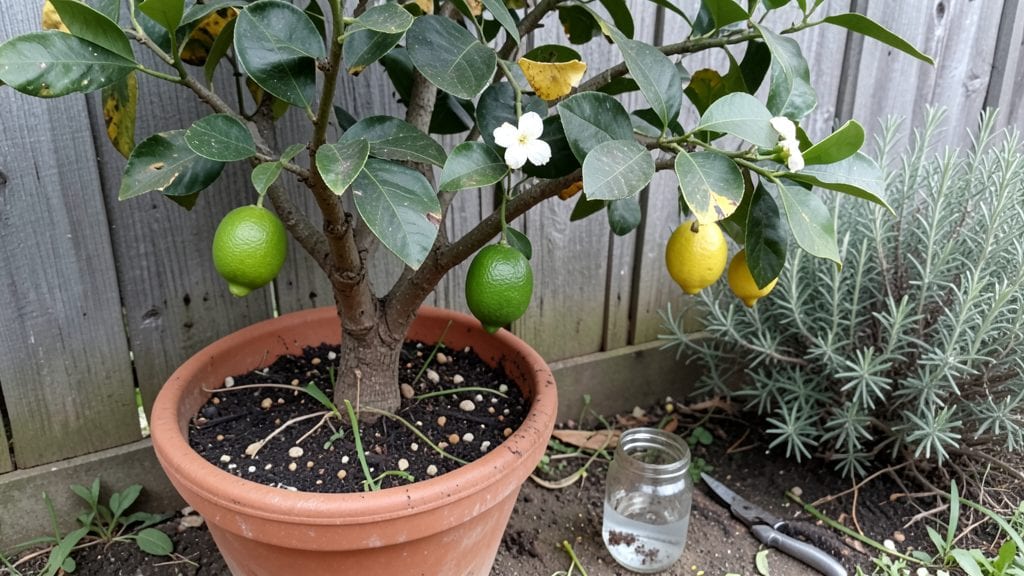
Mastering lemon tree cutting propagation saved me when my first tree outgrew its pot—here’s how I grew my second one. The trick isn’t just snipping stems—it’s timing, the right soil mix, and keeping humidity high enough to fool the cutting into thinking it’s still attached to a mother plant.
Most people quit when nothing happens in the first two weeks, but roots start small and slow.
You’ll need sharp pruners, rooting hormone (optional but helpful), a well-draining soil mix, and a clear plastic bag or humidity dome. Dwarf varieties root faster than standard types, but both respond well to bottom heat—just place your cutting pot on top of a warm appliance like a fridge or heater.
The soil should stay moist but never soggy, or you’ll invite rot instead of roots.
Within six to eight weeks, you’ll see new growth spurt upward—your signal that roots are forming below. Keep the cutting in bright, indirect light and avoid drafts. If leaves yellow or drop, it’s usually overwatering or low humidity.
Adjust your care, and you’ll have a thriving young tree ready to transplant in a few months.
This method works for Meyer lemons, Eureka, and even sour varieties, though dwarf types like ‘Improved Meyer’ adapt best to small spaces. Once you’ve mastered one cutting, you can clone your favorite tree endlessly. The first one’s always the hardest—after that, it’s just repetition with better results each time.
📚 In This Guide
- What you need
- Instructions
- Tips and common mistakes
- Wrapping up and next steps
What you need
- ● Mature lemon tree cuttings: 4–6 healthy, pencil-thick stems (6–8 inches long), taken from new growth (avoid flowering or fruiting branches).
- ● Sharp pruning shears or knife: Sterilized (rubbing alcohol wipe) to make clean cuts at a 45° angle.
- ○ Rooting hormone (optional but recommended): A powder or gel (e.g., Clonex or Dip ‘N Grow) to boost root development.
- ● Well-draining potting mix: A blend of perlite, vermiculite, or sand (50%) + coco coir or peat moss (50%). Avoid garden soil—it holds too much moisture!
- ● Small pots or propagation tray: 4–6 individual pots (3–4 inches wide) or a tray with drainage holes.
- ● Clear plastic bag or humidity dome: To create a mini greenhouse effect (e.g., a ziplock bag with holes or a plastic cloche).
- ● Spray bottle with water: For gentle misting (room-temperature, filtered water preferred).
- ● Twine or rubber bands: To secure plastic bags around cuttings (if using).
- ● Warm, bright location: Place cuttings in indirect light (e.g., near a south-facing window or under grow lights). Ideal temp: 70–80°F (21–27°C).
- ● Humidity control: Maintain 70–80% humidity (use a hygrometer if needed). Mist daily or use a pebble tray with water.
- ● Patience: Root growth takes 4–12 weeks—consistency is key! Avoid moving pots during this time.
- ● Timing matters: Propagate in late spring or early summer when the tree is actively growing.
- ● Skip the hormone? If unavailable, dip cuttings in cinnamon powder (natural antifungal) or honey-diluted water (1 tsp honey per cup of water).
- ○ Bottom heat helps: Place pots on a seedling heat mat (optional) to speed up rooting.
Step-by-Step instructions for propagating lemon trees from cuttings
Here’s the straightforward method I’ve used to root lemon tree cuttings successfully—no fancy equipment needed.
Select and Prepare Healthy Cuttings
Choose 4-6 inch cuttings from new growth—look for stems that are pencil-thick and have 3-4 leaf nodes. Use clean, sharp pruning shears to make a 45-degree angle cut just below a node. This angle increases surface area for root formation. Remove any leaves from the lower half of the cutting to reduce moisture loss and prevent rot.
Here’s the thing—never take cuttings from old wood. The older the stem, the harder it is to root. You’ll know you’ve picked the right ones when the cut reveals green (not brown or dry) tissue inside. Dip the cut end in rooting hormone to encourage faster root development. I like to work in the morning when the plant is hydrated and cuttings are firm.
Prepare the Rooting Medium
Fill a small pot (about 4 inches deep) with a mix of 50% perlite and 50% peat moss—this combo drains well while retaining enough moisture. Wet the mix until it’s damp but not soggy, like a wrung-out sponge. Too much water will drown the cuttings; too little will dry them out before roots form.
Make a 1-inch deep hole in the center of the pot with your finger. Gently insert the cutting so that only the lower half (with the cut end) is buried. You’ll see the bottom two nodes submerged—this is where roots will sprout. Tap the pot lightly to settle the soil around the cutting without compacting it.
Create Ideal Conditions for Root Growth
Place the pot in a warm, bright spot with indirect light—think 60-70°F and no harsh midday sun. A clear plastic bag or humidity dome keeps moisture high, which cuttings love during rooting. Secure the bag loosely with a rubber band so air can circulate. Check daily for condensation inside—if it’s dripping, remove the bag for 30 minutes to prevent fungal issues.
Water lightly every 2-3 days, just enough to keep the soil evenly moist. Overwatering is the #1 killer of cuttings—you’ll know it’s right when the surface feels damp but not wet. Roots typically form in 4-8 weeks, but don’t rush it. Patience here pays off with stronger plants.
Encourage New Growth and Transplant
Once you see new leaves emerging (usually after 6-8 weeks), roots are likely established. Gently tug on the cutting—if there’s light resistance, roots have formed. Remove the plastic bag now to harden off the cutting. Gradually expose it to direct sunlight over 1-2 weeks to avoid leaf burn.
After 3-4 months, when the cutting has 4-5 new leaves, it’s ready to transplant into a 6-inch pot with well-draining potting mix. Water deeply after transplanting to help it settle. Here’s where it gets fun—your new lemon tree will start flowering in 1-2 years if given consistent care.
Tips & tricks for lemon tree cutting propagation
A few simple tricks can make all the difference between successful root growth and wasted effort. Here's what I've learned from years of propagating lemon trees at home.
The Cutting Angle Matters: That 45-degree angle cut in Step 1 isn't just decorative—it's crucial. The larger surface area exposed to the rooting medium speeds up root formation. I've found that making this cut just below a node (where leaves were attached) gives you the best results, as nodes are where roots naturally develop. Use a sharp knife to avoid crushing the stem, and always make the cut fresh—old cuts heal over and won't root well.
Timing is Everything: The morning is the absolute best time to take your cuttings. This is when the plant is fully hydrated from overnight watering, and the cut ends will be firm and ready to root. Working in the morning also gives your cuttings the full day to establish themselves before nightfall. If you must work later, make sure your cuttings have been watered that morning to maintain their moisture levels.
Rooting Medium Secrets: The 50/50 perlite to peat moss mix in Step 2 is perfect, but here's the trick: sterilize your mix first. Microwave it in a bowl of water for 2 minutes to kill any fungi or bacteria that could harm your cuttings. Also, don't compact the soil when you tap the pot—just enough to settle it around the cutting. Too much pressure can damage the delicate stems and prevent root growth.
Humidity Management: When using the plastic bag in Step 3, think of it like a mini greenhouse. The goal is to maintain high humidity around the cutting, but not so high that condensation drips constantly. If you notice water droplets forming on the bag, remove it for that 30-minute air break immediately. This simple adjustment prevents fungal growth while still providing the humidity your cutting needs to thrive.
Pro Tips for Lemon Tree Cutting Propagation
- A few simple tricks can make all the difference between successful root growth and wasted effort.
- The Cutting Angle Matters: That 45-degree angle cut in Step 1 isn't just decorative—it's crucial.
- Timing is Everything: The morning is the absolute best time to take your cuttings.
Frequently asked questions
about lemon tree cutting propagation—because even the best gardeners need a little extra help! Here are answers to the most common questions to ensure your lemon tree cuttings thrive.When is the best time to take lemon tree cuttings for propagation?
The ideal time is during the late spring or early summer when the tree is actively growing. This ensures your cuttings have enough energy to develop roots. Avoid winter dormancy—cold weather slows root growth, and your cuttings may fail to take.
How do I know if my lemon tree cutting is healthy enough to root?
Look for green, flexible stems (not woody) with 3-4 leaf nodes and no signs of disease. Healthy cuttings should feel firm, not mushy, and have vibrant leaves. Avoid yellowing or wilted stems—they won’t root well!
Should I use water or soil for propagating lemon tree cuttings?
Both work, but soil (or a rooting hormone + perlite mix) is often more reliable for lemon trees. Water propagation can lead to weak, spindly roots. If using water, change it every 2-3 days and expect roots in 4-8 weeks. For faster, stronger roots, try soil!
Why aren’t my lemon tree cuttings rooting? Troubleshooting tips!
Common issues and fixes:
No roots after 6+ weeks? Check humidity (use a plastic bag or propagator) and warmth (70–75°F is ideal).
Leaves turning yellow? Overwatering or poor drainage—let soil dry slightly between waterings.
Cutting rotting at the base? Fungal infection! Reduce moisture, trim the rot, and dip in cinnamon or hydrogen peroxide.
Slow growth? Boost light (bright, indirect) and fertilize lightly with a diluted seaweed solution after roots form.
Can I propagate a lemon tree from a store-bought lemon?
Yes, but it’s hit-or-miss. Store-bought lemons are often grafted hybrids (like Meyer lemons) and may not root true. For better success, use cuttings from a healthy, disease-free lemon tree. If you try it, soak the seed in water for 24 hours first—though it’ll grow into a different (non-fruiting) tree!
Wrapping up and next steps
Growing a lemon tree from cuttings is a rewarding journey that brings a touch of tropical charm to your home—or even your garden! 🌱 With the right tools, patience, and care, you’ll soon watch those roots sprout and your cutting transform into a thriving plant.
The key is consistency: keep your cuttings moist, provide the ideal environment, and stay attentive to their needs.
Now that you’re armed with knowledge, take that first step—grab a healthy branch, follow the steps, and let nature do the rest. Before you know it, you’ll be enjoying homegrown lemons (or even sharing cuttings with fellow plant lovers!). Happy propagating! 🍋✨