
Pruning
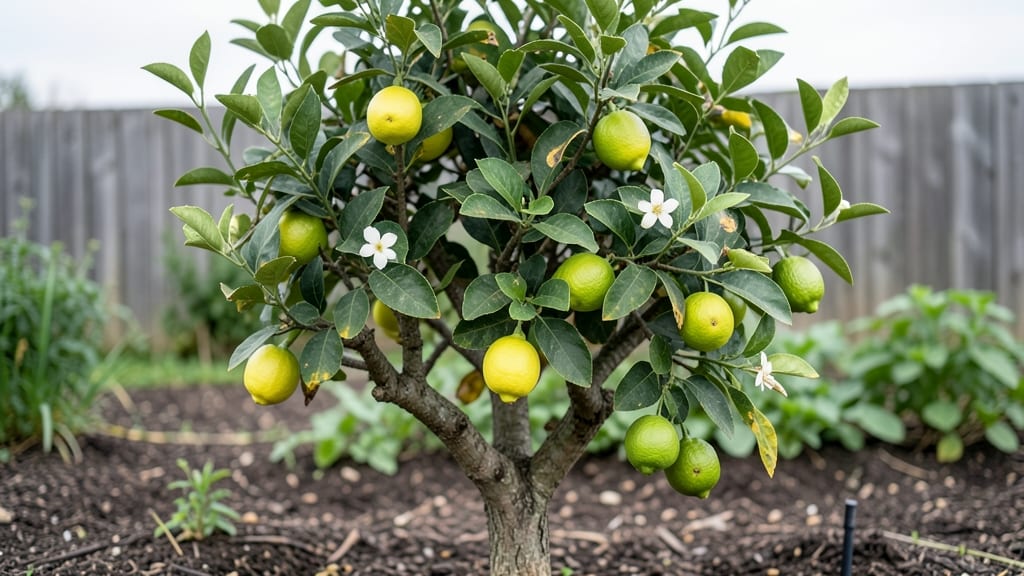
Caring for a lemon tree year-round isn’t as tricky as you’d think—especially when you focus on minimal pruning and the right growing conditions. 🌿 I’ve kept my Meyer lemon tree thriving for five years by treating it more like a houseplant than a fussy tropical.
The key is balancing sunlight, water, and occasional trims to keep it productive without stressing it out.
Your lemon tree will need well-draining soil, a sunny spot (6+ hours daily), and consistent moisture—but not soggy roots. Indoor trees need bright light near a south-facing window, while outdoor trees in zones 9-11 can handle partial shade in summer.
Fertilizing lightly every 2-3 months with citrus-specific food keeps it bearing fruit without overfeeding.
By pruning just once a year (late winter), you encourage bushier growth and better air flow—no need for heavy cuts. A healthy tree rewards you with fragrant blossoms and sweet lemons by late fall. The secret? Less maintenance, more patience. You’ll be harvesting within 2-3 years with the right care.
Works for both container-grown and in-ground trees, and even handles apartment living. Let’s get your tree set up for a lifetime of lemons!
📚 In This Guide
- What you need
- Instructions
- Tips and common mistakes
- Wrapping up and next steps
What you need
- ● Lemon Tree: A healthy nursery-grown Citrus limon sapling (choose dwarf varieties like 'Meyer' or 'Eureka' for indoor/container growing).
- ● Container or Garden Space: For Containers: A 15-20 gallon pot (or larger) with drainage holes. Pro tip: Terracotta or fabric pots help prevent root rot! 💡
- ● For Gardens: A sunny, well-draining spot with at least 6–8 hours of light daily.
- ● Well-Draining Soil: A mix of 60% potting soil, 30% perlite or coarse sand, and 10% compost (or pre-mixed citrus soil).
- ● Fertilizer: Balanced Fertilizer: 10-10-10 or 8-3-9 NPK ratio (use sparingly—over-fertilizing burns roots!).
- ● Citrus-Specific Fertilizer: High in nitrogen, iron, and micronutrients (e.g., Citrus-Tone).
- ● Pruning Tools: Sharp bypass pruners (for clean cuts on small branches).
- ● Small hand saw (for thicker branches, ½" or larger).
- ● Disinfectant (rubbing alcohol or bleach solution to sterilize tools between cuts).
- ● Watering Supplies: Watering can with a rose attachment (for gentle, deep watering).
- ○ Moisture meter (optional but helpful for container growers).
- ● Mulch: Organic mulch (straw or wood chips) to retain moisture and regulate soil temp.
- ● Grow Lights: LED full-spectrum lights (12–14 hours/day) for indoor trees during winter.
- ● Humidifier or Pebble Tray: Lemon trees love humidity—great for indoor setups! 🌡️
- ● Epsom Salt: For magnesium boosts (1 tbsp/month in water).
- ● Support Stakes or Trellis: If your tree grows tall or heavy with fruit.
- ● Pest Control: Neem oil, insecticidal soap, or sticky traps for aphids/mealybugs.
How to care for a lemon tree year-round with minimal pruning
Here's the straightforward approach I've used to keep my lemon trees thriving—no over-pruning, just smart care.
🌱 Step 1: Position for Maximum Sunlight and Protection
Lemon trees demand full sun—at least 6-8 hours daily—for optimal fruit production. Place yours in the southeast corner of a patio or balcony to catch morning sun while avoiding harsh afternoon heat. If growing indoors, position near a south-facing window with supplemental grow lights during winter when daylight shortens.
Protect from drafts and cold snaps—temperatures below 45°F stunt growth. In colder zones, bring potted trees indoors near a sunny window before frost. You'll notice new leaf growth slow dramatically if light or warmth drops, signaling a need for adjustment.
💧 Step 2: Water Deeply but Infrequently
Water when the top 2-3 inches of soil feel dry to the touch—overwatering causes root rot, which is the #1 killer of lemon trees. I use the "finger test" method: stick your index finger into the soil. If it comes out clean, water thoroughly until it drains from the bottom. Let excess water run out completely to prevent soggy roots.
During active growing months (spring-fall), water every 7-10 days, adjusting for heat. In winter, reduce to every 2-3 weeks—the tree’s dormancy period means less water is needed. Yellowing leaves often signal overwatering, while crispy edges mean underwatering.
☀️ Step 3: Feed Strategically for Fruit and Foliage
Use a balanced citrus fertilizer (6-6-6 or 8-8-8 NPK ratio) every 4-6 weeks during growing season. I apply half-strength fertilizer in spring to encourage new growth, then full strength in summer for flowering. Avoid fertilizing in winter—dormant trees don’t need extra nutrients and can burn roots.
Watch for new leaf flushes after fertilizing—this confirms the tree is absorbing nutrients. If leaves stay pale or small, increase frequency slightly. Organic options like fish emulsion or seaweed extract work well for a gentler boost, especially for young trees.
✂️ Step 4: Prune Only for Shape and Airflow
Minimal pruning keeps lemon trees healthy without stress. Remove dead, crossing, or inward-growing branches in late winter or early spring before new growth starts. Use clean, sharp pruners to make cuts just above a leaf node—this encourages outward growth. Never prune more than 25% of the canopy at once.
Shape the tree by trimming back leggy branches to encourage bushier growth. You’ll see thicker foliage and more blossoms within a season if pruned correctly. Avoid heavy pruning in summer—it stresses the tree when it’s already working hard to produce fruit.
🪴 Step 5: Monitor for Pests and Adjust Conditions
Check leaves weekly for aphids, spider mites, or scale—common citrus pests. Wipe off soft-bodied insects with a soapy water spray (1 tsp mild soap per quart of water). For stubborn infestations, use neem oil as a natural deterrent. Healthy trees rarely attract pests, so strong growth is your best defense.
Adjust humidity if leaves develop brown tips—mist occasionally or place the pot on a pebble tray with water. Lemon trees thrive in 50-70% humidity, so indoor growers may need to supplement dry air. Watch for leaf drop in winter, which is normal, but excessive drop signals stress from drafts or sudden temperature swings.
Tips & tricks for perfect lemon tree care
A few strategic tweaks can transform your lemon tree from struggling to spectacular—here's what I've learned after years of trial and error.
Sunlight Strategy: In Step 1, when positioning your tree for that critical 6-8 hours of sunlight, pay special attention to seasonal changes. During summer, move your tree slightly if you notice leaves getting scorched—afternoon sun can be too intense. I rotate my outdoor trees every few weeks to ensure even exposure on all sides.
Watering Wisdom: The finger test in Step 2 is your best friend, but timing matters too. Water in the morning so the foliage has all day to dry, preventing fungal issues. I've seen root rot develop when people water at night, even with the right frequency. Also, use room-temperature water—cold water can shock the roots.
Fertilizer Timing: When applying that balanced citrus fertilizer every 4-6 weeks, split your applications into two smaller doses. For example, instead of one full dose every 6 weeks, do half now and half in 3 weeks. This mimics natural nutrient cycles and prevents overloading the roots. I've noticed my trees respond better with this approach.
Pruning Precision: In Step 4, when you're trimming those leggy branches, make your cuts at a 45-degree angle just above a leaf node. This encourages outward growth and prevents water from pooling on the cut. I always sterilize my pruners with rubbing alcohol between cuts to prevent spreading disease—it's a small step that makes a big difference.
Pro Tips for Lemon Tree Care
- A few strategic tweaks can transform your lemon tree from struggling to spectacular—here's what I've learned after years of trial and error.
- Sunlight Strategy: In Step 1, when positioning your tree for that critical 6-8 hours of sunlight, pay special attention to seasonal changes.
- Watering Wisdom: The finger test in Step 2 is your best friend, but timing matters too.
Frequently asked questions
Got questions about keeping your lemon tree happy? We’ve got answers! Whether you’re a first-time grower or looking to refine your skills, these FAQs cover the basics and beyond. Dive in to troubleshoot, time your tasks, and make the most of your citrus companion.
How often should I prune my lemon tree?
Prune your lemon tree lightly 2–3 times a year: once in late winter (before new growth), again in early summer (to shape and encourage fruiting), and optionally in fall (to remove dead or overcrowded branches). Avoid heavy pruning—focus on airflow and sunlight to prevent disease.
Can lemon trees survive winter frost?
Most lemon trees (like Meyer lemons) are semi-hardy and can tolerate brief dips to 20–25°F (-6 to -4°C). For colder climates, move potted trees indoors near a sunny window or wrap the trunk in burlap. Young trees or tender varieties (like Eureka) need extra protection—consider row covers or a greenhouse.
Why aren’t my lemon tree leaves turning yellow?
Yellow leaves often signal overwatering or nutrient deficiencies. Check the soil—it should be slightly moist but not soggy. If leaves are yellow with brown edges, it’s likely chlorosis (low iron/manganese). Amend soil with chelated iron or compost, and ensure 6+ hours of sunlight daily.
Do lemon trees need full sun all day?
Yes! Lemon trees thrive in 6–8 hours of direct sunlight daily. In hot climates, morning sun + afternoon shade can prevent leaf scorch. If growing indoors, place near a south-facing window or use grow lights (12–14 hours/day). Lack of light leads to leggy growth and fewer lemons.
How do I get rid of pests like aphids or spider mites?
Start with a gentle spray of water to dislodge pests, then treat with neem oil or insecticidal soap (follow label instructions). For severe infestations, use horticultural oil in early spring. Prevent pests by keeping the tree pruned and well-watered, and remove fallen leaves promptly.
Pro Tip: Mulch matters!
Apply 2–3 inches of organic mulch (like straw or wood chips) around the base of your tree to retain moisture, regulate soil temperature, and suppress weeds. Keep mulch 3 inches away from the trunk to avoid rot.
Wrapping up and next steps
Caring for your lemon tree doesn’t have to be complicated—just a little love, patience, and the right techniques go a long way! 🌿 With the right tools, seasonal adjustments, and minimal pruning, you’ll enjoy a thriving tree that rewards you with delicious lemons year after year.
Now that you’re armed with tips and tricks, why not take the next step? Grab your pruning shears, step outside, and give your tree the attention it deserves—your future lemonade will thank you!