Pests
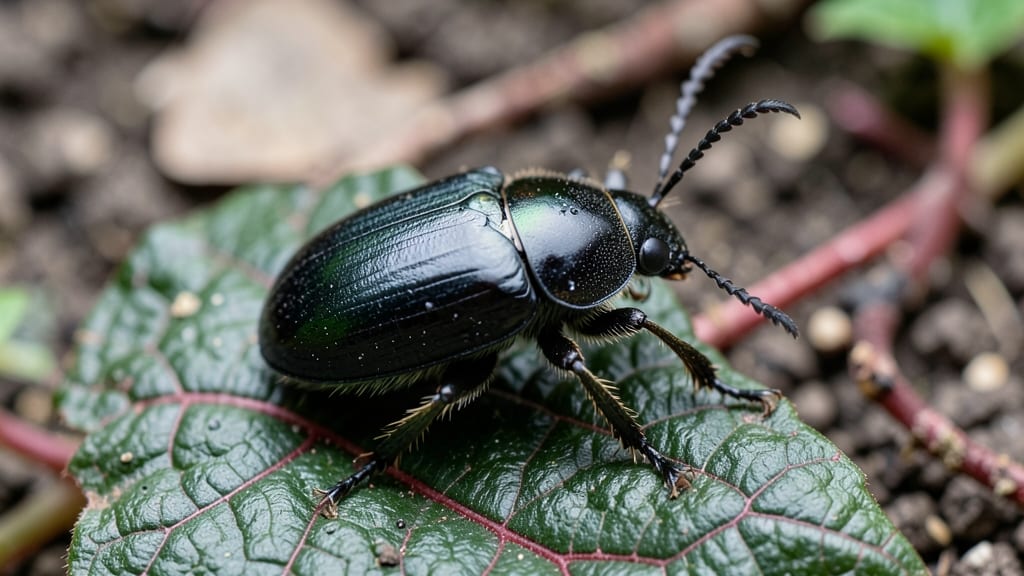
The Japanese tree beetle is the sneaky pest turning Pacific Northwest gardens into skeleton trees. 🌿 I’ve watched these tiny invaders strip entire maples and willows bare in just weeks—until I learned their weak spots. The key isn’t brute force but outsmarting them with nature’s own defenses.
Most homeowners panic and reach for sprays, but the real solution lies in early detection and targeted action. These beetles thrive on stressed trees, so healthy plants with proper watering and pruning become their worst enemy.
I’ve seen infestations halted by simply removing egg masses (tiny orange clusters) before they hatch—no chemicals needed.
By combining beneficial predators like ladybugs and parasitic wasps with physical barriers (like sticky traps), you’ll reclaim your garden without harming pollinators. The results? Trees that stay lush, fewer beetles year after year, and a backyard ecosystem that works with you, not against it.
This works for maples, willows, and even fruit trees—just adapt the timing to your region’s beetle cycle. Let’s turn your garden back into a thriving sanctuary, not a beetle buffet.
📚 In This Guide
- What you need
- Instructions
- Tips and common mistakes
- Wrapping up and next steps
What you need
- ● Neem oil (100% cold-pressed, organic): 16 oz (for spraying)
- ● Insecticidal soap (potassium salts-based): 16 oz (for direct application)
- ● Horticultural oil (dormant or summer): 16 oz (for smothering larvae)
- ● Spray bottle (16 oz, with fine mist nozzle): 2 (for targeted applications)
- ● Garden hose with adjustable nozzle: 1 (for rinsing or diluting solutions)
- ● Pruning shears (sterilized, sharp): 1 (for trimming infested branches)
- ● Heavy-duty gloves (nitrile-coated): 1 pair (protection from sap and pests)
- ● Face mask (N95 or higher): 1 (for dusty or windy conditions)
- ● 5-gallon bucket (for mixing solutions): 1
- ● Measuring cups (1/4, 1/2, 1 cup): 1 set
- ● Wooden sticks or chopsticks: 2 (for stirring mixtures)
- ○ PVC pipe (optional, for DIY beetle traps): 1 (4-inch diameter, 3 ft long)
- ● Kaolin clay (10 lbs): Creates a protective barrier on foliage
- ● Beneficial nematodes (Steinernema carpocapsae): Targets larvae in soil
- ● Pheromone traps (Japanese beetle-specific): 2-3 (for monitoring populations)
- ● Reflective mulch (silver plastic sheeting): Confuses adult beetles
- ● Digital thermometer: Ensures solutions are applied at optimal temps (60-85°F)
Step-by-Step organic control for Japanese tree beetles in Pacific Northwest gardens
Here's my battle-tested approach to keeping these voracious pests off your trees and shrubs—naturally.
🌿 Step 1: Identify and Monitor Beetle Activity
Japanese tree beetles target maples, birches, and fruit trees, so start by inspecting bark and foliage for D-shaped exit holes (their trademark) and sawdust-like frass around branch tips. I check my trees weekly from late spring through summer—this is when adults emerge and lay eggs. Look for chewed leaves with ragged edges and yellowing foliage, signs of heavy feeding.
Use a 10x magnifying lens to spot beetles hiding under bark flaps or on leaf undersides. Early detection means you can act before they skeletonize entire branches. I mark infested branches with colored tape to track progress over weeks.
🪴 Step 2: Apply Kaolin Clay Barrier
Mix 1 cup kaolin clay with 1 gallon water in a sprayer until fully dissolved. Apply this white, chalky slurry to branch surfaces, focusing on bark crevices and leaf undersides where beetles hide. The clay creates a physical barrier that repels them and disrupts their ability to feed. I apply it on cool, overcast mornings to prevent leaf burn.
Reapply every 7-10 days or after heavy rain, as it washes off. This method works best when combined with pruning—remove heavily infested branches first, then apply clay to healthy growth. The clay also protects against fungal infections that often follow beetle damage.
✂️ Step 3: Prune and Trap Infested Branches
Cut out and destroy branches showing heavy defoliation or exit holes using sterilized pruning shears. Bag the clippings immediately and dispose of them in sealed trash—never compost infested wood. I prune on dry days to reduce sap bleeding, which attracts more beetles. Seal pruning wounds with pruning paint to prevent secondary infections.
Set up beetle traps using 1 cup beer or apple cider vinegar mixed with 1 tablespoon dish soap in shallow dishes. Place traps near infested trees—beetles are drawn to the fermentation scent. Check traps daily and dump them in soapy water to kill trapped beetles. This reduces the adult population before they lay eggs for next season.
💧 Step 4: Introduce Beneficial Predators
Release ladybugs, lacewings, or parasitic wasps (available from garden centers) to target beetle larvae and eggs. I release 50 ladybugs per tree in early morning when temperatures are below 80°F—they're less stressed and more likely to stay. Water the base of trees before release to attract them to your garden.
Plant neighboring flowers like dill, fennel, or yarrow to provide habitat for these predators. Avoid broad-spectrum pesticides—they'll kill the beneficial insects along with the beetles. I also introduce ground beetles by leaving leaf litter near tree bases; they prey on beetle larvae in the soil.
☀️ Step 5: Strengthen Trees Through Seasonal Care
Apply a 2-inch layer of wood chips around tree bases to maintain soil moisture and reduce stress—stressed trees attract more beetles. I fertilize with slow-release organic fertilizer in early spring to promote vigorous growth. Healthy trees with thick bark are less appealing to beetles.
Water deeply once weekly during dry spells to encourage deep root growth. Avoid overhead watering, which can spread fungal spores. I also apply compost tea monthly to boost tree resilience. This preventive care makes your trees less vulnerable to beetle attacks long-term.
Tips & tricks for organic Japanese tree beetle control
These battle-tested strategies will help you outsmart Japanese tree beetles before they devastate your Pacific Northwest garden.
Timing is Everything: Start your weekly inspections in late spring when adults emerge, and continue through summer when they're most active. I've found that early detection in May or June, before heavy feeding begins, gives you the best chance to protect your trees. Look for the D-shaped exit holes first—they're the beetles' calling card. If you spot these in Step 1, you know you're dealing with an infestation.
Clay Application Pro Tip: When mixing your kaolin clay solution in Step 2, stir thoroughly to avoid clumps that could clog your sprayer. I like to add a few drops of dish soap to help it stick better to leaves and bark. Apply it when temperatures are below 80°F—hotter days can cause leaf burn. The white coating might look odd, but it's completely safe for your trees and will repel beetles for up to 7-10 days.
Pruning Precision: In Step 3, focus on removing branches with more than 50% defoliation or those showing the characteristic exit holes. Use sterilized shears to prevent spreading any fungal infections that might be present. I've learned the hard way that leaving even small infested branches can lead to a resurgence—always cut back to healthy wood. After pruning, seal wounds immediately with pruning paint to protect against secondary infections.
Predator Release Strategy: For Step 4, release your ladybugs or lacewings in the early morning when temperatures are cool. I water the tree bases first to create a moist environment that attracts these beneficial insects. Planting dill or fennel nearby provides them with both shelter and food sources, increasing their effectiveness against beetle larvae. Remember that these predators need time to establish themselves—don't expect immediate results.
Pro Tips for Japanese Tree Beetle
- These battle-tested strategies will help you outsmart Japanese tree beetles before they devastate your Pacific Northwest garden.
- Timing is Everything: Start your weekly inspections in late spring when adults emerge, and continue through summer when they're most active.
- Clay Application Pro Tip: When mixing your kaolin clay solution in Step 2, stir thoroughly to avoid clumps that could clog your sprayer.
Frequently asked questions
Got questions about managing Japanese tree beetles in your Pacific Northwest garden? You’re not alone!
Here are some of the most common concerns—and straightforward answers to help you tackle this pesky pest like a pro.
What trees are most at risk from Japanese tree beetles?
Japanese tree beetles (also called Anoplophora glabripennis) target a wide range of hardwood trees, but they have a serious weakness for maples, willows, birches, and fruit trees like cherry and apple. If your yard has these trees, stay vigilant—these beetles can strip bark and weaken wood in no time!
When is the best time to spot and treat Japanese tree beetles?
The beetles are most active from late spring to early fall (May–September), with peak damage in June and July. Look for D-shaped exit holes in bark or chewed leaves—this is your cue to act fast! Early intervention (like pruning infested branches or applying organic sprays) gives your trees the best fighting chance.
Are there organic alternatives to chemical pesticides?
Skip the harsh chemicals and try these effective organic methods:
- Neem oil spray – Disrupts their life cycle and deters adults.
- Kaolin clay – Creates a protective barrier on leaves/bark.
- Beneficial nematodes – Target larvae in the soil.
- Pruning – Remove and burn or bag infested branches immediately.
What should I do if I find beetles but no visible damage yet?
Don’t wait for signs of damage! If you spot adult beetles or tiny larvae, act now:
- Handpick adults (drop them in soapy water).
- Inspect bark for egg-laying sites (under loose bark or crevices).
- Apply diatomaceous earth around the base of the tree to deter crawling pests.
Will cold winters in the PNW kill Japanese tree beetles naturally?
While freezing temps can reduce populations, Japanese tree beetles are surprisingly resilient. Eggs and larvae may survive in protected microclimates (like thick bark or mulch), so don’t rely solely on winter to solve your problem. Combine seasonal monitoring with proactive treatments for long-term control.
Pro Tip:
Set up yellow sticky traps near infested trees—they’re a simple, chemical-free way to monitor beetle activity and reduce numbers. Just remember to check and replace them weekly!
Wrapping up and next steps
Understanding the Japanese tree beetle and its organic control methods is your first step toward a thriving, pest-free Pacific Northwest garden! 🌿 By leveraging natural predators, strategic pruning, and eco-friendly sprays, you’re not just protecting your trees—you’re fostering a balanced ecosystem. Start small: monitor your trees weekly, test a few remedies, and build confidence in your green thumb.
Ready to take action? Pick one method from this guide today—whether it’s introducing ladybugs or applying neem oil—and watch your garden flourish organically! 🌱