
Pruning
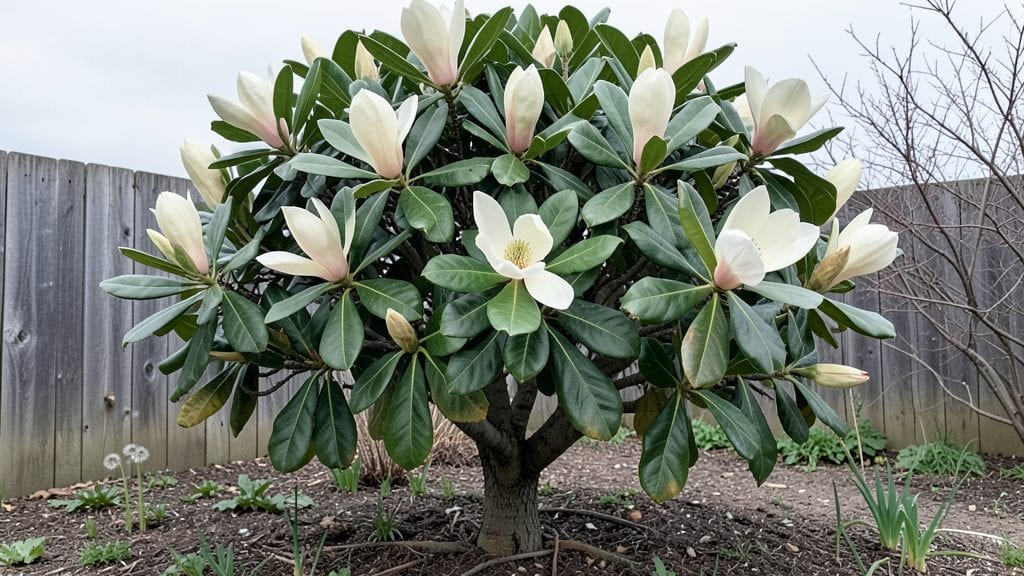
The Jane magnolia flowering tree thrives in Pacific Northwest gardens with its stunning spring blooms and frost-hardy nature—here’s how to keep it healthy and blooming year after year. I’ve grown mine for five seasons, and the secret to its success lies in the right pruning timing and technique.
Unlike many magnolias, Jane handles frost better, making it a standout for our rainy climate.
This tree loves partial shade but tolerates full sun, especially in cooler zones. Well-draining, slightly acidic soil keeps it happy, while consistent watering (about 1 inch per week) prevents stress.
The real magic happens in late winter or early spring, when pruning encourages strong growth and even more blooms next season. I prune just after the last frost, removing dead wood and shaping lightly—never cutting into old wood, or you’ll lose next year’s flowers.
By summer, you’ll be rewarded with cup-shaped, creamy-white blooms that perfume the air and attract pollinators. The glossy, dark green leaves stay vibrant all season, and with proper care, Jane magnolias live for decades.
The key is patience: it takes a few years for the tree to mature, but once established, it’s nearly maintenance-free and becomes the star of any garden.
Perfect for urban yards, park plantings, or as a focal point in landscapes. Whether you’re a beginner or a seasoned gardener, this tree delivers beauty with minimal fuss—just give it space to grow and the right timing for pruning. Let’s get yours thriving!
📚 In This Guide
- What you need
- Instructions
- Tips and common mistakes
- Wrapping up and next steps
What you need
- ● Pruning shears: Bypass pruners (sharp, clean, and sterilized with rubbing alcohol—1 pair).
- ● Loppers: For thicker branches (1 pair, 20–24" reach).
- ● Hand saw: Pruning saw with a fine-tooth blade (1, 16–20").
- ● Rubbing alcohol (70% or higher): For sterilizing tools (small bottle).
- ○ Pruning sealant: Optional but helpful for large cuts (1 small tube, like Tanglefoot Tree Wound Pruning Seal).
- ● Work gloves: Heavy-duty, cut-resistant (1 pair).
- ● Ladder: Sturdy, extendable (1, 12–16 ft, if needed).
- ● Disposable bags: For collecting debris (1–2 large bags).
- ● Garden hose or spray bottle: For rinsing tools (1).
- ● Tree wound paint: For sealing cuts (if not using sealant).
- ● Extension pole pruners: For high branches (1, 6–10 ft).
- ● Safety goggles: Protects eyes from debris.
- ● Knee pads: For comfort during ground-level pruning.
- ● Notebook & pen: To track pruning notes (e.g., branch sizes, bloom locations).
Instructions for pruning your Jane Magnolia tree in the Pacific Northwest
Here’s how I keep my Jane Magnolia thriving through PNW winters while protecting those stunning blooms.
Time Your Pruning for Frost Protection
Prune your Jane Magnolia immediately after flowering—typically in late May to early June—to avoid cutting off next year’s buds. These trees bloom on old wood, meaning flower buds form the previous summer and need protection from late frosts. Wait until all blooms have fallen before touching the shears.
If you prune too early, you risk removing flower buds that haven’t fully developed yet. If you wait too late, you’ll cut into next year’s blooms. The PNW’s unpredictable spring frosts make timing critical—I always check the forecast and prune on a warm, dry day when frost isn’t expected for at least 5 days.
Remove Dead, Damaged, or Crossing Branches
Start by inspecting the tree for dead, diseased, or broken branches—these should be removed first. Look for branches that are gray, brittle, or lacking leaves in spring. Use clean, sharp pruning shears to make 45-degree cuts just outside the branch collar (the swollen area where the branch meets the trunk).
Next, remove any branches that cross or rub against each other—these create wounds that invite pests and disease. Focus on thinning out the canopy to improve airflow, which is especially important in the damp PNW climate. I aim to keep the tree’s natural shape while opening it up to sunlight and air circulation.
Shape for Frost Resistance and Airflow
Jane Magnolias have a rounded, vase-like shape, so avoid heavy pruning to maintain this form. Instead, lightly trim any branches that grow too upright or outward to encourage a balanced, open structure. This helps snow and ice slide off in winter, reducing branch damage.
If a branch is too long, shorten it by cutting just above a bud that faces outward—this encourages new growth in the right direction. Never remove more than 25% of the tree’s foliage in one season, as this stresses the tree and weakens its frost resistance. I usually limit pruning to just a few branches per year to preserve the tree’s health.
Clean Up and Protect Against Late Frosts
After pruning, sterilize your tools with rubbing alcohol to prevent spreading disease. Collect and dispose of all clippings—do not compost them if they show signs of disease. I also mulch the base with 3-4 inches of organic mulch (like wood chips) to insulate roots from winter frosts.
If your area experiences late spring frosts, consider covering young or newly planted trees with frost cloth on particularly chilly nights. Jane Magnolias are more frost-resistant than other magnolias, but new growth is still vulnerable until fully hardened off. Water deeply before the first frost to help roots withstand cold temperatures.
Tips & tricks for pruning your Jane Magnolia tree
A few key insights will help you protect those stunning blooms while keeping your Jane Magnolia healthy through PNW winters.
Timing is Everything: The window between late May and early June is critical because Jane Magnolias bloom on old wood. I always double-check that all blooms have completely fallen before pruning—this ensures we don't accidentally cut off next year's flower buds. If you're unsure, wait an extra week rather than risking early pruning. The PNW's unpredictable spring frosts mean checking the 5-day forecast is just as important as the calendar date.
Branch Collar Awareness: When removing branches in Step 2, focus on making clean cuts just outside the branch collar—the swollen area where the branch meets the trunk. This protects the tree's natural healing process. I've made the mistake of cutting too close to the trunk before, which created wounds that took years to heal. Use clean, sharp pruning shears and make precise 45-degree cuts to minimize damage.
Shape with Purpose: While shaping in Step 3, remember that Jane Magnolias naturally grow in a rounded, vase-like shape. Light trimming of upright or outward-growing branches helps maintain this form while improving airflow—critical for preventing fungal diseases in our damp climate. I aim to remove no more than 25% of foliage in any single season, as heavier pruning stresses the tree and reduces its frost resistance.
Frost Protection Strategy: The 3-4 inches of organic mulch you add in Step 4 isn't just for looks—it creates an insulating layer that protects roots from winter temperature swings. For young trees or areas prone to late frosts, I recommend keeping frost cloth handy. You can drape it over the tree on particularly chilly nights, securing it loosely so it doesn't damage new growth. Watering deeply before the first frost helps the roots establish better cold resistance.
Pro Tips for Jane Magnolia Flowering Tree
- A few key insights will help you protect those stunning blooms while keeping your Jane Magnolia healthy through PNW winters.
- Timing is Everything: The window between late May and early June is critical because Jane Magnolias bloom on old wood.
- Branch Collar Awareness: When removing branches in Step 2, focus on making clean cuts just outside the branch collar—the swollen area where the branch meets the trunk.
Frequently asked questions
Got questions about growing and caring for your Jane Magnolia? Here are some of the most common ones—plus expert tips to keep those stunning blooms thriving in the Pacific Northwest’s frost-prone climate.
When is the best time to prune my Jane Magnolia?
The ideal window is late winter or early spring (February–March), just as buds swell but before new growth starts. Avoid pruning after mid-summer—this can stimulate tender growth that may not survive frost. For heavy shaping, prune in stages over 3 years to reduce stress on the tree.
How do I protect my Jane Magnolia from frost damage?
Jane Magnolias are frost-resistant, but young trees or new growth can still suffer. Mulch the base with 3–4 inches of wood chips, and cover tender branches with frost cloth if temps drop below 20°F. Prune damaged branches in early spring—never during frost events, as cuts can invite disease.
Why aren’t my Jane Magnolia flowers opening?
Common culprits include over-pruning (cutting back too aggressively), poor sunlight (they need 6+ hours of sun), or nutrient deficiencies. Test soil pH (aim for 5.0–6.5) and fertilize with acid-loving plant food in early spring. Patience is key—mature trees (10+ years) bloom most reliably.
Can I top my Jane Magnolia to keep it small?
No!
Topping (cutting the main stem flat) weakens the tree, encourages ugly, sparse growth, and reduces blooms. Instead, prune selectively to shape—remove no more than 25% of branches per year. For a smaller tree, choose a dwarf cultivar like ‘Black Tulip’ or ‘Elizabeth.’
What’s a good alternative if Jane Magnolia is too high-maintenance?
If you love frost-resistant, fragrant blooms but want lower upkeep, try:
- Yulan Magnolia (Magnolia denudata) – Cold-hardy, early spring blooms, and no pruning needed.
- Saucer Magnolia (Magnolia × soulangeana) – Hardy, disease-resistant, and tolerates pruning better.
- Star Magnolia (Magnolia stellata) – Compact, early bloomer, and thrives in partial shade.
All three are PNW-friendly and equally stunning!
Wrapping up and next steps
The Jane Magnolia is a stunning addition to the Pacific Northwest’s landscape, offering frost-resistant blooms that brighten even the driest winters. With the right pruning techniques—like timing, tool selection, and gentle shaping—you’ll keep your tree thriving for years to come. 🌸
Now that you’re equipped with the know-how, roll up your sleeves and give your Jane Magnolia the care it deserves! Start by scheduling your next pruning session (or tackling those overgrown branches today). Every snip brings you closer to a showstopping tree that’s the envy of the neighborhood.