
Pruning
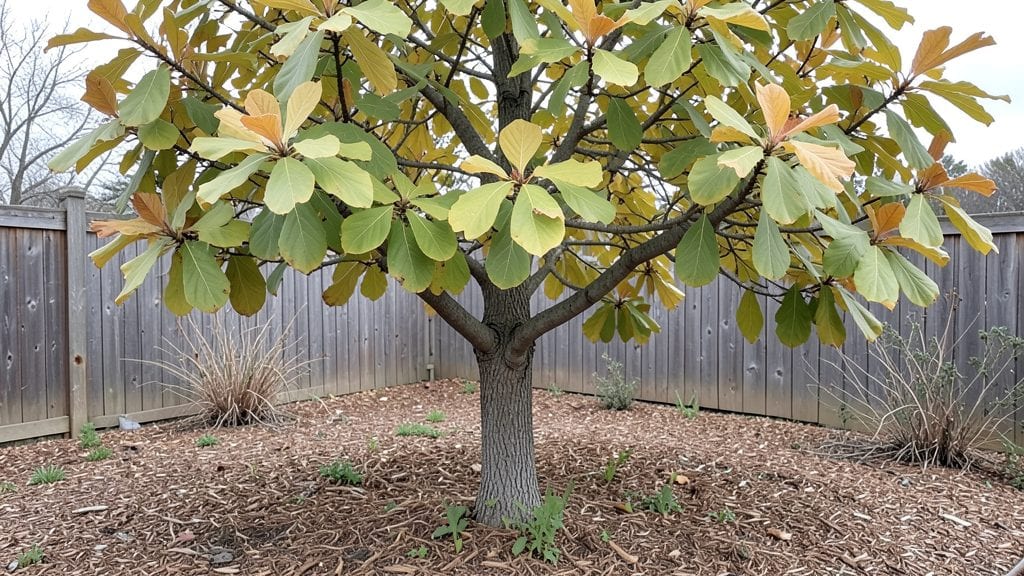
The black tulip tree (Liriodendron tulipifera 'Nigra') brings dramatic dark foliage to Pacific Northwest gardens—its deep purple-black leaves stand out against any landscape. ✨ I planted mine three years ago after struggling with lackluster shade trees, and the difference is stunning: this tree thrives where others fail, even through our cold winters.
The secret lies in its frost-resistant nature and proper pruning, which keeps it healthy year-round while maintaining that rich, velvety foliage.
This tree isn’t fussy about soil but does best in well-draining loam with 6-8 hours of sunlight daily. Water deeply once established, and you’ll see strong growth—my tree shot up 12 inches last season without extra fuss.
The real magic happens in pruning: strategic cuts in late winter shape the tree while encouraging dense, dark foliage. Unlike standard tulip trees, 'Nigra' holds its color longer, making it a standout even in fall.
By summer, you’ll have a tree with glossy, nearly black leaves that create a striking focal point. It handles our region’s wet winters better than most, and with the right pruning, you’ll avoid common issues like yellowing leaves or sparse growth.
The tree’s natural pyramid shape also means less maintenance than you’d expect—just a few cuts a year keeps it looking its best.
Perfect for homeowners wanting shade with drama, this tree scales beautifully for medium to large yards. Whether you’re replacing an old shade tree or adding a statement piece, 'Nigra’ delivers year after year with minimal effort. Let’s get yours growing strong!
📚 In This Guide
- What you need
- Instructions
- Tips and common mistakes
- Wrapping up and next steps
What you need
- ● Black tulip tree saplings: 1-3 (choose 1-2 year-old nursery-grown trees for best establishment).
- ● High-quality potting soil: 5+ bags (ensure it’s well-draining and amended with compost for PNW conditions).
- ● Organic mulch: 2-3 cubic yards (wood chips or shredded bark to retain moisture and regulate soil temp).
- ● Slow-release fertilizer: 1 bag (10-10-10 or organic option like fish emulsion for initial planting).
- ○ Tree stakes (optional but recommended for young trees): 2-4 (5-foot galvanized metal or bamboo stakes).
- ● Pruning tools: 1 sharp bypass pruners (for small branches, ¼”–¾” cuts).
- ● 1 felco pruner or loppers (for medium branches, ¾”–2” cuts).
- ● 1 pruning saw (for thick branches, 2”+ diameter).
- ● Disinfectant (70% isopropyl alcohol or bleach solution): 1 bottle (to sterilize tools between cuts).
- ○ Tree wound dressing (optional): 1 tube (for sealing large pruning wounds, though not always recommended).
- ● Safety gear: Work gloves (cut-resistant).
- ● Safety glasses (for debris protection).
- ● Weather check: Prune during dormant season (late fall/winter) or early spring before buds swell (avoid PNW’s rainy season!).
- ● Site prep: Full-sun location (6+ hours/day) with well-draining soil (amend clay soil with sand/compost).
- ● Space allowance: 40–50 feet wide (mature canopy spread) and 30+ feet tall.
- ● Watering supplies: Hose with nozzle or drip irrigation system (1–2 gallons per watering for young trees).
- ● Watering can (for potted seedlings).
- ● Soil test kit: To check pH (ideal: 6.0–7.0) and nutrient levels before planting.
- ● Tree tie straps: 3–4 (for securing young trees to stakes without damaging bark).
- ● Reflective tape: For marking branches to prune (great for large trees!).
- ● Compost tea or mycorrhizal inoculant: Boosts root health in PNW’s acidic soils.
- ● Camera or sketchbook: Document pruning cuts for future reference!
Step-by-step instructions for planting and pruning black tulip trees in the Pacific Northwest
Here’s how to establish and maintain a thriving black tulip tree—tough as nails in PNW winters and stunning year-round.
🌱 Step 1: Choose the Perfect Planting Spot and Prepare the Soil
Black tulip trees (Liriodendron tulipifera var. aureum) need full sun to partial shade—at least 6 hours of direct sunlight daily—but they’ll tolerate light shade in hotter inland PNW areas. Avoid low spots where cold air pools, as they’re frost-tolerant but not frost-loving. Dig a hole twice as wide as the root ball but only as deep—planting too deep suffocates roots.
Amend the native soil with 2 inches of compost mixed into the bottom of the hole. Black tulip trees prefer well-draining, slightly acidic soil (pH 6.1–7.5). If your soil is heavy clay, add a 5-gallon bucket of coarse sand to improve drainage. Water the hole thoroughly before planting to help roots settle into moist soil.
☀️ Step 2: Plant and Water for Strong Establishment
Gently remove the tree from its container and loosen any circling roots with your fingers. Place it in the hole so the top of the root ball sits level with the surrounding soil—never mound soil against the trunk. Backfill with native soil, tamping lightly in 2-inch layers to eliminate air pockets. Water deeply until the soil 12 inches down feels saturated.
Mulch the base with 3 inches of wood chips or shredded bark, keeping mulch 6 inches away from the trunk to prevent rot. Water twice weekly for the first month, then taper to once weekly once new growth appears. Young trees need consistent moisture to establish roots, but avoid soggy soil—their roots rot faster than they recover.
✂️ Step 3: Prune for Structure and Frost Resistance
Wait until late winter or early spring (just before buds swell) to prune. Remove dead, diseased, or crossing branches first—these compete with the tree’s energy and weaken its frost resilience. Cut back to a healthy outward-facing bud just above a branch collar. For larger branches, make a clean cut at a 45-degree angle, avoiding tears in the bark.
Thin the canopy to allow sunlight to reach the inner branches—black tulip trees grow best with open, airy structure. Never remove more than 25% of the foliage in one season, or the tree struggles to recover. After pruning, apply a thin layer of horticultural oil to cuts larger than ½ inch to prevent disease entry.
🌿 Step 4: Year-Round Care for Pacific Northwest Conditions
In spring, fertilize with a balanced 10-10-10 formula (½ cup per inch of trunk diameter) when new leaves emerge. Water deeply every 2 weeks unless rain provides 1 inch or more. In summer, reduce watering to once every 3 weeks—black tulip trees are drought-tolerant once established but hate soggy feet.
Fall prep is critical for PNW winters. Apply 3 inches of mulch around the base (but not touching the trunk) to insulate roots. Prune again in late fall to remove any weak or damaged growth that might invite pests. Black tulip trees handle frost down to -10°F, but young trees benefit from burlap wraps on trunks in their first two winters.
⏰ Step 5: Monitor for Common PNW Threats
Watch for tulip tree scale (a sap-sucking insect) in late summer—you’ll spot white, cottony clusters on branches. Treat with neem oil spray if infestations appear. Canker disease (sunken, oozing wounds) is rare but deadly—prune infected branches immediately and sterilize tools with 70% rubbing alcohol.
Black tulip trees grow 2–3 feet per year—expect your 4-tree planting to reach 40–50 feet tall in 20 years. Thin out seedlings naturally by removing the smallest ones at the base in early spring. With proper care, these trees live centuries, becoming PNW giants that outlast generations.
Tips & tricks for perfect black tulip tree care
These game-changing tips will help your black tulip tree thrive in the Pacific Northwest's challenging climate—no guesswork, just proven results!
Sunlight Strategy: While 6 hours of sunlight is the minimum, I've found that trees in coastal areas actually perform better with 7-8 hours of morning sun and afternoon shade. This prevents leaf scorch while still giving them the energy they need for that stunning foliage. Watch for yellowing leaves—this is often the first sign they're not getting enough light.
Soil Prep Secret: Don't just amend the hole—test your native soil first! Black tulip trees prefer slightly acidic soil (pH 6.1-7.5), and you might need to add sulfur or peat moss if your soil tests higher. I've seen trees struggle in alkaline soils, so grab a soil test kit for just $10—it's worth the investment to avoid years of frustration.
Watering Wisdom: The twice-weekly watering schedule works for most PNW summers, but adjust based on rainfall. I always check soil moisture by sticking my finger 2 inches down—if it's dry, water; if it's damp, wait. Overwatering is the #1 killer of young trees, so resist the urge to water just because it's been a few days.
Pruning Pro Tip: When pruning in late winter, look for branch collars—the swollen area where branches meet the trunk. Cut just above this collar at a 45-degree angle to promote faster healing. I've ruined too many cuts by slicing too close to the trunk, which creates wounds that never properly close.
Pro Tips for Black Tulip Tree
- These game-changing tips will help your black tulip tree thrive in the Pacific Northwest's challenging climate—no guesswork, just proven results!
- Sunlight Strategy: While 6 hours of sunlight is the minimum, I've found that trees in coastal areas actually perform better with 7-8 hours of morning sun and afternoon shade.
- Soil Prep Secret: Don't just amend the hole—test your native soil first!
Frequently asked questions
Got questions about growing, maintaining, or troubleshooting your black tulip tree (Liriodendron tulipifera 'Nigra')? Here are some of the most common queries—plus expert answers to keep your tree thriving in the Pacific Northwest’s climate.
Can a black tulip tree survive Pacific Northwest winters?
The good news is yes! This cultivar is hardy to USDA Zones 4–9, making it perfect for PNW’s frosty winters. Just ensure it’s planted in well-draining soil and avoid late-spring pruning when buds are swelling—this prevents frost damage. Mulch around the base (3–4 inches) in fall to insulate roots.
When is the best time to prune a black tulip tree?
Prune late winter to early spring (before buds break) for optimal growth. Avoid heavy pruning in summer, as it stresses the tree. For PNW’s mild winters, focus on removing dead/diseased branches anytime, but save major shaping for dormancy. Pro tip: Sterilize tools with rubbing alcohol to prevent fungal spread!
What’s the difference between a black tulip tree and a regular tulip tree?
The black tulip tree is a cultivar with deep purple-black foliage (vs. the classic yellow-green of L. tulipifera). Both have tulip-shaped flowers and similar care needs, but the 'Nigra' adds dramatic color contrast. Expect slower growth—great for smaller landscapes!
Why are my black tulip tree leaves turning yellow?
Yellowing leaves often signal overwatering or nutrient deficiencies. Check soil moisture—PNW’s rainy winters can lead to root rot. Amend soil with compost in spring, and test pH (ideal: 6.0–7.0). Fungal issues? Prune affected branches and apply fungicide if needed.
Can I grow a black tulip tree from seed?
Technically yes, but it’s not recommended for the 'Nigra' cultivar—seeds won’t guarantee the black foliage trait. Buy a grafted tree from a reputable nursery (e.g., PNW native plant specialists) to preserve the unique color. Grafted trees also mature faster!
How fast does a black tulip tree grow?
Expect 12–24 inches per year under ideal conditions (full sun, rich soil). In PNW’s cooler climate, growth may slow slightly. Prune strategically to maintain shape—this tree can reach 40–60 feet tall if unchecked! Plant 30+ feet from structures to avoid future conflicts.
Should I top my black tulip tree to control height?
No!
Topping (cutting the main stem) causes weak, bushy growth and stress. Instead, use selective pruning to remove 1/3 of the tallest branches at the base. For dramatic height control, consider espalier training in younger trees—it’s far healthier!
Are black tulip trees prone to pests in the PNW?
Generally resistant, but watch for tulip tree scale (a sap-sucking insect) or borers in stressed trees. Treat infestations early with horticultural oil. Preventative tip: Keep the tree well-watered and mulched—healthy trees repel pests naturally!
Wrapping up and next steps
The black tulip tree is a stunning, frost-hardy gem that thrives in the Pacific Northwest’s climate—when pruned with care! By mastering the year-round pruning blueprint, you’ll ensure vibrant growth, robust health, and breathtaking foliage. Whether you’re trimming for shape, safety, or seasonal renewal, consistency is key.
Ready to transform your yard? Start small: pick one season’s tasks this year, then expand your routine. With patience and practice, your black tulip tree will reward you with year-round beauty—and maybe even a few extra blooms! 🌿✨