
Pruning
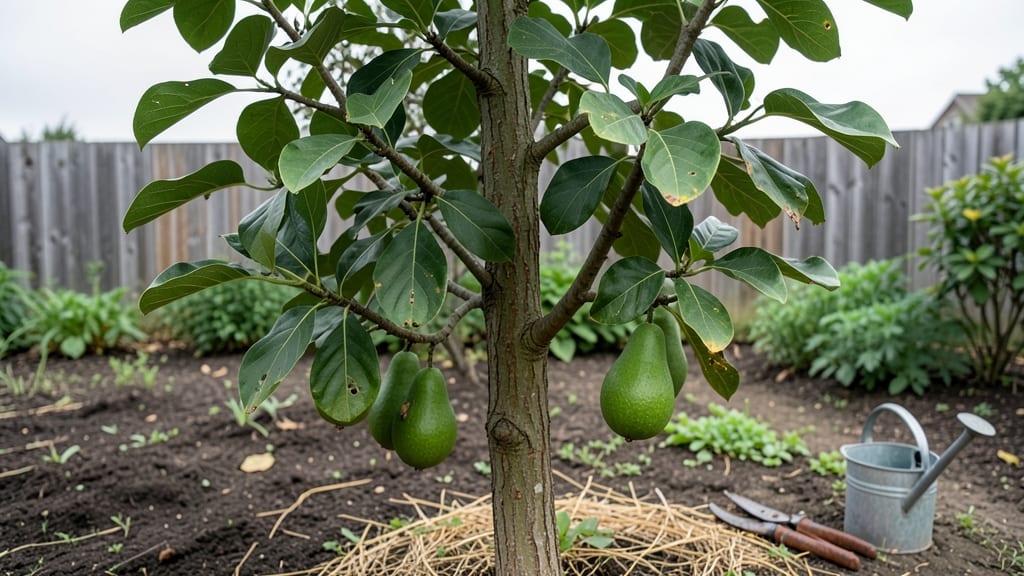
Taking care of an avocado tree means turning your kitchen counter into a tropical oasis—with fruit as the prize. 🌱 I’ve nursed my own avocado tree from a pit to a thriving plant bearing tiny green rewards, and the secret isn’t complicated: it’s about light, patience, and avoiding the two biggest killers—overwatering and drafts.
That first leafy flush tells you you’re on the right track.
The right setup makes all the difference. Your tree needs bright, indirect light for 6–8 hours daily—near a south-facing window works indoors, while outdoors, partial shade protects tender leaves.
A well-draining potting mix (think cactus soil with perlite) prevents soggy roots, and a 10–12 inch pot gives roots room to stretch without drowning. Prune only to shape or remove dead growth, never to force size—avocados grow slow but steady.
By summer, you’ll spot those iconic purple flowers (if lucky, followed by fruit), but the real magic happens in consistent care. Water when the top inch of soil feels dry, fertilize lightly in spring with citrus-friendly food, and rotate the pot monthly so growth stays even.
Even minor neglect—like letting soil dry out completely—can trigger leaf drop, but trees bounce back with time.
Whether you’re growing in a sunny patio corner or a north-facing living room, the basics stay the same. Avocados reward attention, not perfection. Start with these steps, and you’ll be harvesting your first avocado in 3–5 years—with a little luck and a lot of green thumbs.
📚 In This Guide
- What you need
- Instructions
- Tips and common mistakes
- Wrapping up and next steps
What you need
- ● Avocado tree: 1 seedling (purchased from a nursery) or 1 seed (from a pit—see our guide on sprouting!)
- ● 1 container (5–10 gallons for seedlings, 15+ gallons for mature trees; ensure drainage holes!)
- ● Soil: 1 bag well-draining potting mix (avoid heavy clay; mix with perlite or sand for aeration)
- ○ Optional: Compost (1 part) for nutrient-rich soil
- ● Pruning tools: 1 pair sharp pruning shears (sterilized with rubbing alcohol)
- ● 1 bypass pruner (for thicker branches)
- ● Watering supplies: 1 watering can (with a long spout for deep watering)
- ○ 1 moisture meter (optional but helpful for container care)
- ● Fertilizer: 1 balanced liquid fertilizer (10-10-10 or 20-20-20; dilute to half-strength)
- ○ 1 citrus/avocado-specific fertilizer (optional, for micronutrients like zinc)
- ● Light: Full sun (6+ hours daily) or bright indirect light (for indoor trees). Use a grow light if natural light is limited. 💡
- ● Temperature: Ideal range: 60–85°F (avocados are tropical but sensitive to frost!).
- ● Humidity: 50–70% (use a humidifier or pebble tray in dry climates).
- ● Wind protection: Young trees need shelter from strong winds (use a trellis or stake if outdoors).
- ● Start with a sterilized container to prevent fungal diseases.
- ● For container trees, rotate the pot weekly to ensure even sunlight exposure.
- ● Keep a spray bottle handy to mist leaves in low-humidity environments.
Step-by-step guide to caring for your avocado tree
Here's how I keep my container-grown avocado thriving year-round—no green thumb required.
💧 Step 1: Master the Watering Routine
Avocado trees hate soggy roots but despise drought even more. Water deeply when the top 3 inches of soil feel completely dry to the touch. I stick my finger in—if it comes out clean, it's time. In summer, this might mean watering every 3-4 days, while winter slows to once a week. Always water at the base to avoid wetting the leaves (that's how fungal diseases start).
Here's the thing—overwatering is the silent killer. I use a pot with drainage holes (non-negotiable) and empty the saucer immediately after watering. You'll know you're doing it right when water runs freely through the bottom and the soil looks evenly moist but not waterlogged. If the pot feels light between waterings, you're probably underwatering.
☀️ Step 2: Provide the Right Light Conditions
Avocados need bright, indirect light—think 6-8 hours of morning sun with afternoon shade. A south-facing window works, but direct afternoon sun will scorch the leaves. If yours starts looking pale or crispy at the edges, it's getting too much sun. I rotate my pot quarter-turn weekly so all sides get even light exposure.
For indoor growers, supplement with a grow light if natural light is weak. Position it 12-18 inches above the tree and keep it on for 12-14 hours daily. You'll see the difference in leaf color within a few weeks—rich, dark green means happy photosynthesis, while yellowing means light hunger.
🪴 Step 3: Fertilize for Healthy Growth
Feed your avocado tree every 2 months during spring and summer with a balanced, citrus-friendly fertilizer (I use 8-8-8 or 10-10-10). In fall and winter, cut back to once every 3 months—they're dormant then. Always dilute fertilizer to half-strength to avoid burning the roots. I mix it with water in a spray bottle and apply it to the soil surface, then water deeply to help it absorb.
Watch for these signs: If new leaves are small and pale, it's hungry. If leaves turn yellow with brown edges, you're overdoing it. The key is consistency—don't skip months, but don't overfeed either. I also add a handful of compost to the topsoil every 6 months for natural nutrients.
✂️ Step 4: Prune for Shape and Fruit Production
Prune in late winter or early spring before new growth starts. Remove any dead, yellow, or crossed branches first—they're just taking energy. Then shape the tree by cutting back overly long branches to encourage bushier growth. I never cut more than 1/3 of the branch length at once, and I always make cuts just above a leaf node where new growth can sprout.
Here's the avocado secret: Prune to create an open center. This improves air circulation and helps fruit develop. You'll know you're doing it right when the tree starts filling in with new branches and you see small flower buds forming in spring. Never prune in fall—it stresses the tree before dormancy.
🌱 Step 5: Monitor for Pests and Diseases
Check leaves weekly for signs of spider mites (tiny webs on undersides) or scale insects (brown bumps on stems). I treat mine with neem oil spray (1 tsp per quart of water) every 2 weeks during warm months as prevention. For serious infestations, isolate the tree and repeat treatment every 5 days until pests disappear.
Fungal issues like root rot or leaf spot show up as dark spots or mold. If you see these, improve airflow by pruning dense areas and reduce watering. I've found that copper fungicide works well for stubborn cases. The key is catching problems early—once a tree looks sick, it's hard to bring it back.
Tips & tricks for perfect avocado tree care
These simple tricks will help you keep your container-grown avocado thriving—and maybe even fruiting—throughout the year.
Soil Test Tip: Before repotting, test your soil's moisture retention. Stick your finger in the soil—if it feels dry just below the top 3 inches, it's time to water. In summer, I check this every morning to avoid overwatering, which is the #1 reason avocado trees fail in containers. Pro tip: Use a moisture meter for accuracy, especially if you tend to forget or overwater.
Light Adjustment: If your avocado tree starts developing leggy growth (long stems with sparse leaves), it's not getting enough light. Move it closer to the window or add a grow light for those 12-14 hours daily. I notice the biggest difference when I position it near an east-facing window—it gets gentle morning sun without the harsh afternoon rays that can scorch leaves.
Fertilizer Timing: The 2-month feeding schedule in spring/summer works best when you fertilize right after watering. This helps prevent root burn from the concentrated nutrients. I always mix my citrus-friendly fertilizer with water first, then spray it over the soil surface. For extra nutrients, I sprinkle a handful of compost on top every 6 months—this mimics natural forest conditions where avocados grow.
Pruning Secrets: When shaping your tree in Step 4, focus on creating an open center by removing branches that grow inward. This improves airflow and helps prevent fungal diseases. I use clean, sharp pruning shears and make cuts just above a leaf node. After pruning, I wipe down the cuts with a damp cloth to prevent infection—this keeps your tree healthy for years.
Pro Tips for Take Care Of Avocado Tree
- These simple tricks will help you keep your container-grown avocado thriving—and maybe even fruiting—throughout the year.
- Soil Test Tip: Before repotting, test your soil's moisture retention.
- Light Adjustment: If your avocado tree starts developing leggy growth (long stems with sparse leaves), it's not getting enough light.
Frequently asked questions
Got questions about keeping your avocado tree thriving? You’re not alone—here are answers to the most common concerns!
How often should I water my avocado tree?
Water your avocado tree deeply but infrequently—about once a week (or less in winter) when the top 1-2 inches of soil are dry. Overwatering is the #1 killer! Pro tip: Use well-draining soil and a pot with drainage holes to prevent root rot.
Can avocado trees survive winter?
Yes! Avocado trees are tropical but adaptable. In cold climates (below 20°F/-7°C), move potted trees indoors near a sunny window or use a grow light. If outdoors, mulch the base and protect young trees with frost cloth. Note: Mature trees handle light frosts better.
Why are my avocado leaves turning brown?
Brown leaves usually mean overwatering, underwatering, or pests. Check the soil moisture first—let it dry slightly between waterings. If pests (like spider mites) are the culprit, wipe leaves with neem oil or rinse with water. Bonus: Yellowing leaves? It could be nutrient deficiency—fertilize lightly with citrus-friendly food.
How do I prune an avocado tree?
Prune in late winter or early spring to shape the tree and encourage fruit production. Remove dead/diseased branches first, then trim back overly leggy growth by 1/3. Avoid heavy pruning—avocados fruit on new growth! Tip: Sterilize tools with rubbing alcohol to prevent infections.
Can I grow an avocado tree from a pit?
Soak the pit for 2–3 days, then plant it in moist soil with the flat side down. Keep it warm and humid (like a greenhouse) until sprouts appear. But here’s the catch: Pit-grown trees take 5–13 years to bear fruit—grafted trees (from nurseries) are faster! Fun fact: Only 1 in 100 pit-grown trees will thrive.
Wrapping up and next steps
Caring for your avocado tree is a rewarding journey that brings lush greenery—and eventually, delicious fruit—right to your doorstep! 🌱 With the right balance of light, water, and pruning, you’ll nurture a thriving plant that can flourish in containers year-round.
Now that you’re armed with the essentials, why not take the next step? Share your avocado tree’s progress with fellow plant lovers, or explore creative ways to harvest and enjoy your homegrown avocados. Happy growing! 🍳