
Pruning
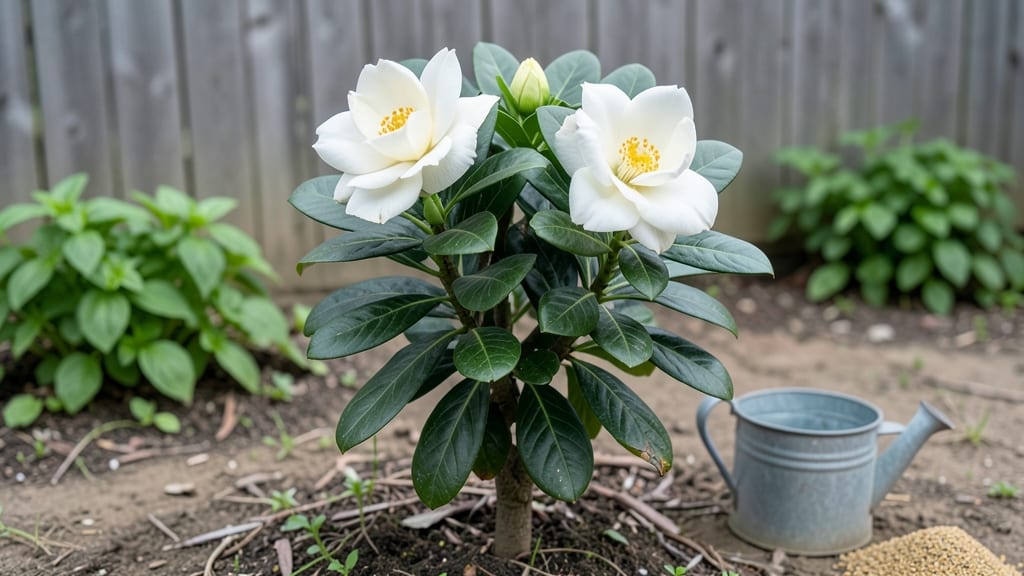
Taking care of a gardenia tree means unlocking that intoxicating fragrance year after year—though I nearly gave up after my first one lost every bloom to drought last summer. 🌿 The secret isn't complicated: gardenias crave consistency in water, soil acidity, and humidity.
Skip any of those, and you'll end up with glossy leaves but no flowers.
Start with well-draining, acidic soil (aim for a pH between 5.0 and 6.5) and water when the top inch feels dry—not soggy, not bone-dry. Mulch helps retain moisture while keeping roots cool.
Most gardeners overwater, but I learned the hard way that soggy roots mean no blooms. A morning watering routine works best in my zone 8 climate.
By summer, you'll see glossy dark green leaves and—if you've nailed the care—clusters of creamy white blooms that perfume the air. Prune lightly after flowering to shape the tree, and fertilize monthly with an acid-loving plant formula. The payoff? A tree that smells like a tropical paradise even in winter.
This works whether you're growing in a pot on your patio or planting in the ground. The key is adjusting for seasons: more water in summer heat, less in winter dormancy. Let's get those blooms happening!
📚 In This Guide
- What you need
- Instructions
- Tips and common mistakes
- Wrapping up and next steps
What you need
- ● Garden soil or potting mix: Well-draining, acidic soil (pH 5.0–6.5). For potted gardenias, use a mix of peat moss, perlite, and pine bark.
- ● Garden gloves: Heavy-duty gloves to protect hands from thorns and soil.
- ● Pruning shears: Sharp, clean shears (sterilized with rubbing alcohol) for trimming.
- ● Watering can or hose: With a gentle spray nozzle for hydration.
- ● Fertilizer: Acid-loving plant fertilizer (e.g., 8-3-9 or 10-10-10 with micronutrients).
- ● Mulch: Pine bark or wood chips to retain moisture and acidity.
- ● Spray bottle: For misting leaves (especially in dry climates).
- ● Soil pH test kit: To monitor acidity levels.
- ● Humidity tray or pebble tray: For added moisture in dry environments.
- ● Epsom salt: For magnesium boosts (mix 1 tbsp per gallon of water).
- ● Support stake or trellis: If your gardenia grows tall and needs structure.
Step-by-Step instructions for nurturing a thriving gardenia tree
Here's how to keep your gardenia blooming beautifully—no guesswork, just proven care.
💧 Step 1: Master the Watering Routine
Water your gardenia when the top 1-2 inches of soil feel dry to touch. This usually means watering 2-3 times per week in warm weather, but less in cooler months. I use my finger to check moisture before watering—if it's damp, wait another day. Gardenias hate soggy roots, so always ensure the pot has drainage holes.
Water deeply until it runs out the bottom, then empty the saucer to prevent root rot. Morning watering is best—it gives leaves time to dry before evening, reducing fungal risks. If you see yellow leaves, you're likely overwatering. Let the soil dry more between waterings until the color improves.
☀️ Step 2: Provide Ideal Light and Temperature
Gardenias thrive in bright, indirect light—think morning sun with afternoon shade. A spot near an east-facing window works perfectly. If you notice buds forming but dropping, your plant needs more light. Move it closer to a window or supplement with a grow light for 6-8 hours daily.
Keep temperatures between 60-75°F during the day and never below 50°F at night. Cold drafts or sudden temperature drops cause buds to fall. If you live in a cooler climate, bring potted gardenias indoors before fall temperatures dip below 55°F. A heat lamp near the plant can help maintain warmth during winter.
✂️ Step 3: Prune for Health and More Blooms
Prune after flowering to encourage new growth. Cut back leggy stems by one-third to promote bushier growth. I always sterilize my pruners with rubbing alcohol first—this prevents bacterial infections that can harm the plant. Remove any dead, yellow, or crossing branches to improve airflow and reduce disease risk.
Never prune in fall or winter. The plant needs its foliage to photosynthesize and store energy for next year's blooms. After pruning, fertilize lightly to help the plant recover. You'll see fresh green growth within 4-6 weeks if everything is right.
🌿 Step 4: Feed for Continuous Blooms
Use an acid-loving plant fertilizer every 4-6 weeks during the growing season (spring through fall). I switch to a balanced 10-10-10 formula in early spring to kickstart growth, then move to a high-phosphorus 10-30-20 when buds form to encourage flowering. Always water before fertilizing to prevent root burn.
In winter, reduce feeding to once every 8-10 weeks or stop entirely if the plant is dormant. Yellow leaves after fertilizing mean you're overdoing it—flush the soil with water to remove excess salts. The key is consistency: gardenias respond best to regular, moderate feeding rather than heavy doses.
🪴 Step 5: Protect and Maintain Year-Round
Check for pests like aphids or scale weekly, especially on new growth. Wipe leaves with a damp cloth and neem oil spray if you spot any. Gardenias also need humidity—mist leaves daily or place the pot on a tray of pebbles with water to increase moisture in the air. You'll know the humidity is right when leaves stay glossy and crisp.
Repot every 2-3 years in spring if roots are circling the pot. Choose a container just 1-2 inches larger in diameter to avoid shocking the plant. After repotting, hold off on fertilizing for 4-6 weeks to let the roots establish. With consistent care, your gardenia will reward you with fragrant blooms nearly year-round.
Tips & tricks for perfect gardenia tree care
These little details make all the difference between a struggling gardenia and one that blooms beautifully year after year.
Soil Moisture Test: The finger-check method in Step 1 is foolproof, but here's the secret: press your finger about an inch deep—if the soil feels like a wrung-out sponge, it's ready for water. I've learned the hard way that gardenias prefer the "almost dry" feel over being consistently damp. The key is consistency, not frequency—stick to that 2-3 times per week schedule in warm weather, but adjust when you see yellowing leaves.
Light Positioning: For that perfect bright indirect light in Step 2, try this: place your gardenia near a window where it gets morning sun but moves into shade by afternoon. If you notice buds dropping, it's a clear sign to move it closer to the light source. I've found that supplementing with a grow light for those 6-8 hours when natural light is insufficient works wonders—just position it 12-18 inches away from the plant.
Pruning Precision: When you're cutting back those leggy stems by one-third in Step 3, always cut just above a leaf node or bud. This ensures new growth will sprout from exactly where you want it. I sterilize my pruners with rubbing alcohol between cuts—it's a small step that prevents infections that can ruin your plant's health. And remember, those 4-6 weeks for fresh growth? That's when the real magic happens if you've done everything right.
Fertilizer Rotation: The switch from 10-10-10 to 10-30-20 in Step 4 is brilliant, but here's the pro move: mix a little acid-loving plant fertilizer directly into your watering can. This ensures even distribution without overloading the roots. When winter hits and you're reducing to every 8-10 weeks, don't be tempted to skip—just use half the recommended dose. Gardenias appreciate that gentle reminder they're entering their rest period.
Pro Tips for Take Care Of A Gardenia Tree
- These little details make all the difference between a struggling gardenia and one that blooms beautifully year after year.
- Soil Moisture Test: The finger-check method in Step 1 is foolproof, but here's the secret: press your finger about an inch deep—if the soil feels like a wrung-out sponge, it's ready for water.
- Light Positioning: For that perfect bright indirect light in Step 2, try this: place your gardenia near a window where it gets morning sun but moves into shade by afternoon.
Frequently asked questions
Why isn’t my gardenia tree blooming?
A gardenia tree needs patience—it often takes 2–3 years to bloom after planting! Ensure it gets 6+ hours of sunlight daily, acidic soil (pH 5.0–6.5), and regular pruning to encourage growth. Over-fertilizing or underwatering can also stunt blooms. Try a balanced, acidic fertilizer in spring for a boost. Pro tip: If it’s young, focus on healthy foliage first!
When is the best time to prune a gardenia tree?
Prune your gardenia right after flowering (late spring to early summer) to shape it and remove dead/diseased branches. Avoid heavy pruning in fall or winter, as it can stress the tree. For light trimming (like shaping), you can do it anytime—but never cut into old wood, or you risk losing blooms. Pro tip: Sterilize pruners with rubbing alcohol to prevent fungal infections!
How often should I water a gardenia tree?
Water your gardenia deeply 1–2 times per week, ensuring the top 2–3 inches of soil stay moist (but not soggy). In hot climates, it may need daily watering, while cooler months can stretch it to once a week. Yellow leaves? Often a sign of overwatering—let the soil dry slightly between waterings. Mulch around the base to retain moisture and regulate temperature. Pro tip: Water in the morning to reduce fungal risks!
What pests or diseases should I watch for?
Gardenia trees are prone to scale insects, spider mites, and whiteflies—look for sticky residue or yellowing leaves. Fungal issues like powdery mildew or root rot thrive in wet conditions. Treat pests with neem oil or insecticidal soap, and ensure good airflow to prevent fungi. If leaves drop suddenly, it could signal underwatering, overwatering, or shock from transplanting. Pro tip: Inspect leaves weekly during growing season!
Can I grow a gardenia tree indoors?
Yes! Choose a dwarf variety (like ‘Radicans’) and place it near a south-facing window for bright, indirect light. Use a well-draining pot with acidic potting mix and maintain 60–70% humidity (a pebble tray helps!). Indoor gardenias need consistent moisture but no cold drafts—keep temps above 60°F (15°C). Pro tip: Rotate the pot monthly for even growth!
Wrapping up and next steps
Caring for a gardenia tree is all about patience, consistency, and a little love—and trust us, the effort is worth it!
With the right soil, watering routine, pruning know-how, and a touch of protection from pests, you’ll be rewarded with stunning blooms and intoxicating fragrance that’ll make your garden the envy of the neighborhood. 🌸✨
Now that you’re armed with expert tips, why not take the next step? Start small—pick one area of care to focus on this week, like adjusting your watering schedule or giving those branches a gentle trim.
Before you know it, your gardenia will thrive, and you’ll be the proud gardener you were always meant to be! 🌱💚