Pruning
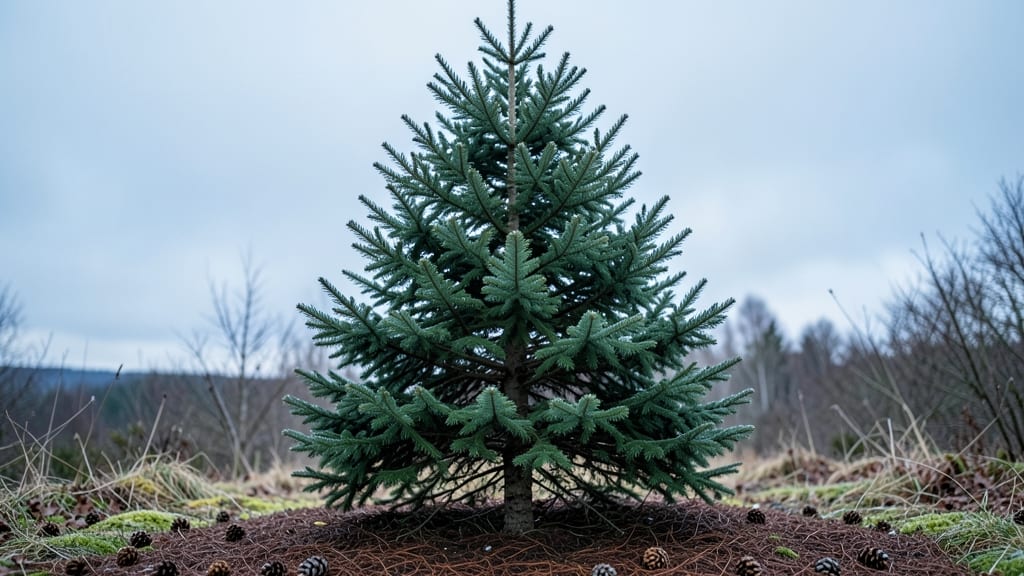
Pruning your Christmas tree evergreen isn’t just about keeping it looking festive—it’s the secret to keeping it alive for decades. I’ve turned my scraggly Norfolk Island pine into a lush, tree-shaped showstopper by mastering the right cuts at the right time, and you can too.
The key is understanding when to shape for holidays versus when to encourage healthy growth all year.
Most evergreens—whether traditional firs or tropical Norfolk pines—thrive with light pruning in early spring and structured shaping after the holidays. You’ll need sharp bypass pruners, a ladder (for taller trees), and a clear plan for which branches to keep or remove.
The goal? A full, balanced shape that stays strong through winter winds and indoor dryness if you bring it inside.
What you’ll end up with is a tree that stays vibrant green year-round, resists pests, and grows faster than unpruned plants. The first year’s pruning sets the foundation for future holiday displays—no more patchy tops or bare spots.
Plus, you’ll save money by keeping your tree alive instead of replacing it every few years.
Works for both outdoor evergreens and indoor varieties like Norfolk pines. Here’s how to start—no holiday stress required.
📚 In This Guide
- What you need
- Instructions
- Tips and common mistakes
- Wrapping up and next steps
What you need
- ● Pruning shears or loppers: Bypass pruners (for clean cuts) or anvil pruners (for thicker branches). Ensure they’re sharp and sanitized with 70% isopropyl alcohol or a 10% bleach solution.
- ● Hand saw or pruning saw: For branches thicker than ½ inch. A curved or bow saw works best for evergreens.
- ● Ladder or step stool: Choose one sturdy enough for your tree’s height (e.g., 8–12 ft for small trees, 15–20 ft for large ones). A foldable extension ladder is ideal for tall trees.
- ● Gloves: Heavy-duty gardening gloves (waterproof, with reinforced palms) to protect from sap and sharp branches.
- ● Disposable bags or bucket: For collecting trimmings (aim for 2–3 gallon-sized bags depending on pruning volume).
- ○ Sharpie or pruning marker: To mark branches for removal (optional but helpful for planning).
- ● Pole pruner: For high branches (extendable up to 10–12 ft).
- ● Tree wound dressing: Pruning sealant (controversial but useful for large cuts > ½ inch).
- ● Safety glasses: To shield eyes from flying debris.
- ● Knee pads: If you’ll be working on the ground near the tree base.
- ● Notebook or app: To track pruning notes (e.g., Tree Pruner Pro or a simple checklist).
Instructions for pruning Christmas tree evergreens year-round
Here's my go-to method for keeping evergreen trees healthy and beautifully shaped through every season.
Assess the Tree for Pruning Needs
Start by examining your tree from all sides, looking for dead, diseased, or crossing branches that need removal. I focus on the outer third of the tree first—this is where new growth happens. Look for branches that are brown inside when cut open, or those rubbing against others, which can create wounds and invite pests.
Check the growth pattern—if you see sparse areas where branches haven't filled in, those are prime spots for light pruning to encourage denser growth. Evergreens like fir and pine grow best when they have good airflow, so don't be afraid to thin out crowded areas. I always prune on a dry, overcast day to reduce stress on the tree.
Prune for Shape and Health
Use clean, sharp pruning shears to make cuts just outside the branch collar—the swollen area where the branch meets the trunk. This ensures the tree heals properly. For larger branches, I use loppers and make the cut at a 45-degree angle, slanting away from the trunk to prevent water from pooling and rotting the wound.
Shape the tree gradually—never remove more than 25% of the foliage in one season. Focus on opening up the lower branches to let sunlight reach the base, which keeps the tree healthy from top to bottom. If you're pruning a young tree, I recommend a natural, tapered shape that mimics how the tree would grow in the wild.
Encourage New Growth and Maintain Year-Round
After pruning, apply a balanced, slow-release fertilizer to help the tree recover and promote new growth. I like to do this in early spring when the tree is just waking up. Water deeply after fertilizing to help the nutrients soak into the soil. Evergreens need consistent moisture, especially during dry spells, so I check the soil every 2-3 weeks—if it's dry 2 inches below the surface, it's time to water.
For year-round maintenance, I do a light pruning in late winter to remove any dead or damaged branches from winter storms. Then, in summer, I focus on shaping and thinning to keep the tree looking full and healthy. Avoid heavy pruning in fall—this is when evergreens are already stressed from seasonal changes.
Clean Up and Protect the Tree
After pruning, collect all the clippings and dispose of them properly—never leave them on the ground, as they can harbor pests and diseases. I also sterilize my pruning tools with rubbing alcohol between cuts to prevent spreading infections. If you notice any sap oozing from cuts, it's normal and just means the tree is healing—don't worry unless it's excessive or accompanied by yellowing needles.
To protect the tree from pests, I apply a natural insecticide like neem oil in early spring, before new growth appears. This helps prevent issues like spider mites or bark beetles, which can be devastating to evergreens. Keep an eye out for yellowing needles or sawdust-like frass—these are signs of trouble and mean you need to act fast.
Tips & tricks for pruning Christmas tree evergreens
These practical tips will help you maintain your evergreens like a pro while keeping them healthy and beautiful year after year.
Tool Preparation: Before you start pruning, make sure your tools are in top condition. Sterilize your pruning shears and loppers with rubbing alcohol between cuts to prevent spreading diseases between branches. I also recommend sharpening your tools regularly—dull blades can crush stems instead of making clean cuts, which stresses the tree. A quick wipe down with a cloth after each use keeps them ready for next time.
Seasonal Timing: The instructions mention pruning in late winter and summer, but here's the key: timing matters even more than you might think. In late winter, focus on removing any branches damaged by winter storms or frost. During summer, thin out crowded areas to improve airflow—this is when evergreens grow most actively, so they recover fastest. Avoid pruning in fall when trees are already stressed from seasonal changes.
Visual Cues for Pruning: When assessing your tree in Step 1, look for these telltale signs of branches that need removal: branches that cross or rub against others, those with brown centers when cut open, and any that appear sparse compared to surrounding foliage. For healthy branches, the needles should be vibrant green and firm to the touch. If you're unsure about a branch, it's better to leave it—you can always prune it next season.
Fertilizer Application: After pruning, the balanced slow-release fertilizer mentioned in Step 3 is essential, but here's how to use it effectively: spread it evenly around the tree's drip line (the area directly below the outermost branches). Water deeply immediately after applying to help the nutrients penetrate the soil. I recommend using a hose with a gentle spray setting to avoid disturbing the soil surface where roots are concentrated.
Pro Tips for Christmas Tree Evergreen
- These practical tips will help you maintain your evergreens like a pro while keeping them healthy and beautiful year after year.
- Tool Preparation: Before you start pruning, make sure your tools are in top condition.
- Seasonal Timing: The instructions mention pruning in late winter and summer, but here's the key: timing matters even more than you might think.
Frequently asked questions
Got questions about pruning your Christmas tree evergreen? You're not alone! Here are some of the most common queries—plus straightforward answers to keep your tree thriving year-round.
When is the best time to prune my Christmas tree evergreen?
The ideal time to prune is late winter or early spring (before new growth starts). Avoid heavy pruning in fall—it stresses the tree and leaves it vulnerable to cold. Light trimming to remove dead branches can happen anytime, but major shaping waits for dormancy.
How much can I trim off without harming the tree?
Never remove more than 25% of the tree’s foliage in one season. For evergreens, focus on thinning out dense areas rather than shearing. Target dead, diseased, or crossing branches first. Over-pruning weakens the tree and reduces its ability to photosynthesize.
Can I prune a Christmas tree evergreen in summer?
Summer pruning is possible, but it’s not recommended for evergreens. Pruning in hot months stresses the tree, slows growth, and can invite pests. If you must trim, do it early morning or late evening to minimize shock. Stick to light maintenance—no major shaping until cooler weather.
What should I do if my evergreen looks sad after pruning?
If your tree appears stressed, water deeply and avoid fertilizing for 4–6 weeks. Yellowing needles? It might be normal (evergreens shed old needles). Brown, crispy branches could signal over-pruning or drought. Mulch around the base to retain moisture and protect roots.
Are there alternatives to traditional pruning for shaping my tree?
Yes! Try selective thinning to improve airflow or coppicing (cutting branches back to a stub) for dense growth. For a natural look, avoid shearing—instead, use hand pruners to shape gradually. Topiary is another option if you love intricate designs, but it requires patience and skill.
Wrapping up and next steps
Pruning your Christmas tree evergreen isn’t just about aesthetics—it’s a year-round commitment to its health and beauty! 🌲 With the right tools, timing, and techniques, you can keep your tree lush, vibrant, and thriving for seasons to come.
Whether you’re a seasoned gardener or just starting out, every trim brings you closer to a stunning, stress-free evergreen.
Ready to take the next step? Start small—pick one section to prune this week, and watch your tree transform over time. Your evergreen’s future is in your hands! 🌟