
Planting
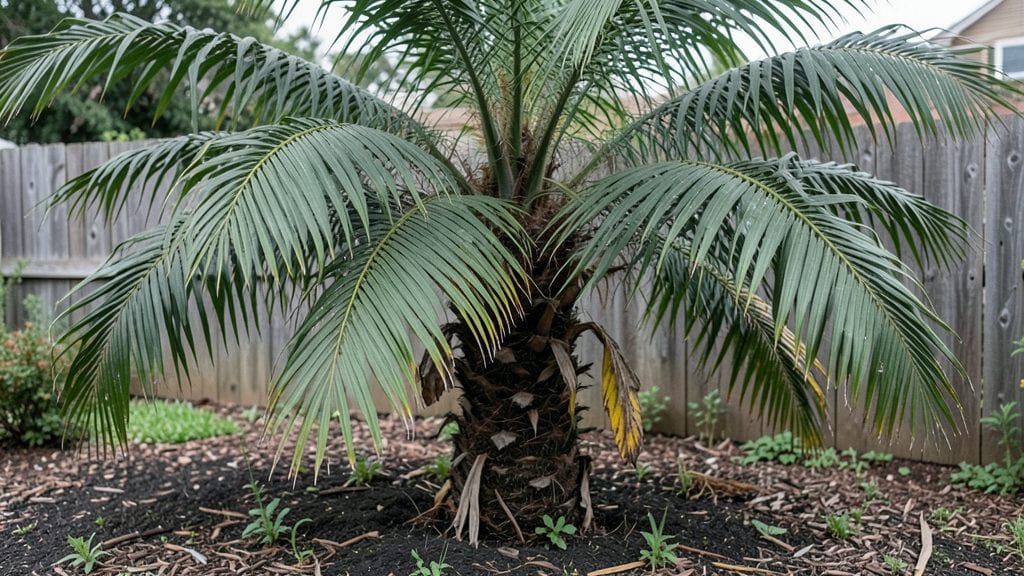
Planting a coconut tree from a coconut is like unlocking a tiny piece of paradise in your own backyard—if you know the secret to breaking through that tough shell. 🌴 The journey starts with a healthy coconut and a little patience, but the reward is a towering tropical beauty that most people never get to grow themselves.
Here's the thing—most coconuts you buy won't sprout because they're too old or dried out. You need a fresh, undamaged coconut with a few key traits: a firm shell, no cracks, and a soft spot on one end (that's where the sprout will emerge).
Once you find the right one, the real magic happens in the germination stage, where warmth and moisture work together to coax life from that stubborn shell.
Within weeks, you'll see the first signs of life—a tiny sprout pushing through the husk, then roots reaching downward. With the right care, that sprout will grow into a sturdy seedling ready for planting, and in just a few years, you could be harvesting your own coconuts (yes, really).
The key is keeping it warm, moist, and protected until it's strong enough to handle the elements.
This method works best in warm climates, but even indoor growers can try it with a heat mat and grow lights. The slowest part is the waiting—those first few weeks can feel like an eternity—but once you see that first sprout, you'll understand why it's worth every moment of anticipation.
Let's get started on your tropical adventure!
📚 In This Guide
- What you need
- Instructions
- Tips and common mistakes
- Wrapping up and next steps
What you need
- ● 1 healthy, mature coconut – Look for one with a firm, intact husk and a white, moist interior (avoid dried or cracked ones).
- ● 1 sharp knife or coconut cutter – For safely opening the coconut.
- ● 1 small pot (6–8 inches wide) or a coconut fiber coir pot – Use a pot with drainage holes to prevent root rot.
- ● Potting mix – A well-draining blend (50% coconut coir, 30% perlite, 20% compost) works best.
- ● Watering can or spray bottle – For gentle hydration.
- ● Plastic wrap or humidity dome – To maintain moisture while germinating.
- ● Rubbing alcohol (70% or higher) – For sterilizing tools.
- ● Seedling heat mat (70–80°F) – Speeds up germination in cooler climates.
- ● Fertilizer (balanced, water-soluble) – For faster growth once sprouted.
- ● Garden twine or support stake – Helps stabilize the young seedling.
- ● Sunlight grow lights – If starting indoors with limited natural light.
- ● Warmth – Coconuts thrive in temperatures above 60°F (15°C); germination is faster in 75–85°F (24–29°C).
- ● Humidity – High humidity (70%+) keeps the coconut moist during germination.
- ● Indoor/Outdoor Space – A sunny windowsill (south-facing) or greenhouse works for early stages.
- ● Patience – Germination can take 1–6 months (sometimes longer!).
Step-by-step instructions for planting a coconut tree from a coconut
Here's how I've successfully grown coconut trees from store-bought coconuts—no greenhouses required.
🌱 Step 1: Prepare Your Coconut for Germination
Start with a mature, brown coconut that feels heavy for its size—this means the meat is thick and full of water. Use a sharp knife to carefully cut away the hard outer husk, exposing the white meat underneath. I like to soak the coconut in warm water for 24 hours first to soften it slightly and make the husk easier to remove.
Once the husk is off, you'll see three dark germination holes near the base. These are nature's way of telling you where the sprout will emerge. Place the coconut in a shallow dish with the holes facing upward, then cover it with a damp paper towel. Keep it in a warm spot—75-85°F works best—and check daily to ensure it stays moist but not soggy.
💧 Step 2: Encourage Sprouting and Monitor Growth
Within 1-3 months, you'll see a small white sprout emerge from one of the germination holes. This is your first sign of life! Once the sprout reaches about 2-3 inches, it's time to plant. I've found that patience is key here—some coconuts sprout faster if you gently scratch the meat near the holes with a knife to encourage root formation.
When the sprout is ready, fill a 6-8 inch deep pot with well-draining potting mix (I use a blend of coconut coir, perlite, and a little compost). Make a small hole in the center and place the coconut so the sprout is facing downward, with the germination holes buried just 1 inch deep. This positions the sprout to grow upward naturally.
☀️ Step 3: Provide Warmth, Light, and Consistent Care
Place your newly planted coconut in a location with bright, indirect light—like a sunny windowsill or under a grow light. Coconut trees love warmth, so keep the soil temperature around 70-85°F. Water gently but thoroughly, ensuring the soil stays moist but never waterlogged. You'll know it's right when the top inch feels damp but not wet.
In about 2-4 weeks, you should see the first true leaves emerge—these will look different from the initial sprout and will be broader and more vibrant. This is when the real growth begins! Once the seedling reaches 12-18 inches tall, it's ready to be transplanted into a larger container or directly into the ground if you live in a tropical or subtropical climate.
🪴 Step 4: Transition to Outdoor or Larger Container Growing
If you're moving your coconut tree outdoors, wait until nighttime temperatures stay above 55°F—coconut trees are tropical and won't tolerate frost. Choose a spot with full sun exposure and well-draining soil. Dig a hole twice as wide as the root ball and just as deep, then gently place the tree in and backfill with soil, tamping lightly to remove air pockets.
Water deeply after transplanting to help the roots settle. Over the next few weeks, gradually introduce the tree to more direct sunlight to avoid shocking the leaves. In a container, repot every 2-3 years into a slightly larger pot to accommodate growth. With time, your coconut tree can grow to 60+ feet tall, but even in containers, it will reward you with tropical beauty and—eventually—edible coconuts!
Tips & tricks for planting a coconut tree from a coconut
A few simple tricks can make all the difference when growing your coconut tree from scratch.
Coconut Selection: Choose coconuts with a thick husk and a heavy weight for their size—this indicates a mature coconut with plenty of stored water and nutrients. I've found that coconuts with a slightly cracked husk often sprout faster because they've already started the germination process. If you can't find fresh coconuts, store-bought ones work too, just make sure they're firm and haven't been dried out.
Germination Hack: The 24-hour soak in warm water is your secret weapon for easier husk removal. I like to add a few drops of dish soap to the water to help break down any oils on the husk. After soaking, gently tap the coconut on a hard surface to help loosen the husk—this saves your hands from getting tired! Once the husk is removed, don't wash the coconut—just pat it dry with a paper towel to preserve those all-important germination holes.
Temperature Matters: Keeping your coconut in the 75-85°F range during germination is crucial. If your home tends to be cooler, place the coconut near a sunny window or use a small heating pad set to low underneath the dish. I've had the best luck with a seedling heat mat designed for starting plants—it keeps the temperature consistent without overheating. Remember, coconut trees are tropical plants, so they need warmth to thrive from the very beginning.
Planting Position: When it comes time to plant, burying the coconut with the germination holes just 1 inch deep is key. This shallow planting encourages the sprout to grow upward naturally rather than trying to push through too much soil. I like to use a small stick to make the planting hole—it gives me better control than my fingers. After planting, give the pot a gentle shake to help settle the soil around the coconut and remove any air pockets.
Pro Tips for Plant A Coconut Tree From A Coconut
- A few simple tricks can make all the difference when growing your coconut tree from scratch.
- Coconut Selection: Choose coconuts with a thick husk and a heavy weight for their size—this indicates a mature coconut with plenty of stored water and nutrients.
- Germination Hack: The 24-hour soak in warm water is your secret weapon for easier husk removal.
Frequently asked questions
about growing a coconut tree from a coconut—because every gardener deserves a little clarity!Can I plant a coconut from any store-bought coconut?
Not all coconuts will sprout! Look for fresh coconuts with a plump, firm husk and a dry, brown shell—avoid those with cracks or mold. Young, green coconuts (like those sold for drinking) are least likely to germinate. Stick to mature, dried coconuts from tropical regions for the best chance.
How long does it take for a coconut to sprout?
Patience is key! Under ideal conditions (warmth, moisture, and proper drainage), you may see a tiny sprout in 2–4 weeks. However, germination can take up to 6 months—or even longer if conditions aren’t perfect. Keep the coconut consistently moist and in a warm spot to speed up the process.
What’s the best climate to grow a coconut tree?
Coconut trees thrive in tropical or subtropical climates with year-round warmth (68–90°F), high humidity, and no frost. If you live in a colder zone, grow your coconut in a large pot and bring it indoors during winter. Without these conditions, the tree may struggle or fail to mature.
What if my coconut won’t sprout—what now?
Don’t give up! Try these troubleshooting steps:
- Check moisture: Overwatering can cause rot, while too little water stalls growth. Aim for consistently damp (not soggy) soil.
- Warmth matters: Place the coconut near a heat source (like a sunny window or greenhouse) to mimic tropical temps.
Fresh coconut? : If yours is old or moldy, it may not germinate—start over with a new one!
If all else fails, use the coconut for cooking or drinks—it’s still delicious!Can I grow a coconut tree in a pot, or does it need a garden?
Coconut trees can thrive in large containers (15+ gallons) for years, making them perfect for patios or balconies. Use a well-draining potting mix and ensure the pot has drainage holes. Just know that outdoor planting in the ground gives them the best chance to reach full height (60+ feet!).
Wrapping up and next steps
Planting a coconut tree from a coconut is a rewarding journey that connects you to nature’s tropical magic! 🌴 With patience, the right techniques, and a little care, you’ll soon watch your own coconut tree sprout and thrive.
Whether you’re dreaming of shade, fresh coconuts, or just the joy of nurturing life, start small—plant one today, and let your green thumb grow!
Ready to take the next step? Share your progress with fellow plant enthusiasts or explore advanced tips to help your coconut tree flourish even faster!