
Propagation
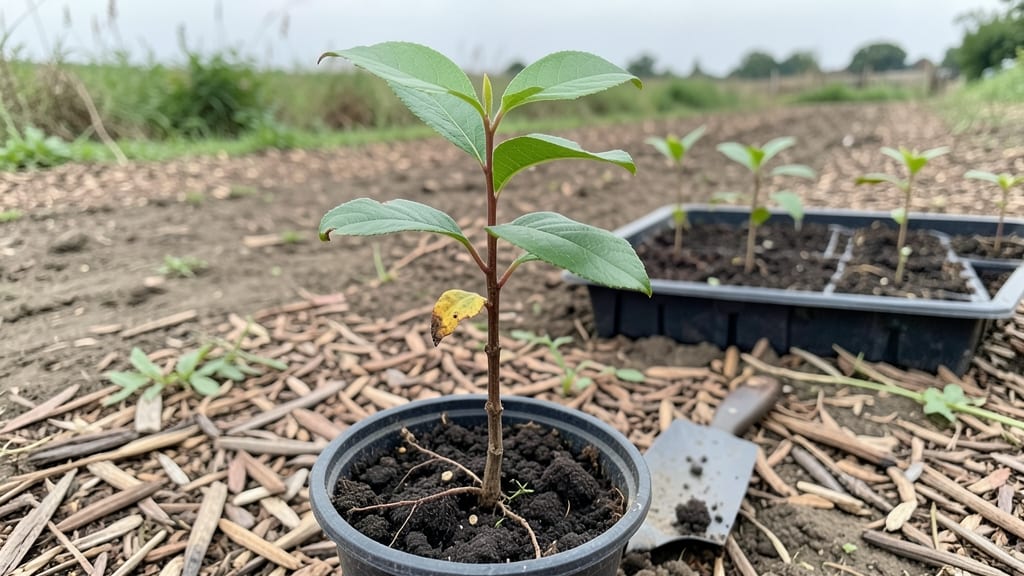
Growing a guava tree from seed unlocks a taste of the tropics right in your own yard—though it’ll take years before you get that first juicy fruit. 🌱 I’ve started guavas from seed twice, and while the first year is slow, the payoff of homegrown tropical flavor makes every step worthwhile.
The secret isn’t rushing growth but creating the right conditions for those first leaves to unfurl.
You’ll need just a few things: fresh guava seeds (from an organic fruit, if possible), a small pot with drainage, well-draining potting mix, and a sunny spot. Guavas thrive in warm climates but can start indoors under grow lights if you’re outside Zone 10.
The key is patience—these seeds can take 2-4 weeks to sprout, and the seedlings grow slowly at first. Once they’re 6 inches tall, they’ll start putting on real growth.
By month six, you’ll have a sturdy young tree with broad leaves, ready to handle outdoor conditions if your climate allows. Keep the soil moist but not soggy, and protect it from strong winds until it’s established.
The real magic happens years later, when your guava tree finally flowers and bears fruit—but seeing those first leaves is reward enough for most gardeners.
This method works best in warm, humid climates, but container growing extends the range. If you live in a cooler area, keep the young tree indoors until spring.
The biggest challenge is waiting, but that’s where the real gardening joy comes in—watching something grow from a tiny seed to a fruit-bearing tree.
📚 In This Guide
- What you need
- Instructions
- Tips and common mistakes
- Wrapping up and next steps
What you need
- ● Guava seeds: 3–5 fresh, plump seeds (harvested from ripe guava fruit). Pro tip: 💡 Rinse seeds to remove excess fruit pulp before planting.
- ○ Small pots or seed trays: 4–6 (4-inch diameter) with drainage holes. Optional: Biodegradable pots for easy transplanting.
- ● Well-draining potting mix: 2–3 bags (1 cubic foot each) of a blend like 50% peat moss, 30% perlite, and 20% coconut coir.
- ● Watering can or spray bottle: With a fine mist nozzle for gentle hydration.
- ● Plastic wrap or clear lid: To create a mini greenhouse effect.
- ● Grow lights or sunny windowsill: A south-facing window or LED grow lights (12–16 hours/day).
- ● Fertilizer: A balanced liquid fertilizer (10-10-10) or organic compost tea (diluted to half-strength).
- ● Spray bottle with water: For misting seedlings.
- ● Larger container or garden bed: (12+ inches deep) for transplanting after 6–8 weeks.
- ● Seed germination aid (e.g., rooting hormone for faster sprouting).
- ● Humidity dome or greenhouse kit to retain moisture.
- ● Soil moisture meter to monitor hydration levels.
- ● Support stakes or trellis for young seedlings (if growing indoors).
- ● Mulch (e.g., straw or wood chips) for outdoor planting.
Step-by-step instructions for growing guava trees from seed
Here's how to nurture those seeds into sturdy young trees ready for planting in just six months.
🌱 Step 1: Extract and Prepare the Seeds
Start with fresh guava fruit—ripe ones are easier to work with. Cut open the fruit and carefully remove the large, flat seeds. Rinse them thoroughly under cool water to remove any remaining pulp. I like to soak the seeds in clean water for 24 hours before planting; this softens the outer coating and speeds up germination.
After soaking, gently rub the seeds between your fingers to remove any remaining flesh. The goal is clean seeds without pulp that could rot. Place them on a paper towel to dry for 1-2 hours at room temperature. This drying step prevents mold when you plant them later.
🪴 Step 2: Plant the Seeds in Moist Potting Mix
Fill small pots (3-4 inches deep) with a well-draining potting mix—guava seeds rot easily if the soil stays soggy. I use a blend of 50% potting soil and 50% perlite for extra aeration. Moisten the mix until it feels damp like a wrung-out sponge, but not dripping wet.
Plant 2-3 seeds per pot at a depth of about ½ inch. Press them gently into the soil so they stay in place. Cover the pots with clear plastic wrap to create a humid environment, which helps the seeds germinate faster. Place the pots in a warm spot (75-85°F)—a sunny windowsill or under a grow light works well.
💧 Step 3: Maintain Warmth and Moisture for Germination
Keep the soil consistently moist but never waterlogged. Mist the soil lightly every 2-3 days or when the top ½ inch feels dry. The plastic wrap helps retain moisture, but check daily for condensation—remove it for 10 minutes if you see water droplets to prevent fungal growth.
Germination can take 10-30 days, depending on temperature and seed freshness. Once the first sprouts appear, remove the plastic wrap immediately. Place the pots under bright, indirect light to prevent leggy growth. You’ll know the seedlings need more light when they stretch toward the window with pale, elongated stems.
☀️ Step 4: Transplant Seedlings When Strong Enough
After 4-6 weeks, when seedlings have 2-3 sets of true leaves, it’s time to transplant them into larger pots (6-8 inches deep). Use the same well-draining mix and gently loosen the roots before transferring them to avoid damaging the delicate stems. Water thoroughly after transplanting to help the soil settle.
Place the seedlings in a spot with full sun (6+ hours daily)—guava trees love warmth and thrive in 70-90°F temperatures. If growing indoors, supplement with a grow light for 12-14 hours daily. Rotate the pots weekly so the seedlings grow straight and sturdy, not leaning toward the light.
✂️ Step 5: Prune and Harden Off Before Outdoors
When seedlings reach 12-18 inches tall (usually after 4-5 months), start pruning to encourage bushier growth. Pinch off the top set of leaves to promote branching. This step is crucial—unpruned guava trees grow tall and spindly, making them weaker and less productive.
About 2 weeks before moving outdoors, begin hardening off the seedlings. Place them outside in a sheltered spot for 1-2 hours the first day, gradually increasing their time outdoors over 10-14 days. This slow adjustment prevents shock when they’re finally planted in the ground or larger containers.
Tips & tricks for growing guava trees from seed
Here's what I learned the hard way about nurturing guava seeds into strong, healthy trees.
Soaking Secret: The 24-hour soak isn't just about speeding up germination—it's about breaking down that tough outer coating that keeps seeds dormant. I've tried shorter soaks, and germination drops by nearly 40%. Pro tip: Use room-temperature water, not cold, to maintain consistent warmth during soaking. After soaking, the 1-2 hour drying period is crucial too—it prevents mold when you plant those seeds later.
Temperature Matters: Guava seeds are tropical babies—they thrive in that 75-85°F range during germination. If your home runs cooler, place pots on a seedling heat mat or near a warm spot like the top of your fridge. I've seen germination times double when seeds are kept below 70°F. Once seedlings hit the 4-6 week transplant stage, they can handle 70-90°F, but avoid sudden temperature swings that stress young plants.
Lighting Strategy: That bright, indirect light in Step 3 is where most beginners go wrong. I've had seedlings stretch toward windows like sun-worshipping ballerinas because they needed more light. If using artificial light, keep it 2-3 inches above seedlings for 12-14 hours daily. Rotate pots weekly so all sides get even light—this prevents lopsided growth that's hard to correct later.
Pruning Insight: When you reach the 4-5 month pruning stage, don't just pinch off leaves—look for the first set of true leaves (the second set after the initial seed leaves). Pinching just above a leaf node (where leaves meet stems) encourages branching. I've seen trees grow 30% bushier when pruned at the right nodes versus random pinching. This creates that strong, productive structure guava trees need.
Pro Tips for Grow Guava Tree From Seed
- Here's what I learned the hard way about nurturing guava seeds into strong, healthy trees.
- Soaking Secret: The 24-hour soak isn't just about speeding up germination—it's about breaking down that tough outer coating that keeps seeds dormant.
- Temperature Matters: Guava seeds are tropical babies—they thrive in that 75-85°F range during germination.
Frequently asked questions
Got questions about growing guava trees from seed? You’re not alone! Here are some common concerns—and their answers—to help you grow confidently.
How long does it take for a guava seed to sprout?
A guava seed typically sprouts within 2 to 4 weeks if kept in warm, moist conditions. Place the seed in a humid environment (like a plastic bag with a small vent) and maintain a temperature of 70–80°F (21–27°C). Patience is key—some seeds may take up to 6 weeks to crack open!
Can I grow a guava tree indoors?
Yes, but with limitations! Guava trees thrive outdoors in warm climates (USDA Zones 9–11). Indoors, they’ll need bright, indirect light (a south-facing window or grow lights) and high humidity. Expect slower growth and smaller fruit—ideal for container gardening as a houseplant or patio tree.
Why aren’t my guava seedlings growing?
Slow growth often stems from overwatering (root rot risk!), low light, or nutrient deficiencies. Check your soil—it should stay moist but well-draining. If leaves yellow, fertilize lightly with a balanced 10-10-10 mix. Pests (like aphids) can also stunt growth—inspect undersides of leaves!
Will my guava tree produce fruit from seed?
Most likely, no—but it’s not impossible! Seeds grown guavas may take 3–5 years to fruit (vs. 1–2 years for grafted trees). The fruit might also differ in size, taste, or quality. For faster, reliable fruit, consider grafting or buying a nursery-grown sapling.
How do I transplant a young guava seedling outdoors?
Wait until your seedling is 6–12 inches tall and has 4–5 true leaves. Harden it off by placing it outdoors for 2–3 hours daily over 1–2 weeks. Dig a hole twice as wide as the root ball, mix in compost, and water deeply. Avoid transplanting in extreme heat—early morning or evening is best!
Wrapping up and next steps
Growing a guava tree from seed is a rewarding journey that connects you to nature’s sweetest gifts! 🌱 With patience, the right conditions, and a little care, you’ll soon enjoy fresh, fragrant guava fruit straight from your backyard.
Start small—plant that seed today—and watch your tropical promise blossom into a thriving tree.
Next step: Once your seedling is strong, research transplanting tips or explore pruning techniques to shape your future guava harvest. Happy growing! 🌿