
Propagation
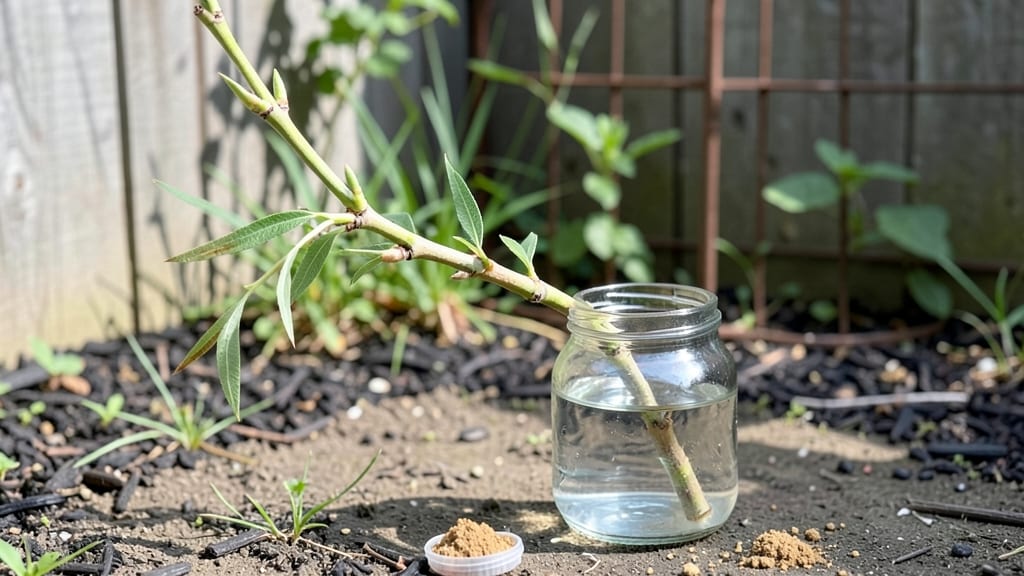
Growing a willow tree from a cutting starts with a simple, water-filled jar—no green thumb required. 🌿 I’ve rooted willow cuttings in everything from kitchen sinks to sunlit porches, and the secret isn’t fancy tools but timing and patience.
The right cutting, taken at the right moment, can sprout roots in just a few weeks if you keep the water fresh and the light bright.
Willows root best in early spring when sap flows, but you can try year-round if you mimic their natural conditions. Grab a 6-inch softwood cutting (flexible, not woody) from a healthy branch, strip the lower leaves, and pop it in water—2-3 inches submerged—where it gets indirect light.
Change the water every 2-3 days to prevent algae and bacteria, and watch for fuzzy roots in 3-8 weeks.
Once roots hit 2-3 inches, transplant your cutting into moist soil, keeping the root zone shaded for a week to ease the shock. Willow trees thrive in wet soil, so plant near a pond or in a spot that stays damp.
Within a year, you’ll see 10-foot shoots—fast-growing proof that willows reward even the most hesitant gardeners.
Here’s the kicker: willows are forgiving but need consistency. Too much sun? Roots rot. Too little water? They dry out. Stick with it, and you’ll have a privacy screen, erosion fighter, or living art piece in no time—all from a single cutting.
📚 In This Guide
- What you need
- Instructions
- Tips and common mistakes
- Wrapping up and next steps
What you need
- ● Willow cuttings: 12–18-inch-long, green, flexible stems (preferably from weeping willow or crack willow). Collect them in late winter or early spring.
- ● Clean, sharp pruning shears or a knife: For making clean cuts at a 45-degree angle.
- ● Container: A wide-mouthed jar, vase, or bucket (at least 6–8 inches deep) with a mouth wider than the cutting.
- ● Water: Room-temperature, chlorine-free water (let tap water sit out for 24 hours if chlorinated).
- ○ Rooting hormone (optional but helpful): A powder or gel to encourage faster root growth (e.g., Rootone).
- ● Pebbles or small stones: 1–2 inches of clean river rocks or gravel to stabilize the cutting and prevent rot.
- ● Clear container: A glass jar to monitor root growth (fun for kids!).
- ● Humidity dome or plastic bag: To create a moist environment if growing indoors.
- ● Garden soil or potting mix: For transplanting later (well-draining mix preferred).
- ● Spray bottle: For gentle misting if humidity drops.
Step-by-Step instructions for growing a willow tree from a cutting
Here's how I've grown healthy willow trees from cuttings—no fancy tools, just patience and water.
🌱 Step 1: Take the Right Cutting at the Right Time
Choose a healthy, flexible willow branch about ¼ to ½ inch thick and at least 18-24 inches long. The best time is late winter or early spring before new growth begins. Look for branches with smooth bark and no signs of disease. I cut just below a leaf node where small buds form—this is where roots will sprout.
Use clean, sharp pruners to make a clean cut at a slight angle. This prevents tearing and encourages faster growth. If the branch is too long, trim it down to 12-18 inches for easier handling. Store cuttings in a cool, damp place until you're ready to root them—don't let them dry out.
💧 Step 2: Place the Cutting in Water for Root Development
Fill a clean container—like a glass jar or vase—with room-temperature water and place it in a spot with bright, indirect light. Willow cuttings root quickly, but they need consistent moisture. Change the water every 2-3 days to prevent bacteria buildup and keep it fresh.
Submerge the bottom 4-6 inches of the cutting into the water, leaving the top exposed. You'll see tiny root hairs appear at the submerged nodes within 1-2 weeks. Once roots reach about 2-3 inches long, they're ready for planting. Don't rush—waiting ensures strong roots that won't break when you transplant.
🪴 Step 3: Plant the Rooted Cutting in Soil
Choose a moist, well-draining spot in your yard with partial sun—willows tolerate wet soil but need some sunlight to thrive. Dig a hole about twice as wide as the root ball and as deep as the length of the roots. Gently remove the cutting from the water and place it in the hole, spreading the roots outward.
Fill the hole with soil and press gently to remove air pockets. Water deeply to settle the soil and encourage root contact. Mulch around the base with 2-3 inches of organic mulch to retain moisture and protect the young roots. Keep the soil consistently moist but not soggy for the first 2-3 weeks—this helps the cutting establish itself.
☀️ Step 4: Care for Your New Willow Tree
Willows grow fast, but the first year is critical. Water your tree 1-2 times per week unless it rains, keeping the soil moist but not waterlogged. Young willows need full sun to partial shade—too much shade slows growth, while too much direct sun can scorch leaves. You'll see new leaves emerge within 4-6 weeks, signaling healthy growth.
Fertilize lightly in early spring with a balanced, slow-release fertilizer to support root and shoot development. Avoid heavy pruning in the first year—just remove any dead or damaged branches. By the second year, your willow will be strong enough to handle more aggressive pruning if needed.
⏰ Step 5: Monitor and Protect Through the Seasons
Willows are tough, but they need protection in harsh weather. In winter, young trees benefit from a layer of mulch to insulate roots. If you're in a cold climate, wrap the trunk with burlap to prevent sun scorch in late winter. Watch for signs of stress—yellowing leaves often mean overwatering, while crispy edges signal underwatering.
Once established, willows grow 3-6 feet per year, so give them space. If you planted multiple cuttings, space them 10-15 feet apart to allow for their sprawling habit. With proper care, your willow will thrive for decades, providing shade, beauty, and even wildlife habitat.
Tips & tricks for growing a willow tree from a cutting
Here's what I've learned after successfully growing multiple willow trees from cuttings—these tricks make all the difference between success and frustration.
Branch Selection is Everything: In Step 1, don't just grab any branch—look for ones that bend slightly without snapping. This flexibility indicates youth and vigor. I also check for smooth bark and avoid branches with knots or signs of disease. The best cuttings come from the outer parts of the tree where new growth is most vigorous. Between us, I've wasted three cuttings by ignoring this rule—don't make my mistake!
Timing Matters More Than You Think: The late winter to early spring window in Step 1 is critical because willows are dormant but ready to sprout. If you take cuttings too early, they won't root; too late, and they'll grow leaves before roots develop. I've found that cutting just as buds begin to swell gives the best results. Trust me on this—patience pays off with stronger root systems.
Water Quality and Lighting Secrets: For Step 2, use only room-temperature water—cold water can shock the cutting while warm water encourages bacterial growth. I place my cuttings near an east-facing window where they get bright but indirect light for 6-8 hours a day. Too much direct sun can overheat the water and stress the cutting. Real talk: I once lost a cutting because I put it in direct afternoon sun—don't let that happen to you!
Transplanting Strategy for Success: When you're ready to plant in Step 3, handle the roots like they're made of glass—they're fragile! I gently spread them outward in the hole to encourage a wide root system. The 2-3 inch mulch layer isn't just decoration—it's insulation that keeps roots cool in summer and warm in winter. I've seen willows fail because people skipped this step, so don't overlook it.
Pro Tips for Grow A Willow Tree From A Cutting
- Here's what I've learned after successfully growing multiple willow trees from cuttings—these tricks make all the difference between success and frustration.
- Branch Selection is Everything: In Step 1, don't just grab any branch—look for ones that bend slightly without snapping.
- Timing Matters More Than You Think: The late winter to early spring window in Step 1 is critical because willows are dormant but ready to sprout.
Frequently asked questions
Got questions about growing a willow tree from a cutting? You’re not alone!
Here are some of the most common concerns—and their simple solutions—to help you succeed.
How long does it take for a willow cutting to root in water?
A willow cutting typically roots in 2–4 weeks when placed in water. Keep an eye out for tiny roots sprouting from the base—once they’re at least 1–2 inches long, it’s ready for planting. Patience is key, especially if your climate is cooler!
Can I use any willow branch for cuttings, or are there specific types?
Most willow varieties root easily, but weeping willows (Salix babylonica) and pussy willows (Salix discolor) are beginner-friendly choices. Avoid woody, mature branches—look for flexible, pencil-thick stems from the current year’s growth for the best success.
What if my cutting rots in water before rooting?
Rot is a common issue if the water gets stagnant or the cutting stays too long. To prevent it:
- Change the water every 3–4 days.
- Use a clear jar so you can monitor root growth.
- Trim the bottom of the cutting if it turns mushy.
Do I need to use rooting hormone for willow cuttings?
Nope! Willow cuttings root without rooting hormone—they’re one of the easiest trees to propagate. Just dip the cut end in clean water and let nature do the work. However, if you’re experimenting with harder-to-root varieties, a quick dip in hormone won’t hurt.
When is the best time of year to take willow cuttings?
The ideal time is late winter to early spring (just before new growth starts), but you can also try it in fall or early summer. Avoid extreme heat or frost—willows root best in mild, moist conditions. Pro tip: Take cuttings on a cloudy day to reduce stress on the plant.
What if my rooted cutting dies after planting in soil?
Don’t panic! Newly planted willows are sensitive to transplant shock. To help it thrive:
- Keep the soil consistently moist (but not soggy).
- Plant in partial shade for the first few weeks.
- Add a mulch layer to retain moisture.
Wrapping up and next steps
Growing a willow tree from a cutting is a rewarding and simple process—perfect for green thumbs of all levels! 🌱 By following these steps, you’ll soon have a thriving tree that adds beauty and shade to your space.
Once your cutting roots in water and adapts to soil, don’t stop there: experiment with different willow varieties or share your newfound skills with fellow plant lovers!
Now that you’re ready to propagate, grab those cuttings and get growing—your future willow tree is just a few weeks away! 🌿