
Propagation
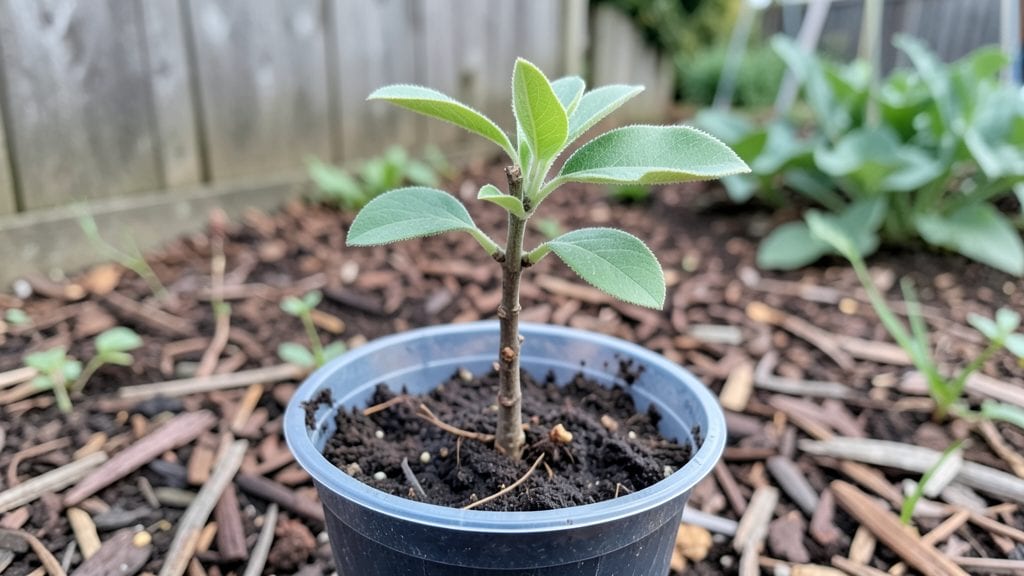
Growing a nectarine tree from seed is the ultimate long-game gardening project—one that rewards you with a tree that’s uniquely yours, even if it takes a decade to bear fruit. 🌱 I’ve started nectarines from seed three times, and each time, the anticipation of that first blossom feels like waiting for a slow-cooked pot roast to tenderize.
The key isn’t rushing it; it’s understanding each stage so you don’t quit when the growth stalls.
The process starts with the right seed—save one from a ripe, disease-free nectarine you love, or buy seeds from a reputable source. Germination takes 4-6 weeks in warm, moist conditions, and the first seedlings are delicate, needing consistent warmth and indirect light.
Most people skip this step because it’s slow, but that’s where the magic begins: your tree’s roots will be hardier than anything you’d buy at a nursery.
By the time your seedling hits 12 inches tall, you’ll transplant it outdoors in spring, giving it room to grow into a sturdy sapling. The real test comes years later, when you’ll finally see those first blossoms—if you’ve stuck with it.
The fruit might not be perfect, but the journey? That’s the real harvest.
This method works best in USDA Zones 5-9, where nectarines thrive with full sun and well-draining soil. If you live in a colder zone, expect slower progress, but the payoff—your own homegrown nectarines—is worth every season of waiting. Let’s get those seeds started right.
📚 In This Guide
- What you need
- Instructions
- Tips and common mistakes
- Wrapping up and next steps
What you need
- ● Fresh nectarine seeds: 1–3 viable seeds (harvested from a ripe, organic nectarine—avoid store-bought if possible, as they may be treated or hybrid).
- ○ Small seed-starting pots or containers: 2–3 (3–4 inches in diameter) with drainage holes. Optional: Biodegradable peat pots for easy transplanting.
- ● High-quality seed-starting mix: 1–2 bags (sterile, well-draining potting soil blend). Avoid garden soil—it can harbor pests or diseases.
- ● Plastic wrap or clear lid: 1 sheet (to create a humidity dome for germination).
- ● Spray bottle with water: 1 (for gentle moisture control).
- ● Grow lights or sunny windowsill: Access to 6–8 hours of indirect light daily (or a grow light for 12–16 hours if natural light is limited).
- ● Patience and a green thumb! 😉
- ● Seed scarification tools: Sandpaper (fine-grit, 220+) or a knife (to nick the seed coat if needed).
- ○ Heating mat: 1 (optional, to speed up germination—set to 70–80°F).
- ● Fertilizer: Balanced, water-soluble fertilizer (e.g., 10-10-10) or organic options like fish emulsion (diluted to half-strength).
- ● Pruning shears: Small pair (for future shaping, once your tree grows!).
- ● pH testing kit: To ensure your soil is slightly acidic (6.0–6.8 for optimal germination).
- ● Label markers: 2–3 (to track seed varieties and planting dates).
Step-by-step instructions for growing a nectarine tree from seed
Here's how to embark on this rewarding, decade-long journey with confidence.
🌱 Step 1: Select and Prepare the Seed
Choose a fresh, plump nectarine from your grocery store or local market—organic varieties often have thicker, easier-to-handle pits. Cut the fruit in half and twist to separate the pit, then rinse it thoroughly to remove all fruit residue. This prevents mold and rot during stratification.
The key moment arrives when you crack the pit open with a nutcracker or hammer. Remove the seed inside—it's the small, brown kernel you'll plant. Don't skip this step: the outer pit shell protects the seed from drying out, but you need the seed itself for germination. Place it on a paper towel to dry completely for 24 hours before proceeding.
🌿 Step 2: Stratify the Seed for Successful Germination
Nectarine seeds require 60-90 days of cold stratification to break dormancy. Mix the dried seed with a dampened peat moss or coconut coir in a sealed plastic bag. I use a ratio of 1 part seed to 3 parts moist medium—just damp enough that water beads form but doesn't drip.
Place the bag in your refrigerator's crisper drawer, where temperatures hover around 35-40°F. Check monthly to ensure the medium remains moist—never soggy. This cold treatment mimics winter conditions, signaling the seed it's time to grow. After 90 days, remove the seed and plant it immediately while still damp.
☀️ Step 3: Plant the Stratified Seed in a Controlled Environment
Fill a 4-inch diameter pot with sterile seed-starting mix (avoid garden soil—it's too dense). Plant the seed 1 inch deep, pressing lightly to ensure good soil contact. Water gently until moisture reaches the bottom of the pot—you'll see water drain from the holes.
Cover the pot with plastic wrap to maintain 80-85% humidity, then place it in a warm spot (70-75°F) with indirect light. A seedling heat mat helps maintain consistent warmth. Germination typically occurs in 2-4 weeks, but patience is key—some seeds take longer. Keep the soil consistently moist but never waterlogged during this phase.
🪴 Step 4: Transplant and Care for the Sapling
Once the seedling reaches 6 inches tall with 4-5 true leaves, transplant it into a 1-gallon pot with well-draining potting mix. Choose a spot with full sun (6+ hours daily) and protect it from strong winds. Water deeply twice weekly during the first year, allowing the top 2 inches of soil to dry between waterings.
Here's the thing—young nectarine trees grow slowly. Prune only to remove dead or crossing branches in early spring. Apply a balanced 10-10-10 fertilizer at half-strength every 6 weeks during the growing season. By year 3, your sapling will need staking if it exceeds 3 feet—nectarines develop weak wood early on.
⏰ Step 5: Prepare for Long-Term Growth and Potential Fruit
After 5-7 years, your tree may produce its first flowers—but don't expect fruit yet. Nectarines are self-pollinating, but cross-pollination improves yields. If possible, plant a second nectarine variety nearby. Thin fruit in early summer to 6-inch spacing to ensure larger, higher-quality nectarines.
Real talk: fruit from seed-grown trees rarely matches the parent's quality. The tree may take 10+ years to bear consistently, and the fruit might be smaller or less flavorful. However, the journey of nurturing a tree from a single seed is incredibly rewarding. Enjoy the process—your patience will pay off in the form of homegrown fruit and the satisfaction of growing something from scratch.
Tips & tricks for growing a nectarine tree from seed
Growing a nectarine tree from seed is a marathon, not a sprint—here's how to maximize your chances of success at every stage.
Seed Selection Matters: Don't just grab any nectarine pit! Choose fruit from a healthy, mature tree if possible—store-bought varieties often produce weaker seedlings. Look for pits that are firm and free of cracks, as damaged pits may not germinate. I've found that organic nectarines tend to have thicker, easier-to-handle pits that yield better results. Once you've selected your pit, the 24-hour drying period is critical—it prevents mold during stratification and gives you a better chance of successful germination.
Stratification Secrets: The 60-90 day cold treatment is non-negotiable for nectarine seeds, but there's an art to doing it right. Use a moisture meter to check your peat moss or coconut coir—it should read around 60% moisture content. I place a small air hole in my plastic bag to prevent anaerobic conditions (which can kill seeds), while still maintaining that sealed environment. And here's a pro move: write the date on your bag so you don't forget when those 90 days are up!
Germination Environment: That 80-85% humidity and 70-75°F warmth is your seedling's sweet spot, but don't overlook light conditions. While indirect light is perfect during germination, you'll notice the seedling will naturally grow toward any available light source—this is called phototropism. Place your pot near a south-facing window or under grow lights to encourage straight, healthy growth. I've seen seedlings develop "leggy" stems when they stretch toward distant light sources, so keep them within 6 inches of your light source.
Long-Term Planning: The 5-7 year wait for first flowers might seem daunting, but you can work with your tree's natural growth cycle. In year 3, when your sapling needs staking, consider installing a sturdy bamboo stake system that will grow with your tree. This prevents root disturbance when you inevitably need to upgrade stakes as your nectarine grows. And here's something nobody tells you—mark your planting date! Nectarines typically bloom in late spring, so knowing your tree's age helps you anticipate its growth patterns and care needs.
Pro Tips for Grow A Nectarine Tree From Seed
- Growing a nectarine tree from seed is a marathon, not a sprint—here's how to maximize your chances of success at every stage.
- Seed Selection Matters: Don't just grab any nectarine pit!
- Stratification Secrets: The 60-90 day cold treatment is non-negotiable for nectarine seeds, but there's an art to doing it right.
Frequently asked questions
Got questions?
Growing a nectarine tree from seed is rewarding but comes with its own set of curiosities. Here’s what you’ve been asking—and the answers you need to keep your green thumb thriving!
How long does it take for a nectarine seed to germinate?
A nectarine seed typically germinates in 2–4 weeks if kept in warm, moist conditions (around 70°F). Some seeds may take longer—up to 8 weeks—so patience is key! Use a heat mat or warm spot to speed things up. If nothing sprouts after 2 months, the seed may not be viable.
Will my nectarine tree grown from seed produce fruit?
Yes, but not the same fruit as the parent tree! Seed-grown nectarines are not true to type—meaning the fruit may differ in size, color, or flavor. For consistent harvests, graft a known variety onto your seedling later. If you’re okay with surprises, enjoy the adventure!
Can I grow a nectarine tree indoors?
Nectarine trees need sunlight and space, so they’re better suited for outdoors. However, you can start seeds indoors under grow lights for 6–8 weeks before transplanting. Once seedlings are 6+ inches tall, move them to a sunny outdoor spot (at least 6–8 hours of light daily).
What pests should I watch for in young nectarine seedlings?
Common pests include aphids, spider mites, and caterpillars. Inspect leaves regularly for holes or sticky residue. Spray with neem oil or insecticidal soap for mild infestations. Keep soil moist but not soggy to deter fungal issues like root rot.
Is there a faster way to grow a nectarine tree?
If you’re eager for fruit, consider buying a young grafted tree (1–2 years old) from a nursery. Seed-grown trees take 3–5 years to bear fruit, while grafted trees may fruit in 1–2 years. For a balance, try layering or air-layering a branch from an existing tree—faster than seeds but still hands-on!
Wrapping up and next steps
Growing a nectarine tree from seed is a rewarding journey that blends patience with the joy of nurturing life. While it may take years to bear fruit, every step—from seed to sapling—teaches resilience and connection to nature. Celebrate your progress!
Once your seedling thrives, consider transplanting it outdoors or exploring grafting techniques to speed up fruit production. Share your experience with fellow gardeners—your green thumb inspires others! 🌱🍑