
Size
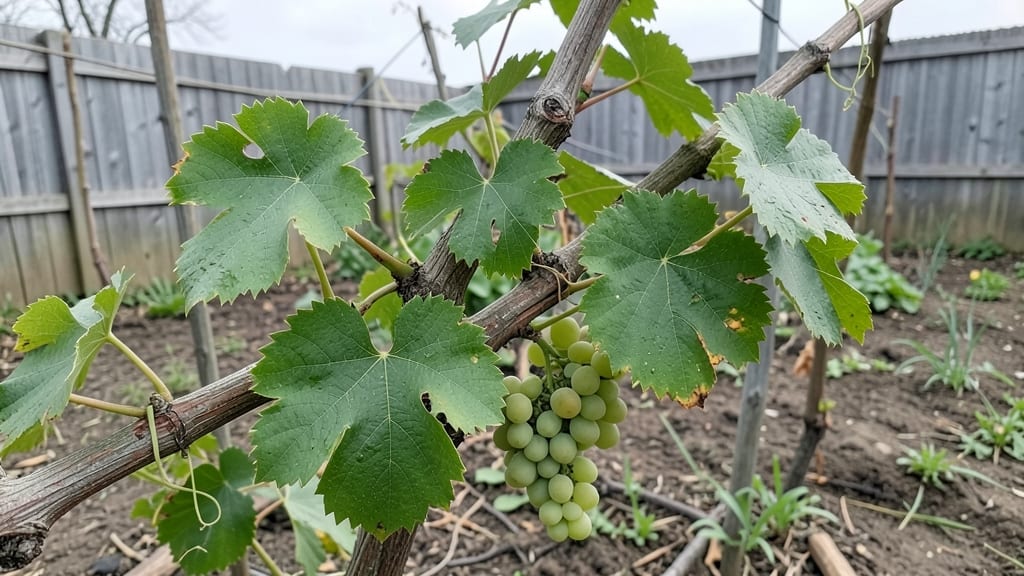
Growing a grape tree from seed to harvestable fruit takes patience, but the first taste of homegrown grapes makes it all worthwhile. 🌱 I planted my first grapevine five years ago after struggling with store-bought varieties that were either too sour or too seedy—now my backyard produces clusters of sweet, juicy grapes every summer.
The key isn't just in the planting; it's in the years of careful pruning, watering, and watching for pests that turn a struggling vine into a thriving one.
You'll need the right variety for your climate—some grapes thrive in hot, dry areas while others prefer cooler, humid conditions—and a sunny spot with well-draining soil. Most grapevines need at least 6-8 hours of sunlight daily, and the soil should be slightly acidic to neutral.
The first few years focus on establishing strong roots, so don’t rush into heavy harvesting until the vine is mature enough to support fruit production. Patience here means bigger harvests later.
By year five, you’ll be rewarded with clusters of grapes that taste nothing like what you buy in the store. The vines will sprawl beautifully along trellises or arbors, and the process of training them teaches you more about plant growth than any book ever could.
With proper care, your grape tree could easily outlive you—and keep producing fruit for decades. Let’s get those roots in the ground!
Whether you’re growing in containers or planting directly in the soil, the principles stay the same. Just remember: grapes need consistent watering, especially during fruit development, and a good pruning schedule keeps them productive.
Troubleshooting common issues like powdery mildew or aphids becomes second nature once you understand their life cycles. Here’s where the real magic happens!
📚 In This Guide
- What you need
- Instructions
- Tips and common mistakes
- Wrapping up and next steps
What you need
- ● Grapevine: 1 certified disease-free grapevine (seedlings, cuttings, or bare-root plants). Popular varieties include Concord, Thompson Seedless, or Cabernet Sauvignon.
- ● Soil: 5–10 bags of well-draining, slightly acidic soil (pH 5.5–6.5). Mix in compost (2–3 cubic feet) for nutrients.
- ● Fertilizer: 1 lb of balanced 10-10-10 fertilizer (or organic options like fish emulsion or bone meal).
- ○ Watering system: 1 drip irrigation kit (optional but recommended) or a watering can with a long spout.
- ● Mulch (straw, wood chips, or pine needles) to retain moisture.
- ● Support structure: 1 grapevine trellis (3–6 ft tall, depending on variety) OR a sturdy fence or arbor.
- ● Trellis wire (16–18 gauge) and zip ties or twist ties for securing vines.
- ● Pruning tools: 1 pair of sharp bypass pruners (for clean cuts).
- ● 1 hand saw (for thicker branches).
- ● Protective gear: Gloves (to avoid thorns and blisters).
- ● Sunscreen and a hat (grape growing is a sunny job!).
- ● Soil test kit: To check pH and nutrient levels before planting.
- ● Fungicide: Copper-based spray (for powdery mildew prevention).
- ● Grafting tools: If you’re experimenting with grafting different varieties.
- ● Shade cloth: For young plants in hot climates (30–50% shade).
- ● Bird netting: To protect ripening grapes from hungry critters.
Step-by-Step instructions for growing a grape tree from seed
Here's my tested approach to nurturing a grape tree from seed to a fruiting vine.
🌱 Step 1: Stratify Grape Seeds for Successful Germination
First, you'll need to break the seed's natural dormancy. Place your grape seeds in a small container with a damp paper towel, then seal it inside a plastic bag. Store this setup in your refrigerator for 6-8 weeks—this mimics winter conditions and triggers germination. Check weekly to ensure the towel stays moist but not soggy.
After the cold treatment, remove the seeds and plant them ¼ inch deep in a small pot filled with sterile seed-starting mix. Keep the soil consistently moist but never waterlogged. You'll see sprouts in 4-8 weeks, depending on variety and growing conditions. Patience here pays off—rushing germination often leads to weak seedlings.
☀️ Step 2: Provide Warmth and Light for Seedling Growth
Once sprouted, place your seedlings under a grow light for 14-16 hours daily. A sunny windowsill won't provide enough intensity, and leggy growth will result. Keep the soil temperature between 65-75°F—a seedling heat mat helps maintain this range if your home runs cooler. You'll notice strong, compact growth when the seedlings develop their first true leaves (the second set after the initial cotyledons).
At this stage, I fertilize lightly with a balanced 10-10-10 formula diluted to half strength. Too much fertilizer now burns tender roots. Water from the bottom of the pot to prevent fungal diseases, and avoid wetting the leaves. After 6-8 weeks, your seedlings should be 4-6 inches tall with multiple sets of leaves.
🪴 Step 3: Transplant Seedlings to Individual Pots
Move each seedling to its own 6-inch pot filled with a mix of potting soil and perlite (70/30 ratio). This improves drainage and prevents root rot. Handle the seedlings carefully—grape roots are delicate, and transplant shock can set them back. Water thoroughly after transplanting, then let the top inch of soil dry out before watering again. Overwatering now will cause the roots to suffocate.
Place the pots in a location with full sun (at least 6-8 hours daily). If growing indoors, supplement with a grow light. During the first month, monitor for signs of stress like yellowing leaves or wilting. If you see these, reduce watering slightly and ensure the light source is strong enough. By 12 months, your seedlings should be 12-18 inches tall and ready for outdoor planting.
✂️ Step 4: Prepare for Outdoor Planting in Year 2
In early spring, when nighttime temperatures stay above 40°F, it's time to plant outdoors. Choose a site with full sun and well-draining soil. Grape trees need space—dig a hole twice as wide as the root ball but no deeper. Amend the soil with compost to improve fertility. Plant the seedling at the same depth it was growing in its pot, then water deeply to settle the soil.
After planting, mulch around the base with 2-3 inches of organic mulch to retain moisture and regulate soil temperature. Prune any weak or damaged growth, leaving 2-3 strong shoots per plant. Grape trees are vigorous growers, so you'll need to train them on a trellis or arbor to support their weight. By Year 3, you'll see canes forming, and with proper care, you'll have your first harvest in 5 years.
Tips & tricks for growing a grape tree from seed
Growing a grape tree from seed takes real patience, but these tips will help you avoid common pitfalls and give your seedlings the best possible start.
Stratification Success: Don't rush the 6-8 week cold treatment in Step 1—this is non-negotiable for grape seeds. I learned this the hard way after trying to skip it and getting only 10% germination. Place a small dish of water near your seeds in the fridge to maintain humidity without over-saturating the paper towel.
Lighting Strategy: The 14-16 hours of grow light in Step 2 is crucial for preventing leggy seedlings. If you don't have a grow light, position your seedlings within 6 inches of a south-facing window during the brightest hours (10am-4pm). Rotate the pots daily so all sides get even light exposure—uneven growth leads to weak stems.
Transplanting Technique: When moving seedlings to individual 6-inch pots in Step 3, water the original pot thoroughly first. This helps slide the seedling out intact with minimal root disturbance. Gently press the soil around the roots to eliminate air pockets, then water from the bottom to encourage root growth downward rather than circling at the surface.
Outdoor Transition: Before planting outdoors in Year 2, harden off your seedlings by placing them outside for gradually increasing periods (start with 1 hour, then add 1 hour daily). This helps them adapt to wind, sun, and temperature fluctuations. I also recommend waiting until nighttime temps consistently stay above 50°F—this gives your plants a better buffer against spring frosts.
Pro Tips for Grow A Grape Tree
- Growing a grape tree from seed takes real patience, but these tips will help you avoid common pitfalls and give your seedlings the best possible start.
- Stratification Success: Don't rush the 6-8 week cold treatment in Step 1—this is non-negotiable for grape seeds.
- Lighting Strategy: The 14-16 hours of grow light in Step 2 is crucial for preventing leggy seedlings.
Frequently asked questions
Got questions about growing your own grape tree? You’re not alone—here are some of the most common ones, answered for you! Whether you're a first-time gardener or a seasoned grower, these FAQs will help you navigate the journey from seed to sweet harvest with confidence.
Can I grow a grape tree from seed, or do I need to buy a grafted plant?
While you can grow grapes from seed, the fruit won’t match the parent plant’s quality or flavor—it’ll likely be wild and inedible. For reliable, delicious grapes, opt for a grafted grapevine from a nursery. These are bred for specific varieties and produce fruit in 2–3 years instead of decades!
How long does it take for a grape tree to bear fruit?
With proper care, a grafted grapevine typically produces its first harvest in 2–3 years. However, full productivity (and those luscious clusters you’re dreaming of!) usually takes 4–5 years. Patience pays off—think of it as an investment in homemade jam, wine, or fresh snacks!
Do grape trees need a trellis, or can they grow on their own?
Yes! Grapevines are climbing plants and thrive on a sturdy trellis, fence, or arbor. Without support, they’ll sprawl, making fruit harvesting difficult and increasing disease risk. A trellis also improves air circulation, reducing humidity-related issues like mold. Plus, it looks stunning in your garden!
What are the most common pests or diseases to watch for, and how do I prevent them?
Grapevines are tough, but they can fall prey to aphids, spider mites, or fungal diseases like powdery mildew. Prevent issues by:
- Pruning for airflow ()
- Using organic sprays (neem oil works wonders!)
- Removing fallen leaves/debris
- Choosing disease-resistant varieties (ask your nursery)
Can I grow grapes in a container, or do I need a backyard?
Grapevines adapt well to large containers (15+ gallons), making them perfect for patios, balconies, or small yards. Just ensure the pot has drainage holes and you’re using a well-draining soil mix. Dwarf or semi-dwarf varieties (like ‘Thompson Seedless’) are ideal for containers. Place them in full sun for best results!
What’s the best climate for growing grapes?
Grapevines love warm, sunny climates with 6–8 hours of direct sunlight daily. They tolerate mild winters but struggle in extreme cold (<10°F) or humidity. If you live in a cooler zone, choose cold-hardy varieties like ‘Concord’ or ‘Niagara’ and plant in a sheltered spot. Most grapes thrive in USDA Zones 5–10.
Wrapping up and next steps
Growing a grape tree from seed to harvest is a rewarding journey that blends patience, care, and a little creativity! 🌱 With the right soil, sunlight, and pruning techniques, you’ll soon enjoy the sweet taste of homegrown grapes—whether you’re savoring them fresh, turning them into jam, or crafting your own wine. Remember, every expert gardener started with a single seed!
Now that you’re armed with knowledge, take the next step: plant that seed or sapling today. Track your progress, experiment with varieties, and share your grape-growing adventure with fellow enthusiasts. Your future harvest is just five years—and a whole lot of love—away! 🍇✨