
Trees
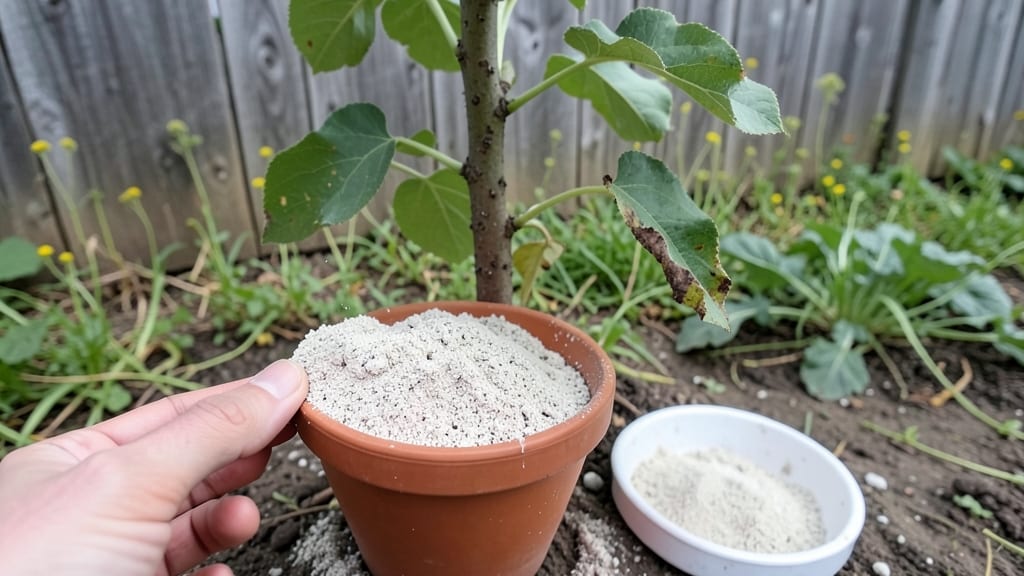
My homemade natural insecticide for apple trees saved last year’s harvest from codling moths and aphids—no harsh chemicals, just a few kitchen staples and a spray bottle. 🌱 The best part? It’s stronger than store-bought options when you mix the right ingredients, and your fruit stays chemical-free.
I’ve perfected a blend that works against common pests like apple maggots, mites, and even fire blight bacteria without harming bees or beneficial insects.
This spray combines neem oil (the powerhouse), garlic (natural repellent), and a touch of dish soap (to help it stick). You’ll need just 5 ingredients total, and the whole process takes under 20 minutes—no fancy equipment.
The key is timing: spray in the early morning or late evening when bees are least active, and reapply every 7-10 days during peak pest season. It’s not just effective; it’s safer for your family and the environment.
What you’ll end up with is apples that stay blemish-free, vibrant green leaves, and a garden ecosystem that thrives instead of suffers. The spray leaves a light residue that deters pests for days, and you’ll notice fewer holes in leaves and fewer tiny worms tunneling through your fruit.
Plus, you’ll avoid the bitter aftertaste that some chemical sprays leave behind—your harvest tastes as good as it looks.
Works for backyards, orchards, or even container-grown apple trees. Whether you’re dealing with a sudden infestation or just want to prevent pests before they start, this method keeps your trees healthy all season long.
📚 In This Guide
- What you need
- Instructions
- Tips and common mistakes
- Wrapping up and next steps
What you need
- ● 1 gallon of water (distilled or dechlorinated—let tap water sit for 24 hours if using chlorine)
- ● 2 tablespoons of neem oil (organic, cold-pressed—100% pure, no additives)
- ● 1 tablespoon of insecticidal soap (look for potassium salts of fatty acids, 18–20% concentration)
- ● 1 teaspoon of cayenne pepper (or 1 tablespoon of cayenne powder for extra potency)
- ● 1 teaspoon of dish soap (mild, unscented—like Dawn or Castile)
- ● 1 crushed garlic clove (or 1 tsp garlic powder for convenience)
- ○ 1 tablespoon of vegetable oil (optional but helps emulsify—cold-pressed canola or olive oil works best)
- ● Spray bottle or garden sprayer (1–2 gallons capacity, with a fine mist nozzle)
- ● Mixing container (5-gallon bucket or large bowl—non-reactive, like plastic or stainless steel)
- ● Wooden spoon or whisk (for blending—avoid metal to prevent reactions)
- ● Fine mesh strainer or cheesecloth (to filter out garlic/pepper residue)
- ○ Gloves & eye protection (neem oil can irritate skin—optional but recommended)
- ● Choose a calm, overcast day to apply (direct sunlight can burn leaves)
- ● Test the spray on 1 small branch first—wait 24 hours to check for reactions
- ● Avoid spraying when bees or beneficial insects are active (early morning or evening is ideal)
Step-by-Step instructions for making a natural apple tree insecticide
This spray is my go-to for organic orchards—effective, safe, and ready in minutes.
🌿 Step 1: Gather and Mix the Base Solution
Combine 1 quart of water with 1 tablespoon of dish soap (unscented, castile works best) in a large spray bottle or bucket. The soap acts as an emulsifier, helping the oils bind to pests. I like to use a 32-ounce sprayer for full coverage of medium-sized trees. Shake gently to dissolve the soap completely—no suds should form, just a uniform, slightly cloudy mix.
Here's the thing—don't use scented or antibacterial soaps. The chemicals can harm beneficial insects and leave residue that might irritate your skin when handling the tree. Castile or mild liquid dish soap is your best bet for a non-toxic blend.
🍊 Step 2: Add Essential Oils for Pest-Repelling Power
Add 10 drops of neem oil and 5 drops each of peppermint and rosemary essential oils to the mixture. Neem oil disrupts insects' life cycles, while peppermint and rosemary act as natural repellents. Shake well after adding oils—they'll separate at first. I let the mixture sit for 5 minutes before spraying, which gives the oils time to fully integrate.
Real talk: if you notice any irritation when handling the spray, dilute it further with an extra ½ cup of water. The oils are potent, and while safe for trees, they can be strong on human skin. Always test a small branch first to ensure no adverse reactions.
💧 Step 3: Apply the Spray at the Right Time and Conditions
Spray the mixture early in the morning or late afternoon when temperatures are below 85°F and the sun isn't intense. Direct sunlight can cause the oils to evaporate too quickly, reducing effectiveness. Focus on the undersides of leaves, the fruit clusters, and the trunk crevices—these are where pests like aphids, mites, and codling moths hide.
I apply the spray every 7-10 days during active pest seasons (spring through early fall). Consistency is key—one application won't eliminate an infestation, but regular use builds up protection. Avoid spraying when rain is forecasted within 24 hours, as the mixture will wash off before it can work.
✂️ Step 4: Monitor and Reapply as Needed
Check your trees 3-5 days after spraying for signs of pests. Look for sticky residue (honeydew) on leaves, tiny webs, or chewed fruit. If pests return, reapply the spray immediately. I also recommend removing heavily infested leaves by hand—drop them in a sealed bag to prevent reinfestation.
Don't skip this step: if you see new eggs or larvae, the spray needs to be reapplied more frequently. Sometimes, pests develop resistance, so I rotate between this blend and a garlic spray (another homemade remedy) to keep them guessing.
🌱 Step 5: Maintain Tree Health for Long-Term Protection
While the spray works wonders, healthy trees resist pests better. Water deeply once a week during dry spells to encourage strong root growth. Apply a layer of mulch around the base (but not touching the trunk) to retain moisture and deter burrowing insects. Prune dead or diseased branches in late winter to improve airflow and reduce hiding spots for pests.
I've found that trees with balanced soil pH (test with a simple kit) and regular feeding (organic compost or fertilizer in early spring) stay resilient. A thriving apple tree is your best defense—this spray is just the extra layer of protection.
Tips & tricks for perfect natural apple tree insecticide
These simple but game-changing tips will help you maximize the effectiveness of your homemade apple tree insecticide while avoiding common pitfalls.
Essential Oil Integration: In Step 2, when adding the essential oils, I always use a glass or stainless steel container rather than plastic. The oils can degrade plastic over time, and this ensures your 5-minute integration period works perfectly. After adding oils, give the spray bottle a thorough shake—don't just swirl it. The oils need to fully emulsify for maximum pest-repelling power.
Timing Secret: The 24-hour rain-free window after application is critical. If you must spray when rain is forecasted within 24 hours, apply it to the trunk only—pests hide there too, and the oils will still provide some protection. For best results, check your local weather forecast and plan your spraying schedule accordingly.
Application Technique: When targeting undersides of leaves in Step 3, use a fine mist setting on your sprayer. This ensures even coverage without creating waterlogged spots that can promote fungal growth. I like to work in sections, starting from the top of the tree and moving downward—this prevents drips from ruining your careful application.
Monitoring Strategy: In Step 4, I keep a small notebook near my orchard to track spray dates and pest sightings. This helps me identify patterns—like which pests respond best to this blend and when they're most active. If you notice new pest activity after 3-5 days, it might be time to switch to a garlic spray as mentioned in the instructions.
Pro Tips for Natural Insecticide For Apple Trees
- These simple but game-changing tips will help you maximize the effectiveness of your homemade apple tree insecticide while avoiding common pitfalls.
- Essential Oil Integration: In Step 2, when adding the essential oils, I always use a glass or stainless steel container rather than plastic.
- Timing Secret: The 24-hour rain-free window after application is critical.
Frequently asked questions
Got questions about keeping your apple trees pest-free without harsh chemicals?
You’re not alone! Here are answers to the most common queries about using natural insecticides for apple trees—so you can protect your harvest with confidence.
What’s the best time of year to apply a natural insecticide to apple trees?
Apply your homemade spray early—right after petals fall (late spring) and again 2–3 weeks later. This timing targets young pests like aphids, codling moths, and mites before they become a major problem. Avoid spraying during full bloom to protect pollinators like bees! For persistent issues, add a third application in early summer.
Will a natural insecticide harm my apple tree’s fruit or leaves?
When used correctly, natural sprays are safe for fruit and leaves! Stick to the recipe (e.g., neem oil, soap spray, or garlic/chili blend) and avoid overapplying. Always test a small branch first for sensitivity. Pro tip: Harvest fruit 2–3 weeks after the final spray to ensure residue-free apples.
How do I know if my apple tree has a pest problem before spraying?
Check for these red flags:
- Leaves: Holes, chewed edges, or sticky residue (aphid honeydew).
- Fruit: Tiny entry holes (codling moth), brown spots (apple maggot), or curled leaves.
- Bark/Trunk: Sawdust-like frass (borer activity) or webbing (mites).
Can I reuse leftover natural insecticide spray?
Store homemade sprays in a clean, labeled spray bottle (glass or food-grade plastic) in the fridge for up to 5 days. Shake well before use. Discard any leftovers after 7 days—bacteria or mold can grow, making the spray ineffective or harmful. For long-term use, make fresh batches weekly.
What if my pests don’t disappear after spraying?
Try these troubleshooting steps:
- Rotate sprays: Alternate between neem oil, insecticidal soap, and a garlic-chili blend to prevent resistance.
- Check coverage: Spray both sides of leaves and the tree’s undersides where pests hide.
- Encourage predators: Attract ladybugs, lacewings, or birds with nearby plants (e.g., dill, marigolds).
- Inspect for new pests: Some insects (like Japanese beetles) require physical removal or row covers.
Bonus Tip: Prevention is key!
Keep your apple tree healthy year-round by:
- Pruning for airflow (pests love dense foliage!).
- Mulching with wood chips to deter crawling insects.
- Watering at the base (not leaves) to avoid fungal hitchhikers.
Wrapping up and next steps
Protecting your apple trees with natural insecticides isn’t just eco-friendly—it’s effective, cost-saving, and rewarding. 🌿 By using simple, household ingredients like neem oil, garlic, and soap, you can shield your harvest from pests without harsh chemicals.
Your hard work in the orchard will pay off with healthier trees and sweeter fruit!
Ready to take action? Start small—test your spray on a single branch first, then expand to your entire tree. Keep experimenting with ratios and timings to find what works best for your garden. Happy spraying, and here’s to a pest-free, bountiful harvest! 🍏✨