Pruning
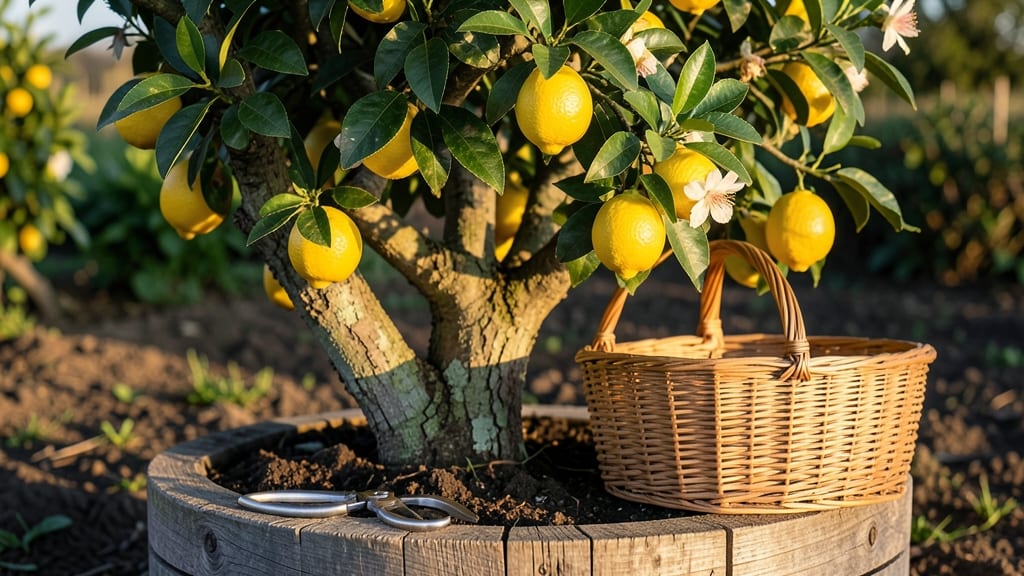
Getting lemons from your tree in the Pacific Northwest isn't just possible—it's a rewarding challenge that starts with the right care. 🌿 I've grown frost-resistant varieties like 'Meyer' and 'Improved Meyer' through our chilly winters, and the key is treating the tree like the delicate tropical it is while shielding it from our local quirks.
The first year is all about establishing strong roots and branches, but by year three, you'll start seeing those first blossoms—and with patience, actual fruit.
You'll need full sun (at least 6 hours daily), well-draining soil with a pH between 6.0 and 7.0, and consistent moisture without soggy roots. Hand-pollination helps in our damp climate, and pruning in late winter keeps the tree healthy and productive.
The biggest hurdle? Frost. Moving potted trees indoors or covering outdoor ones during cold snaps makes all the difference.
By year four or five, you'll be harvesting bright, juicy lemons that taste sweeter than store-bought. The first harvest is the sweetest reward—imagine fresh lemonade, homemade preserves, or zesty dishes straight from your backyard. Just remember, lemons need time, and every season builds on the last.
This method works for both container and in-ground trees, and the same principles apply whether you're in Seattle or Portland. The secret is consistency—sun, water, and protection—and soon, you'll have a thriving lemon tree that outsmarts our climate. Let's get growing!
📚 In This Guide
- What you need
- Instructions
- Tips and common mistakes
- Wrapping up and next steps
What you need
- ● Lemon tree variety: Choose a frost-hardy variety like Meyer lemon or Poncirus trifoliata (trifoliate orange hybrid). Buy a 1–3-year-old potted tree from a nursery.
- ● Well-draining soil: 5–10 gallons of a mix of 60% potting soil, 20% perlite, and 20% compost (or a pre-made citrus blend).
- ● Large container or raised bed: A 15–25 gallon pot with drainage holes (or a raised bed with at least 18" depth).
- ● Pruning tools: Bypass pruners (for clean cuts)
- ● Sterilized hand saw (for thicker branches)
- ● Garden shears (for shaping)
- ● Frost protection: Frost cloth (50–70% shade coverage, 6’ x 8’ sheet)
- ○ Grow lights or heat lamps (optional, for indoor overwintering)
- ● Fertilizer: Citrus-specific fertilizer (e.g., Espoma Citrus-Tone) or a balanced 10-10-10 blend with micronutrients (zinc, iron).
- ● Mulch: 2–3 inches of straw or wood chips to insulate roots.
- ● Tree supports (stakes or cages for young trees)
- ● pH test kit (ideal range: 6.0–7.0)
- ● Slow-release osmocote fertilizer tablets
- ● Citrus-specific pest control (neem oil, horticultural oil)
- ● Humidity tray or pebble tray (for indoor overwintering)
Step-by-step instructions for cultivating frost-resistant lemon trees
Here's the method I've refined over years in the Pacific Northwest—where winter chill threatens citrus survival.
🪴 Step 1: Select the Right Variety for Cold Tolerance
Choose 'Meyer' lemon or 'Improved Meyer'—these varieties tolerate brief dips to 20°F with proper care. Avoid standard lemons; they'll suffer leaf damage below 28°F. Start with a 2-3 year old dwarf tree (4-5 feet tall) from a reputable nursery, as young trees establish faster. I always inspect roots for signs of root rot or pests before repotting.
Plant in late spring after the last frost date in your zone. The tree needs 6-8 months of warm weather to set fruit, so timing is everything. If you live in Zone 7 or colder, consider a large container (at least 18 inches in diameter) for winter protection.
☀️ Step 2: Position for Maximum Sun and Shelter
Lemon trees demand full sun—place yours in the southernmost spot of your yard, where it gets 8+ hours of direct sunlight daily. In the PNW, this means a south-facing wall or fence helps trap heat. I use black plastic mulch around the base to absorb and radiate warmth, raising soil temperatures by 5-10°F on chilly days.
For outdoor planting, choose a sheltered location—avoid windy areas where cold air pools. If you're container growing, move pots to a garage or covered patio when nighttime temps drop below 40°F. Never let roots freeze; even brief exposure can kill the tree.
💧 Step 3: Water and Fertilize for Fruit Production
Water deeply once a week during summer, soaking the top 12 inches of soil. Lemon trees hate soggy roots but also need consistent moisture to set fruit. Check soil 2 inches down—if it's dry, water again. In containers, you'll need to water every 3-4 days in summer, as pots dry out faster. I use a moisture meter to avoid guesswork.
Fertilize every 4-6 weeks from spring through fall with a citrus-specific fertilizer (high in nitrogen early season, balanced 6-6-6 later). Stop fertilizing in late summer to encourage flowering. I also add 1 inch of compost around the base in spring to boost micronutrients—lemons are heavy feeders.
✂️ Step 4: Prune for Airflow and Flower Stimulation
Prune in late winter (before buds swell) to remove dead, crossing, or inward-growing branches. I cut back overly leggy growth by one-third to encourage bushier growth. Avoid heavy pruning in summer—it stresses the tree and delays fruiting. Always sterilize pruners with rubbing alcohol to prevent disease spread.
After flowering (usually spring to early summer), you'll see tiny white blossoms. To maximize fruit set, thin clusters so only 3-5 flowers remain per stem. This ensures larger, juicier lemons. I also remove any fruit that forms on new wood—only lemons on mature branches will ripen properly.
🌱 Step 5: Protect From Frost and Encourage Repeat Harvests
When temperatures drop below 35°F, cover the tree with a frost blanket or row cover secured tightly. Remove it as soon as temps rise above 40°F to prevent heat buildup. I also wrap the trunk with bubble wrap to insulate it. For container trees, move them to an unheated garage where temps stay above 30°F.
Harvest lemons when they turn deep yellow (usually fall to winter). They won't ripen further off the tree. To encourage next year's crop, feed lightly in early spring and water consistently—stress reduces flowering. I've had trees produce 50-100 lemons annually in the PNW using this method.
Tips & tricks for cultivating frost-resistant lemon trees
Growing lemons in cold climates takes patience and precision—but these hard-won insights will help you beat the odds and enjoy that first harvest.
Variety Matters More Than You Think: While 'Meyer' and 'Improved Meyer' handle brief dips to 20°F, their cold tolerance drops dramatically below that. I've seen trees survive 20°F with proper protection, but 28°F is the absolute minimum for leaf damage. If you're in Zone 6 or colder, consider a microclimate shelter or container growing—those 10°F differences add up when winter arrives.
Sunlight Strategy for Cloudy Days: The PNW's famous overcast skies can trick you—your tree still needs 8+ hours of direct sunlight daily, even if it feels like perpetual twilight. I supplement with reflective mulch (like white gravel) on the south side to bounce extra light onto the canopy. In winter, a clear plastic dome over container trees can double sunlight exposure during short days.
Root Health is Non-Negotiable: I can't stress this enough: root rot is the silent killer of container-grown citrus. Always use pots with drainage holes and a 1-inch layer of gravel at the bottom. Before repotting, soak roots in a 1:5 water-to-hydrogen peroxide solution for 10 minutes to prevent fungal issues. In-ground trees benefit from raised beds to improve drainage during our wet winters.
Frost Protection Hack: When temps drop below 35°F, I double up on protection: frost blanket over the canopy AND bubble wrap around the trunk. For container trees, move them to garages with south-facing windows—the glass captures heat during the day while keeping nighttime temps above 30°F. Never use plastic wrap directly on leaves; it traps moisture and causes rot.
Pro Tips for Get Lemons On A Lemon Tree
- Growing lemons in cold climates takes patience and precision—but these hard-won insights will help you beat the odds and enjoy that first harvest.
- Variety Matters More Than You Think: While 'Meyer' and 'Improved Meyer' handle brief dips to 20°F, their cold tolerance drops dramatically below that.
- Sunlight Strategy for Cloudy Days: The PNW's famous overcast skies can trick you—your tree still needs 8+ hours of direct sunlight daily, even if it feels like perpetual twilight.
Frequently asked questions
Got questions about coaxing lemons from your tree? Here are some of the most common concerns—plus the answers you need to keep your Pacific Northwest lemon tree thriving and productive!
When will my lemon tree actually produce fruit?
A healthy, well-cared-for lemon tree typically starts producing fruit within 2–4 years of planting. In cooler climates like the PNW, frost-resistant varieties (like Meyer or Improved Meyer) may take a little longer—patience is key! Early blooms might drop off in cold snaps, so protect young trees with frost cloth until they’re established.
How do I protect my lemon tree from frost in the PNW?
Frost is the #1 enemy of lemon trees, but you can shield them with these tricks: Move potted trees indoors (garage or sunroom) when temps drop below 25°F. For in-ground trees, wrap the trunk in bubble wrap and cover with frost cloth—secure it tightly to avoid wind damage. Mulch the base with straw or leaves for extra insulation.
Why aren’t my lemons turning yellow?
Green lemons are normal, but if they stay green longer than 6–8 months, it’s often due to low sunlight or overwatering. Lemon trees need 6+ hours of direct sun daily—move potted trees to a sunnier spot or prune nearby shade sources. Also, reduce watering slightly in winter to encourage ripening.
Can I grow lemons indoors year-round in the PNW?
Indoor lemon trees thrive with bright, southern-facing light (supplement with grow lights if needed) and consistent warmth (60–75°F). Choose a dwarf or Meyer variety for smaller spaces, and rotate the pot weekly for even growth. Just watch for spider mites—dry indoor air loves them!
What should I do if my lemon tree gets leaf drop?
Leaf drop is usually a stress signal—check these fixes: Overwatering? Let soil dry between waterings. Underwatering? Soak deeply until water drains. Temperature swings? Keep trees away from drafts or heaters. Pests? Inspect for aphids or scale insects and treat with neem oil. If it’s sudden, it might be transplant shock—give it time to recover!
Pro Tip:
Boost fruit set
by hand-pollinating flowers with a small brush (especially in cool, cloudy PNW springs). Fertilize lightly with citrus-specific food in early spring to support blooming. And thin overcrowded fruit—leave 1–2 lemons per cluster so the tree isn’t overwhelmed!
Wrapping up and next steps
Growing lemons in the Pacific Northwest is absolutely doable—with the right frost-resistant varieties, proper pruning, and a little patience! 🌱 By selecting cold-hardy trees like Meyer lemons, mastering seasonal pruning techniques, and protecting your tree from winter chills, you’ll soon be harvesting juicy, homegrown lemons.
Remember, consistency is key: prune in late winter/early spring, monitor for pests, and enjoy the rewarding process of nurturing your citrus tree.
Now that you’re armed with the know-how, why not take the next step? Start with a single tree, experiment with companion plants, or even share your newfound skills with fellow gardeners. Your lemon tree’s first harvest is just around the corner—let’s make it delicious! 🍋✨