
Pruning
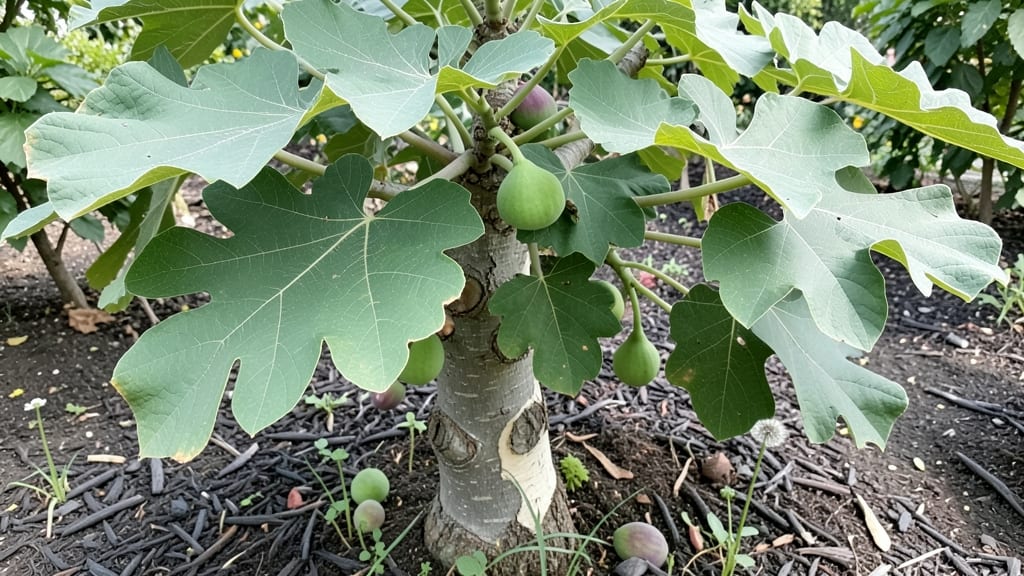
Growing a fig tree isn't as tricky as it seems—especially when you focus on just four simple pruning cuts that unlock year-round harvests. 🌿 I learned this the hard way after my first tree produced only a handful of figs, but once I mastered the right cuts, I went from frustrated gardener to proud producer.
The secret lies in understanding when to prune, how to shape the tree, and which varieties thrive in your climate.
You’ll need a sunny spot with well-draining soil, whether that’s in-ground or a 15-gallon container for patios. Fig trees adapt surprisingly well, but they demand consistency—water deeply once a week in dry spells, and feed lightly with compost in early spring.
The pruning itself takes less than 20 minutes if you time it right after harvest, and it’s the game-changer that keeps your tree productive for decades.
By summer’s end, you’ll be picking sweet, sun-ripened figs straight from the tree—no grocery store prices here. The best part? With proper pruning, you’ll get two harvests a year: one in early summer and another in fall.
Even urban gardeners with small spaces can grow a productive tree if they follow these simple steps.
Whether you’re growing in Zone 7 or cooler climates, the same principles apply—just adjust timing for frost. I’ve grown figs in containers on my balcony and in-ground gardens, and the results are just as sweet. Let’s get your tree thriving!
📚 In This Guide
- What you need
- Instructions
- Tips and common mistakes
- Wrapping up and next steps
What you need
- ● Fig tree sapling or cutting: Choose a healthy, disease-free variety (e.g., Brown Turkey or Celeste) from a nursery. A 1-2 year old sapling works best!
- ● Well-draining soil: Figs love sandy loam with a pH of 6.0–7.5. Mix in compost (1 part) for nutrients.
- ● Container (if indoors/potted): A 15–20 gallon pot with drainage holes (or a 5-gallon bucket for dwarf varieties).
- ● Organic mulch: Wood chips or straw (2–3 inches thick) to retain moisture and regulate soil temp.
- ● Fertilizer: A balanced 10-10-10 or citrus-specific fertilizer (spring and summer).
- ● Watering can or hose: A gentle spray nozzle prevents soil erosion.
- ● Pruning shears: Bypass pruners (sharp, 5–7 inch blades) for clean cuts.
- ● Gloves: Heavy-duty gardening gloves (fig sap can irritate skin!).
- ● Trowel or shovel: For planting and soil amendments.
- ● Measuring tape: To track tree height and spacing (figs need 10–15 feet apart outdoors).
- ○ Spray bottle (optional): For misting young leaves in dry climates.
- ● Sunlight: 6–8+ hours of full sun daily (figs thrive in heat!).
- ● Climate: Hardy to USDA Zones 7–10 (container-grown trees can survive cooler zones with winter care).
- ● Patience: Figs take 2–3 years to bear fruit, but pruning early ensures a bountiful harvest!
Step-by-step instructions for growing a productive fig tree
Here's the straightforward method I've used to grow fig trees that fruit reliably year after year.
🌱 Step 1: Choose and Plant Your Fig Tree
Select a hardy fig variety suited to your climate zone. I recommend 'Celeste' for cold tolerance or 'Brown Turkey' for versatility. Plant in full sun—figs need at least 6-8 hours of direct sunlight daily—with well-draining soil. If your soil is heavy clay, amend it with 3-4 inches of compost mixed into the top 12 inches of soil.
Dig a hole twice as wide as the root ball but no deeper. Gently remove the tree from its container and loosen any circling roots. Position the root flare (where roots meet trunk) 1-2 inches above ground level—this prevents rot. Backfill with native soil, firming lightly to eliminate air pockets. Water deeply to settle the soil around roots.
💧 Step 2: Water and Mulch for Establishment
Water your fig tree deeply once a week for the first two months after planting, ensuring moisture reaches 12-18 inches deep. Figs are drought-tolerant once established, but young trees need consistent moisture. You'll know it's time to water when the top 2-3 inches of soil feel dry. Avoid wetting the leaves to prevent fungal diseases.
Apply 2-3 inches of organic mulch (like wood chips or straw) around the base, keeping it 6 inches away from the trunk. This conserves moisture, regulates soil temperature, and suppresses weeds. Refresh the mulch annually in early spring. Figs thrive with regular watering but hate soggy roots, so prioritize drainage.
☀️ Step 3: Prune for Structure and Fruit Production
Prune your fig tree in late winter or early spring before new growth begins. Use clean, sharp pruners to make cuts at a 45-degree angle just above a bud. Remove dead, diseased, or crossing branches first—these compete with healthy growth. Then, thin out excessive suckers (shoots from the base) to focus energy on the main trunk.
For fruit production, cut back overly vigorous branches by one-third to improve air circulation and sunlight penetration. I target 4-5 main branches per tree, pruning to encourage an open, vase-like shape. Avoid heavy pruning in the first year—let the tree establish its structure. You'll see new shoots and leaves within 2-3 weeks of pruning, signaling healthy regrowth.
✂️ Step 4: Maintain and Harvest Year-Round
Fertilize lightly in early spring with a balanced 10-10-10 fertilizer, applying ½ cup per year of tree maturity. Figs are light feeders, so over-fertilizing leads to excessive foliage and fewer fruits. Monitor for pests like aphids or spider mites—spray with neem oil if needed. Figs are generally pest-resistant, but early intervention prevents infestations.
Harvest figs when they soften slightly and turn from green to their mature color (varies by variety). Pick them gently but firmly to avoid damaging the branch. In warm climates, figs may produce two crops per year—spring and fall. In cooler zones, protect the tree with burlap wraps in winter to shield it from cold winds. With proper care, your fig tree will reward you with years of sweet, homegrown fruit.
Tips & tricks for perfect fig tree growth
A few simple strategies will help you avoid common pitfalls and maximize your fig tree's fruit production.
Sunlight Strategy: While the instructions specify 6-8 hours of direct sunlight daily, I've found that fig trees actually thrive with full sun exposure (8+ hours) when possible—especially in hotter climates. If your location has intense afternoon sun, consider providing afternoon shade during the hottest summer months to prevent leaf scorch.
Soil Preparation Tip: The 3-4 inches of compost recommendation is perfect, but I take it a step further by adding 1 part perlite to 3 parts compost for clay-heavy soils. This improves drainage while maintaining moisture retention. For sandy soils, mix in 1 part peat moss instead to help retain water. The key is creating that well-draining environment figs crave.
Pruning Precision: When pruning in Step 3, I focus on creating an open center by removing branches that grow toward the tree's interior. This improves air circulation and sunlight penetration to the center branches—critical for fruit production. Remember to make your cuts at a 45-degree angle just above an outward-facing bud to encourage healthy regrowth in the direction you want new branches to grow.
Watering Wisdom: The two-month deep watering schedule is spot-on, but I've learned that checking soil moisture with a soil moisture meter is more reliable than just feeling the top 2-3 inches. Figs have deep root systems, so you want that 12-18 inch deep moisture consistently during the establishment phase. In hot weather, you might need to water every 5-7 days instead of weekly.
Pro Tips for Fig Tree
- A few simple strategies will help you avoid common pitfalls and maximize your fig tree's fruit production.
- Sunlight Strategy: While the instructions specify 6-8 hours of direct sunlight daily, I've found that fig trees actually thrive with full sun exposure (8+ hours) when possible—especially in hotter climates.
- Soil Preparation Tip: The 3-4 inches of compost recommendation is perfect, but I take it a step further by adding 1 part perlite to 3 parts compost for clay-heavy soils.
Frequently asked questions
Got questions about growing and maintaining your fig tree? You’re not alone! Here are some of the most common concerns—and their straightforward solutions—to help you keep your tree thriving year-round.
How often should I prune my fig tree?
Prune your fig tree once a year, ideally in late winter or early spring (before new growth starts). This keeps the tree healthy, improves fruit production, and prevents overcrowding. Avoid heavy pruning after harvest, as it can stress the tree and reduce next year’s yield.
Can I grow a fig tree from a cutting?
Fig trees root easily from cuttings. Take a 4–6 inch cutting from a healthy branch in late winter or early spring, strip the lower leaves, and dip it in rooting hormone. Plant it in well-draining soil, keep it moist, and place it in bright, indirect light. Roots should form in 4–8 weeks.
Are fig trees cold-hardy, or do they need winter protection?
Most fig trees thrive in USDA zones 7–10, but they’re sensitive to frost. If you live in a colder climate, plant in a container for easy winter relocation or mulch heavily around the base. For outdoor trees, wrap the trunk in burlap or use frost cloth to shield young trees from sudden temperature drops.
Why aren’t my figs ripening?
Figs may fail to ripen due to lack of sunlight, overwatering, or nutrient deficiencies. Ensure your tree gets at least 6–8 hours of direct sun daily. Check soil moisture—figs prefer dry conditions—and fertilize lightly in early spring with a balanced, citrus-friendly fertilizer. If pests (like aphids) are present, treat with neem oil.
What’s the best alternative if I can’t grow a fig tree outdoors?
If your climate is too harsh for outdoor fig trees, try container growing! Varieties like ‘Celeste’ or ‘Chicago Hardy’ are cold-tolerant and perfect for pots. Move them indoors near a sunny window or under grow lights in winter. Just ensure the container has drainage holes and use a well-draining potting mix.
Wrapping up and next steps
Growing a thriving fig tree is all about patience, precision, and a little love—and with the right pruning techniques, you’ll enjoy a bountiful harvest year-round! 🌿 Whether you’re trimming for shape, health, or fruit production, mastering those four simple cuts puts you on the path to success.
Remember: less is more—fig trees reward gentle care over aggressive pruning.
Ready to level up your green thumb? Start small—try pruning just one branch this season, observe how your tree responds, and build confidence.
Before you know it, you’ll be sharing sweet, sun-ripened figs with neighbors (or just snacking like a pro!). Your fig tree’s future is in your hands—go make it delicious! 🍇✨