
Pruning
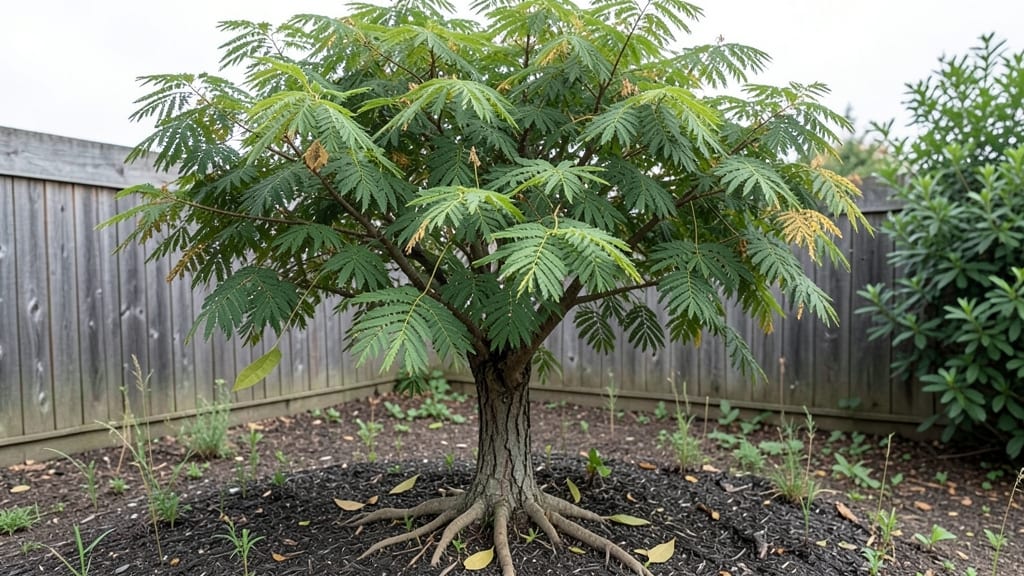
The tree of heaven spreads like a weed with wings—its roots creep underground while seeds hitch rides on wind, water, and wildlife. 🌿 I’ve watched mine take over a corner of the yard in just two years, and once it’s established, it’s nearly impossible to stop.
The real danger isn’t just its fast growth—it’s how aggressively it outcompetes native plants, choking out gardens and ecosystems alike.
This tree spreads through three main methods: underground roots that send up new shoots, winged seeds that travel for miles, and even root fragments left behind after digging. The moment you see those compound leaves with their distinctive 13-25 leaflets, it’s time to act—before it’s too late.
I’ve tried everything from manual removal to herbicides, and while no method is foolproof, some work better than others.
You’ll need a combination of physical removal (digging out roots), chemical control (targeted herbicides), and preventative measures (mulching, monitoring). The key is persistence—one missed root or seed can mean years of fighting it again.
Once you’ve got it under control, I’ll show you how to keep it from staging a comeback.
This isn’t just about your yard—tree of heaven spreads so easily it’s considered invasive in many regions. Native plants and local wildlife depend on you stopping it before it takes over. Let’s tackle this together before it’s too late.
📚 In This Guide
- What you need
- Instructions
- Tips and common mistakes
- Wrapping up and next steps
What you need
- ● Heavy-duty gloves (2 pairs): Nitrile-coated or leather (rated for thorn protection).
- ● Safety goggles (1 pair): ANSI-rated to shield against debris and sap.
- ● Respirator mask (1): N95 or higher to avoid inhaling wood dust or seeds.
- ● Pruning shears (1 pair): Bypass-type, 6-8" blades for clean cuts on small branches.
- ● Loppers (1 pair): 20-24" reach for thicker branches (up to 2" diameter).
- ● Felling saw (1): 7-10" curved blade for larger stems or stumps.
- ○ Shovel or mattock (1): Heavy-duty, 12-14" blade for digging roots (optional but helpful).
- ● Wheelbarrow or tarp (1): 4x6 ft minimum to haul debris away.
- ● Trash bags (5-10): Heavy-duty, 30-gallon size for seed and branch disposal.
- ○ Hermetic bags (optional): For sealing seeds to prevent future sprouts.
- ● Systemic herbicide (1 gallon): Glyphosate-based (e.g., Roundup) or triclopyr for stump treatment.
- ● Hole punch or drill (1): For creating holes in stumps for herbicide application.
- ● Paintbrush or sponge (1): For applying herbicide to cut surfaces.
- ● Check local regulations before using herbicides—some areas restrict certain chemicals. 📜
- ● Wear long sleeves and pants to protect against sap (can cause skin irritation).
- ● Work on a dry day to avoid slipping and make cleanup easier. ☀️
- ● Disinfect tools between cuts with rubbing alcohol to prevent disease spread. 🧼
Understanding and managing tree of Heaven's spread
This invasive tree spreads faster than you might think—here’s how to recognize and control its aggressive growth.
🌱 Step 1: Identify the Spread Mechanisms
The Tree of Heaven (Ailanthus altissima) spreads through two primary methods: seeds and underground roots. Seeds can travel up to 200 feet from the parent tree, while its extensive root system produces suckers that sprout even after the main trunk is cut. The tree’s male flowers release pollen that can fertilize female flowers from miles away, creating dense thickets.
Look for clusters of young trees with compound leaves (7-13 leaflets) and a distinctive foul odor when crushed. These visual cues help you spot new growth before it becomes unmanageable. The roots can also spread through root fragments, so even small pieces left in the soil will regenerate.
🌿 Step 2: Monitor and Remove New Growth Early
Check your property twice a year—spring and early summer—for new sprouts. Young Tree of Heaven seedlings are highly vulnerable to manual removal when they’re under 12 inches tall. Use a shovel or hoe to dig out the entire root system, including any visible suckers. If you miss even a small root fragment, it will regrow.
For larger plants, cut them at the base but avoid leaving stumps. The tree will regenerate from the roots. Instead, smother the stump with 6+ inches of mulch or use a root barrier to prevent new shoots. This method works best when combined with regular inspections to catch any missed growth.
✂️ Step 3: Apply Chemical Control for Established Trees
For mature Tree of Heaven trees, herbicide treatment is often the most effective option. Use a systemic herbicide (like glyphosate) applied directly to freshly cut stumps or foliage. The herbicide moves through the plant’s vascular system, killing the roots over time. Always follow label instructions for dosage and safety precautions.
Reapply herbicide annually for 2-3 years to ensure the entire root system is eradicated. If you choose this method, avoid spraying on windy days to prevent drift onto desirable plants. After treatment, monitor the area for new suckers and remove them immediately.
🪴 Step 4: Prevent Future Spread Through Barriers and Maintenance
Install a deep root barrier (at least 3 feet deep) around your property to block underground spread. These barriers should extend 12-18 inches below the soil surface to prevent roots from growing beneath them. Combine this with regular mowing to suppress any seedlings before they establish.
If you’re dealing with a large infestation, consider professional removal—this tree is notorious for returning if not fully eradicated. Even after removal, keep the area clear of debris for at least two growing seasons to ensure no dormant roots or seeds remain.
Tips & tricks for managing tree of Heaven spread
Controlling Tree of Heaven's aggressive spread requires strategic vigilance—here are the key insights that'll help you stay ahead of its relentless growth patterns.
Visual Identification is Critical: In Step 1, when identifying Tree of Heaven, focus on those compound leaves with 7-13 leaflets and the unmistakable foul odor when crushed. This distinct smell—often described as rotten peaches—is your early warning system. I've seen homeowners miss early infestations because they overlooked this key identifier during their twice-yearly property checks. The sooner you spot these visual cues, the easier it is to remove them before they establish deep root systems.
Timing Matters for Manual Removal: The instructions emphasize checking twice a year—spring and early summer—but there's a science to when you should act. Young seedlings under 12 inches are most vulnerable, but don't wait until they reach that height. I recommend monitoring your property every 4-6 weeks during growing seasons. The tree's growth accelerates rapidly, so catching it at the 2-4 inch stage gives you the best chance of complete removal with minimal regrowth.
Root Fragment Awareness: This is where most people fail in Step 2. Even a 1-inch root fragment left in the soil will regenerate into a full tree. When you're digging out young plants, be meticulous about removing every visible root—especially those thin, white roots that spread horizontally. I've seen entire backyards taken over because someone missed just a few root pieces. For larger plants, consider using a root saw to ensure clean cuts at the base rather than relying on a chainsaw that might leave fragments.
Chemical Application Strategy: In Step 3, the instructions mention annual herbicide applications for 2-3 years, but here's the pro tip: timing matters as much as frequency. Apply herbicide when new growth appears in late spring—this is when the tree's vascular system is most active. I've found that combining the herbicide treatment with a physical barrier (like cardboard placed over the stump before applying herbicide) significantly increases effectiveness by preventing new suckers from emerging during treatment.
Pro Tips for How Does Tree Of Heaven Spread
- Controlling Tree of Heaven's aggressive spread requires strategic vigilance—here are the key insights that'll help you stay ahead of its relentless growth patterns.
- Visual Identification is Critical: In Step 1, when identifying Tree of Heaven, focus on those compound leaves with 7-13 leaflets and the unmistakable foul odor when crushed.
- Timing Matters for Manual Removal: The instructions emphasize checking twice a year—spring and early summer—but there's a science to when you should act.
Frequently asked questions
Got questions about controlling the spread of Tree of Heaven? You're not alone!
Here are some of the most common concerns—and practical answers—to help you manage this invasive species effectively.
How fast does Tree of Heaven spread?
The Tree of Heaven (Ailanthus altissima) spreads rapidly—up to 50 feet per year in ideal conditions. It reproduces via both seeds (dispersed by wind) and aggressive root suckers. A single tree can produce 300,000 seeds annually, while roots can sprout new shoots even after cutting. Early intervention is key to preventing an infestation!
Will cutting down a Tree of Heaven stop its spread?
No—cutting alone won’t eliminate it. The tree’s roots and stumps can regrow into multiple shoots. To truly control it, use herbicides (like glyphosate) on freshly cut stumps or dig out the roots completely. Repeat treatments may be needed, especially for established trees.
Can I plant alternatives to Tree of Heaven?
Yes! Opt for native, non-invasive species like Black Walnut, Sycamore, or Hackberry. These trees offer similar shade and wildlife benefits without spreading aggressively. Check with local nurseries for region-specific recommendations to avoid introducing other invasives.
How do I know if Tree of Heaven seeds are spreading in my yard?
Watch for small, winged seeds (like helicopter blades) or saplings with compound leaves (7–13 leaflets). Young trees also have a distinctive foul odor when crushed. Remove seedlings immediately—they’re easier to pull than mature trees. A quick soil check for root suckers can also reveal hidden threats.
What’s the best time to treat Tree of Heaven?
The ideal window is late spring to early summer (May–June) when the tree is actively growing. Apply herbicides to fresh cuts or spray foliage during this period for maximum absorption. For root suckers, treat them as soon as they emerge—they’re most vulnerable when young.
Need more hands-on tips? Check out our step-by-step removal guide for a foolproof plan!
Wrapping up and next steps
Understanding how the Tree of Heaven spreads is the first step to controlling it—whether through vigilant removal, natural barriers, or professional help. 🌱 Its aggressive roots and prolific seeds make early action key, but with the right strategies, you can reclaim your yard or garden. Don’t wait until it’s too late!
Your next step? Inspect your property for signs of this invasive tree and take action—whether that’s manual removal, chemical treatment, or calling a local arborist. Stay proactive, and you’ll keep your landscape thriving without the Tree of Heaven taking over! 💪