Container Gardens
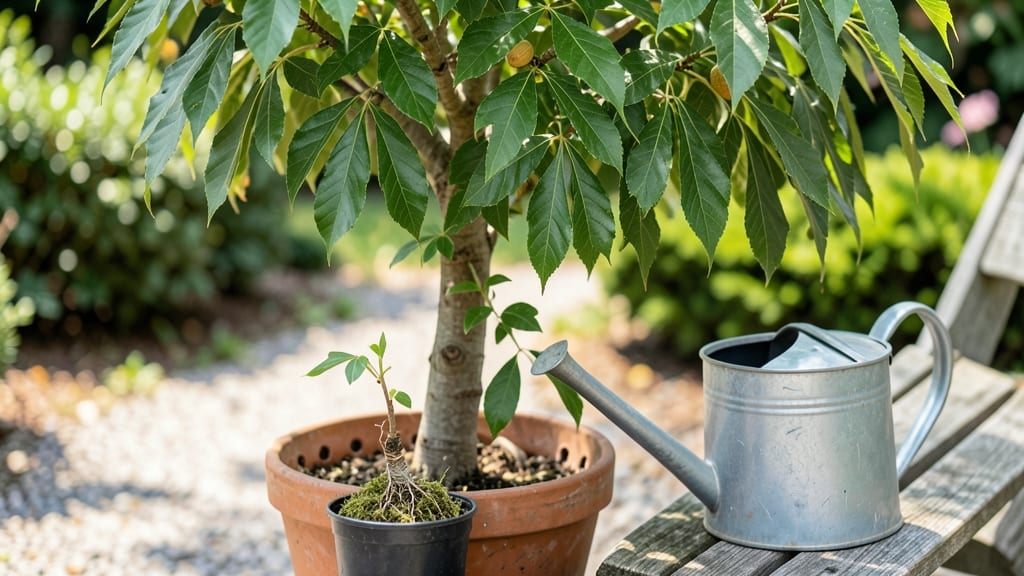
Growing pecan trees in containers lets you enjoy their rich, buttery nuts even in small urban spaces—here’s how to make it work. 🌱 I’ve grown container pecans for five years, and the key is matching the tree’s needs to what you can provide in pots.
These trees aren’t just for rural orchards anymore.
The right setup starts with a 50-gallon or larger container—dwarf varieties like ‘Desirable’ or ‘Schley’ adapt best to confined spaces. Use a well-draining mix of 50% potting soil, 30% compost, and 20% perlite or sand to mimic their native sandy soil.
Pecans need full sun (6+ hours daily) and consistent moisture, but never soggy roots.
By year three, you’ll harvest small but flavorful nuts—though it takes patience. The trees stay compact with regular pruning, and you can even overwinter them in cold climates with proper insulation. Just watch for aphids and scale, which love container-grown pecans.
Perfect for balconies, patios, or even large decks—this method proves you don’t need an acre to grow a tree worth its weight in gold. Let’s get those nuts growing!
📚 In This Guide
- What you need
- Instructions
- Tips and common mistakes
- Wrapping up and next steps
What you need
- ● Container: At least 15-gallon (minimum) with drainage holes. Larger (30+ gallons) for mature trees. Choose durable, weather-resistant materials like: Heavy-duty plastic (e.g., 5-gallon buckets for seedlings)
- ● Fiberglass or resin (for long-term growth)
- ● Avoid untreated wood (rot risk) unless lined with plastic.
- ● Potting Mix: Well-draining, slightly acidic blend (pH 6.0–7.0). Use: 60% high-quality potting soil (e.g., Miracle-Gro All Purpose)
- ● 30% perlite or pumice (for aeration)
- ● 10% compost or worm castings (for nutrients)
- ● Pecan Tree: Dwarf or semi-dwarf variety (e.g., ‘Desirable,’ ‘Schley,’ or ‘Pawnee Improved’)
- ● Purchase from a nursery (avoid wild-collected seeds—they’re unreliable!)
- ● Seedlings: 1–2 years old (smaller roots = easier transplanting).
- ● Drainage Layer: 2–3 inches of: Pebbles, gravel, or broken pottery shards
- ○ Optional: Landscape fabric to prevent soil clogging.
- ● Fertilizer: Slow-release granular (e.g., Osmocote Smart-Release) or balanced liquid (10-10-10)
- ● Micronutrients: Add iron sulfate or chelated iron if leaves yellow (chlorosis risk!).
- ● Watering Supplies: Watering can with rose attachment (for gentle watering)
- ● Or a hose with adjustable nozzle (avoid blasting roots!).
- ● Support (for larger containers): Stakes or bamboo poles (2–3 per tree)
- ● Soft ties (e.g., tree straps or old T-shirts).
- ● Self-watering system: Drip irrigation or wicking bed for consistent moisture.
- ● Mulch: 2–3 inches of pine bark fines or straw to retain moisture.
- ● Container saucers: Tray or drip pan to catch runoff (prevents mess!).
- ● Soil test kit: Check pH/nutrients annually (pecans hate soggy roots!).
- ● Pest control: Neem oil (for aphids/spider mites)
- ● Yellow sticky traps (for flying pests).
- ● Wheelbarrow or dolly: For moving heavy containers (trust us, your back will thank you!).
Step-by-Step instructions for growing pecan trees in containers
Here’s how to cultivate these nutrient-rich trees in limited space—no yard needed.
🪴 Step 1: Select the Right Container and Drainage System
Pecan trees need large, sturdy containers—minimum 15-gallon pots for dwarf varieties, scaled up to 50+ gallons for standard trees. I recommend fabric grow bags or heavy-duty plastic pots with four or more drainage holes to prevent root rot. If using ceramic or terra cotta, ensure the container is at least 18 inches deep—pecan roots grow aggressively downward.
Line the bottom with 2-3 inches of gravel or expanded clay pebbles to create an air pocket and improve drainage. This prevents waterlogging, which pecan roots despise. If your container lacks stability, anchor it to a weighted base or cinder block—these trees can top-heavy as they mature.
🌱 Step 2: Use a Fast-Draining, Nutrient-Rich Soil Mix
Pecan trees thrive in sandy loam, so blend 60% high-quality potting mix with 30% coarse sand or perlite and 10% compost. I avoid garden soil—it compacts and suffocates roots. Mix in 1 cup of slow-release fertilizer (look for one with high phosphorus and potassium) to support early growth.
Fill the container to 2 inches below the rim, leaving room for watering. Tap the pot gently to settle the soil without compacting it. The goal is a loose, aerated mix that mimics their native sandy soil. If your mix feels too dense, add another 10% perlite—pecans hate soggy roots.
☀️ Step 3: Plant and Provide Full Sun Exposure
Dig a hole twice as wide as the root ball but only as deep as the top of the root flare (the bulge where roots meet the trunk). Gently remove the tree from its nursery pot and loosen any circling roots with your fingers. Place it in the hole, backfilling with soil while pressing firmly to eliminate air pockets.
Pecan trees demand full sun—at least 8 hours daily—so position your container in the southernmost spot possible. If shade is unavoidable, supplement with a 1500-watt LED grow light placed 12 inches above the canopy for 12 hours daily. Without enough light, leaves yellow and growth stalls.
💧 Step 4: Water Deeply and Maintain Consistent Moisture
Water deeply immediately after planting, soaking the soil until it drains freely from the bottom holes. Let the top 2 inches dry out before watering again—pecans tolerate drought better than soggy conditions. I use a soaker hose to avoid disturbing the soil surface, which prevents erosion and root exposure.
During the first year, check moisture daily in extreme heat—containers dry out fast. Once established, reduce watering to 2-3 times weekly, adjusting for rainfall. Overwatering is the #1 killer of container-grown pecans—yellowing leaves or moldy soil mean you’re watering too much.
✂️ Step 5: Prune for Structure and Pollination Support
Prune in late winter or early spring before new growth begins. Remove dead, crossing, or inward-growing branches to open the canopy for sunlight. I also thin out 20% of the smallest branches to reduce competition—this encourages larger nut production. Sterilize pruners with rubbing alcohol between cuts to prevent disease.
Pecans are self-pollinating but produce more nuts with a partner. If growing multiple trees in containers, space them 10-15 feet apart for cross-pollination. Even a single tree will bear nuts, but yields double with two varieties nearby. Harvest nuts when the husks split open naturally—usually late fall.
Tips & tricks for perfect container-grown pecan trees
Here's what nobody tells you about keeping your urban pecan trees thriving for years to come.
Container Size Matters: In Step 1, when selecting containers, remember that pecan roots grow aggressively—standard trees need at least 50-gallon pots, not the minimum 15-gallon size. I've seen dwarf varieties outgrow their containers within two years, so plan for 2-3 inches of growth per season. Consider using fabric grow bags—they allow roots to breathe better than rigid plastic while still providing excellent drainage.
Soil Science Secret: For Step 2's soil mix, don't just use any potting soil. Look for a blend specifically formulated for fruit trees or pecans. I've found that adding 10% horticultural charcoal to your 60/30/10 mix helps prevent compaction and improves drainage. This small addition mimics the forest floor conditions pecans prefer in their native habitats.
Lighting Strategy: When dealing with Step 3's light requirements, position your containers on casters if possible. This lets you rotate them weekly to ensure even sun exposure on all sides. If using grow lights, invest in full-spectrum LEDs—they're more effective than basic white lights for photosynthesis. I've seen trees with uneven light exposure develop lopsided growth that never recovers.
Watering Wisdom: In Step 4's watering instructions, use a moisture meter to check soil moisture rather than relying on your finger. Pecan roots prefer the top 2 inches to dry out, but the lower soil should stay consistently moist. I've ruined multiple trees by overwatering—always let excess water drain completely before adding more. During extreme heat, I water in the early morning to reduce evaporation losses.
Pro Tips for Growing Pecan Trees In Containers
- Here's what nobody tells you about keeping your urban pecan trees thriving for years to come.
- Container Size Matters: In Step 1, when selecting containers, remember that pecan roots grow aggressively—standard trees need at least 50-gallon pots, not the minimum 15-gallon size.
- Soil Science Secret: For Step 2's soil mix, don't just use any potting soil.
Frequently asked questions
Got questions about growing pecans in containers? You’re not alone! Here are answers to the most common concerns—so you can start your urban orchard with confidence.
Can pecan trees really grow in containers?
While pecans thrive in large spaces, dwarf varieties (like ‘Pawnee’ or ‘Desirable’) adapt well to containers. Just ensure the pot is at least 15–20 gallons with proper drainage. Young trees (under 5 years) do best in containers, while older trees may need ground planting for long-term health.
How long does it take for container-grown pecans to produce nuts?
Patience is key! Dwarf pecan trees typically bear nuts 3–5 years after planting, while standard varieties may take 5–7 years. Container-grown trees may fruit slightly later due to limited root space. Boost production by hand-pollinating flowers (if male/female trees are separate) and fertilizing with low-nitrogen, high-potassium mixes in spring.
What’s the best container size and material for pecan trees?
Size matters! Start with a 5-gallon pot for saplings, then upgrade to 15+ gallons as the tree grows. Use fabric or plastic pots (for weight) with drainage holes. Avoid metal containers—they can overheat roots. Add 1–2 inches of gravel at the bottom to prevent compaction and improve aeration.
How do I protect my container pecan tree from pests?
Container trees are vulnerable to aphids, spider mites, and pecan weevils. Prevent issues with:
- Neem oil sprays (early detection!)
- Reflective mulch to deter pests
- Regularly inspecting leaves/roots for eggs
Can I grow pecan trees in containers indoors?
Not ideal! Pecans need full sun (6+ hours daily) and outdoor temperatures to thrive. However, you can overwinter potted trees indoors (in a garage or bright room) if your climate drops below 20°F. Keep humidity moderate and avoid drafts. Return them outside in spring once frost risk passes.
Pro Tip:
Need more space? Try espalier training—gently prune branches to grow horizontally along a fence or trellis. This saves room while maximizing sunlight exposure!
Wrapping up and next steps
Growing pecan trees in containers is a rewarding way to enjoy these nutritious treats—even in small spaces! With the right container, soil, and care, you can harvest sweet, crunchy pecans right from your balcony or patio. 🌱 Start small, stay patient, and watch your urban orchard thrive.
Ready to take the next step? Pick your favorite pecan variety, gather your supplies, and plant with confidence! Your future self (and taste buds) will thank you.