
Propagation
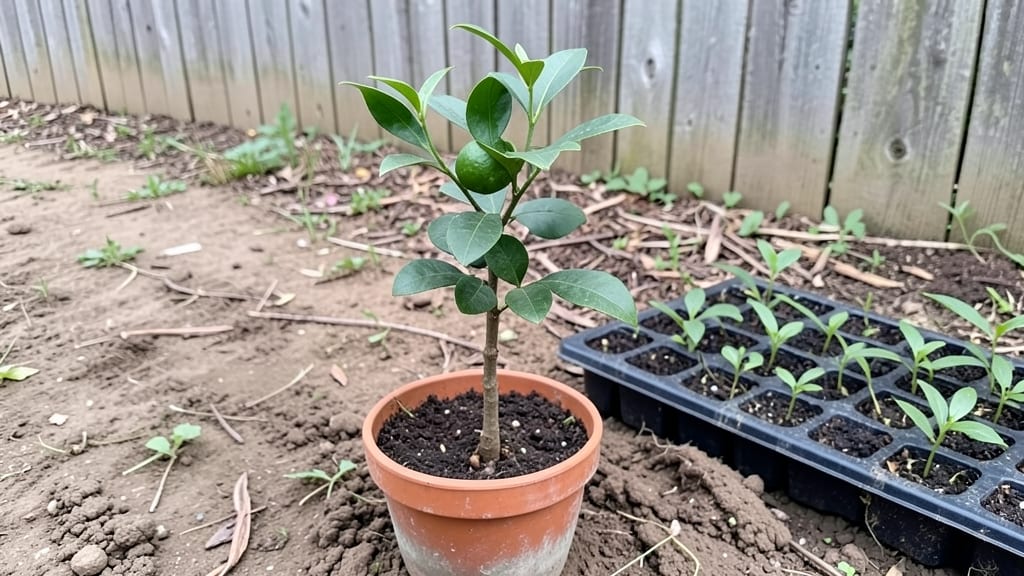
Growing a lime tree from seed turns your kitchen scraps into a sun-drenched promise of tropical fruit—six months from now, you could be harvesting your own zesty limes. 🌱 I’ve grown three from grocery store seeds, and the trick isn’t just patience—it’s mimicking the warm, humid conditions they crave from day one.
The first green shoot feels like magic, but the real reward? A fragrant, evergreen tree that keeps giving for decades.
You’ll need just three things: a warm spot (70°F+), a well-draining soil mix, and a spray bottle for gentle watering. No fancy tools—just a container, a seed, and sunlight. The hard part? Waiting. Lime seeds germinate in 2-4 weeks, but growth slows dramatically after the first year.
That’s why I recommend giving your seedling a head start indoors, then moving it outside only after the last frost—no rushed transitions.
By month six, you’ll have a 2-3 foot sapling with glossy leaves and the faint citrus scent of its ancestors. With proper care—regular pruning, balanced fertilizer, and winter protection—your tree could bear fruit in 3-5 years.
The first limes will be small, but the tangy burst of flavor makes every slow season worth it. Here’s how to keep it thriving.
Works best in USDA zones 9-11, but container growers in cooler climates can overwinter their trees indoors. The key? Never let it sit in cold drafts or dry air. With a little extra love, your lime tree will outlast you—and keep producing fruit for generations.
📚 In This Guide
- What you need
- Instructions
- Tips and common mistakes
- Wrapping up and next steps
What you need
- ● Lime seeds: 3–5 fresh, plump seeds (harvested from organic limes for best results). Pro tip: 💡 Rinse seeds to remove pulp before planting!
- ○ Biodegradable seed pots or small containers: 3–5 (4–6 inches deep) with drainage holes. Optional: Use a seed tray or even paper cups lined with coffee filters.
- ● Well-draining potting mix: 2–3 cups of a blend like cactus/succulent mix or regular potting soil mixed with perlite/vermiculite (1:1 ratio). Avoid heavy garden soil!
- ● Plastic wrap or clear lid: To create a humidity dome (or a clear plastic bag with holes).
- ● Spray bottle: For gentle watering (avoid soaking!).
- ● Sunlight access: A warm, bright spot (south-facing window or grow light).
- ○ Humidity tray (optional): A shallow tray with pebbles and water to boost moisture.
- ● Small hand trowel or spoon: For planting seeds gently.
- ○ Fertilizer (optional): Balanced liquid fertilizer (5-5-5 NPK) or fish emulsion once seedlings sprout. Wait until leaves appear!
- ● Pruning shears: For trimming future growth (not needed yet!).
- ○ Thermometer (optional): To monitor warmth (ideal: 70–85°F).
Step-by-step instructions for growing lime trees from seed
Here’s how to coax a citrus tree from a tiny seed—with patience and the right conditions.
🌱 Step 1: Extract and Prepare the Seed
Start with a fresh lime from the grocery store or your kitchen. Cut it in half and scoop out the seeds, removing any remaining pulp. Rinse them under cool water to remove all fruit residue—this prevents mold and speeds up germination. I like to spread them on a paper towel to dry for 12-24 hours before planting. This step is critical: damp seeds rot quickly, while dry ones may never sprout.
Once dry, place the seeds between two damp paper towels in a sealed plastic bag. Store them in a warm spot (75-85°F) for 3-5 days. You’ll know they’re ready when tiny white roots (½ inch long) appear—this is your signal to plant immediately. If left much longer, the roots will overgrow and break during transplanting.
🪴 Step 2: Plant in a Well-Draining Mix
Use a 4-inch pot filled with a mix of 50% potting soil and 50% perlite or coarse sand—this prevents root rot, which is the #1 killer of young citrus trees. Plant the seeds ½ inch deep, spacing them 1-2 inches apart in the pot. Water gently until the soil is moist but not soggy. I tap the pot lightly after planting to settle the soil without compacting it—this keeps roots from struggling to push through dense layers.
Cover the pot with clear plastic wrap or a humidity dome to retain warmth and moisture. Place it in bright, indirect light (no direct sun yet—young seedlings burn easily). Check daily for condensation on the plastic; if it’s dry, mist the soil lightly. Germination takes 2-4 weeks, but some seeds may take longer—don’t give up after two weeks.
☀️ Step 3: Transplant and Introduce Sun Gradually
Once seedlings reach 3-4 inches tall and have 2-3 true leaves (not the first tiny seed leaves), transplant them into individual 6-inch pots. Use the same well-draining mix. Handle the seedlings carefully—they’re fragile, and their roots are shallow. I like to use a small spoon to loosen the soil around the roots before transferring to avoid damaging them.
After transplanting, move the pots to a south-facing window or under a grow light for 12-14 hours daily. Increase sunlight exposure slowly over 1-2 weeks to prevent leaf scorch. You’ll see the leaves darken and thicken as they adapt—this is a good sign. Water when the top inch of soil feels dry, but avoid letting the pot sit in water. Citrus trees hate soggy roots.
✂️ Step 4: Prune and Fertilize for Strong Growth
When your lime tree reaches 12-18 inches tall, it’s time to prune. Pinch off the top set of leaves to encourage bushier growth—this mimics natural pruning in mature trees. Use clean, sharp scissors to make cuts just above a leaf node. I also remove any yellow or damaged leaves immediately; they drain energy from the plant. After pruning, apply a balanced citrus fertilizer (10-10-10) diluted to half strength every 4-6 weeks during spring and summer.
By 6 months, your seedling should be 2-3 feet tall with a sturdy trunk. If it’s leggy or pale, it needs more light—move it closer to a sunny window or supplement with a grow light. At this stage, you can also start hardening it off for outdoor planting (if your climate allows). Acclimate it to outdoor conditions over 2-3 weeks before moving it permanently.
Tips & tricks for growing lime trees from seed
A few strategic moves can make all the difference between a thriving lime tree and one that fizzles out. Here's what I've learned from watching dozens of seedlings grow—and fail.
Seedling Selection: Don't just grab any lime seeds! Choose seeds from organic limes or ones grown in warm climates—they tend to germinate faster and produce healthier seedlings. I've found that Persian limes (the most common grocery store variety) germinate best, but Meyer limes can be a fun experiment if you want a sweeter variety. The key is starting with the freshest seeds possible—pulp residue can delay germination by days.
Germination Environment: The warm spot you choose for your seeds matters more than you might think. I've tried everything from kitchen counters to sunny windowsills, but the most reliable spot is near a south-facing window where temperatures stay consistently between 75-85°F. If your home runs cooler, consider using a seedling heat mat ($10 at garden centers) underneath the plastic bag—it can cut germination time by nearly half. Just remember to remove it once roots appear.
Light Transition Strategy: When you're ready to move your seedlings to brighter light in Step 3, don't just plop them in direct sun. I've seen many beginners make this mistake and end up with crispy leaves. Instead, start with just 2 hours of direct morning sun, then gradually increase by 30 minutes each day. Think of it like sunbathing—you wouldn't go from zero to full sun exposure in one day either. A grow light on a timer is perfect for this gradual transition.
Pruning Technique: When you reach the pruning stage, don't just snip willy-nilly. Look for the leaf nodes—those little bumps where leaves attach—and make your cuts just above them at a 45-degree angle. This encourages new growth to sprout from exactly where you want it. I also recommend sterilizing your scissors with rubbing alcohol between cuts to prevent spreading any potential diseases from one plant to another.
Pro Tips for Grow Lime Tree From Seed
- A few strategic moves can make all the difference between a thriving lime tree and one that fizzles out.
- Seedling Selection: Don't just grab any lime seeds!
- Germination Environment: The warm spot you choose for your seeds matters more than you might think.
Frequently asked questions
Got questions about growing a lime tree from seed? You’re not alone! Here are answers to the most common queries—so you can skip the guesswork and focus on nurturing your tropical promise.
How long does it take for a lime seed to sprout?
A lime seed typically sprouts within 2–4 weeks if kept warm (70–85°F) and moist. Patience is key—some seeds may take up to 6 weeks. If nothing happens after 8 weeks, the seed might be non-viable. Try a fresh seed or adjust your germination setup (e.g., add a humidity dome or use a seedling heat mat).
Can I grow a lime tree indoors?
Lime trees thrive indoors with bright, indirect light (south- or west-facing windows) and 6+ hours of sunlight daily. Use grow lights if natural light is limited. Keep temperatures above 55°F and maintain humidity (a pebble tray or humidifier helps). Just expect slower growth and smaller fruit compared to outdoor trees.
When will my lime tree produce fruit?
Seed-grown lime trees usually take 5–10 years to bear fruit—far longer than grafted trees (which fruit in 3–5 years). For faster results, consider grafting a mature variety onto your seedling. If you’re impatient, opt for a nursery-bought sapling instead. Even if fruit takes years, enjoy the lush foliage and fragrant blossoms along the way!
Why is my lime seedling wilting or turning yellow?
Yellowing leaves (chlorosis) often signal overwatering, poor drainage, or nutrient deficiencies. Brown, crispy edges? It’s likely underwatering or low humidity. Check the soil—it should stay moist but not soggy. Repot if roots are crowded, and fertilize lightly with a balanced citrus formula (half-strength) every 2–3 months. Pests like spider mites can also stress seedlings; spray with neem oil if needed.
Can I eat fruit from a seed-grown lime tree?
Yes, but expect smaller, tart, and less flavorful limes compared to commercial varieties. Seed-grown trees are heirloom—their fruit may not match grocery-store limes in sweetness or size. For consistent, juicy limes, graft a known variety (like ‘Mexican’ or ‘Bearss’) onto your seedling. Even so, homegrown limes are a rewarding (and delicious!) project!
What’s the best climate for outdoor lime trees?
Lime trees love warm, tropical climates (USDA zones 9–11) with full sun and protection from frost. In cooler zones, grow them in large containers and move them indoors when temperatures drop below 40°F. They tolerate light freezes (28–32°F) but may suffer damage. Mulch heavily and water deeply before winter to help roots survive.
Wrapping up and next steps
Growing a lime tree from seed is a rewarding journey that brings the promise of fresh, homegrown fruit—if you’re patient and persistent! 🌱 With the right care, you’ll nurture a thriving sapling in just 6 months, setting the stage for years of tropical harvests.
The key lies in patience, consistency, and a little tropical love—so don’t hesitate to roll up your sleeves and start sowing!
Ready to take the next step? Plant your seeds today and watch your green thumb grow—literally! For extra guidance, check out our lime tree care guide to keep your tree flourishing. Happy gardening! 🌿✨