Trees
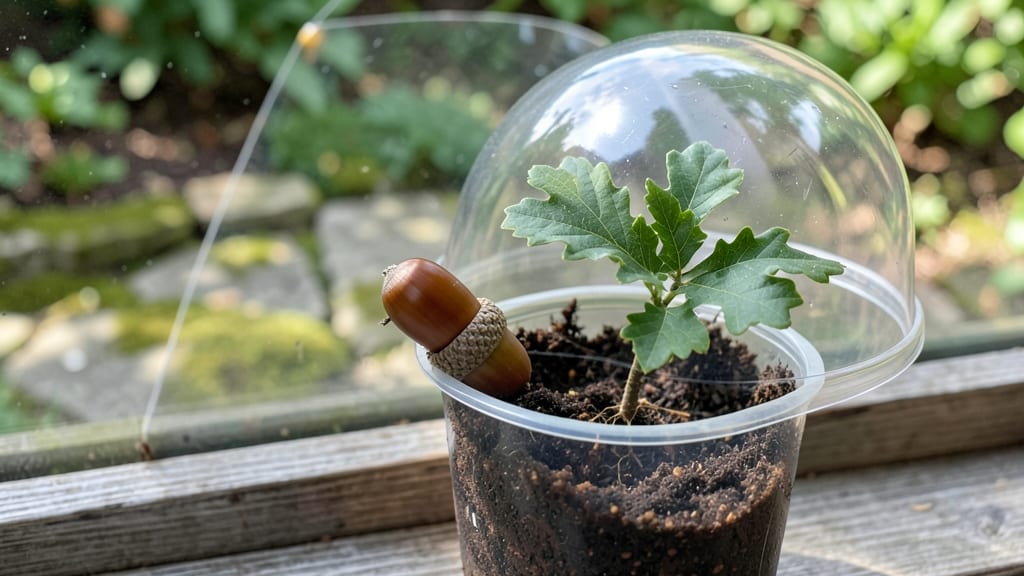
Oak trees start seed with a patience-testing process that feels like waiting for a slow-blooming friendship. 🌱 The journey begins with acorns—those glossy, cap-covered seeds that take years to mature—because nature designed them to resist quick germination.
Most acorns won’t even sprout until they’ve spent months buried in the soil, breaking down their tough outer shell in a process called stratification.
Here’s the thing—you can’t rush it. The acorn’s hard shell needs cold, moist conditions to weaken, usually requiring 60-90 days of chilling in damp soil or sand before it’ll even think about sprouting.
That’s why oak seedlings in the wild often take two full years to emerge, and some varieties need even longer. The key is mimicking nature’s timing: plant acorns in fall or stratify them artificially in the fridge.
When you finally do see a sprout, it’ll be tiny and fragile—think of a single blade of grass pushing through concrete. But that first leaf is just the beginning.
With proper soil (well-draining, slightly acidic) and consistent moisture, your young oak will grow just 3-6 inches in its first year. The real magic happens in the years after, when roots dive deep and the canopy begins to form.
Fair warning: oak trees aren’t for those who want instant gratification. But if you’re willing to wait, you’ll end up with a century-old giant that outlives generations.
The secret? Start with fresh, plump acorns, plant them deep (2-3 inches), and never disturb the soil around them. Patience, after all, is the gardener’s greatest tool.
📚 In This Guide
- What you need
- Instructions
- Tips and common mistakes
- Wrapping up and next steps
What you need
- ● Fresh oak acorns: Gather mature, healthy acorns (preferably from white oak or red oak varieties). Aim for 20–50 acorns for best results—more = higher success rate!
- ● Well-draining potting mix: Use a blend of 50% peat moss or coco coir and 50% perlite or coarse sand (sterilized). Avoid heavy garden soil—oaks hate soggy roots!
- ● Small pots or seed trays: Choose containers with drainage holes (3–4 inches deep). 6–8 inch pots work well for individual acorns.
- ● Plastic wrap or humidity dome: A clear plastic bag or propagator lid to maintain moisture during early germination.
- ● Spray bottle: For gentle watering—no soaking! Acorns need moisture, not drowning.
- ● Patience (and a calendar): Oak seeds can take 30–60 days (or longer!) to germinate. Mark your pots to track progress!
- ● Stratification setup: A refrigerator (for cold stratification) or outdoor cold frame to mimic winter conditions if sowing indoors.
- ● pH testing kit: Oak seeds prefer slightly acidic soil (pH 5.5–6.5). Adjust with lime or sulfur if needed.
- ● Grow lights or sunny windowsill: Seedlings need bright, indirect light (6+ hours/day) once sprouted.
- ● Label markers: Track varieties and planting dates—oaks can look alike at first!
- ● Compost or worm castings: A small handful mixed into soil boosts nutrient uptake for young seedlings.
Step-by-step guide to understanding oak seed germination
Oak trees don’t rush germination—they play the long game. Here’s how nature’s slow process works.
🌱 Step 1: Acorns Fall and Undergo Stratification
Oak seeds (acorns) begin their journey when they drop from the tree in fall. The hard outer shell protects the seed but also requires 6-12 months of cold, moist conditions—a process called stratification—before germination begins. During this time, the acorn absorbs water and softens, preparing the embryo for growth.
This natural delay prevents mass germination in a single season. If you’re mimicking nature, store acorns in a moist, cool (35-45°F) environment like a refrigerator for 3-6 months before planting. You’ll know stratification is working when the shell cracks slightly or you see a tiny root emerging.
☀️ Step 2: Warmth and Moisture Trigger Sprouting
Once stratification completes, warmth and consistent moisture kickstart germination. Plant acorns 1-2 inches deep in well-draining soil—oaks hate soggy roots. The ideal soil temperature for sprouting is 60-70°F, mimicking spring conditions. You’ll notice the first sign of life when a white root (radicle) emerges, followed by a tiny shoot.
Don’t rush this step. Overwatering or planting too shallow can lead to rot or drying out. Keep soil evenly moist (not waterlogged) and watch for first true leaves—a sign the seedling is establishing roots. This can take 4-8 weeks depending on temperature and moisture.
🌿 Step 3: Seedlings Develop and Establish Roots
Young oak seedlings grow slowly—expect only 2-4 inches of height in their first year. The key to survival is deep root development. Oak roots spread widely to access nutrients, so avoid disturbing them. If growing from acorns, you’ll likely see two types of leaves: the first are small and simple, while later leaves are lobed (like mature oaks).
This is where patience pays off. Oak seedlings need 3-5 years before they’re strong enough to transplant. If you’re growing them in containers, use 6-inch pots and keep them in partial shade until they’re 2-3 feet tall. You’ll know they’re thriving when new leaves appear every 2-3 weeks in spring.
⏰ Step 4: Transplanting and Long-Term Care
Transplant oak seedlings in early spring when they’re 2-3 years old and have multiple sets of leaves. Choose a sunny, sheltered spot with well-draining soil—oaks despise competition from weeds or other plants. Dig a hole twice as wide as the root ball but no deeper, then water deeply to settle the soil.
After planting, mulch around the base (but not touching the trunk) to retain moisture and suppress weeds. Oaks are drought-tolerant once established, but young trees need regular watering (every 1-2 weeks) during dry spells. You’ll see rapid growth spurts in their 4th-6th years, signaling they’re finally ready to thrive independently.
Tips & tricks for perfect oak seed germination
Nature's timing for oak seed germination is precise—here's how to align your efforts with these ancient rhythms.
Stratification Strategy: For best results, mimic natural conditions by storing acorns in a sealed container with damp (not soaking) peat moss or vermiculite. Place this setup in your refrigerator's crisper drawer, where temperatures hover around 35-45°F. This cold, moist environment breaks down the seed's natural dormancy—just like winter would in the wild. Check monthly for the telltale shell cracks that signal readiness to plant.
Planting Depth Matters: The 1-2 inch planting depth specified isn't arbitrary—it protects emerging roots from drying while keeping the seedling anchored. Use a dibble or pencil to create precise holes, then gently tap the acorn into place. Pressing too firmly can compact soil around the seed, while planting too shallow risks exposure to temperature swings. A simple tap with your finger ensures proper placement without damage.
Moisture Management: Oak seedlings despise soggy conditions, but they also can't tolerate dry spells during their critical first 8 weeks. The key is consistent moisture—water when the top inch of soil feels dry to the touch. Use a spray bottle for young seedlings to avoid disturbing the soil surface. A clear plastic dome or plastic bag creates a mini greenhouse effect while preventing overwatering.
Transplanting Timing: Wait until your seedlings show multiple sets of leaves and reach 2-3 feet tall before transplanting—this ensures they've developed strong enough roots to handle the stress. Early spring transplanting gives seedlings the entire growing season to establish before winter. Mark their location with biodegradable flags so you can find them again after new growth obscures their position.
Pro Tips for How Does Oak Trees Start Seed
- Nature's timing for oak seed germination is precise—here's how to align your efforts with these ancient rhythms.
- Stratification Strategy: For best results, mimic natural conditions by storing acorns in a sealed container with damp (not soaking) peat moss or vermiculite.
- Planting Depth Matters: The 1-2 inch planting depth specified isn't arbitrary—it protects emerging roots from drying while keeping the seedling anchored.
Frequently asked questions
Got questions about oak tree seeds?
You’re not alone! Here are the most common queries—and straightforward answers—to help you navigate the slow but fascinating world of oak seed germination.
How long does it take for an acorn to sprout?
Oak trees are patient—some acorns take 6 to 18 months to germinate, even longer in cold climates. This dormancy is natural! Store acorns in a damp paper towel in the fridge (stratification) to speed up the process. Learn more about stratification.
Why won’t my acorns sprout?
Acorns need three key things to break dormancy: moisture, cold (stratification), and time. If yours aren’t sprouting, check for hard, unbroken shells (file the base to expose the seed) or rotting (discard moldy acorns). Here’s a quick fix guide.
Can I plant acorns straight from the tree?
Not ideal! Fresh acorns often lack the cold treatment they need to germinate. For best results, stratify them (mimic winter) for 2–3 months before planting. Skip this step, and you might wait years for a sprout—or never see one!
Do all oak trees produce acorns?
Most do, but not all acorns are viable. Look for plump, brown acorns with a smooth cap (not shriveled or worm-eaten). Red oaks (like Quercus rubra) produce acorns that germinate faster than white oaks (e.g., Quercus alba). Always test a few!
What’s the best way to grow an oak tree from seed?
Follow this simple method:
- File the acorn’s base to break dormancy.
- Stratify in damp sand or a paper towel at 35–40°F (2–4°C) for 2–3 months.
- Plant in well-draining soil, 1 inch deep, in spring.
- Keep moist but not soggy—oaks hate “wet feet.”
Wrapping up and next steps
Understanding how oak trees start seeds reveals nature’s patient magic—a slow, deliberate process that ensures resilience and beauty for generations. From acorn production to germination, each step relies on timing, conditions, and a little luck.
Whether you’re a gardener, nature enthusiast, or curious learner, this knowledge empowers you to nurture these majestic trees or simply appreciate their journey.
Ready to take the next step? Plant an acorn today—give nature a helping hand by creating ideal conditions for growth. Who knows? You might just witness the start of a future oak forest! 🌱🌳