
Pruning
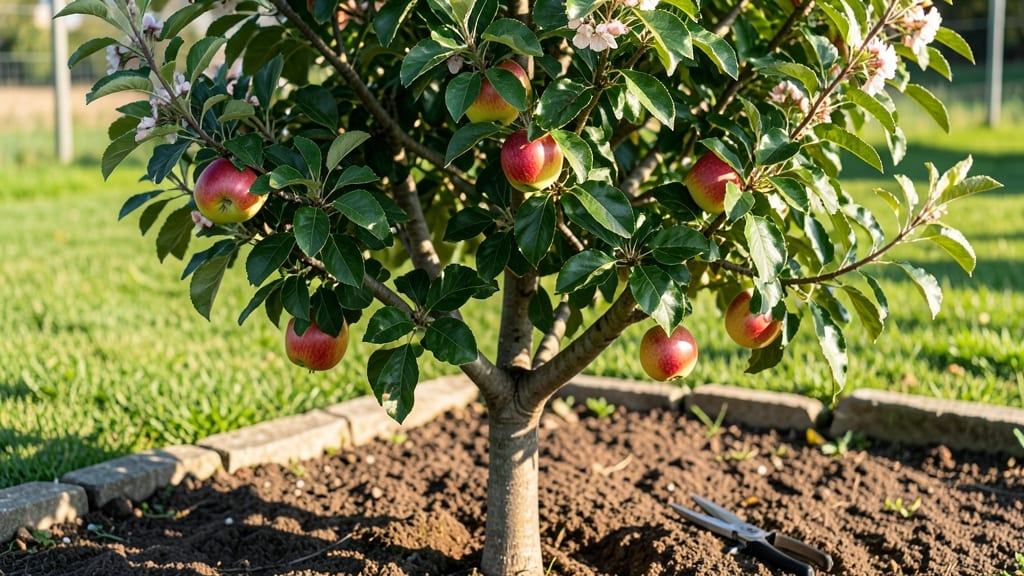
The Galarina apple tree thrives in Pacific Northwest winters, where most varieties would shiver—its crisp, honey-sweet flavor and sturdy branches make it the unsung hero of cold-climate orchards.
I planted mine three years ago after my last Honeycrisp tree gave up in a late frost, and now it’s the star of our fall harvest. The secret? Pruning it right before winter sets in, which keeps it compact, productive, and frost-proof.
This variety handles 15°F temps like a champ, but its real magic is in how it grows: semi-dwarf habit means you can tuck it into smaller yards without sacrificing fruit.
Feed it well-draining soil with a touch of compost, water deeply once a week (more in summer), and you’ll see glossy leaves and hundreds of apples by September. The flavor? Tart-sweet with a honeyed finish—perfect for fresh eating or cider.
Pruning isn’t just about shaping—it’s about survival. In late winter, cut back one-third of last year’s growth to open the center for airflow and sunlight, which prevents rot and encourages stronger branches.
By summer, you’ll have a tree that’s disease-resistant, frost-hardy, and loaded with fruit. The best part? Galarinas store well, so you’ll enjoy them through winter too.
Whether you’re a backyard grower or a homestead orchard builder, this tree delivers reliable harvests with minimal fuss. The key is timing: prune after dormancy but before buds swell, and you’ll set yourself up for years of cold-hardy success. Ready to grow your own frost-proof orchard? Let’s get to work.
📚 In This Guide
- What you need
- Instructions
- Tips and common mistakes
- Wrapping up and next steps
What you need
- ● Pruning shears: Bypass pruners (sharp, clean, and sterilized with rubbing alcohol). Quantity: 1 pair (or 2 for large branches).
- ● Loppers: For branches ½–1½ inches thick. Quantity: 1 pair.
- ● Pruning saw: For thick branches (1½+ inches). Quantity: 1.
- ● Gloves: Heavy-duty, cut-resistant (to protect from thorns and sap). Quantity: 1 pair.
- ○ Disposable pruning bags: For collecting debris (optional but highly recommended to prevent disease). Quantity: 2–3 bags.
- ● Rubbing alcohol (70%+) or bleach solution: To sterilize tools between cuts. Quantity: Small bottle or spray.
- ○ Pruning sealant (optional but helpful): For large cuts (>¾ inch) to prevent disease. Quantity: Small tube.
- ● Ladder or step stool: For high branches (ensure it’s stable and rated for your weight). Height: Adjustable or tall enough to reach the tree’s canopy.
- ● Notebook & pencil: To sketch the tree’s structure and mark cuts. Bonus: Use a pruning map template for beginners!
- ● Tree wound paint: Alternative to sealant (e.g., Tanglefoot Tree Wound Pruning Seal).
- ● Extension pole pruners: For hard-to-reach branches without a ladder.
- ● Safety glasses: Protect your eyes from debris.
- ● Tree growth regulator (e.g., Fruitone):** Apply post-pruning to encourage healthy regrowth (check label for Galarina compatibility).
- ● Weather check: Prune on a dry, calm day (avoid rain or wind for 24 hours before/after).
Instructions for pruning a Galarina apple tree in the Pacific Northwest
This blueprint ensures your frost-resistant Galarina thrives through PNW winters and produces abundant fruit.
Time Your Pruning for Optimal Growth
Prune your Galarina apple tree during its dormant season, which in the Pacific Northwest typically spans from late winter through early spring—between late February and mid-March. This timing allows the tree to heal before the growing season begins, reducing stress and preventing disease entry points. Avoid pruning in fall, as late-season cuts can expose fresh wounds to fungal spores that thrive in the damp PNW climate.
If you missed the dormant season window, wait until just after the tree blooms in spring. Never prune during active fruit growth, as this can stunt production and weaken the tree. Look for bare branches with no leaves or buds—this is your visual cue that it’s safe to prune.
Assess and Remove Dead or Diseased Wood
Begin by identifying and removing any dead, diseased, or crossing branches. Dead wood appears brittle and snaps easily when bent, while diseased branches may show signs of cankers, discoloration, or oozing sap. Use sharp, clean pruning shears to make 45-degree cuts just outside the branch collar—the swollen area where the branch meets the trunk. This ensures proper healing and prevents water from pooling in the wound.
Crossing branches compete for sunlight and nutrients, weakening the tree. Remove one of the two branches where they intersect, cutting back to a lateral branch or bud. If a branch is rubbing against another, trim it back to avoid future damage. Always sterilize your tools with rubbing alcohol between cuts to prevent spreading disease.
Thin the Canopy for Airflow and Light Penetration
Thin the canopy by selectively removing branches that are too dense or crowded. Aim to create an open, vase-like structure that allows sunlight to reach the center of the tree and air to circulate freely. This reduces humidity inside the canopy, lowering the risk of fungal diseases like apple scab, which is common in the PNW’s wet climate. Focus on removing branches that grow inward or downward, as these block light and air.
Leave only the strongest, outward-facing branches that form a natural framework. Prune back to a lateral branch or bud that faces the direction you want the new growth to go. Avoid over-thinning—maintain a balance so the tree retains its ability to produce fruit while staying structurally sound. A good rule of thumb is to remove no more than 25% of the tree’s foliage in a single pruning session.
Shape for Frost Resistance and Fruit Production
Shape the tree to promote frost resistance by encouraging an open center and strong scaffold branches. The Galarina’s frost-hardy nature means it can handle colder temperatures, but proper pruning ensures it doesn’t suffer from winter damage. Focus on developing a central leader (a strong, vertical trunk) with well-spaced branches that angle outward. Remove any branches that grow too upright, as these are more prone to breaking under snow or ice load.
Shorten overly vigorous branches by cutting back to a lateral bud or branch. This redirects energy to fruit production rather than excessive vegetative growth. Pay special attention to the lower branches—removing some of these can improve airflow and reduce the risk of frost pockets forming near the ground. After pruning, apply a thin layer of wound dressing (like pruning sealant) to larger cuts to protect them from pathogens.
Clean Up and Monitor for New Growth
After pruning, rake up and dispose of all debris, including fallen branches and clippings. Leaving these on the ground can harbor pests and diseases, which may reinfect the tree. Sterilize your tools again to ensure they’re clean for future use. Water the base of the tree deeply to help it recover, especially if the winter was particularly dry. Monitor the tree closely in the weeks following pruning for signs of stress, such as wilting or yellowing leaves.
New growth should emerge within 4-6 weeks of pruning, signaling that the tree is healing well. If you notice excessive dieback or signs of disease, adjust your pruning approach for the following season. Regular monitoring and pruning will keep your Galarina apple tree healthy, productive, and resilient to the PNW’s challenging climate.
Tips & tricks for pruning a frost-resistant Galarina apple tree
Pruning your Galarina apple tree properly can transform its health and fruit production—here’s how to avoid common pitfalls and elevate your results.
Timing is Everything: The late February to mid-March window for pruning is non-negotiable for PNW climates. If you’re unsure about the exact timing, check for bare branches without buds—this is your visual cue that the tree is truly dormant. I once pruned too early in January, and the fresh cuts struggled to heal before the growing season began. The tree’s ability to seal wounds properly is directly tied to its dormant state.
Branch Angle Matters: When making your 45-degree cuts in Step 2, focus on the branch collar—the swollen area where the branch meets the trunk. This isn’t just about aesthetics; cutting too close to the trunk can create a permanent entry point for diseases. I learned this the hard way when a poorly made cut led to a persistent canker that took years to resolve. Always make your cut just outside this collar for optimal healing.
Canopy Balance is Key: In Step 3, when thinning the canopy, aim for that open vase shape where sunlight can reach the center. I’ve seen many trees where overzealous pruning left the center too bare, while dense lower branches created dark, humid pockets perfect for fungal growth. The 25% foliage rule is a great guideline—if you’re removing more than that, you’re likely over-pruning. Think of it as creating a well-ventilated greenhouse for your tree.
Frost Resistance Strategy: For Step 4’s frost resistance focus, pay special attention to those lower branches. Removing some of them can actually improve your tree’s resilience by preventing frost pockets from forming near the ground. I’ve noticed that Galarina trees with well-spaced lower branches handle our PNW winters significantly better. And while wound dressing isn’t mandatory, I’ve found it particularly helpful for larger cuts—just apply it sparingly to avoid suffocating the healing tissue.
Pro Tips for Galarina Apple Tree
- Pruning your Galarina apple tree properly can transform its health and fruit production—here’s how to avoid common pitfalls and elevate your results.
- Timing is Everything: The late February to mid-March window for pruning is non-negotiable for PNW climates.
- Branch Angle Matters: When making your 45-degree cuts in Step 2, focus on the branch collar—the swollen area where the branch meets the trunk.
Frequently asked questions
Got questions about pruning your Galarina apple tree? You’re not alone—this cold-hardy variety thrives in the Pacific Northwest but needs the right care to flourish. Here are answers to the most common queries to keep your tree healthy and productive!
How cold-hardy is the Galarina apple tree, and does it need extra winter protection?
The Galarina is one of the toughest apple varieties, surviving down to -25°F (-32°C) without issues. However, young trees (<3 years old) or those in exposed areas may benefit from a light layer of mulch (3–4 inches) around the base. Avoid heavy snow buildup on branches—gently shake it off to prevent breakage.
When is the best time to prune a Galarina apple tree in the PNW?
Prune during late winter or early spring (February–March), just before buds swell but before new growth starts. This timing minimizes disease risk and promotes strong spring growth. Avoid pruning in fall—wet conditions can invite fungal infections.
What’s the ideal pruning strategy for a Galarina tree to maximize fruit production?
Focus on an open-center or central-leader shape to improve airflow and sunlight penetration. Remove:
- Dead, diseased, or crossing branches (cut back to the collar).
- Suckers (shoots growing from the base or graft union).
- Water sprouts (rapidly growing vertical shoots).
Can I grow a Galarina apple tree from seed, or should I buy a grafted tree?
While you can grow Galarina from seed, the resulting tree won’t be true to the parent variety—it may take years to fruit (if ever) and could have vastly different traits. Always buy a grafted tree from a reputable nursery to ensure disease resistance, cold hardiness, and reliable fruiting.
What pests or diseases should I watch for in a Galarina apple tree, and how do I prevent them?
Galarinas are disease-resistant, but watch for:
- Coddling moths: Use pheromone traps in late spring.
- Apple maggots: Apply row covers during bloom.
- Fire blight (rare): Prune infected branches 6 inches below the lesion and sterilize tools with rubbing alcohol.
How long does it take for a Galarina apple tree to bear fruit after planting?
With proper care, a grafted Galarina will typically produce its first small crop in 3–5 years. Full production (10–20 lbs of fruit per tree) usually occurs by year 5–7. Patience pays off—these trees reward you with juicy, disease-resistant apples for decades!
Wrapping up and next steps
The Galarina apple tree is a game-changer for Pacific Northwest gardeners, blending hardiness, productivity, and beauty in one frost-resistant package. By mastering the pruning techniques outlined here—from open-center shaping to disease prevention—you’ll unlock a bountiful harvest year after year. 🌿✂️
Ready to transform your orchard? Grab your tools, follow the blueprint, and watch your Galarina thrive! Next up: Monitor your tree’s growth, adjust pruning as needed, and enjoy the sweet rewards of your hard work. Happy pruning!