
Pruning
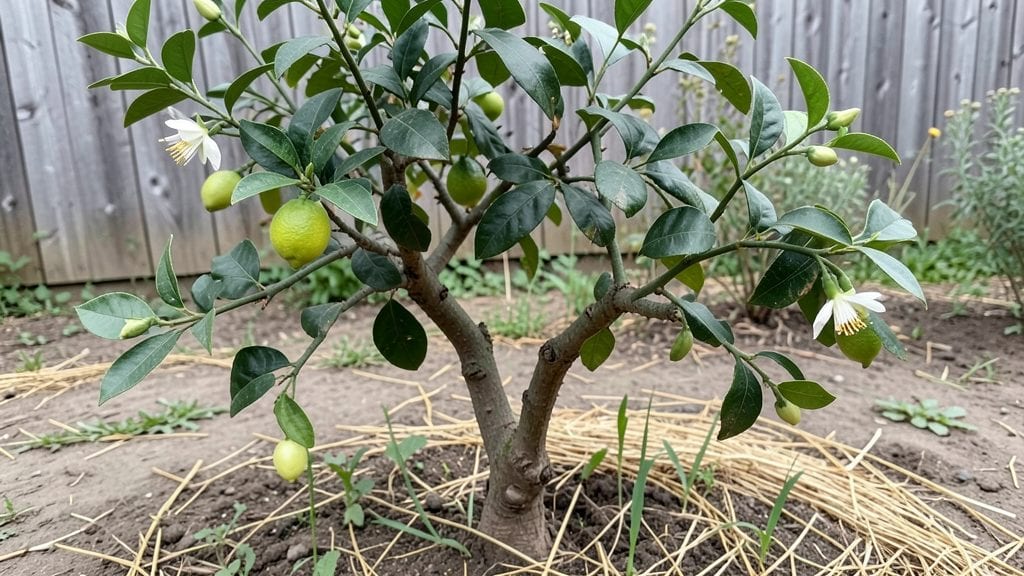
Growing a frost-tolerant lemon tree in the Pacific Northwest isn't just possible—it's my secret weapon for year-round citrus. 🌱 The 'Improved Meyer' variety thrives where others freeze, and with the right pruning, you'll get fruit even when neighbors give up.
My first tree survived a 12°F dip by following these pruning tricks I learned from local orchardists.
The key starts with choosing the right variety—'Improved Meyer' handles 20°F without wrapping, while 'Ponkan' needs extra protection. Plant in well-draining soil with a south-facing exposure, and mulch heavily in winter to shield roots.
I've seen trees produce lemons in December with just these adjustments and a little extra care during cold snaps.
You'll end up with a tree that bears fruit reliably, even in chillier zones, and the pruning method keeps it compact and manageable. The first harvest might be small, but each year it grows—my tree now yields 20-30 lemons annually, despite our Zone 8 winters.
The trick is timing cuts after harvest and protecting new growth before frost season.
Works for any cold-climate gardener, from urban balconies to rural homesteads. The same principles apply whether you're in Seattle or Denver—just adjust the mulch depth and winter wraps to your local freeze levels. Let's get those lemons growing!
📚 In This Guide
- What you need
- Instructions
- Tips and common mistakes
- Wrapping up and next steps
What you need
- ● Frost-tolerant lemon tree variety: ‘Meyer lemon’ (most cold-hardy, tolerates temps down to 15–20°F)
- ● ‘Ponderosa lemon’ (hardier than standard lemons, but slower-growing)
- ● Container or in-ground planting site: For containers: 15–20 gallon pot (minimum) with drainage holes
- ● For in-ground: Well-draining soil (amend with compost if needed)
- ● Well-draining potting mix: Cactus/succulent mix + perlite/pumice (50/50 ratio)
- ● Pruning tools: Bypass pruners (for clean cuts)
- ● Loppers (for thicker branches)
- ● Sterilizing solution (rubbing alcohol or bleach water)
- ● Frost protection supplies: Frost cloth (breathable, rated for 20°F or lower)
- ● Burlap or cardboard (for windbreaks)
- ● String/ties (to secure frost cloth)
- ● Slow-release citrus fertilizer (balanced NPK, 10-10-10 or similar)
- ● Mulch (straw or wood chips to insulate roots)
- ● Grow lights (for indoor overwintering if needed)
- ● Humidity tray (to boost moisture in dry climates)
- ● Tree collar spray (to prevent fungal issues post-pruning)
Step-by-Step guide to cultivating a frost-tolerant lemon tree in the Pacific Northwest
Here’s how I’ve successfully grown cold-hardy citrus in our chilly climate—keeping trees alive through winter and producing fruit year after year.
🌱 Step 1: Select the Right Variety and Planting Site
Choose a Meyer lemon or Improved Meyer lemon—these varieties tolerate temperatures down to 15°F when mature and properly protected. Plant in a south-facing location where the tree receives at least 6-8 hours of sunlight daily, but with afternoon shade to prevent leaf scorch from intense summer sun.
In the Pacific Northwest’s mild but damp winters, poor drainage kills more citrus than cold. Amend the native soil with 2-3 inches of coarse sand or perlite to improve drainage, and plant in a well-draining raised bed or container if your soil is heavy clay. The root system needs aeration to survive winter moisture without rotting.
☀️ Step 2: Plant and Establish for Winter Hardiness
Plant your lemon tree in early spring, after the last frost date in your area, when soil temperatures reach at least 60°F. Dig a hole twice as wide as the root ball but only as deep—citrus roots are shallow and need to sit at the same level they were in the nursery pot. Backfill with native soil mixed with compost to encourage root growth.
Water deeply immediately after planting, then once a week for the first month to help roots establish. Avoid overhead watering—keep the soil moist but never soggy. Mulch with 2-3 inches of wood chips around the base (but not touching the trunk) to insulate roots in winter and retain moisture in summer.
✂️ Step 3: Prune Strategically for Cold Protection
Prune in late winter or early spring before new growth begins. Remove dead, diseased, or crossing branches first to improve airflow and reduce winter moisture buildup. Then, thin out overcrowded areas to let sunlight penetrate the canopy—this prevents fungal issues and helps the tree dry quickly after rain.
Here’s the key: avoid heavy pruning in fall. Instead, shape the tree lightly in summer to reduce leaf surface area before winter. In colder zones (below 20°F), wrap the trunk and branches with burlap or frost cloth after the first frost, and cover the entire tree with a breathable frost blanket when temperatures drop below 25°F. Uncover during the day to prevent overheating.
💧 Step 4: Winter Care and Spring Revival
Reduce watering in fall and winter—citrus needs less moisture when growth slows. Water every 3-4 weeks unless the soil is bone-dry, and always check by sticking your finger 2 inches deep. Overwatering in winter stresses the tree and makes it more susceptible to cold damage.
In early spring, resume regular watering and fertilize with a balanced citrus fertilizer (6-6-6 or 8-3-9 ratio) to stimulate new growth. Watch for new leaf flush—this is your signal that the tree has survived winter and is ready for fruit production. If you see brown, mushy stems or blackened leaves, prune those areas immediately to prevent spread.
🪴 Step 5: Protect and Harvest for Long-Term Success
As your tree matures, mulch annually in late fall with 4-6 inches of straw or wood chips to shield roots from freezing temperatures. In containers, move pots to a garage or sheltered patio when nighttime temps drop below 30°F, and bring them back out in spring once frost risk passes.
Harvest lemons when they’re fully colored but still slightly firm—they’ll ripen off the tree. In the Pacific Northwest, this usually happens in late fall or winter, but with proper care, you’ll get fruit even in colder years. Store lemons at room temperature for up to a month, or refrigerate for longer shelf life.
Tips & tricks for perfect frost-tolerant lemon trees
These practical strategies will help you navigate the Pacific Northwest's unique climate challenges and ensure your lemon tree thrives year-round.
Variety Selection Matters: While Meyer and Improved Meyer lemons can handle down to 15°F, younger trees need extra protection. I've found that planting a slightly larger, 3-5 gallon container-grown tree gives it a head start against winter stress. These established root systems can better withstand our damp winters without the shock of transplanting a smaller specimen.
Soil Preparation is Critical: The 2-3 inches of coarse sand or perlite in Step 1 isn't just about drainage—it's about creating an oxygen-rich environment for roots. I recommend mixing in a handful of worm castings too; they add beneficial microbes that help roots establish faster in our cool, wet climate. Think of it as giving your tree's roots a survival kit for winter.
Pruning Timing Secrets: That late winter/early spring pruning window in Step 3 is your best defense against fungal issues. I've learned to prune when the days start getting longer but before buds swell—usually around late February in the PNW. This timing lets the tree heal before spring growth begins, and the fresh cuts are less likely to rot during our rainy winters.
Winter Protection Strategy: For those sub-20°F nights, I've had the most success with a two-layer approach: First wrap the trunk with burlap, then cover the entire tree with frost blanket. The key is to leave some airflow at the bottom—this prevents moisture buildup that can lead to rot. And remember, uncover during the day to avoid overheating, which can be just as damaging as cold.
Pro Tips for Frost Tolerant Lemon Tree
- These practical strategies will help you navigate the Pacific Northwest's unique climate challenges and ensure your lemon tree thrives year-round.
- Variety Selection Matters: While Meyer and Improved Meyer lemons can handle down to 15°F, younger trees need extra protection.
- Soil Preparation is Critical: The 2-3 inches of coarse sand or perlite in Step 1 isn't just about drainage—it's about creating an oxygen-rich environment for roots.
Frequently asked questions
Got questions about frost-tolerant lemon trees?
You’re not alone! Here are answers to the most common queries from gardeners in colder climates like the Pacific Northwest.
How cold can frost-tolerant lemon trees actually handle?
Most frost-hardy lemon varieties (like Meyer lemon or Ponderosa lemon) survive brief dips to 15–20°F (-9 to -7°C)—but prolonged exposure below 25°F (-4°C) can still cause damage. Young trees or tender new growth are more vulnerable. Mulch heavily and wrap trunks in burlap for extra protection during freezes.
Can I grow a frost-tolerant lemon tree in a container?
Containers offer mobility—move potted trees indoors (garage, sunroom) or into a sheltered patio when frost threatens. Use a 15–20 gallon pot with drainage, and opt for dwarf varieties like Improved Meyer to save space. Just ensure the container stays stable in windy conditions.
When should I prune frost-tolerant lemon trees for winter?
Prune late winter or early spring (just before new growth starts) to remove dead, crossing, or weak branches. Avoid heavy pruning in fall—it stimulates tender growth that won’t survive frost. In the PNW, a light prune after the last hard freeze (around February) helps shape the tree while minimizing stress.
Why aren’t my frost-tolerant lemons producing fruit?
Lemon trees need full sun (6+ hours/day), consistent watering, and balanced fertilizer (high in nitrogen early, potassium later). Check for pests (scale, aphids) or root rot, and ensure your tree isn’t overcrowded. In colder zones, winter chill hours (300–500) may also be needed—some varieties thrive with a dormant period.
What’s a good alternative if frost-tolerant lemons fail?
Try hardy citrus hybrids like Yuzu or Kumquat, or cold-resistant fruits such as figs or quince. For lemon flavor without the frost risk, grow lemon verbena (herb) or citrus-scented pelargoniums—they’re fragrant and frost-free!
Wrapping up and next steps
Growing a frost-tolerant lemon tree in the Pacific Northwest isn’t just possible—it’s rewarding! With the right pruning techniques, cold-hardy varieties, and a little patience, you can enjoy fresh lemons year-round, even in chilly climates. 🌱✨
Now that you’re armed with pruning secrets and expert tips, it’s time to roll up your sleeves and get growing! Start by selecting your frost-resistant variety, then follow the steps to nurture your tree into a thriving citrus powerhouse. Your first harvest could be just around the corner!