
Pruning
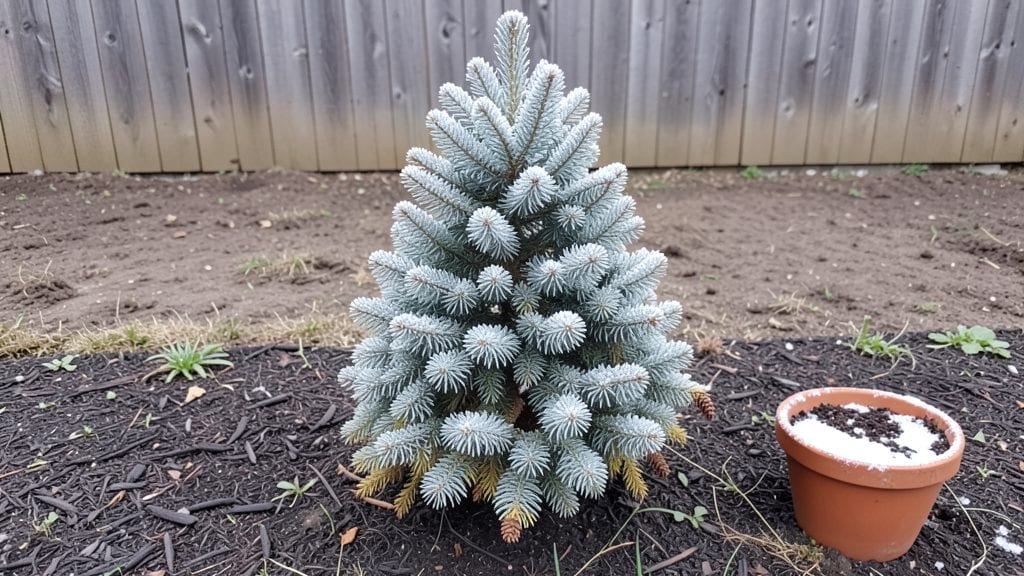
A living Christmas tree isn’t just a holiday decoration—it’s a year-round investment that keeps giving with the right care. I’ve learned the hard way that skipping the basics leads to needle drop and stress, but the payoff—a healthy, fragrant tree for decades—makes it worth every effort.
The key lies in choosing the right species, like Nordmann firs, which handle indoor conditions better than traditional cuts, and understanding their seasonal needs.
Start by planting in early fall when roots establish before winter, and always pick a container that’s 30% wider than the root ball. Watering is critical: keep soil moist but never soggy, and mist the needles weekly to combat dry indoor air.
Fraser firs, while stunning, need cooler temperatures—so if your home runs warm, a Nordmann might be the smarter choice.
After the holidays, transition the tree outdoors gradually to avoid shock, and prune only to shape, never to "refresh" it like a cut tree. With proper light—6+ hours of indirect sun daily—and occasional fertilizer, your tree will reward you with vibrant green needles for 10+ years.
The secret? Treating it like a houseplant in winter and a shade-loving outdoor tree in summer.
Common mistakes—like overwatering or placing it near heat vents—can shorten its lifespan dramatically. But when done right, your living Christmas tree becomes a heirloom, passed down through generations. Here’s how to make it thrive year after year, indoors and out.
📚 In This Guide
- What you need
- Instructions
- Tips and common mistakes
- Wrapping up and next steps
What you need
- ● 1 healthy evergreen tree (e.g., Norfolk Island pine, Leyland cypress, or dwarf Alberta spruce—choose a slow-growing variety for indoor life).
- ● 1 large, well-draining pot (at least 12–18 inches in diameter, with drainage holes).
- ● High-quality potting mix (use a well-draining blend like cactus/succulent mix or peat-based soil with perlite).
- ● Pruning shears (sharp, clean, and sterilized with rubbing alcohol).
- ● Watering can or spray bottle (for gentle hydration).
- ● Slow-release fertilizer (e.g., osmocote or a balanced 10-10-10 formula).
- ○ Tree stand or support (optional but helpful for stability).
- ● Gloves (to protect hands from sap and sharp branches).
- ● Mulch or decorative stones (for a polished look in the pot).
- ● LED string lights (battery-operated for safety).
- ● Humidifier or pebble tray (to combat dry indoor air).
- ○ Pruning sealant (optional, for sealing large cuts).
- ● A sunny spot (near a window or under grow lights for 4–6 hours of indirect light daily).
- ● Commitment to weekly misting and monthly pruning to keep your tree thriving.
- ● Patience! Some trees take 2–4 weeks to adjust to indoor conditions.
Step-by-Step instructions for growing a living Christmas tree
Here's how to cultivate a thriving, low-maintenance Christmas tree that brings joy year after year.
🪴 Step 1: Select and Prepare the Right Tree Species
Choose a slow-growing conifer like Fraser fir, Nordmann fir, or Scotch pine—these handle pruning best. Look for a 4-6 foot tall specimen with a straight trunk and full, symmetrical branches. Avoid trees with brown needles or sparse growth, as these won't recover well from pruning. I always buy from a reputable nursery in early fall, giving the tree 8-12 weeks to establish before the holidays.
Once home, place the tree in a large container (at least 18 inches in diameter) filled with well-draining potting mix. The root ball should sit 1-2 inches below the container rim—this prevents waterlogging while keeping the tree stable. Water deeply until moisture drains from the bottom, then let it sit in a cool (50-60°F), shaded spot for 3-5 days to reduce transplant shock.
🌿 Step 2: Prune for Shape and Health
Pruning a living Christmas tree is all about thinning, not shearing. Use clean, sharp pruning shears to remove 10-15% of the interior growth—focus on crossing branches, dead wood, and any limbs growing toward the trunk. I start at the bottom third of the tree, working upward, to encourage a fuller shape over time. Never cut more than ¼ inch from the tip of any branch, as this can stunt growth.
After pruning, apply a balanced, slow-release fertilizer (10-10-10) to the soil surface. Water again until moisture reaches 6 inches deep, then place the tree in bright, indirect light for 1-2 weeks to recover. You'll notice new growth within 4-6 weeks—this is your signal that the tree is adjusting well.
☀️ Step 3: Maintain Year-Round Care
Living Christmas trees thrive outdoors in USDA Zones 3-7, but they can also live indoors near a south-facing window if given proper care. Water when the top 2 inches of soil feel dry, but avoid soggy conditions—root rot is the #1 killer of container-grown trees. In winter, reduce watering to every 2-3 weeks, as cooler temperatures slow evaporation.
Fertilize twice a year: once in early spring (when new growth appears) and again in late summer (to harden the tree for winter). A layer of 2-3 inches of mulch around the base retains moisture and regulates soil temperature. Watch for spider mites or aphids—spray with neem oil at the first sign of infestation to keep pests from taking hold.
✂️ Step 4: Annual Pruning and Shaping
Every February or March, before new growth begins, prune again to refine the shape and encourage bushiness. This time, focus on outer branches to maintain the tree's silhouette. I like to step back every few cuts to visualize the tree's form—it's easy to over-prune when you're up close. After shaping, apply a wound sealant to any large cuts to prevent disease.
By late spring, you'll see new shoots along the branches you pruned—this is the tree's way of filling in gaps. If growth is sparse, try lightly scratching the bark on bare stems with a knife to encourage dormant buds to sprout. With consistent care, your tree will develop a dense, lush canopy perfect for holiday decorations.
Tips & tricks for perfect living Christmas tree care
A few key strategies will help your living Christmas tree thrive for years to come, avoiding common pitfalls that turn holiday greenery into a maintenance nightmare.
Species Selection Matters: When choosing between Fraser fir, Nordmann fir, or Scotch pine in Step 1, consider your climate. Fraser firs handle cold winters best (USDA Zones 4-7), while Nordmann firs tolerate milder winters (Zones 5-8). Scotch pines are most drought-tolerant but grow slower. I've found that Fraser firs develop the fullest shape with proper pruning, making them ideal for holiday displays. The 8-12 week establishment period is non-negotiable—this gives roots time to adapt to their new container environment before winter stress.
Pruning Technique for Health: In Step 2, when removing 10-15% of interior growth, focus on creating an "open vase" shape rather than a dense ball. This improves air circulation and reduces disease risk. The ¼-inch rule on branch tips prevents dieback—cutting deeper creates unsightly stubs that never regrow. After pruning, I always water until moisture reaches 6 inches deep to help the tree recover. The 4-6 week window for new growth is your confirmation that the tree is adjusting well; if you don't see shoots by then, you may have pruned too aggressively.
Winter Care Secrets: The transition to winter watering (every 2-3 weeks) is critical—overwatering in cold weather leads to root rot. I wrap the container in burlap during freezing temperatures to protect roots, then uncover in spring. For indoor trees near south-facing windows, rotate the container weekly so all sides receive equal light. The twice-yearly fertilization schedule (spring and late summer) prevents nutrient buildup that can harm roots during dormancy. Neem oil applications should be done in early evening to avoid harming beneficial insects.
Container Upgrade Strategy: If your tree outgrows its 18-inch container within 3-4 years, upgrade to a container that's 2-3 inches larger in diameter. The extra space prevents root circling while maintaining stability. I always add fresh well-draining potting mix when repotting, mixing in a slow-release fertilizer to avoid shocking the tree. This upgrade timing coincides with the February/March annual pruning, making it easier to handle the heavier tree.
Pro Tips for Living Christmas Tree
- A few key strategies will help your living Christmas tree thrive for years to come, avoiding common pitfalls that turn holiday greenery into a maintenance nightmare.
- Species Selection Matters: When choosing between Fraser fir, Nordmann fir, or Scotch pine in Step 1, consider your climate.
- Pruning Technique for Health: In Step 2, when removing 10-15% of interior growth, focus on creating an "open vase" shape rather than a dense ball.
Frequently asked questions
Got questions about keeping a living Christmas tree thriving year-round? You’re not alone! Here are answers to the most common concerns—so you can enjoy your green companion without the guesswork.
How often should I water my living Christmas tree?
Water your tree deeply once a week (or more in hot/dry climates). Check soil moisture by sticking your finger 2 inches down—if it’s dry, it’s time to hydrate! Pro tip: Mulch around the base to retain moisture and protect roots in winter.
When is the best time to prune a living Christmas tree?
Prune after the holiday season (January–February) to avoid stressing the tree during its dormant phase. Focus on shaping in early spring (March–April) when new growth begins. Never prune more than 1/3 of the foliage at once—this can weaken the tree.
Can I keep a living Christmas tree indoors year-round?
While possible, it’s not recommended long-term. Indoor conditions (low humidity, heat) stress trees. Instead, bring it inside temporarily during holidays, then return it to a sheltered outdoor spot. If indoors, place it near a window and mist leaves occasionally.
What if my living Christmas tree loses needles?
Needle drop is normal, but excessive shedding signals stress. Check for over/under-watering, pests (like spider mites), or sunburn. Move the tree to partial shade if outdoors and fertilize lightly in spring. Pro tip: A gentle spray of water can deter pests!
Are there alternatives to traditional Christmas trees for year-round greenery?
Yes! Consider dwarf conifers (like Norway spruce or mugo pine), ornamental grasses, or evergreen shrubs (e.g., boxwood or holly). These require less maintenance and add texture to your landscape. Bonus: They’re great for pollinators too!
Wrapping up and next steps
A living Christmas tree isn’t just a festive centerpiece—it’s a sustainable, year-round gift that keeps on giving! 🌿 With the right care, your tree can thrive for decades, offering beauty and joy far beyond the holiday season.
Whether you’re a pruning pro or just starting out, the key is consistency and patience.
Ready to turn your holiday tradition into a living legacy? Start by scheduling your next pruning session—maybe even mark it on your calendar now! Share your progress with fellow tree-lovers or join gardening forums for tips and inspiration. Your tree (and future generations) will thank you!