
Pruning
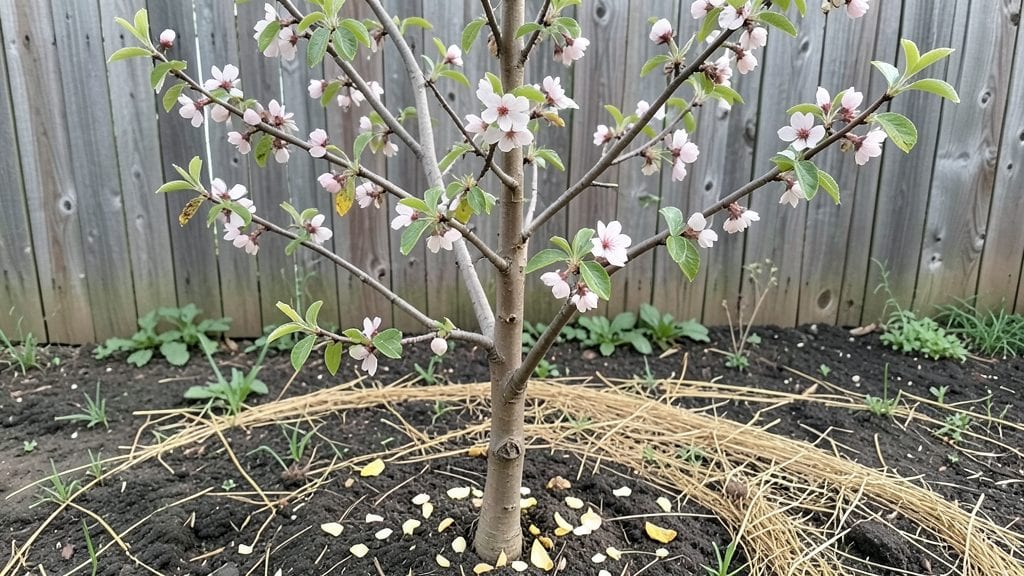
The Early Golden Apricot tree thrives in the Pacific Northwest’s cool summers—its sweet, fragrant blooms and tender fruit make it a standout choice for orchardists and backyard growers alike.
I planted mine last spring after years of struggling with finicky stone fruit varieties, and the difference is night-and-day: this tree handles our damp springs and mild summers better than anything I’ve tried.
The secret lies in seasonal pruning that keeps it productive without stressing the wood, a technique that’s saved my harvests from winter dieback and poor fruit set.
This variety needs well-draining soil with a slightly acidic pH (6.0-6.5) and full sun—at least 6 hours daily, though afternoon shade helps prevent sunburn on fruit.
My tree now produces harvests in late July, beating most apricots by weeks, and the pruning schedule I’ve perfected ensures blooms appear even in our chilly springs.
The key is three pruning sessions: dormant cleanup in late winter, light shaping after harvest, and a final trim to open the canopy for winter sun.
By summer’s end, you’ll be rewarded with golden, fragrant fruit that ripens faster than store-bought varieties—and the tree’s compact growth habit makes it perfect for small orchards or even large containers.
The real magic happens when you see those first blossoms in early spring, a sure sign the tree’s ready to deliver another stellar harvest. Let’s get into the pruning routine that keeps it thriving.
Whether you’re a first-time fruit grower or a seasoned PNW orchardist, these techniques adapt to your space and experience level. The same principles work for other stone fruit too, so you’ll gain skills that pay off for years. Ready to transform your backyard into an apricot oasis?
📚 In This Guide
- What you need
- Instructions
- Tips and common mistakes
- Wrapping up and next steps
What you need
- ● Pruning shears: Sharp, bypass-type shears (for clean cuts on small branches). Quantity: 1 pair.
- ● Loppers: For thicker branches (½" to 1.5" diameter). Quantity: 1 pair.
- ● Pruning saw: Curved-tooth saw for branches over 1.5" in diameter. Quantity: 1.
- ● Disinfectant: 70% isopropyl alcohol or bleach solution (1 part bleach to 9 parts water) to sterilize tools between cuts. Quantity: Small spray bottle or cloth.
- ● Gloves: Heavy-duty, cut-resistant gloves to protect hands. Quantity: 1 pair.
- ○ Pruning sealant: Optional but recommended for sealing large cuts (e.g., Tanglefoot Tree Wound Pruning Sealer). Quantity: Small jar.
- ● Ladder or step stool: If your tree is taller than 6 feet. Safety tip: Use a stable, 3-sided ladder.
- ● Trash bags: For collecting pruned branches. Quantity: 2-3 large bags.
- ● Notebook & pen: To jot down notes on cuts or tree health observations.
- ● Weather check: Prune on a dry, cloudy day (avoid frost or extreme heat).
- ● Tree health assessment: Inspect the tree for diseases (e.g., brown rot) or pests before pruning.
- ○ Safety gear: Optional but wise: Safety goggles and long sleeves for protection.
- ● Water: A small spray bottle to dampen tools if needed (prevents sap from clogging blades).
Instructions for pruning your early golden apricot tree
Here's how I keep my Pacific Northwest apricot tree thriving with consistent blooms and fruit.
Time Your Pruning for Optimal Growth
Prune your Early Golden Apricot tree in late winter or early spring—just as buds begin to swell but before new growth starts. This timing ensures you remove dead wood while preserving next year's fruit buds. In the Pacific Northwest's cooler climate, wait until after the last frost date in your area to avoid damaging tender new growth.
I always check the forecast first—pruning when temperatures stay above 40°F prevents shock. If you miss this window, a light pruning in summer after harvest (June or July) can still encourage new growth, though it won't be as effective for winter structure.
Remove Dead, Diseased, or Crossing Branches
Start by cutting out any dead, broken, or diseased branches—these are easy to spot as they're brown, brittle, or lack leaves. Use clean, sharp pruning shears to make 45-degree cuts just outside the branch collar (the swollen area where the branch meets the trunk). This prevents unsightly stubs and promotes faster healing.
Next, look for crossing branches—where two limbs rub against each other. These often develop wounds that invite disease. Remove the smaller of the two branches at its base. I like to step back every few cuts to visualize the tree's shape—this helps me spot hidden issues like weak crotches or overly dense growth.
Thin the Canopy for Better Airflow and Light
Your goal is to create an open-centered shape that lets sunlight and air reach the center of the tree. Focus on removing branches that grow straight up (called "water sprouts") or those that crowd the center. Cut these back to a strong lateral branch or the trunk—never leave a stub.
I aim to thin the canopy by 20-30% total. You'll know you're doing well when you can see light filtering through the branches and the tree's structure is balanced. Avoid over-pruning—too much at once stresses the tree, especially in the Pacific Northwest's damp climate.
Shape for Pacific Northwest Conditions
Since apricot trees in the PNW face cooler, wetter winters, I prune to encourage a strong, upright structure that sheds water easily. Avoid heavy pruning on one side—this can cause uneven growth or even split trunks in windy coastal areas. Instead, make small, incremental cuts over 2-3 years if needed.
Pay special attention to the lower branches. While apricots don’t need to be pruned as aggressively as fruit trees like apples, removing a few lower limbs improves airflow and makes harvesting easier. Just leave enough to protect the trunk from sun scald in winter.
Clean Up and Monitor for Recovery
After pruning, sterilize your tools with rubbing alcohol to prevent spreading disease. Collect and dispose of all clippings—don’t leave them under the tree, as they can harbor pests or fungi. I also apply a light layer of mulch around the base (but not touching the trunk) to retain moisture and regulate soil temperature.
Watch for new growth in 4-6 weeks—this is your sign the tree is recovering well. If you notice yellowing leaves, excessive sap, or dieback, you may have pruned too aggressively. In that case, reduce pruning next year and focus on watering deeply and fertilizing lightly in early spring.
Tips & tricks for pruning your early golden apricot tree
Pruning your Early Golden Apricot tree doesn't have to be intimidating—these practical tips will help you achieve that perfect balance between fruit production and tree health.
Timing is Everything: In Step 1, when you're deciding on that late winter/early spring window, I recommend checking your local frost dates online or through your cooperative extension service. The PNW's unpredictable weather means you might need to adjust by a week or two. If you're in a particularly cold microclimate, consider waiting until after the first signs of bud swell—this gives you a little buffer against late frosts that could damage tender new growth.
Visualizing the Tree's Structure: During Step 3 when you're thinning the canopy, step back every 5-10 cuts to visualize the tree's overall shape. I like to imagine the tree as an open vase—wide at the top, narrow at the bottom. This open-centered approach is crucial for our cooler, wetter climate as it prevents fungal diseases that thrive in dense, shaded canopies. Look for branches that create dark pockets where light can't penetrate—these are prime candidates for removal.
Pacific Northwest-Specific Care: When shaping in Step 4, pay special attention to how your tree handles wind. In coastal areas, I've seen apricot trees develop split trunks from heavy pruning on one side. To prevent this, distribute your cuts evenly around the tree's circumference. Also, leave slightly more lower branches in windy locations—they act as natural windbreaks for the more delicate upper branches.
Recovery Signs to Watch: After completing all steps, monitor for new growth in 4-6 weeks as mentioned in Step 5. Healthy new growth should appear as bright green leaves emerging from the buds. If you notice excessive sap oozing from cuts, this could indicate you pruned too aggressively. In this case, reduce pruning intensity next year and focus on maintaining rather than shaping.
Pro Tips for Early Golden Apricot Tree
- Pruning your Early Golden Apricot tree doesn't have to be intimidating—these practical tips will help you achieve that perfect balance between fruit production and tree health.
- Timing is Everything: In Step 1, when you're deciding on that late winter/early spring window, I recommend checking your local frost dates online or through your cooperative extension service.
- Visualizing the Tree's Structure: During Step 3 when you're thinning the canopy, step back every 5-10 cuts to visualize the tree's overall shape.
Frequently asked questions
When is the best time to prune my early golden apricot tree?
Prune your apricot tree late winter or early spring (February–March) in the PNW, before new growth starts. This timing promotes year-round blooms and prevents disease. Avoid heavy pruning in fall—it can stimulate late-season growth vulnerable to frost damage. Light shaping in summer (after harvest) is fine, but focus on winter for major cuts!
How do I protect my apricot tree from Pacific Northwest frost?
Apricots are frost-sensitive! Use frost cloths or row covers during late spring blooms (April–May) when frost is forecasted. Plant your tree in a sheltered microclimate, like near a south-facing wall. Mulch heavily in winter to insulate roots. If possible, choose a low-chill variety like ‘Early Golden’—it blooms later, reducing frost risk.
What’s the difference between pruning for fruit vs. flowers?
Apricot trees prioritize flowering branches (thin, flexible wood) over fruit-bearing ones. Cut back overly dense growth to improve airflow, but leave young, vigorous shoots—these produce next year’s blooms. Remove dead, crossing, or diseased branches first. For year-round blooms, prune to encourage multiple flushes of growth by thinning selectively.
Why aren’t my apricot tree’s flowers turning into fruit?
Common culprits: poor pollination (plant a second tree nearby), frost damage (as above), or nutrient deficiencies (test soil for nitrogen/phosphorus). Over-pruning can also reduce fruiting. Try hand-pollinating with a brush if bees are scarce. If flowers drop early, it may signal bacterial blight—prune infected branches immediately and sterilize tools with rubbing alcohol.
Can I grow an early golden apricot tree in a container?
Yes, but it’s challenging long-term. Use a 15+ gallon pot with drainage and a well-draining soil mix. Container trees need frequent watering (they dry out fast) and winter protection (move to a garage or wrap in burlap). Expect smaller yields and more pruning to control root-bound stress. Best for patios—consider a dwarf variety if space is tight!
Wrapping up and next steps
Growing an early golden apricot tree in the Pacific Northwest isn’t just about patience—it’s about intentional care. With the right pruning techniques, you’ll unlock year-round blooms, bountiful harvests, and a thriving tree that becomes the star of your orchard.
Whether you’re a beginner or a seasoned gardener, the key is consistency: trim in late winter, shape in spring, and monitor throughout the growing season.
Ready to transform your backyard? Start small—pick one section of your tree to prune this weekend, then build your confidence. Before you know it, you’ll be sipping fresh apricot nectar straight from your own golden harvest! 🌿✨