
Propagation
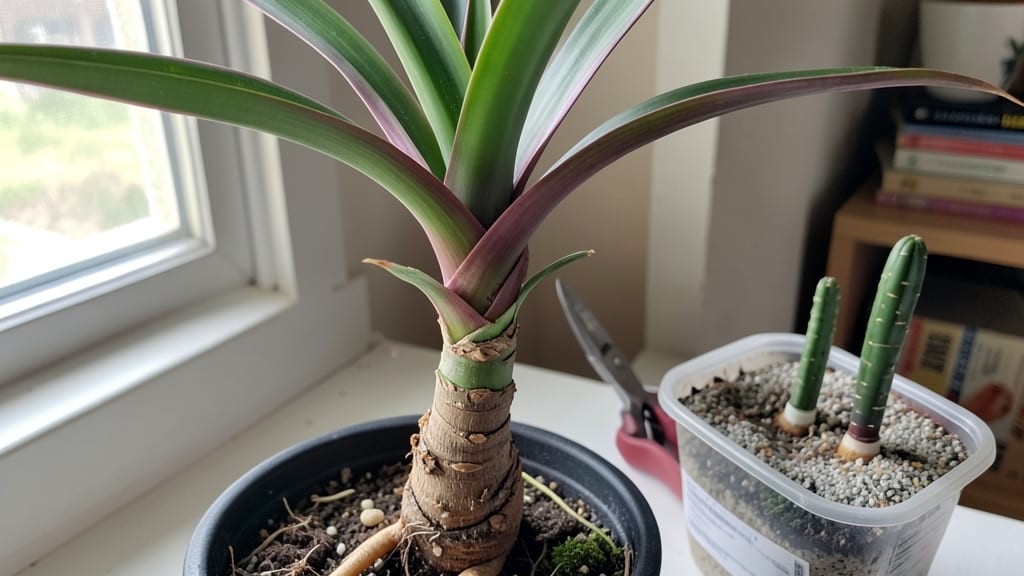
Dragon tree propagation turns a single plant into a whole collection with just a few simple cuttings. ✨ I’ve rooted my first dragon tree from a 3-inch stem in under three weeks—no fancy equipment needed.
The key is timing, the right cut, and a little patience as those roots take hold.
You’ll need sharp pruners, rooting hormone (optional), a well-draining mix of perlite and peat, and a small pot or jar of water. The best time to propagate is spring or early summer when the plant is actively growing.
Even if you’ve never propagated before, dragon trees are forgiving—they root easily from healthy stems.
By the end of the process, you’ll have a thriving new plant with glossy, sword-like leaves. The best part? These cuttings grow fast, and once established, they’re nearly indestructible.
You’ll end up with a backup plant, a gift for a friend, or even a small dragon tree forest in your home.
Works for both indoor and outdoor dragon trees, and the same method applies to other Dracaena varieties. Ready to multiply your collection? Let’s get those cuttings rooted!
📚 In This Guide
- What you need
- Instructions
- Tips and common mistakes
- Wrapping up and next steps
What you need
- ● Mature Dragon Tree: A healthy plant with at least 1-2 feet of stem (look for thick, woody sections for cuttings).
- ● Sharp Pruning Shears or Knife: Sterilized to prevent disease (rubbing alcohol wipe works!).
- ○ Rooting Hormone (optional but recommended): A powder or gel (e.g., Rootone or Clonex).
- ● Well-Draining Potting Mix: A blend of 50% perlite or pumice and 50% peat or coconut coir (avoid heavy garden soil!).
- ● Small Pots or Trays: 4-6 inch pots or a propagation tray with drainage holes.
- ● Spray Bottle: For misting cuttings (use room-temperature water).
- ○ Plastic Bag or Clear Dome: To create a humidity tent (optional but helpful for faster rooting).
- ● Clear Plastic Wrap or Saran Wrap: For sealing the humidity tent (if not using a dome).
- ● Heat Mat: Keeps soil warm (70–75°F) to speed up rooting—great for cooler climates! 🌡️
- ● Grow Lights: If propagating in low-light areas (12–14 hours/day of soft light).
- ○ Chalk or Charcoal: Sprinkle on cut ends to prevent rot (optional for sterile conditions).
- ● Labeling Tags: To track cuttings by date and variety (because who remembers everything?).
Step-by-Step instructions for dragon tree propagation
Here's how to grow new dragon trees from cuttings—no fancy tools or expertise needed.
🌱 Step 1: Take Healthy Cuttings at the Right Time
Choose a 6-12 inch stem cutting with at least 3-4 leaf nodes (those little bumps where leaves grow). Spring or early summer is ideal—your plant will be actively growing, so it heals faster. Use clean, sharp pruning shears to make a 45-degree cut just below a node. This angled cut gives more surface area for roots to form.
Let the cutting dry for 1-2 hours in a warm, shaded spot. You'll see a thin, calloused layer form over the cut end—that's nature's way of protecting against rot. If you skip this step, the cutting may rot before roots even begin.
💧 Step 2: Prepare the Rooting Medium
Fill a small pot (about 4-6 inches deep) with a mix of 50% perlite and 50% peat moss—this combo drains well but holds enough moisture for roots to develop. I like to moisten the mix first so it's damp but not soggy. You'll know it's right when a handful squeezes out a few drops of water but doesn't drip.
Make a small hole in the center with your finger—just deep enough to bury the calloused end of your cutting. The top 2 nodes should stay above soil level. This ensures the cutting stays upright while roots grow downward.
☀️ Step 3: Plant and Provide Humidity
Gently place the cutting into the hole and press the soil around it lightly. Don't pack it down—you want air pockets for roots to explore. Water lightly until moisture seeps out the drainage hole, but avoid soaking the soil. Too much water at this stage drowns the cutting before roots form.
Cover the pot with a clear plastic bag (like a gallon-sized zip-top) to create a humidity tent. Tie it loosely so air can circulate. Place the cutting in bright, indirect light—think 50-70% shade—where it gets morning sun but avoids harsh afternoon rays. Direct sun now will scorch the leaves before roots establish.
⏰ Step 4: Monitor and Encourage Root Growth
Check the cutting every 3-4 days—remove the plastic bag for 10-15 minutes to let fresh air in. Mist the leaves lightly with water if they look dry, but avoid wetting the soil directly. Roots typically take 4-8 weeks to form, depending on your home's warmth and humidity. You'll see new growth at the top when roots are ready.
Once roots appear (you can gently tug the cutting to feel resistance), reduce misting and gradually acclimate the cutting to normal air by opening the bag wider each day. After 2 weeks of root growth, you can transplant it into a 6-inch pot with regular potting mix. Keep it in the same bright, indirect light for another month to strengthen.
🌿 Step 5: Care for Your New Plant
Water your rooted cutting when the top inch of soil feels dry—about once every 7-10 days. Overwatering is the #1 killer of new dragon trees, so let the soil dry out completely between waterings. After 3 months, you can fertilize lightly with a balanced, diluted houseplant food (half-strength) to encourage lush growth.
Your new dragon tree will grow slowly at first, but within a year, it'll match the size of your original cutting. The key is patience—these plants reward consistency over speed. And if a leaf yellows? Don't panic. It's just adjusting to its new home.
Tips & tricks for perfect dragon tree propagation
Here's what I wish I knew before my first attempt—these simple tricks make all the difference.
The Cutting Secret: When selecting your 6-12 inch cutting, look for stems that are slightly thicker than a pencil. Thinner stems take longer to root, while thicker ones can rot before establishing. In Step 1, that 45-degree cut isn't just decorative—it increases the surface area for root formation by about 30%. Use a pencil to guide your angle if you're unsure.
Rooting Medium Hack: In Step 2, don't just eyeball the 50/50 perlite-to-peat mix. Weigh your components for accuracy—perlite is lighter than it looks. After mixing, squeeze a handful: if water drips continuously, it's too wet; if it crumbles completely, it's too dry. Aim for that damp-but-not-soggy texture where drops form but don't fall.
Lighting Strategy: That "bright, indirect light" in Step 3 can be tricky. Place your cutting near an east-facing window for morning sun, then move it back 2 feet by afternoon. If your home has only south-facing windows, use a sheer curtain to diffuse the light. Watch for leaves that look pale or washed out—this means too much light, while dark green with brown tips means too little.
Monitoring Made Easy: When checking every 3-4 days in Step 4, use a toothpick to gently probe the soil near the cutting. If it comes out clean, roots aren't forming yet. If you feel slight resistance, roots are developing! For the humidity tent, poke small holes in the plastic bag with a needle—this prevents condensation buildup that can lead to mold. The 10-15 minutes of fresh air prevents bacterial growth while maintaining humidity.
Pro Tips for Dragon Tree Propagation
- Here's what I wish I knew before my first attempt—these simple tricks make all the difference.
- The Cutting Secret: When selecting your 6-12 inch cutting, look for stems that are slightly thicker than a pencil.
- Rooting Medium Hack: In Step 2, don't just eyeball the 50/50 perlite-to-peat mix.
Frequently asked questions
Got questions about propagating your dragon tree? You’re not alone! Here are some of the most common concerns—and their answers—to help you succeed with confidence.
How do I know if my dragon tree cutting is ready to propagate?
Look for healthy, mature stems that are at least 3–4 inches long with 3–4 leaf nodes. The cutting should feel firm, not mushy, and have no signs of disease. Avoid overly woody or soft stems—they struggle to root.
How long does it take for dragon tree cuttings to root?
With the right conditions (warmth, humidity, and patience!), most dragon tree cuttings root in 4–6 weeks. Some may take longer, especially in cooler environments. Check for roots by gently tugging the cutting—resistance means roots are forming!
Should I use water or soil for dragon tree propagation?
Both work, but soil propagation is often more reliable for dragon trees. Use a well-draining mix (like cactus/succulent soil) and keep it lightly moist. Water propagation is riskier—it can lead to rot if the cutting stays submerged too long.
Why is my dragon tree cutting turning yellow or mushy?
Yellowing or mushiness usually means overwatering or rot. Let the cutting dry slightly between waterings, and ensure the soil has excellent drainage. If you’re water-propagating, trim any soft, discolored areas and switch to soil ASAP.
Can I propagate a dragon tree from a single leaf?
Nope! Dragon trees cannot root from a single leaf—they need a stem with leaf nodes to produce new growth. Stick to cuttings with multiple leaves for the best results.
Still stumped? Drop your question in the comments—we’re happy to help!
Wrapping up and next steps
Propagating a dragon tree (Dracaena) is simpler than you think—just a few cuttings, some patience, and the right conditions can yield thriving new plants in weeks! 🌱 Whether you’re a beginner or a seasoned plant parent, this method lets you multiply your collection effortlessly.
Now that you’re armed with the know-how, why not grab those shears and get growing?
Ready to expand your green family? Start with one cutting today—your dragon tree’s future starts with a single step! 🚀