
Pruning
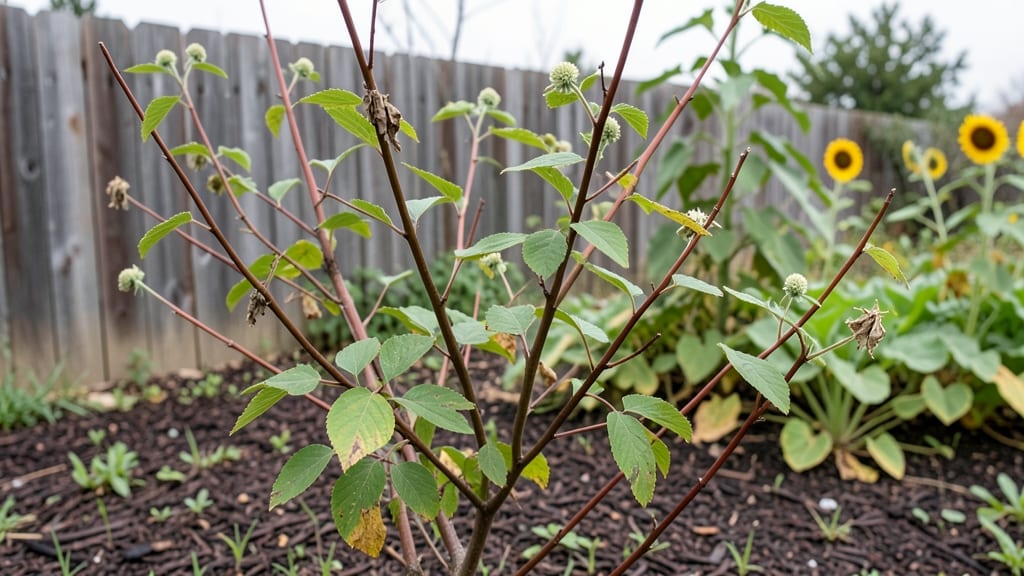
Growing dogwood trees in Colorado means choosing the right varieties to survive our freezing winters and unpredictable springs—and Rocky Mountain dogwood (Cornus sericea) is the standout performer.
I’ve watched mine push through snowdrifts to burst into white blooms by May, proving that with the right pruning, these trees deliver four seasons of interest.
The key is frost-resistant pruning: cutting back in late winter (after the worst cold passes) to shape the tree while protecting vulnerable new growth. Colorado’s high altitudes and dry winds demand extra care—think thicker mulch rings and watering deep roots before the first hard freeze.
Native varieties like the Rocky Mountain dogwood handle our extremes better than southern cultivars, which often struggle with our harsh winters.
What you’ll end up with is a tree that blooms reliably, offers fall color, and keeps its structure through winter’s worst. The blooms attract pollinators, the bark adds winter interest, and the berries feed wildlife—making it a low-maintenance powerhouse for Colorado landscapes.
Prune correctly, and you’ll have a tree that outlasts our climate while still looking effortlessly elegant.
Whether you’re planting in Denver’s urban heat islands or the cooler mountain valleys, the same principles apply: prune late, water deeply, and choose native stock. Local nurseries like Plant Select in Longmont or High Country Gardens carry well-adapted varieties—just avoid the big-box store dogwoods that often fail here.
Let’s get those branches shaped for survival!
📚 In This Guide
- What you need
- Instructions
- Tips and common mistakes
- Wrapping up and next steps
What you need
- ● Pruning shears – Bypass pruners (sharp, 6-8" blades) for clean cuts on small branches.
- ● Loppers – 20-24" bypass loppers for thicker branches (½"–1.5" diameter).
- ● Pruning saw – Curved-tooth saw for branches thicker than 1.5".
- ● Disinfectant (70% isopropyl alcohol or bleach solution) – To sterilize tools between cuts and prevent disease spread.
- ● Heavy-duty gloves – Garden gloves with reinforced palms for protection against thorns and rough bark.
- ● Ladder or step stool – Sturdy, extendable ladder (if tree exceeds 6–8 ft tall).
- ● Tarp or drop cloth – To collect debris and protect the ground.
- ● Permanent marker & tape measure – For marking cuts and measuring branch lengths.
- ● Hand pruners (felco or similar) – For precision work on tiny branches.
- ● Rubbing alcohol wipes – Quick tool disinfection on the go.
- ● Tree wound paint or pruning sealant – (Controversial!) Only use if your dogwood is prone to disease (consult a local expert first).
- ● Camera or phone – To document the tree’s structure before/after pruning.
- ● Mulch (shredded bark or wood chips) – To replenish the base after cleanup.
Instructions for pruning dogwood trees in Colorado's climate
Colorado's harsh winters and dramatic temperature swings demand smart pruning—here's how to keep your dogwood healthy and blooming reliably.
Identify the Right Time for Pruning
Dogwoods in Colorado need careful timing to avoid frost damage. Prune in late winter to early spring, specifically between February and March, before new growth begins. This timing ensures the tree has time to heal before summer heat arrives. Avoid pruning in fall, as late-season cuts encourage tender new growth that won't survive Colorado's unpredictable freezes.
Look for the first signs of bud swell—when you see small, plump buds forming along the branches, that's your cue. Pruning too early in winter risks exposing the tree to cold snaps, while waiting too long can stress the tree before it enters its active growing season. I always check the forecast and aim for a stretch of mild days (above 40°F) to minimize shock.
Assess the Tree's Structure and Health
Before making any cuts, examine the tree for dead, diseased, or crossing branches. Start by removing any branches that are completely brown or brittle—these won't recover and will only drain energy from healthy growth. Use sharp pruning shears to make clean cuts just outside the branch collar, the swollen area where the branch meets the trunk.
Next, look for crossing or rubbing branches—these create wounds that invite pests and disease. If two branches grow too close, one must go. Remove the smaller branch or the one that's growing upward to maintain an open canopy. Colorado's strong winds can exacerbate weak branch structures, so prioritize removing anything that looks structurally compromised.
Thin the Canopy for Better Airflow
Dogwoods benefit from selective thinning to improve airflow and sunlight penetration. Focus on removing branches that grow inward or downward, as these create dense shade that encourages fungal issues. Aim to thin the canopy by no more than 25% in a single season—this prevents excessive stress.
Use your pruning shears to make cuts at a 45-degree angle just outside the branch collar. Avoid leaving stubs, as these can rot and invite pests. Step back frequently to visualize the tree's shape—you want an open, vase-like structure that allows light to reach the center. In Colorado's dry climate, good airflow is critical for preventing powdery mildew and other fungal diseases.
Prune for Flowering and Shape
Dogwoods bloom on old wood, meaning last year's growth produces this year's flowers. Avoid heavy pruning that removes too many old branches, as this can reduce blooms. Instead, focus on light shaping cuts to maintain the tree's natural form. Remove only the outermost branches that are overcrowded or growing in an unnatural direction.
If your dogwood has produced fewer blooms than expected, check for water stress—Colorado's soil can dry out quickly, even in winter. Water deeply around the root zone if the ground feels dry to the touch. For shaping, I like to use a hand pruner for smaller branches and loppers for thicker stems. Always sterilize your tools with rubbing alcohol between cuts to prevent spreading disease.
Clean Up and Monitor Recovery
After pruning, remove all clippings and debris from the base of the tree to prevent fungal growth. Dispose of diseased branches separately to avoid contaminating your yard. Rake up any fallen leaves or twigs, as these can harbor pests over winter.
Monitor the tree over the next few weeks for signs of stress, such as yellowing leaves or wilting. If you see new growth emerging within 2-3 weeks, the pruning was successful. In Colorado's climate, newly pruned dogwoods may need extra watering during dry spells to support recovery. Avoid fertilizing immediately after pruning—wait until new growth appears before applying any amendments.
Tips & tricks for pruning dogwood trees in Colorado
Colorado's unique climate demands special attention when pruning dogwoods—these tips will help you avoid common pitfalls and ensure your tree thrives.
Timing is Everything: The February-March window is critical because dogwoods bloom on old wood, and late-season pruning risks exposing tender new growth to Colorado's unpredictable freezes. I've seen trees stressed beyond recovery when pruned too late—look for those plump buds as your cue. If you miss this window, wait until late spring, but be prepared for potentially fewer blooms that season.
Branch Collar Technique: When removing branches in Step 2, always cut just outside the branch collar—the swollen area where the branch meets the trunk. This ensures proper healing and prevents unsightly stubs that can invite pests. I've made the mistake of cutting too close to the trunk, which created wounds that took years to heal. Use sharp pruning shears and make clean cuts at a 45-degree angle for best results.
Thinning Strategy: Remember the 25% rule from Step 3—never remove more than a quarter of the canopy in one season. Colorado's dry climate puts extra stress on trees, and aggressive pruning can weaken them. Focus on removing inward-growing branches first to improve airflow, which is especially important for preventing powdery mildew in our dry summers. Step back frequently to visualize the open, vase-like shape you're creating.
Post-Pruning Care: After cleaning up debris from Step 5, monitor your tree closely for the first 2-3 weeks. New growth emerging within this timeframe confirms successful pruning. In Colorado's climate, newly pruned dogwoods may need extra watering during dry spells—check soil moisture by pushing your finger 2 inches into the ground. Avoid fertilizing until you see new growth, as fertilizers can stress a tree that's still recovering from pruning.
Pro Tips for Dogwood Tree Colorado
- Colorado's unique climate demands special attention when pruning dogwoods—these tips will help you avoid common pitfalls and ensure your tree thrives.
- Timing is Everything: The February-March window is critical because dogwoods bloom on old wood, and late-season pruning risks exposing tender new growth to Colorado's unpredictable freezes.
- Branch Collar Technique: When removing branches in Step 2, always cut just outside the branch collar—the swollen area where the branch meets the trunk.
Frequently asked questions
Got questions about growing dogwood trees in Colorado’s chilly climate? You’re not alone!
Here are answers to the most common queries—from pruning tips to frost survival and beyond. Let’s dive in!
What’s the best time to prune dogwood trees in Colorado to avoid frost damage?
Prune your dogwood late winter to early spring (February–March), after the worst frosts have passed but before buds swell. This timing ensures you remove dead wood without risking new growth that could be nipped by late frosts. Avoid pruning in fall—it stimulates tender new shoots that won’t survive Colorado’s harsh winters.
Can dogwood trees survive Colorado’s winters, or do I need to wrap them?
Most Colorado-bred dogwood varieties (like ‘Cheyenne Magic’ or ‘White Cliffs’) are frost-resistant, but young trees or tender species may need protection. Wrap the trunk with burlap or tree guard in extreme cold (<10°F) to prevent sunscald. Mulch the base with 2–3 inches of organic matter (like wood chips) to insulate roots.
How much can I prune a dogwood tree without harming it?
Limit pruning to no more than 25% of the tree’s canopy per year. Focus on removing:
- Dead, diseased, or crossing branches
- Suckers at the base
- Overly dense growth to improve airflow
Why aren’t my dogwood flowers as vibrant in Colorado as they are in other climates?
Colorado’s intense sun and dry winds can stress dogwoods, dulling blooms. To boost vibrancy:
- Water deeply 1–2 times per week during dry spells
- Apply a balanced fertilizer (10-10-10) in early spring
- Plant in partial shade (especially in hotter Front Range areas)
Are there dogwood alternatives that thrive better in Colorado’s climate?
If dogwoods seem finicky, try these low-maintenance, frost-hardy alternatives:
- Serviceberry (Amelanchier): White spring blooms + edible berries
- Smoke Tree (Cotinus): Drought-tolerant, smoky purple foliage
- Ninebark (Physocarpus): Tough, colorful stems, thrives in alkaline soil
- Hawthorn (Crataegus): Spiny but stunning spring blooms
Wrapping up and next steps
Transforming your Colorado garden with a dogwood tree is a rewarding journey—one that combines resilience, beauty, and seasonal charm. By mastering frost-resistant pruning and understanding its unique needs, you’ll unlock stunning blooms year-round while ensuring its long-term health. 🌸
Ready to take the next step? Start by scheduling a pruning session this late winter or early spring—when the tree is still dormant but the frost has passed. Observe your dogwood’s growth each season, adjust your approach, and watch as your garden flourishes with vibrant color and life! 🌿