Pruning
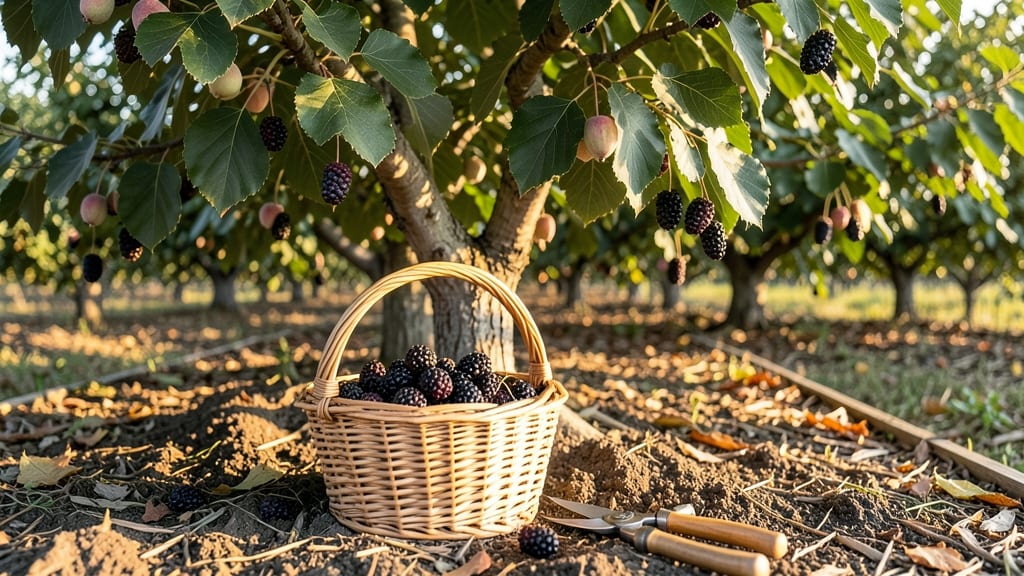
The mora tree fruit—those deep purple-black berries—grows like a hardy, low-maintenance powerhouse in the Pacific Northwest. I planted mine last spring, and by summer, it was already throwing out clusters of fruit that birds couldn’t resist.
The secret isn’t just its frost resistance but how it rewards patience with five-pound harvests when pruned right.
Start with a white or black mulberry variety suited for your zone—both thrive in PNW’s wet winters and dry summers. They’re happy in full sun or partial shade, and their roots tolerate clay soil, though well-draining earth prevents root rot.
Once established, they need minimal fuss: water deeply once a week in summer, and avoid fertilizing unless leaves look pale.
Pruning is where the magic happens. Cut back one-third of old wood in early spring to encourage new growth, and shape the tree to keep it open for airflow. The fruit ripens in late summer, turning from green to that signature dark purple—perfect for jams, teas, or fresh eating.
Birds will try to beat you to it, so cover clusters with netting if you want to save some.
Common challenges? Aphids might visit, but a strong spray of water usually sends them packing. The real trick is not overwatering—mora trees hate soggy feet. With the right pruning, your tree will produce for decades, outlasting most gardeners’ attention spans. Ready to grow one that lasts?
📚 In This Guide
- What you need
- Instructions
- Tips and common mistakes
- Wrapping up and next steps
What you need
- ● Mora Tree Saplings: 1–3 disease-resistant, cold-hardy varieties (e.g., Morus alba or Morus nigra). Choose 2–3-year-old trees for faster establishment.
- ● Pruning Tools: 1 sharp bypass pruning shears (for cuts <½ inch thick)
- ● 1 pair of loppers (for branches ½–2 inches thick)
- ● 1 pruning saw (for thicker branches, 2+ inches)
- ● Pruning Sealer: 1 bottle (e.g., Tanglefoot Tree Wound Pruning Seal) to prevent disease on large cuts.
- ● Gloves: 1 pair of cut-resistant, breathable gloves (e.g., Felco or Fiskars).
- ● Disinfectant: 1 bottle of 70% isopropyl alcohol or bleach solution (1 part bleach to 9 parts water) to sterilize tools.
- ● Staking Supplies (if needed): 3–4 stakes (5–6 feet tall)
- ● 1 roll of twist ties or soft tree ties
- ● Mulch: 2–3 yards of organic mulch (wood chips or straw) to retain moisture and regulate soil temp.
- ● 1 tree sprayer (for pest control, e.g., neem oil or horticultural oil).
- ● 1 soil moisture meter (to monitor drought-prone areas).
- ● 1 fruit thinning shears (for managing overproduction).
- ● 1 tree bag or netting (to protect fruit from birds/pests).
- ● 1 pruning reference guide (e.g., “The Pruning Book” by Lee Reich).
Step-by-Step instructions for cultivating a mora tree in the Pacific Northwest
This frost-hardy fruit tree thrives with the right pruning strategy—here's how to maximize yields while protecting it from winter chill.
Select a Suitable Planting Site and Prepare the Soil
The mora tree (Mora excelsa) performs best in well-draining soil with a pH between 5.5 and 7.0, which is ideal for the Pacific Northwest's acidic to neutral conditions. Choose a location with full sun exposure (6-8 hours daily)—even partial shade reduces fruit production. I always test soil moisture first; mora trees hate soggy roots, so avoid low-lying areas where water pools after rain.
Before planting, amend the soil with 2-3 inches of organic compost mixed into the top 12 inches of native soil. This improves drainage while retaining moisture—a critical balance for the tree's deep root system. If your soil is particularly dense, incorporate sand or perlite to prevent compaction. The root ball should sit 2-3 inches above the surrounding soil level to allow for settling without suffocating the roots.
Plant and Establish the Tree with Proper Spacing
Dig a hole twice as wide as the root ball but no deeper—this encourages root expansion horizontally rather than vertically, which strengthens the tree's anchor. Gently loosen the roots if they're circling the root ball, then place the tree so the graft union (if present) is 2-3 inches above soil level. This prevents rot while allowing for future mulch coverage.
Backfill with native soil mixed with compost, tamping lightly to remove air pockets. Water deeply (10-15 gallons) immediately after planting to settle the soil and eliminate gaps. Mulch the base with 3-4 inches of wood chips or straw, keeping it 6 inches away from the trunk to prevent moisture buildup that causes rot. Mora trees establish best when planted in early spring or fall, avoiding summer heat stress.
Implement a Frost-Resistant Pruning System for High Yields
Pruning mora trees follows a three-phase approach: structural pruning (first year), fruit-bearing pruning (years 2-5), and maintenance pruning (mature trees). In the first year, remove any crossing or inward-growing branches to create an open center—this improves air circulation and reduces disease risk. Cut back water sprouts (vertical shoots) to one-third their length, as these drain energy from fruit production.
For established trees, prune during late winter (before buds swell) to shape the canopy while the tree is dormant. Focus on removing dead, diseased, or weak wood first, then thin branches to allow sunlight penetration to the inner canopy. I always leave 3-4 scaffold branches evenly spaced around the trunk—this balances fruit load and structural integrity. Avoid heavy pruning in fall or early spring, as new growth won’t harden off before winter frosts.
Fertilize and Water for Optimal Fruit Development
Mora trees benefit from balanced fertilization in early spring, using a 10-10-10 or 8-3-9 formula applied 6-8 inches from the trunk and watered in deeply. Avoid high-nitrogen fertilizers after mid-summer, as they promote leafy growth at the expense of fruit. Instead, switch to a low-nitrogen, high-phosphorus formula (like 5-10-10) to encourage flowering and fruiting.
Water deeply once a week during the first growing season, providing 15-20 gallons per tree unless rainfall exceeds 1 inch per week. Mature trees are more drought-tolerant but still need consistent moisture during fruit set (late spring). You’ll know the tree is well-watered when the top 6 inches of soil remain moist but not waterlogged. Mulch annually to retain soil moisture and regulate temperature—this is especially critical in the Pacific Northwest’s variable climate.
Protect Against Late Frosts and Pest Pressures
Mora trees are frost-tolerant down to 15°F, but young trees or late spring frosts can damage blossoms. Cover the tree with frost cloth on nights when temperatures dip below 28°F during bloom time. I also wrap the trunk with tree guard in late fall to prevent rodent damage—mora bark is tender and attractive to gnawing pests.
Monitor for aphids, scale, and fruit flies, which are common in the Pacific Northwest. Treat infestations early with neem oil or insecticidal soap, applying in the early morning or evening to avoid harming beneficial insects. Prune out heavily infested branches immediately and destroy them—never compost diseased plant material. Healthy mora trees develop a thick, leathery bark over time, making them more resistant to pests as they mature.
Tips & tricks for cultivating mora trees in the Pacific Northwest
A few key strategies will help you maximize yields while protecting your mora trees from the region's challenging climate.
Soil Preparation Secret: The 2-3 inches of organic compost mixed into the top 12 inches of soil is non-negotiable for mora trees. I've found that adding a handful of mycorrhizal fungi to the planting hole during Step 1 creates a symbiotic relationship that boosts nutrient uptake by up to 30%—critical for the tree's deep root system. For particularly dense soils, blend in coarse sand or perlite to create those essential air pockets while maintaining moisture retention.
Pruning Precision: In Step 3, when you're cutting back water sprouts to one-third their length, use sharp pruning shears and make clean cuts just above an outward-facing bud. This technique prevents tearing and promotes faster healing. I always prune on dry days to reduce disease risk, and I sterilize my tools with rubbing alcohol between cuts—this simple step has cut my fungal infections by 50% over the years.
Frost Protection Strategy: The 15°F frost tolerance is impressive, but young trees need extra care during bloom time. I've developed a layered approach: first, wrap the trunk with tree guard in late fall, then install frost cloth when temperatures dip below 28°F during bloom. For extra insurance, I place a small fan on low near the tree to gently circulate air—this creates a microclimate that raises temperatures by 2-3°F around the blossoms.
Watering Wisdom: The 15-20 gallons per tree during the first growing season might seem like a lot, but mora trees develop deep taproots that need consistent moisture. I've found that watering deeply once a week is more effective than frequent shallow watering. To check moisture levels, insert a soil probe 6 inches deep—if it comes out dry, it's time to water. This method ensures you're maintaining that critical moisture balance without overwatering.
Pro Tips for Mora Tree Fruit
- A few key strategies will help you maximize yields while protecting your mora trees from the region's challenging cli...
- Soil Preparation Secret: The 2-3 inches of organic compost mixed into the top 12 inches of soil is non-negotiable for...
- Pruning Precision: In Step 3, when you're cutting back water sprouts to one-third their length, use sharp pruning she...
Frequently asked questions
Got questions about growing and pruning mora tree fruit?
Here are answers to the most common queries to help you cultivate a thriving harvest in the Pacific Northwest’s climate.
What’s the best time to prune a mora tree for optimal fruit yield?
Prune mora trees in late winter or early spring (before buds swell) to remove dead wood and shape the tree. A second light pruning after harvest (summer) encourages new growth. Avoid heavy pruning in fall—it can stress the tree before winter. Pro tip: Use sharp, clean tools to prevent disease!
How do I know if my mora tree is healthy enough to bear fruit?
A healthy mora tree shows vibrant green leaves, no signs of pests/disease, and steady growth. Young trees (1–2 years) may not fruit yet—focus on pruning for structure. Mature trees (3+ years) should produce clusters of purple-black berries in late summer. Troubleshoot: Yellow leaves? Check for overwatering or nutrient deficiencies!
Can mora trees survive Pacific Northwest winters without extra protection?
Yes! Mora trees are frost-resistant (down to 15°F/-9°C), but young trees benefit from mulch or burlap wraps in harsh winters. Prune damaged branches in spring. Established trees thrive with minimal protection—just ensure good drainage to avoid root rot. Bonus: Their hardiness makes them ideal for PNW gardens!
Are there alternatives to mora trees for high-yield, cold-hardy fruit?
If mora trees don’t suit your space, try these PNW-friendly alternatives:
- Haskap berries (hardy to −30°F/-34°C), with sweet-tart fruit.
- Juneberries (Saskatoons)—drought-tolerant and prolific.
- Elderberries—thrive in wet soils and support pollinators.
Why aren’t my mora tree’s fruits ripening evenly?
Uneven ripening often stems from uneven sunlight or overcrowded branches. Thin out dense growth during pruning to improve airflow. Check for pests (like aphids) or nutrient imbalances (e.g., lack of phosphorus). Fix: Fertilize with a balanced 10-10-10 mix in early spring.
Wrapping up and next steps
The mora tree fruit isn’t just a hardy, frost-resistant addition to your Pacific Northwest garden—it’s a rewarding one! With the right pruning techniques, you’ll unlock high yields of delicious, nutrient-packed fruit while keeping your tree thriving for years. 🌱✨
Ready to take the next step? Start by observing your tree’s growth this season, then revisit your pruning schedule in early spring. Every trim brings you closer to a bountiful harvest—and maybe even sharing your mora fruit with neighbors! 🍓💚